Naya Yogurt Nutrition Facts: Probiotics, Fat, and Use Guide
Naya organic yogurt is a Canadian cultured dairy product available in milk fat percentages from 0 to 10 percent, with a plain 3.5 percent serving providing 140 calories, 8 grams of protein, and four named live bacterial cultures. Understanding naya yogurt nutrition facts means recognizing it as a whole-milk fermented food that delivers bioavailable calcium and active probiotics, not just a macronutrient source. This is the key difference between Naya and a protein bar.
The nutritional value of yogurt extends far beyond the printed label. The NIH Office of Dietary Supplements states that the calcium in fermented dairy is more absorbable due to the acidic pH created by lactic acid bacteria and the presence of casein phosphopeptides. A single 3/4 cup serving of Naya plain yogurt provides roughly 19 percent of your daily calcium needs in a highly usable form. The fermentation process also partially breaks down the lactose and casein, making the nutrients inside the yogurt more accessible than those in a glass of unfermented milk.
This article breaks down every milk fat percentage Naya sells, from the lean 0 percent to the decadent 10 percent cream-top. You’ll see a direct comparison to Greek yogurt and Skyr, learn the names and functions of the specific bacterial strains on the label, and get clear answers on whether Naya fits a keto, low FODMAP, or pregnancy diet. You’re about to understand this yogurt well enough to make a confident choice in the dairy aisle.
What Are the Key Naya Yogurt Nutrition Facts?
The key naya yogurt nutrition facts are that it is an organic, pasteurized, stirred-style yogurt with live bacterial cultures, providing a complete protein package and a fat content that scales directly with the milk fat percentage you choose. Naya is not Greek yogurt. It is a traditional stirred yogurt, which means it has a looser, creamier consistency than strained varieties. The nutritional core is consistent across the line: real milk, bacterial cultures, and no artificial stabilizers or modified starches in the plain versions.
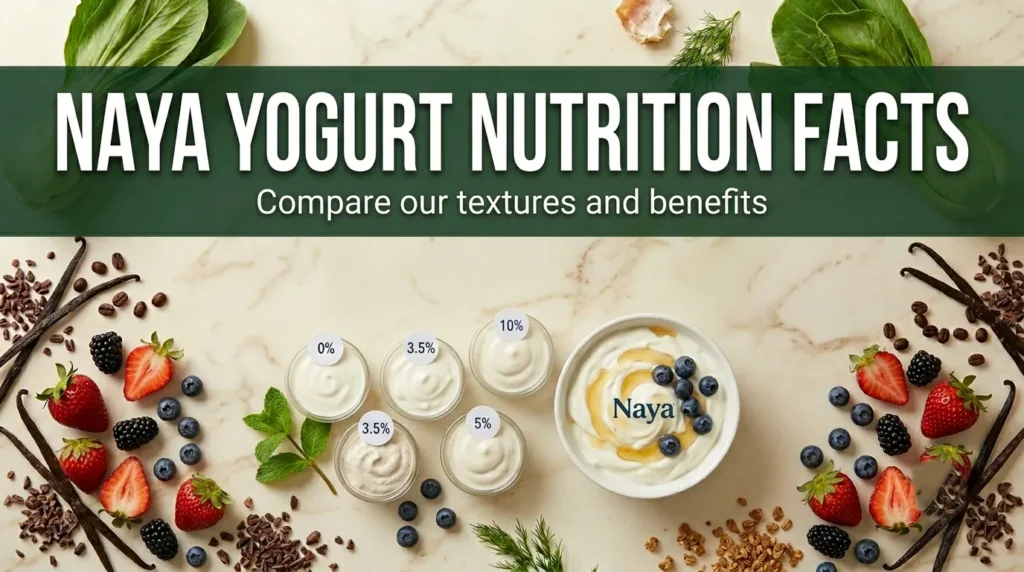
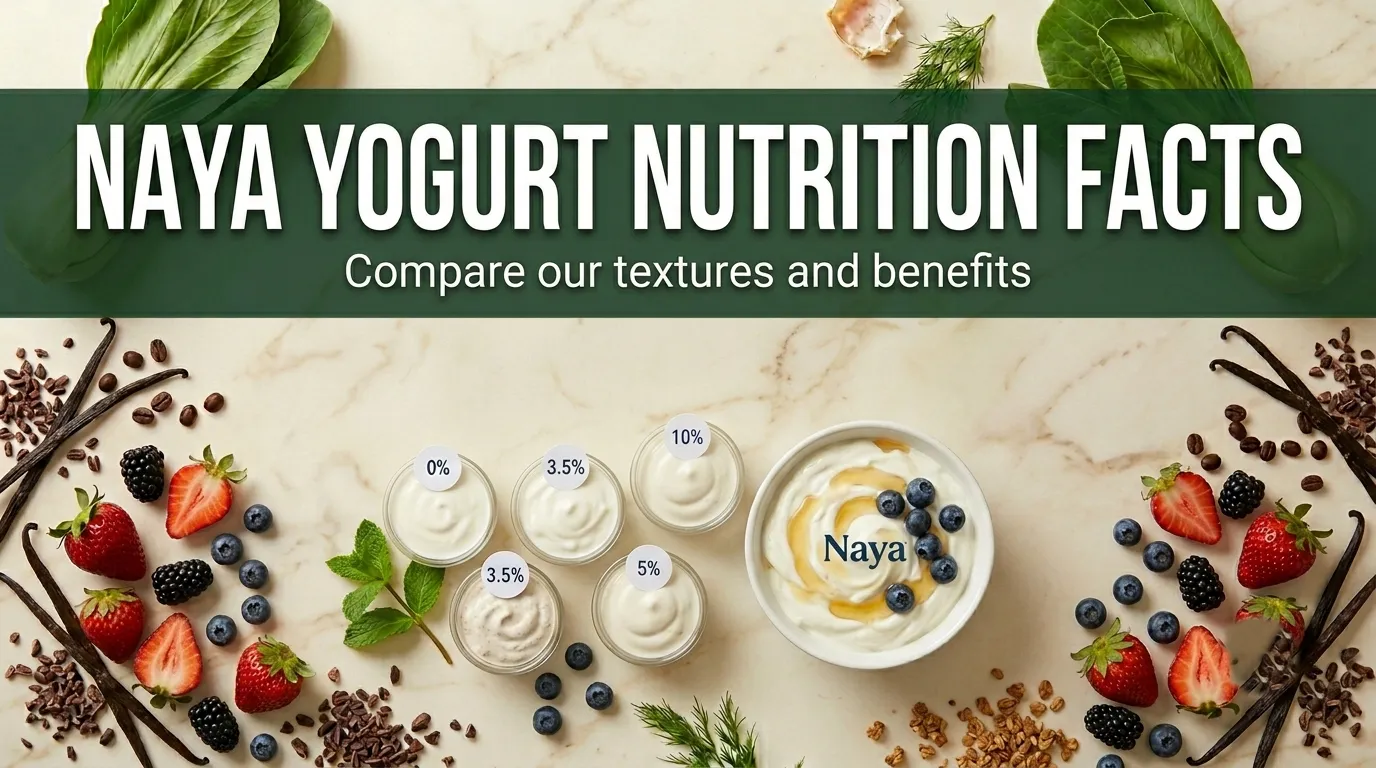
The macronutrient profile of Naya plain yogurt is determined entirely by the milk fat level. The 3.5 percent whole milk version is the most balanced, offering a near-equal contribution of satiating fat, structural protein, and the naturally occurring milk sugar lactose. The 10 percent cream-top version is a European-style indulgence that functions almost like a dessert or a cooking ingredient. The 0 percent is a lean, high-protein option that works well in smoothies and post-workout bowls.
The micronutrient story is where Naya earns its place in a health-conscious kitchen. The fermentation process concentrates certain B vitamins as the bacteria metabolize the milk. Naya’s organic certification means the milk comes from cows raised without synthetic pesticides, herbicides, or genetically modified feed, in compliance with Canadian Organic Standards. This is a product distinction that matters if you are trying to reduce your dietary exposure to synthetic compounds. The yogurt is also free from artificial growth hormones, a standard requirement for all Canadian dairy.
Naya Plain Yogurt Calories and Macronutrients
A 3/4 cup serving of Naya 3.5 percent plain yogurt contains 140 calories, with a macro split of 7 grams of fat, 7 grams of carbohydrates, and 8 grams of protein. The naya plain yogurt calories and macronutrients align with what nutrition scientists call a balanced whole-food profile. It is not a low-calorie diet food. It is a satiating, nutrient-dense food that fits into a meal as a functional component.
The carbohydrate content of plain yogurt is almost entirely lactose, the natural disaccharide sugar found in milk. During fermentation, the bacterial cultures consume a portion of this lactose, converting it into lactic acid, which is what gives yogurt its tang. The final lactose content of the finished product is lower than the starting milk, a fact that has direct clinical relevance for lactose-intolerant individuals. The protein in Naya is a complete protein, containing all nine essential amino acids in the proportions your body requires for tissue repair and immune function.
| Serving (175g) | Calories | Fat (g) | Carbs (g) | Protein (g) |
|---|---|---|---|---|
| Naya 0% Plain | 80 | 0 | 8 | 11 |
| Naya 3.5% Plain | 140 | 7 | 7 | 8 |
| Naya 10% Plain | 210 | 17 | 6 | 7 |
The caloric range is broad. A person in a calorie deficit might choose the 0 percent version and get 11 grams of protein for only 80 calories, an exceptional protein efficiency ratio. Someone following a higher-fat, lower-carb pattern would gravitate toward the 10 percent, where the fat is satiating and the carbohydrate count is slightly lower. The plain yogurt in any milk fat percentage contains no added sugar, which is the most important label check you can make.
Key Takeaway: Naya plain yogurt has no added sugar at any fat level. The carbohydrates listed are naturally occurring lactose. Always choose plain over flavored.
Naya Yogurt Protein Content Explained
Naya yogurt provides 7 to 11 grams of complete animal protein per 3/4 cup serving, with the highest protein concentration found in the 0 percent skim milk version due to the removal of fat without a proportional loss of casein and whey. The naya yogurt protein content is primarily casein, which accounts for roughly 80 percent of the total protein. Casein is a slow-digesting protein that clots in the acidic environment of your stomach and releases amino acids gradually over several hours.
The remaining 20 percent is whey protein, a fast-digesting fraction rich in the branched-chain amino acid leucine. Leucine is the primary dietary trigger for the mTOR pathway that stimulates muscle protein synthesis. A 3/4 cup serving of Naya 0 percent provides approximately 1.2 grams of leucine. For an athlete or an older adult concerned about muscle maintenance, this is a meaningful contribution toward the approximately 2.5 to 3 grams of leucine per meal thought to maximize the anabolic response.
Compared to Greek yogurt, traditional stirred yogurts like Naya have a lower total protein content per serving simply because they contain more water. Greek and Skyr yogurts are strained, concentrating the protein by removing liquid whey. Naya’s 0 percent has 11 grams of protein. A comparable serving of plain Greek yogurt can have 17 to 20 grams. This does not make Naya inferior. It makes it a different product for a different purpose. Naya’s protein is still complete and bioavailable. It is the right yogurt for someone who wants creaminess and a moderate protein boost, not a dense, chalky protein brick.
Naya Yogurt Sugar Content: Plain vs Flavored
Naya plain yogurt contains about 7 grams of naturally occurring lactose sugar per 3/4 cup serving, while a flavored Naya yogurt of the same size can contain 18 to 24 grams of sugar, with the additional 11 to 17 grams being added cane sugar. The naya yogurt sugar content is a clear case of the plain version being a whole food and the flavored version being a sweetened dessert. The difference is not subtle.
The sugar in plain yogurt is lactose, a disaccharide composed of glucose and galactose. It is metabolized more slowly than sucrose and, in the presence of active yogurt cultures, is partially digested by the bacterial enzyme lactase within the small intestine. This is one of the mechanisms by which yogurt is better tolerated than milk in people with lactose maldigestion. The added sugar in flavored yogurts, by contrast, is typically sucrose or cane sugar. It hits the bloodstream quickly and contributes to the total added sugar intake that the American Heart Association recommends limiting to 25 grams per day for women and 36 grams for men.
- Naya Plain 3.5% (175g): 7g sugar (all natural lactose)
- Naya Vanilla Flavored (175g): ~22g sugar (7g natural, ~15g added)
- Naya Fruit Bottom (175g): ~24g sugar (7g natural, ~17g added from fruit prep and sugar)
The fruit preparation used in flavored yogurts is a cooked mixture of fruit, sugar, pectin, and natural flavor. Even when the fruit is organic, the added sugar is metabolically identical to any other added sugar. A registered dietitian guiding a patient with prediabetes or insulin resistance would flag the flavored versions as a different food category from the plain. The solution for a home cook is clear. Buy the plain Naya and add fresh or frozen organic berries yourself. You control the type and amount of sweetness, and you add genuine fruit polyphenols and fiber that the processed fruit prep has lost.
Key Takeaway: Naya plain yogurt has only 7 grams of natural milk sugar. Flavored versions can triple that number with added cane sugar. Flavor it yourself at home.
Naya Yogurt Probiotics and Live Bacterial Cultures
Naya yogurt contains a defined starter culture of Lactobacillus bulgaricus and Streptococcus thermophilus, supplemented with the probiotic strains Lactobacillus acidophilus and Bifidobacterium lactis. The naya yogurt probiotics are not a marketing claim. They are named, specific organisms with peer-reviewed research backing their effects on lactose digestion and gut transit time. The label tells you exactly what you are eating.
Lactobacillus bulgaricus and Streptococcus thermophilus are the two bacteria required by the Codex Alimentarius for a product to be called yogurt. They work in symbiosis during fermentation, with bulgaricus breaking down milk proteins into peptides and amino acids that thermophilus uses for growth. The result is the characteristic tang and gel structure of yogurt. Beyond fermentation, these starter cultures produce the enzyme beta-galactosidase, which continues to function in the human small intestine after consumption, actively breaking down residual lactose and mitigating symptoms in lactose-intolerant individuals.
The addition of Lactobacillus acidophilus and Bifidobacterium lactis elevates Naya from a basic fermented food to a probiotic food. Bifidobacterium lactis is one of the most clinically studied probiotic strains for digestive health. A 2021 systematic review in the journal Nutrients found that B. lactis supplementation is associated with reduced whole-gut transit time and improved stool consistency in adults with functional constipation. The colony-forming units per serving are not stated on the Naya label, which is a transparency gap compared to some supplement-grade probiotic yogurts. However, the presence of these organisms in a cultured dairy matrix is a genuine functional benefit.
Naya Yogurt Calcium and Micronutrient Breakdown
A 3/4 cup serving of Naya 3.5 percent plain yogurt delivers approximately 250 milligrams of calcium, 200 milligrams of phosphorus, 0.3 milligrams of riboflavin, and 0.9 micrograms of vitamin B12. The naya yogurt calcium and micronutrient breakdown rivals a glass of milk, but with the added advantage of the fermented matrix that enhances mineral absorption. The calcium in yogurt is in a more bioavailable form than the calcium in spinach or fortified plant milks.
The calcium-phosphorus ratio in dairy is approximately 1.25 to 1, which is close to the ratio found in human bone mineral. This matters because excessive phosphorus relative to calcium can stimulate parathyroid hormone release and bone resorption. Dairy, including yogurt, provides the two minerals in the proportion your skeletal system already uses. Vitamin B12 is another standout. One serving of Naya provides 38 percent of the Daily Value. B12 is essential for neurological function and red blood cell formation, and it is found almost exclusively in animal foods.
| Micronutrient | Amount (175g) | % Daily Value | Function |
|---|---|---|---|
| Calcium | 250 mg | 19% | Bone density, nerve transmission |
| Phosphorus | 200 mg | 16% | ATP energy metabolism, bone |
| Riboflavin (B2) | 0.3 mg | 23% | Energy production, skin health |
| Vitamin B12 | 0.9 mcg | 38% | Myelination, red blood cells |
| Iodine | ~50 mcg | 33% | Thyroid hormone synthesis |
Iodine is another important dairy micronutrient. Canadian milk, including the milk used for Naya, naturally contains iodine due to the use of iodophor sanitizers in dairy equipment and the iodine content in cattle feed. The iodine content supports thyroid function, a nutritional benefit not found in most non-dairy alternatives. For a pregnant woman, the iodine and B12 in yogurt are directly relevant to fetal brain development.
Key Takeaway: Naya yogurt is a functional bone and energy food. The calcium and phosphorus ratio is physiologically ideal, and the B12 covers over a third of your daily needs.
Naya 0 vs 2 vs 3.5 vs 10 Percent Milk Fat Comparison
Naya’s 0 percent is a high-protein, low-calorie option for calorie-conscious consumers, the 3.5 percent is a balanced whole-milk yogurt for everyday eating, and the 10 percent cream-top is a decadent culinary ingredient with the highest fat and lowest lactose concentration. The naya 0 vs 2 vs 3.5 vs 10 percent milk fat comparison shows that the fat percentage determines not only the calorie count but also the mouthfeel, the satiety factor, and the cooking behavior.
The 0 percent skim milk yogurt contains the highest protein content at 11 grams per serving because removing the fat concentrates the remaining milk solids-not-fat. The texture is thinner and more tart. The 2 percent is a middle ground that Naya does not always stock; it is the least common offering. The 3.5 percent, sometimes labeled “whole milk,” is the standard. It is creamy enough to eat with a spoon and enjoy, and it’s the most versatile for cooking. The 10 percent, also called cream-top or Mediterranean-style, is a luxury product.
| Naya Plain | Calories | Fat (g) | Protein (g) | Carbs (g) | Best Use |
|---|---|---|---|---|---|
| 0% | 80 | 0 | 11 | 8 | Post-workout smoothies, calorie deficit |
| 3.5% | 140 | 7 | 8 | 7 | Daily eating, breakfast bowls, baking |
| 10% | 210 | 17 | 7 | 6 | Dessert substitute, rich sauces, keto |
The 10 percent is where the fat-soluble vitamins concentrate. The milk fat globule membrane contains bioactive lipids, including conjugated linoleic acid, a fatty acid that preliminary research in the Journal of Dairy Science suggests may have anti-carcinogenic properties. This is not a reason to consume excessive saturated fat. It is a reason to appreciate that the fat in organic, grass-fed-adjacent dairy is more than just calories.
Naya Greek Yogurt vs Naya Traditional Yogurt Nutrition
Naya’s Greek-style yogurt is strained to remove liquid whey, resulting in a thicker texture and roughly 15 to 17 grams of protein per serving, compared to the 8 grams in traditional stirred Naya. The naya greek yogurt vs naya traditional yogurt nutrition difference is entirely a function of water removal. The starting milk is the same. The bacterial cultures are the same. The straining process concentrates everything.
Greek yogurt loses some water-soluble nutrients during straining. The liquid whey that is drained away contains lactose, minerals, and water-soluble B vitamins. A serving of traditional Naya has slightly more calcium and riboflavin per gram of starting milk solids than a serving of strained yogurt. The tradeoff is protein density. A person using yogurt as a primary protein source will prefer the Greek version. A person using yogurt as a creamy condiment, a smoothie base, or a substitute for sour cream might prefer the traditional version.
The flavor difference follows the nutritional concentration. Strained yogurt is tangier and less sweet because more of the lactose is removed. The traditional version is milder and sweeter. For a child transitioning from flavored yogurt to plain, the traditional Naya is a gentler introduction. The protein boost of Greek yogurt can be added back into a traditional yogurt simply by scooping in a spoonful of good-quality unflavored whey or plant protein powder if needed.
Key Takeaway: Naya Greek has more protein. Naya traditional has a milder flavor and more retained water-soluble vitamins. Choose based on your texture and protein goals.
Naya Organic Yogurt Ingredient List Analysis
Naya organic plain yogurt contains exactly two or three ingredients: pasteurized organic milk, organic skim milk powder, and bacterial cultures. The naya organic yogurt ingredient list analysis reveals a clean-label product with no gums, starches, gelatin, or preservatives. The organic skim milk powder is added to standardize the protein content and improve the body of the yogurt, a common and benign practice in stirred yogurt manufacturing.
The brevity of the ingredient list is a marker of quality in the dairy aisle. Many conventional yogurts contain carrageenan, modified corn starch, locust bean gum, or kosher gelatin as stabilizers. These ingredients are not inherently harmful. Carrageenan, however, has been the subject of controversial research regarding its potential to cause low-grade intestinal inflammation in susceptible individuals, though the FDA continues to classify it as Generally Recognized as Safe. Naya avoids the entire debate by using no stabilizers. The yogurt sets naturally through the protein matrix formed during fermentation.
The organic certification is legally meaningful. The Canada Organic Regime prohibits the use of synthetic pesticides, synthetic nitrogen fertilizers, antibiotics, growth hormones, and genetically modified organisms in organic dairy production. The organic milk used in Naya comes from cows that must have access to pasture when weather permits. For a consumer concerned about dietary exposure to glyphosate or atrazine residues, organic dairy is a verifiable risk reduction.
Naya Yogurt and Lactose Intolerance: What You Need to Know
Naya yogurt is often well-tolerated by individuals with lactose intolerance because the live bacterial cultures produce lactase that continues to break down lactose in the small intestine, and the fermentation process reduces the lactose content by roughly 20 to 30 percent compared to milk. The naya yogurt and lactose intolerance connection is supported by decades of clinical research. A 2014 randomized controlled trial published in the Journal of the Academy of Nutrition and Dietetics found that yogurt with live cultures produced significantly fewer symptoms of lactose maldigestion than milk with an equivalent lactose load.
The mechanism is specific and testable. The starter cultures Lactobacillus bulgaricus and Streptococcus thermophilus possess the enzyme beta-galactosidase. When yogurt reaches the acidic environment of the stomach, the bacterial cell walls are disrupted, releasing beta-galactosidase. As the yogurt moves into the small intestine, the enzyme is activated by the neutral pH and begins hydrolyzing lactose into glucose and galactose. This effectively pre-digests the lactose for you. The intact bacterial cell wall protects the enzyme through the stomach, a phenomenon called the “cell wall barrier effect.”
Higher-fat yogurts are often better tolerated. The 3.5 and 10 percent Naya have a slightly lower lactose concentration per serving and the fat slows gastric emptying, giving the residual lactose more time to be acted upon by any endogenous lactase the individual still produces. A practical approach for a lactose-intolerant person is to start with a quarter-cup of the 10 percent plain yogurt and gradually increase the portion over a week while monitoring symptoms. A gastroenterologist or registered dietitian would endorse this as a safe, self-guided desensitization and tolerance assessment.
Key Takeaway: Live cultures in Naya yogurt actively help you digest its lactose. Many lactose-intolerant people can eat fermented yogurt without symptoms.
Is Naya Yogurt Keto Friendly? A Practical Guide
Naya 10 percent plain yogurt is the most keto-compatible option, with 17 grams of fat and 6 grams of carbohydrate per 3/4 cup serving, placing it within a strict ketogenic carbohydrate limit if portioned carefully. The question “is naya yogurt keto friendly” depends entirely on which milk fat percentage you choose and how much you eat. The 0 percent is not keto. The 3.5 percent is borderline. The 10 percent is a yes.
A standard ketogenic diet limits carbohydrates to 20 to 50 grams of net carbs per day. A 3/4 cup serving of Naya 10 percent has 6 grams of carbohydrate, all from lactose, and zero fiber, making the net carb count also 6 grams. This fits inside a daily budget. The high fat content, mostly saturated dairy fat, also contributes to the macronutrient ratio keto requires. Mixing the 10 percent with a handful of raspberries and a tablespoon of chia seeds creates a keto-compliant, high-fat, moderate-protein breakfast bowl.
The flavored Naya yogurts are not keto. The added sugar in vanilla and fruit-flavored versions pushes the carbohydrate count past 20 grams per serving, blowing a significant portion of the daily carb allowance in a single small cup. For a person using a continuous glucose monitor or tracking ketone levels, the difference between plain 10 percent and vanilla flavored is an immediate, measurable glucose spike versus a flat, steady metabolic response.
Naya Yogurt on a Low FODMAP Diet
Naya traditional plain yogurt has not been certified low FODMAP by Monash University, but the fermentation process significantly reduces its lactose and galacto-oligosaccharide content, making small servings potentially tolerable during the reintroduction phase. The naya yogurt on a low fodmap diet question requires nuance. Yogurt is not a green-light food in the strict elimination phase of a low FODMAP protocol.
Lactose is a FODMAP when it exceeds the individual’s ability to digest it. During the 2 to 6 week elimination phase, the standard guidance from a Monash-trained registered dietitian is to choose lactose-free yogurt or a small serving of a strained, high-fat yogurt like Greek or Skyr, where the lactose has been largely removed with the whey. Naya traditional is a stirred yogurt that retains its whey and therefore its lactose. A strict elimination would exclude it.
The reintroduction phase is where Naya can be tested. A person who has completed elimination and is systematically challenging lactose tolerance can use a quarter-cup of Naya 10 percent as a lactose challenge food. The high fat content slows gastric emptying and the live cultures assist with digestion. If symptoms remain absent, the serving size can be increased. Low FODMAP is not a lifetime ban. It is a diagnostic tool. Naya can be a part of the post-elimination diet for someone who confirms they are not severely lactose intolerant.
Key Takeaway: Naya traditional yogurt contains lactose and is not suitable for the FODMAP elimination phase. It can be reintroduced and tested in small, high-fat servings afterward.
Naya Yogurt During Pregnancy: Safety and Benefits
Naya yogurt is pasteurized, making it safe for consumption during pregnancy, and it provides highly bioavailable calcium, iodine, and vitamin B12 that support fetal skeletal and neurological development. The naya yogurt during pregnancy safety question is answered first and foremost by the pasteurization process. Naya uses pasteurized organic milk, which eliminates the risk of Listeria monocytogenes, a pathogen of particular concern in pregnancy.
The nutritional profile of Naya is well-suited to the increased nutrient demands of gestation. The calcium RDA during pregnancy is 1,000 milligrams per day. A pregnant woman who consumes two 3/4 cup servings of Naya 3.5 percent yogurt obtains 500 milligrams of calcium, half her daily requirement, from a food source with proven bioavailability. The iodine content of Canadian dairy additionally contributes to the thyroid hormone production that regulates fetal brain development.
The live bacterial cultures in yogurt may offer an ancillary benefit during pregnancy. A 2019 meta-analysis of randomized controlled trials in the British Journal of Nutrition suggested that probiotic yogurt consumption during pregnancy was associated with a modest reduction in the risk of gestational diabetes and atopic dermatitis in the offspring. The evidence is preliminary and the specific Naya strains have not been tested in isolation, but the mechanistic rationale is plausible. A pregnant woman should always discuss probiotic use with her obstetrician or midwife.
Naya Yogurt vs Greek Yogurt vs Skyr: A Full Comparison
Naya traditional yogurt is creamier and lower in protein than Greek yogurt and Skyr, making it ideal for eating as-is, while Greek and Skyr excel as high-protein meal components. The naya yogurt vs greek yogurt vs skyr comparison table below clarifies the nutritional tradeoffs.
| Per 175g | Naya 3.5% | Greek Yogurt (Plain) | Skyr (Plain) |
|---|---|---|---|
| Calories | 140 | 130 | 110 |
| Protein | 8 g | 17 g | 19 g |
| Fat | 7 g | 5 g | 0.5 g |
| Carbs | 7 g | 6 g | 7 g |
| Texture | Creamy, loose | Thick, dense | Spoonable, tangy |
| Best Use | Breakfast bowl, baking | Post-workout, parfaits | High-protein snack |
Skyr is an Icelandic cultured dairy technically classified as a cheese, made with skim milk and a different bacterial culture blend that produces a uniquely tangy, thick product. Greek yogurt is strained traditional yogurt. Naya is the unstrained ancestor of both. The choice among the three is not about superiority. It is about application. A smoothie benefits from Naya’s creaminess. A muscle-building snack calls for Skyr’s protein density. A tzatziki sauce is best with Greek yogurt’s thick body.
Key Takeaway: Naya is for creaminess and cooking. Greek is for high-protein density. Skyr is for the tangiest, thickest, leanest experience. All three are real fermented foods.
How to Use Naya Yogurt in Healthy Cooking
Naya 3.5 percent plain yogurt can replace sour cream, mayonnaise, or heavy cream in most recipes, adding creaminess with less saturated fat per volume and a pleasant tang. Learning how to use naya yogurt in healthy cooking opens up an entire category of nutrient-dense recipe modifications. The key is temperature control. Yogurt curdles at high heat. You must temper it gently.
To successfully cook with Naya yogurt, follow these steps:
- Bring the yogurt to room temperature before adding it to any warm dish.
- For a hot soup or curry, remove the pot from the heat. Let it cool for 60 seconds.
- Spoon a small amount of the warm liquid into the yogurt. Stir vigorously to temper it.
- Slowly pour the tempered yogurt mixture back into the pot, stirring constantly.
- Keep the dish below a simmer. Never boil a yogurt-based sauce.
Beyond hot applications, Naya excels in cold preparations. A marinade for chicken made with Naya yogurt, lemon juice, garlic, and turmeric tenderizes the meat through the action of lactic acid and the calcium-activated enzyme calpain. A coleslaw dressing of Naya, apple cider vinegar, and poppy seeds replaces the mayonnaise with a tangy, probiotic-rich alternative. The 10 percent Naya is a direct substitute for clotted cream on scones or for mascarpone in a tiramisu.
Who Should Avoid Naya Yogurt: Allergens and Cautions
Naya yogurt contains milk proteins casein and whey and is unsafe for anyone with a confirmed immunoglobulin E-mediated dairy allergy. The population who should avoid naya yogurt allergens and cautions includes infants under 9 to 12 months, those with severe acute dairy allergy, and individuals with galactosemia, a rare genetic disorder in which galactose cannot be metabolized.
A dairy allergy is different from lactose intolerance. The allergy involves an immune system reaction to milk proteins and can cause anaphylaxis. Lactose intolerance is a digestive enzyme deficiency causing bloating and diarrhea. An allergist-immunologist would use a skin prick test and oral food challenge to diagnose a true allergy. If you have a dairy allergy, no yogurt is safe, regardless of lactose content or pasteurization. You must choose a coconut, soy, or almond-based alternative.
Infants should not have cow’s milk yogurt as a primary food before 9 to 12 months. The protein and mineral load is too high for immature kidneys. The Canadian Paediatric Society recommends exclusive breastfeeding or formula for the first six months, with small amounts of pasteurized plain yogurt acceptable as a complementary food beginning around nine months. For older adults on a low-sodium diet, Naya is a favorable choice as its sodium content is naturally low at approximately 80 milligrams per serving.
Frequently Asked Questions About Naya Yogurt
Is Naya yogurt actually organic?
Yes, Naya yogurt is certified organic under the Canada Organic Regime.
This certification legally prohibits the use of synthetic pesticides, growth hormones, antibiotics, and GMOs in the milk production.
The certification logo on the package is a verifiable, audited claim.
Does Naya yogurt have live probiotics?
Yes, Naya yogurt contains four named live bacterial cultures.
The starter cultures are Lactobacillus bulgaricus and Streptococcus thermophilus.
Additional probiotics include Lactobacillus acidophilus and Bifidobacterium lactis.
How much sugar is in Naya plain yogurt?
Naya 3.5 percent plain yogurt contains 7 grams of sugar per 3/4 cup serving.
All of this sugar is naturally occurring lactose from the milk.
There is zero added cane sugar or artificial sweetener in plain Naya.
Can I eat Naya yogurt if I am lactose intolerant?
Many lactose-intolerant people can tolerate fermented yogurt with live cultures.
The bacteria in Naya produce the enzyme lactase, which helps digest the lactose in your intestine.
Start with a small serving of the 10 percent fat version to test your personal tolerance.
Is Naya yogurt good for weight loss?
Naya 0 percent plain yogurt is an excellent weight loss food at 80 calories and 11 grams of protein per serving.
The protein and the creamy texture promote satiety, helping you feel full on fewer calories.
Choose plain over flavored to avoid the added sugar that works against weight loss goals.
Does Naya yogurt contain artificial hormones?
No, Naya yogurt does not contain artificial growth hormones.
The use of recombinant bovine somatotropin is illegal in Canada for all dairy cows, organic and conventional.
This is a regulatory safeguard that applies to all Canadian milk.
You now know Naya yogurt from the inside out. You know the protein in the 0 percent can support muscle repair, the fat in the 10 percent can anchor a keto meal, and the live cultures in every spoonful can make dairy digestible again if lactose has been a problem.
Next time you’re in the dairy aisle, skip the flavored cups with their 17 grams of hidden sugar. Reach for the plain Naya at the fat level that matches your health goal. Add your own berries, a drizzle of maple syrup, or a spoonful of nut butter. You’ve just turned a simple yogurt into a targeted nutritional tool that works exactly the way you need it to.