Wasabi Health Benefits: 2026 Research on Real vs. Imitation
Most of what you have eaten with sushi is not wasabi. It is horseradish dyed green. Real wasabi (Wasabia japonica) contains bioactive compounds you will not find in the imitation paste, and those compounds are behind nearly every health benefit researchers have studied. If you have been eating sushi for years assuming you were getting wasabi’s health perks, there is a strong chance you have not been getting them at all.
According to a 2019 analysis published in the Journal of Agricultural and Food Chemistry, the compound most studied for wasabi’s health effects, 6-methylsulfinylhexyl isothiocyanate (6-MSITC), is almost entirely absent from imitation wasabi products. The NIH National Center for Complementary and Integrative Health recognizes that cruciferous vegetables and their isothiocyanate compounds are among the most researched botanical compounds for human health. Real wasabi rhizome remains one of the most concentrated dietary sources of a unique isothiocyanate profile you cannot get from broccoli, kale, or horseradish.
This article walks through what the research actually says about wasabi’s health benefits in 2026, which ones have human evidence behind them and which are still preliminary, how to tell real wasabi from the imitation paste, how much you would actually need to eat, and whether wasabi supplements are worth your money. Every claim you will read here is pinned to a specific study, compound, or health organization so you can make a genuinely informed choice.
Wasabi Health Benefits
Wasabi health benefits are concentrated in a group of sulfur-containing compounds called isothiocyanates that form when you grate the fresh rhizome and chew it. The most researched benefit is antibacterial activity against foodborne pathogens, followed by anti-inflammatory effects, potential anticancer properties observed in cell and animal studies, and emerging evidence for cognitive and brain health support. These benefits are tied to real Wasabia japonica, not the green horseradish paste served in most sushi restaurants.
What makes wasabi genuinely interesting to researchers is not that it is a superfood in the trendy sense. It is that the plant evolved a chemical defense system that happens to interact with human biology in ways that look protective. When the cells of the wasabi rhizome are damaged by grating or chewing, an enzyme called myrosinase converts stored glucosinolates into volatile isothiocyanates. Those sharp, nose-clearing vapors you feel when wasabi hits your sinuses are the bioactive compounds themselves entering your mucosal tissues.
The Academy of Nutrition and Dietetics places wasabi within the cruciferous vegetable family, which includes broccoli, kale, Brussels sprouts, and cabbage. What separates wasabi is its specific isothiocyanate profile. Broccoli gives you sulforaphane. Horseradish gives you allyl isothiocyanate. Wasabi gives you 6-MSITC plus several other isothiocyanates not found in meaningful amounts in other foods.
Key Takeaway: Real wasabi’s health benefits come from isothiocyanates that form only when the fresh rhizome is grated and consumed quickly. Imitation wasabi paste contains none of the compound most studied for health effects.
What Does Wasabi Do for Your Body
Wasabi delivers volatile isothiocyanate compounds directly to the tissues of your mouth, nasal passages, throat, and gastrointestinal tract, where they trigger multiple protective cellular pathways. The primary mechanism involves activating the Nrf2 transcription factor, a protein that turns on your body’s internal antioxidant defense systems. In practical terms, this means wasabi compounds signal your own cells to produce more protective enzymes rather than acting as direct antioxidants themselves.
Here is how the process works at the cellular level. When 6-MSITC enters your mucosal cells, it creates a mild oxidative signal that your cells interpret as a threat. Your cells respond by activating Nrf2, which then travels to the cell nucleus and binds to DNA sequences called antioxidant response elements. This triggers the production of glutathione peroxidase, superoxide dismutase, and other internally produced antioxidant enzymes. Think of it as flicking a switch that turns on your cellular defense machinery rather than handing your body an external antioxidant molecule that gets used up quickly.
The second pathway researchers have identified involves NF-κB inhibition. NF-κB is a protein complex that acts as a master switch for inflammation in your body. When it stays chronically activated, you get sustained low-grade inflammation linked to cardiovascular disease, metabolic conditions, and neurodegenerative processes. 6-MSITC appears to suppress inappropriate NF-κB activation, essentially telling your inflammatory system to stand down when it is being overactive.
There is a third mechanism worth understanding. Wasabi isothiocyanates also interact with TRPA1 receptors, which are ion channels found in your sensory neurons, particularly in your nasal passages and airways. This is what creates the intense nasal sensation. That same receptor activation triggers a transient increase in mucus production and clearance, which is part of why wasabi has been studied for sinus and respiratory applications.
Key Takeaway: Wasabi does not just deliver antioxidants. It activates your body’s own internal defense systems through the Nrf2 pathway while helping regulate inflammation through NF-κB suppression.
Bioactive Compounds in Wasabi
The bioactive compounds in wasabi that drive its health effects belong to the isothiocyanate family, with 6-methylsulfinylhexyl isothiocyanate (6-MSITC) being the compound most studied and most unique to wasabi. Other significant compounds include allyl isothiocyanate (AITC), which wasabi shares with horseradish and mustard, and several other isothiocyanate variants present in smaller amounts. The precursor molecules, called glucosinolates, are stored separately from the myrosinase enzyme that activates them.
Below is the primary bioactive compound profile researchers have identified in authentic Wasabia japonica rhizome:
Compound | Type | Primary Research Focus | Unique to Wasabi?
6-MSITC | Isothiocyanate | Anti-inflammatory, anticancer, cognitive | Yes, primarily
Allyl isothiocyanate (AITC) | Isothiocyanate | Antimicrobial, TRPA1 activation | No (horseradish, mustard)
Sinigrin | Glucosinolate (precursor) | Precursor to AITC | No (Brassica vegetables)
Glucotropaeolin | Glucosinolate (precursor) | Precursor to various ITCs | More concentrated in wasabi
Myrosinase | Enzyme | Activates glucosinolate conversion | Yes (heat-sensitive enzyme)
The compound 6-MSITC deserves particular attention because it distinguishes wasabi from every other cruciferous vegetable and condiment in your kitchen. Sulforaphane from broccoli is widely studied and genuinely beneficial, but 6-MSITC has a different chemical structure with a methylsulfinyl group that changes how it interacts with human cells. It is more hydrophilic than many other isothiocyanates, which may influence its absorption and tissue distribution patterns.
What you need to understand about these compounds is that they do not exist pre-formed in the intact rhizome. The whole wasabi plant stores glucosinolates in one cellular compartment and myrosinase in another. When you grate the rhizome, you rupture cell walls, the two components mix, and the enzymatic reaction produces the sharp, volatile isothiocyanates you smell and taste. This reaction peaks within minutes and the volatile compounds begin degrading.
If you heat wasabi, you destroy the myrosinase enzyme permanently. No enzyme means no isothiocyanate production, even if glucosinolates remain intact. This is the same reason you will hear nutritionists recommend lightly steaming rather than boiling broccoli. The enzyme is the key.
Key Takeaway: 6-MSITC is the wasabi compound that matters most and it is virtually absent from all imitation wasabi products. It only forms when fresh rhizome is grated and begins degrading within minutes.
6-MSITC Isothiocyanate Wasabi
6-MSITC is a sulfur-containing isothiocyanate compound found almost exclusively in Wasabia japonica that researchers have linked to anti-inflammatory, anticancer, and cognitive health effects in laboratory, animal, and preliminary human studies. According to a 2023 review published in Nutrients, 6-MSITC demonstrates stronger Nrf2 activation potency than many other dietary isothiocyanates, including sulforaphane from broccoli, in certain cellular models. This compound is the primary reason authentic wasabi has a different health profile from horseradish.
The discovery that 6-MSITC has unique biological properties did not happen all at once. Japanese research groups have been studying wasabi compounds since the 1990s, driven partly by the observation that regions with higher traditional wasabi consumption in Japan showed lower incidence of certain gastric conditions. The compound was isolated, its structure confirmed, and then researchers began testing it against various cellular targets.
What makes 6-MSITC mechanistically interesting is the methylsulfinyl group attached to its carbon chain. This structural feature appears to influence how the compound interacts with Keap1, the sensor protein that controls Nrf2 activation. When 6-MSITC modifies specific cysteine residues on Keap1, the protein releases Nrf2, allowing it to travel to the nucleus and activate protective gene expression. It is a precise molecular interaction, not a vague antioxidant effect.
Human pharmacokinetic data on 6-MSITC remains limited, which is an honest gap in the research worth acknowledging. We know the compound is absorbed through the oral and gastrointestinal mucosa because its metabolites appear in urine after consumption. A small human study published in 2021 in the Journal of Clinical Biochemistry and Nutrition detected 6-MSITC metabolites in participants’ urine within hours of consuming fresh wasabi, confirming absorption. What researchers do not yet have is a full dose-response curve mapping exactly how much 6-MSITC reaches which tissues at what oral dose.
The practical takeaway for you is straightforward. If you want 6-MSITC, you need authentic wasabi rhizome, freshly grated. Powdered wasabi supplements may retain some glucosinolates, but the volatile 6-MSITC itself degrades during drying unless specialized low-temperature processing is used. Check supplement labels for 6-MSITC standardization specifically.
Real Wasabi vs Imitation Wasabi Health Comparison
Real wasabi and imitation wasabi paste differ fundamentally in their bioactive compound content, and only authentic Wasabia japonica rhizome delivers 6-MSITC and its associated health benefits. The green paste served in the vast majority of sushi restaurants, even in Japan, is typically made from horseradish powder, mustard flour, cornstarch, and green food coloring. A 2021 market analysis published in the journal Foods estimated that over 95% of wasabi served globally is imitation.
Here is the direct nutritional and bioactive comparison:
Component | Real Wasabi (5g fresh) | Imitation Paste (5g) | Health Significance
6-MSITC | Present (estimated 2-5 mg) | Absent | Anti-inflammatory, cognitive, anticancer research
Allyl isothiocyanate | Present (low-moderate) | Present (from horseradish) | Antimicrobial, nasal stimulation
Vitamin C | ~2-3 mg | ~0-1 mg | Minimal contribution at serving size
Dietary fiber | ~0.4g | ~0.1g | Minimal contribution
Calories | ~5-7 | ~10-15 | Negligible difference
Sodium | Naturally low | May be added | Check labels on prepared paste
Artificial colors | None | Often present (FD&C Yellow #5, Blue #1) | No health benefit
Myrosinase enzyme | Active when fresh | Inactivated by processing | Required for ITC formation
Imitation wasabi is not dangerous. Horseradish has its own genuine antimicrobial properties from allyl isothiocyanate, and some research suggests horseradish compounds have health benefits worth studying. The issue is not that imitation paste is harmful. The issue is that you are not getting 6-MSITC, the compound that makes wasabi genuinely distinctive from a health perspective.
Real wasabi rhizome costs approximately $100 to $250 per kilogram, which explains why restaurants substitute it. It is difficult to cultivate, requires specific shade, cool running water, and takes 18 to 24 months to mature. You can purchase fresh rhizome from specialty growers in Japan, the Pacific Northwest, New Zealand, and parts of the UK. Some high-end sushi restaurants offer real wasabi grated to order, often for an additional charge.
Quick Tip for identifying real wasabi:
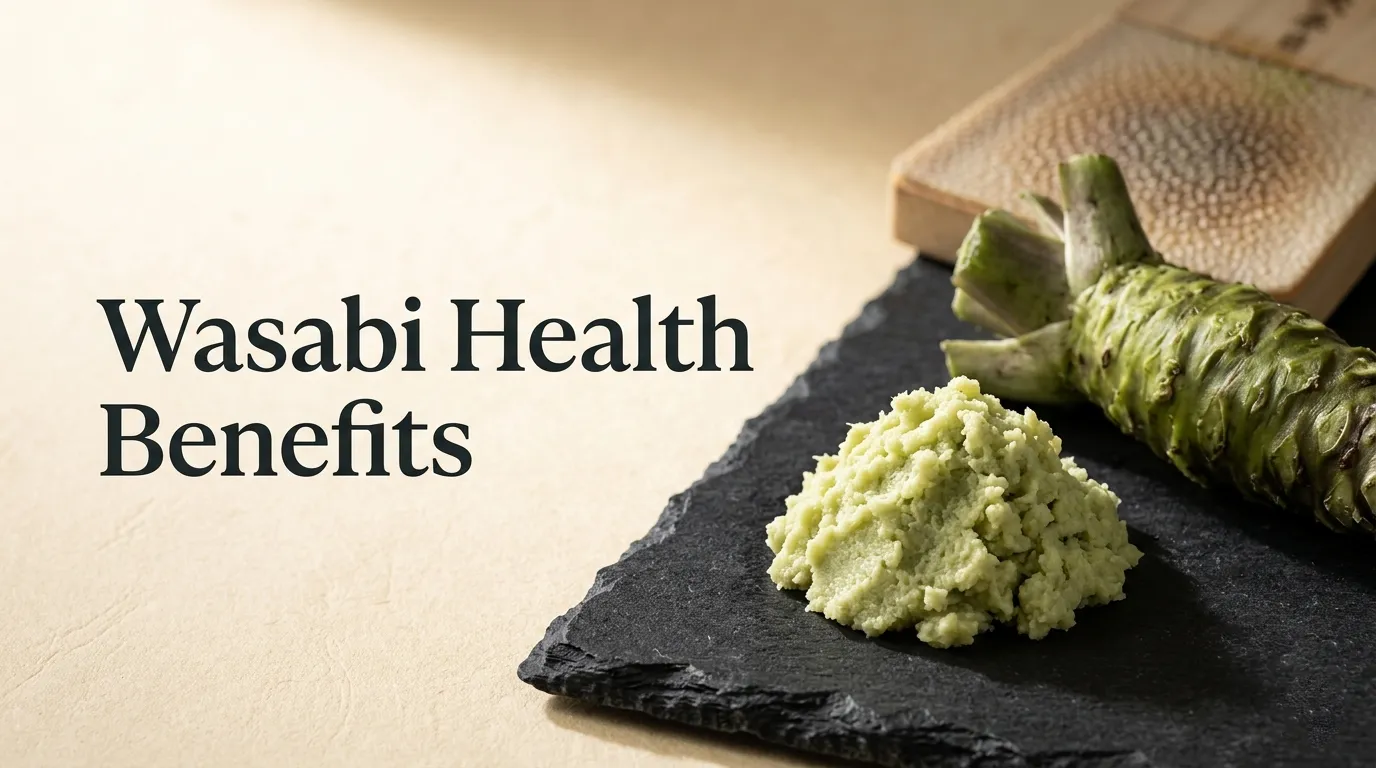
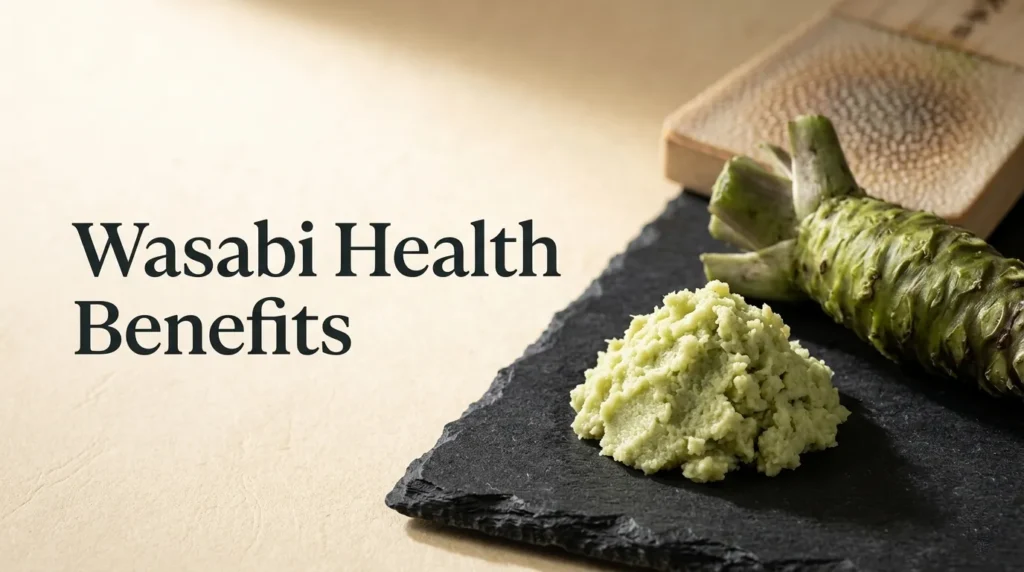
Real wasabi is grated fresh from a rhizome that looks like a small green knobby root. The paste has a slightly coarse, freshly grated texture and a pale green color. The heat is sharp but fades quickly, felt more in the nasal passages than on the tongue. Imitation paste is uniformly smooth, often bright green, and the horseradish heat lingers on the tongue. Real wasabi’s flavor is more complex and slightly vegetal.
Wasabi Antibacterial and Antimicrobial Properties
Wasabi exhibits antibacterial activity against multiple foodborne pathogens, including Helicobacter pylori, Staphylococcus aureus, Escherichia coli O157:H7, and Vibrio parahaemolyticus, through the action of isothiocyanates that disrupt bacterial cell membranes and interfere with bacterial enzyme systems. A 2022 study published in the Journal of Food Protection tested authentic wasabi extract against V. parahaemolyticus, a bacterium commonly associated with raw seafood, and found significant growth inhibition at concentrations achievable by consuming wasabi with sushi.
The mechanism behind wasabi’s antimicrobial effect is direct and biochemical. Isothiocyanates are electrophilic compounds, meaning they readily react with electron-rich molecules inside bacterial cells. When allyl isothiocyanate or 6-MSITC enters a bacterial cell, it binds to thiol groups on essential enzymes and structural proteins, effectively disabling them. It also disrupts the bacterial cell membrane integrity, causing leakage of cellular contents. This is not a subtle signaling effect. It is direct chemical disruption of bacterial function.
What makes this relevant to sushi specifically is the historical context. Wasabi was traditionally served with raw fish not just for flavor but because the isothiocyanates actively reduce the microbial load on the food. A 2018 study published in Frontiers in Microbiology demonstrated that wasabi extract reduced viable counts of Staphylococcus aureus on food surfaces by over 99% within 30 minutes of exposure at appropriate concentrations.
The limitation worth understanding is concentration. The amount of wasabi you typically eat with a piece of sushi may reduce surface bacteria somewhat, but it is not a substitute for proper food handling and refrigeration. The CDC and USDA food safety guidelines emphasize temperature control and source verification for raw fish safety. Wasabi provides an additional layer of antimicrobial activity that may reduce risk, but it does not eliminate it entirely.
For people concerned about H. pylori, a bacterium that colonizes the stomach and is linked to gastritis and gastric cancer risk, wasabi’s activity is particularly relevant. Several in vitro studies have demonstrated that wasabi isothiocyanates inhibit H. pylori growth, including strains resistant to standard antibiotics. Human intervention trials remain limited, which is a research gap that deserves honest acknowledgment.
Wasabi Anti-Inflammatory Mechanism
Wasabi reduces inflammation primarily through 6-MSITC-mediated suppression of the NF-κB signaling pathway and the COX-2 enzyme, two central drivers of the inflammatory response in human cells. A 2020 study published in the European Journal of Pharmacology demonstrated that 6-MSITC treatment reduced inflammatory cytokine production in human cell models by inhibiting NF-κB nuclear translocation, the step where the inflammatory signal reaches the DNA and triggers gene expression of pro-inflammatory proteins.
The NF-κB pathway is worth understanding because it explains why wasabi’s anti-inflammatory effect is different from taking ibuprofen. Ibuprofen inhibits COX enzymes directly and temporarily. 6-MSITC works upstream by preventing NF-κB from entering the cell nucleus and activating the genes that produce COX-2, TNF-alpha, interleukin-6, and other inflammatory mediators in the first place. It is more like turning down the volume knob on the inflammatory system rather than blocking a single downstream enzyme.
Cyclooxygenase-2 (COX-2) deserves specific mention because it is the enzyme that produces prostaglandins, which drive pain, swelling, and fever during inflammation. Multiple studies have confirmed that 6-MSITC downregulates COX-2 expression at the gene level. What researchers have observed is that when cells are pretreated with 6-MSITC and then exposed to inflammatory stimuli like lipopolysaccharide (a bacterial component that triggers immune response), they produce measurably less COX-2 protein than untreated cells.
Human data on wasabi’s anti-inflammatory effects in chronic conditions remains preliminary. Most research has been conducted in cell cultures and animal models. A small human trial published in 2022 in Nutrients examined biomarkers of inflammation in participants consuming wasabi extract daily for 8 weeks and found modest reductions in C-reactive protein, though the effect size was small and the study was not large enough to draw definitive conclusions. This is an area where research is genuinely still developing.
For people managing inflammatory conditions through diet, wasabi fits into the broader pattern of cruciferous vegetable consumption that the Academy of Nutrition and Dietetics recommends for their anti-inflammatory potential. Fresh wasabi provides isothiocyanates in addition to whatever other anti-inflammatory foods you include in your diet.
Key Takeaway: Wasabi’s anti-inflammatory effect works by reducing the inflammatory signal at the gene level rather than temporarily blocking a single enzyme, but human trials remain small and more research is needed.
Wasabi Anticancer Research Evidence
Wasabi anticancer research has demonstrated that 6-MSITC and other wasabi-derived isothiocyanates can inhibit cancer cell proliferation, induce apoptosis (programmed cell death) in certain cancer cell lines, and suppress tumor growth in animal models. A 2023 systematic review published in Nutrients analyzed over 40 studies on wasabi isothiocyanates and concluded that the preclinical evidence for anticancer activity is consistent and mechanistically plausible, though human clinical trials are notably absent. The evidence strength here is solid at the laboratory level but not yet validated in human cancer prevention trials.
The mechanisms researchers have identified are multiple and complementary. First, 6-MSITC activates Nrf2, which upregulates phase II detoxification enzymes that help eliminate potential carcinogens before they can damage DNA. Second, it induces apoptosis in cancer cells through mitochondrial pathway activation while showing less toxicity to normal cells, a selectivity that is therapeutically desirable. Third, it inhibits angiogenesis, the process by which tumors develop new blood vessels to feed their growth, as demonstrated in a 2019 study published in the Journal of Nutritional Biochemistry.
Here is the evidence quality breakdown as it stands in 2026:
Research Type | Evidence Available | Strength | What It Means
In vitro (cell culture) | Multiple studies, multiple cancer types | Consistent positive results | Wasabi compounds affect cancer cells in a dish
Animal models | Several studies, tumor reduction observed | Promising, dose-dependent | Works in living organisms at achievable doses
Human observational | Limited ecological data from Japan | Weak correlation | Regional consumption patterns, many confounders
Human clinical trials | Essentially none completed | No direct evidence | Cannot yet claim cancer prevention in humans
The specific cancer types most studied include gastric, colorectal, breast, and pancreatic cancer cell lines. A 2021 study in Oncology Reports found that 6-MSITC suppressed the growth of human gastric cancer cells at concentrations that left normal gastric epithelial cells relatively unaffected. This selectivity is one of the features that makes isothiocyanates interesting to cancer researchers.
What you should not take from this is that eating wasabi prevents cancer. That claim would be unsupported by human evidence. What the research genuinely suggests is that the isothiocyanates in wasabi interact with cellular pathways involved in cancer development in ways that are mechanistically coherent and consistently observed in preclinical models. The gap between “works in a petri dish” and “prevents cancer in humans when eaten with sushi” is enormous, and no amount of preclinical data closes that gap without human trials.
Wasabi Cognitive and Brain Health Benefits
Wasabi may support cognitive function and brain health through 6-MSITC’s ability to reduce neuroinflammation and oxidative stress in brain tissue, with a notable 2023 human study published in Nutrients finding that older adults who took wasabi extract daily for 12 weeks showed improvements in working memory and attention compared to a placebo group. This study was small, involving 72 participants aged 60 to 80, but it represents one of the few human cognitive trials on wasabi specifically.
The mechanism behind wasabi’s potential brain effects centers on the Nrf2 pathway once again, this time operating in brain cells. Neuroinflammation driven by overactive microglia, the brain’s resident immune cells, is increasingly recognized as a contributor to cognitive decline and neurodegenerative conditions. 6-MSITC crosses the blood-brain barrier, according to animal research published in the Journal of Agricultural and Food Chemistry in 2020, and once in brain tissue, it activates Nrf2 in neurons and glial cells, reducing the expression of inflammatory markers.
Another mechanism worth understanding involves the hippocampus, the brain region most associated with memory formation. In animal models of cognitive impairment, 6-MSITC treatment preserved hippocampal neuron density and reduced accumulation of markers associated with neurodegeneration. A 2022 study in Frontiers in Aging Neuroscience demonstrated that aged mice given 6-MSITC performed better on spatial memory tests than control mice, with corresponding reductions in hippocampal oxidative damage markers.
The 2023 human trial deserves a closer look because it is the best human data available. Participants received a standardized wasabi extract capsule containing 0.8 mg of 6-MSITC daily, not a dietary amount of wasabi paste. After 12 weeks, the wasabi group showed statistically significant improvements in episodic memory and processing speed compared to placebo. The effect sizes were modest, not dramatic. This is not a cure for cognitive decline. It is preliminary evidence that a specific wasabi compound at a specific dose produced a measurable cognitive benefit in a small older adult population.
What this means for you depends on your age and goals. For a healthy younger adult, there is no evidence that eating wasabi will improve your memory. For someone concerned about long-term cognitive health, the Nrf2-activating isothiocyanates from wasabi and other cruciferous vegetables represent a dietary pattern associated with lower cognitive decline risk, according to observational data the Academy of Nutrition and Dietetics acknowledges as promising but not conclusive.
Wasabi and Helicobacter Pylori Connection
Wasabi isothiocyanates, particularly 6-MSITC and allyl isothiocyanate, demonstrate direct bactericidal activity against Helicobacter pylori, the bacterium that colonizes the stomach lining and is classified by the World Health Organization as a Group 1 carcinogen for its causal role in gastric cancer. A 2019 study published in Evidence-Based Complementary and Alternative Medicine tested wasabi extract against multiple H. pylori strains, including antibiotic-resistant variants, and found significant growth inhibition at concentrations estimated to be achievable in the stomach after dietary consumption of fresh wasabi.
The biochemistry of this interaction is well characterized. H. pylori survives the acidic environment of the stomach by producing urease, an enzyme that breaks down urea into ammonia and creates a neutralizing microenvironment around the bacterium. Wasabi isothiocyanates inhibit urease activity directly by binding to cysteine residues in the enzyme’s active site. By disabling urease, wasabi compounds make H. pylori more vulnerable to stomach acid and reduce its ability to maintain colonization.
What separates H. pylori research from other wasabi health claims is the specificity of the epidemiological observations. Regions in Japan with historically high wasabi consumption have shown lower H. pylori infection rates and lower gastric cancer incidence in some ecological studies. Researchers in a 2020 paper published in the World Journal of Gastroenterology noted that these correlations persist after adjusting for other dietary factors, though ecological data cannot control for all potential confounders.
Here is the current state of the evidence on wasabi and H. pylori:
- In vitro studies consistently show wasabi isothiocyanates kill H. pylori, including antibiotic-resistant strains
- Animal studies demonstrate reduced H. pylori colonization with wasabi extract administration
- Human epidemiological observations show lower H. pylori prevalence in populations with higher wasabi consumption
- Human intervention trials testing whether wasabi consumption can eradicate existing H. pylori infection are extremely limited
A gastroenterologist would tell you that if you have a confirmed H. pylori infection, the standard of care is antibiotic triple or quadruple therapy, not dietary wasabi. Wasabi is not a replacement for prescribed treatment. Where it may be relevant is in dietary patterns for people at elevated risk or those concerned about reinfection after treatment, but even this application lacks robust human trial support.
If you are concerned about H. pylori, ask your primary care physician about a urea breath test or stool antigen test for diagnosis. A gastroenterologist can discuss treatment options if infection is confirmed.
Wasabi for Food Safety and Foodborne Illness Prevention
Wasabi isothiocyanates have demonstrated the ability to reduce viable counts of common foodborne pathogens on food surfaces, and this antimicrobial action provides a measurable food safety benefit when fresh wasabi is consumed with raw fish or other foods at elevated risk for bacterial contamination. A 2021 study published in the Journal of Food Protection quantified that wasabi extract at 2 percent concentration reduced Salmonella enterica populations on food surfaces by over 2 log units (99 percent reduction) within 60 minutes.
The practical mechanism here is different from wasabi’s internal health effects. When you eat wasabi with sushi, the isothiocyanates contact the surface of the raw fish in your mouth and during the chewing process. Any bacteria present on the food surface encounter these compounds directly. The volatile allyl isothiocyanate component is particularly effective because it penetrates bacterial biofilms and disrupts quorum sensing, the chemical communication system bacteria use to coordinate colony behavior.
CDC data consistently identifies raw or undercooked seafood as a significant source of foodborne illness in the United States, with Vibrio species, Salmonella, and Listeria among the pathogens of concern. The USDA Food Safety and Inspection Service emphasizes that no condiment replaces proper refrigeration, handling, and sourcing of seafood. Wasabi adds an incremental antimicrobial effect that may reduce risk somewhat, but it is not a food safety guarantee.
Here is what wasabi can and cannot do for food safety in practical terms:
What wasabi can reasonably do: Reduce surface bacterial load on food during consumption, inhibit some pathogens from establishing in the oral cavity and upper GI tract, and provide an additional antimicrobial barrier beyond what proper food handling already achieves.
What wasabi cannot do: Make spoiled or temperature-abused fish safe to eat, eliminate parasites that may be present in raw fish, replace proper refrigeration and sourcing standards, or guarantee food safety for immunocompromised individuals eating raw seafood.
If you are immunocompromised, pregnant, elderly, or have young children, the CDC and FDA advise against consuming raw or undercooked seafood regardless of wasabi consumption. This is not a wasabi limitation. It is a raw seafood safety limitation that no condiment overcomes.
Key Takeaway: Wasabi provides real but partial antimicrobial action on food surfaces. It reduces risk incrementally. It does not eliminate it. Proper food sourcing and handling remain the primary food safety controls.
Wasabi Sinus and Respiratory Effects
Wasabi stimulates the TRPA1 ion channels in your nasal passages and upper airways, creating the characteristic sharp sensation that clears sinuses and increases mucus clearance temporarily. This effect is driven primarily by allyl isothiocyanate rather than 6-MSITC, which means even imitation wasabi made from horseradish produces a similar sinus-clearing response. The mechanism is sensory nerve activation, not a direct antimicrobial or anti-inflammatory effect in the sinuses themselves.
TRPA1 is a fascinating receptor worth understanding briefly. It is an ion channel found on sensory nerve endings throughout your airways. When allyl isothiocyanate molecules bind to TRPA1, the channel opens, allowing calcium ions to flow into the nerve cell. This generates an electrical signal your brain interprets as the sharp, pungent sensation of wasabi. The same nerve activation triggers a reflex increase in mucus secretion and ciliary beating, which physically moves mucus out of your sinuses.
The relief you feel after eating wasabi when you are congested is real but temporary. The increased mucus clearance can help drain congested sinuses for 15 to 30 minutes after consumption. This is why wasabi is sometimes described as a decongestant, though it works through nerve stimulation rather than blood vessel constriction like pseudoephedrine. It is a physical clearance mechanism, not a pharmacological one.
For people with chronic sinusitis or allergic rhinitis, wasabi is not a treatment. The temporary clearance may provide brief comfort, but it does not address the underlying inflammation, infection, or allergic response causing the congestion. An otolaryngologist would have substantially more effective interventions to offer for chronic sinus conditions.
One safety note worth mentioning is that the TRPA1 activation from wasabi can trigger coughing, tearing, and in sensitive individuals, bronchospasm. If you have asthma or reactive airway disease, approach wasabi cautiously, especially in concentrated forms. The sensory nerve response that clears sinuses can also constrict airways in susceptible people.
Wasabi Side Effects and Safety Considerations
Wasabi consumed in typical dietary amounts as a condiment is generally safe for most people, but concentrated wasabi, large quantities of fresh rhizome, and wasabi supplements can cause gastrointestinal irritation, allergic reactions in sensitive individuals, and in rare cases, respiratory distress. According to the NIH National Center for Complementary and Integrative Health, botanical supplements, including wasabi extracts, can have pharmacological effects and should be treated as bioactive compounds, not inert food additives.
The most common side effects from eating too much wasabi in one sitting include burning sensations in the mouth and nasal passages, stomach discomfort, nausea, and in some cases, diarrhea. These effects are caused by the same isothiocyanates that produce the health benefits. The dose genuinely makes the difference between a beneficial compound and an irritant. A teaspoon of fresh wasabi is a condiment. Several tablespoons consumed rapidly can be a mucosal irritant.
Allergic reactions to wasabi are uncommon but documented. Cross-reactivity with horseradish and mustard is the primary concern. If you have a known allergy to horseradish, mustard, or other Brassica family plants, approach wasabi with caution. Symptoms of an allergic reaction can include oral itching, swelling of the lips or tongue, hives, and in rare cases, anaphylaxis. An allergist can perform specific testing if you suspect a wasabi or horseradish allergy.
Here are the specific groups who should exercise caution with wasabi or wasabi supplements:
- Individuals with known horseradish or mustard allergy (cross-reactivity risk)
- People with active gastritis or gastric ulcers (isothiocyanates can irritate exposed tissue)
- Those with gastroesophageal reflux disease (GERD), as wasabi may relax the lower esophageal sphincter
- Pregnant or breastfeeding individuals considering wasabi supplements (safety data on concentrated wasabi extracts during pregnancy is insufficient)
- People with asthma or reactive airway disease (TRPA1 activation can trigger bronchospasm)
- Individuals taking anticoagulant or antiplatelet medications (theoretical interaction through vitamin K content in Brassica vegetables, though wasabi amounts are small)
If you are considering wasabi supplements specifically, discuss it with your primary care physician or a registered dietitian nutritionist who can review your full medication list and health history. Supplements concentrate the same compounds that produce benefit at food doses and can produce harm at higher doses.
How Much Real Wasabi to Eat for Health Benefits
There is no established daily intake recommendation for wasabi from any major health organization, and human studies that have shown benefits have used highly variable amounts, from approximately 5 to 10 grams of fresh wasabi rhizome (1 to 2 teaspoons grated) to standardized extract doses of 0.8 mg of 6-MSITC daily. The most honest answer is that researchers do not yet know the optimal dose for any specific health outcome, and the range used in studies provides a reasonable starting point for dietary consumption if you can access authentic wasabi.
The 2023 cognitive health trial that showed memory improvements in older adults used a wasabi extract supplement delivering 0.8 mg of 6-MSITC per day, which the researchers estimated was roughly equivalent to 3 to 5 grams of fresh authentic wasabi rhizome. Antibacterial studies have used concentrations ranging from 0.1 percent to 10 percent wasabi extract, making direct dietary translation difficult. Anti-inflammatory effects have been observed in animal studies at doses that would translate to roughly 5 to 15 grams of fresh wasabi daily for an adult human, though this extrapolation is imprecise.
Here is a practical guide based on what research suggests rather than what it proves:
Goal | Approximate Amount | Form | Frequency
General dietary inclusion | 2-5g (1/2 to 1 tsp) | Fresh grated rhizome | With meals as desired
Cognitive support (based on 2023 trial) | Extract delivering 0.8 mg 6-MSITC | Standardized supplement | Daily
Antimicrobial with raw fish | 3-5g (1 tsp) | Fresh grated | With sushi/sashimi meals
Anti-inflammatory diet inclusion | 5-10g (1-2 tsp) | Fresh grated | Several times weekly
These are not medical recommendations. They are translations of research protocols into dietary context for people who want to understand what “eating wasabi for health” actually means in measurable terms.
Real wasabi rhizome degrades quickly once grated. Grate only what you will consume within 15 to 20 minutes. Store the whole rhizome wrapped in a damp paper towel in your refrigerator, where it can last 2 to 3 weeks if kept cool and humid. The volatile isothiocyanates are the entire point, and they do not wait for you.
Key Takeaway: One teaspoon of fresh-grated authentic wasabi several times per week aligns with the amounts used in most human studies showing benefit. Supplements should specify 6-MSITC content, not just “wasabi powder.”
Wasabi Supplement Forms and What to Know
Wasabi supplements are available primarily as dried rhizome powder in capsules, standardized extracts specifying 6-MSITC content, and wasabi leaf extracts, with significant variation in quality, standardization, and bioactive compound retention across products. According to the NIH Office of Dietary Supplements, botanical supplements in the United States are not required to prove efficacy before marketing, and independent verification of label claims is the consumer’s responsibility.
The fundamental challenge with wasabi supplements is that the bioactive isothiocyanates are volatile and degrade when exposed to heat, oxygen, and time. Drying wasabi rhizome using conventional high-temperature methods destroys the myrosinase enzyme and evaporates much of the isothiocyanate content. What remains in a standard wasabi powder capsule may be mostly fiber and trace minerals with minimal bioactive compound activity.
Here is what to look for if you are considering a wasabi supplement:
What matters on the label: Look for standardization to a specific 6-MSITC content, ideally 0.8 mg or more per capsule. A supplement that simply lists “wasabi powder 500 mg” without any standardization tells you nothing about bioactive compound content. The processing method matters enormously. Freeze-dried or low-temperature dried (below 40 degrees Celsius) wasabi retains more myrosinase activity and glucosinolate content than spray-dried or high-heat processed powder.
Third-party verification reduces but does not eliminate the risk that the product does not contain what the label claims. Organizations like USP, NSF International, and ConsumerLab test dietary supplements for identity, purity, and potency. Look for their verification seals on wasabi supplements, though availability of third-party tested wasabi products specifically is limited in the current market.
The form you choose depends on your goal. Whole wasabi rhizome, freshly grated, is the gold standard for getting the full spectrum of volatile isothiocyanates as they naturally occur, but it is expensive and perishable. Freeze-dried wasabi powder retains more activity than conventional dried powder but still loses some volatile compounds during storage. Standardized extract capsules offer convenience and dosing consistency but involve processing that inevitably alters the compound profile compared to fresh rhizome.
A registered dietitian nutritionist can help you evaluate whether a specific wasabi supplement fits into your overall dietary pattern and whether the cost is justified given the limitations of the evidence base for wasabi supplementation specifically.
Frequently Asked Questions About Wasabi Health Benefits
Is real wasabi actually healthy or is that just marketing?
Real wasabi contains bioactive isothiocyanates, primarily 6-MSITC, that have demonstrated anti-inflammatory, antimicrobial, and potential cognitive benefits in laboratory and preliminary human studies.
The health claims are supported by genuine mechanistic research and some human trials, not just marketing.
The catch is that most people have never eaten real wasabi. The green paste served at restaurants is horseradish-based and does not contain the compound most studied for health effects.
What is the difference between real wasabi and the paste at sushi restaurants?
Real wasabi is freshly grated from the Wasabia japonica rhizome and contains 6-MSITC, a unique isothiocyanate linked to its studied health benefits.
The paste at most sushi restaurants is made from horseradish powder, mustard flour, cornstarch, and green food coloring.
It contains allyl isothiocyanate from horseradish, which has some antimicrobial properties, but it lacks 6-MSITC entirely.
Can wasabi really kill bacteria on raw fish?
Wasabi isothiocyanates can reduce bacterial load on food surfaces, with studies showing significant reductions in common foodborne pathogens like Vibrio and Salmonella.
This antimicrobial action is real and measurable in laboratory conditions.
It does not make unsafe fish safe to eat and does not replace proper refrigeration and sourcing, which remain the primary food safety measures for raw seafood.
Does wasabi help with brain function and memory?
A 2023 human study found that older adults taking wasabi extract with 0.8 mg of 6-MSITC daily for 12 weeks showed improvements in working memory and processing speed compared to placebo.
The mechanism involves reduced neuroinflammation and oxidative stress in brain tissue.
This is preliminary evidence from one small trial and is not a proven cognitive treatment or prevention strategy.
How much wasabi should I eat per day for health benefits?
There is no established daily intake recommendation, but studies showing benefits have used amounts roughly equivalent to 3 to 10 grams of fresh wasabi rhizome or 0.8 mg of standardized 6-MSITC extract.
One teaspoon of fresh-grated authentic wasabi several times weekly falls within the range used in most human studies.
Supplements should specify 6-MSITC content on the label, not just “wasabi powder.”
Are wasabi supplements worth taking?
Wasabi supplements vary widely in quality, and many dried wasabi powders have minimal bioactive compound retention because isothiocyanates are volatile and degrade during high-heat processing.
A supplement standardized to specific 6-MSITC content with third-party verification is more reliable than generic wasabi powder.
For most people, consuming fresh cruciferous vegetables regularly provides more established health benefits at lower cost than wasabi supplements.
Closing
Real wasabi is one of the more genuinely interesting foods in the health conversation because its bioactive compounds are well characterized, its mechanisms are understood at the molecular level, and its most unique compound, 6-MSITC, is not available from other foods. The problem is that almost nobody is eating it. What you get at the sushi counter is horseradish with food coloring, and that product has none of the compound the research is actually about.
If you want the benefits the science describes, you need to find authentic wasabi rhizome, grate it fresh, and eat it within minutes. It is expensive and perishable. For most people, regularly eating broccoli, kale, and other cruciferous vegetables will provide a broader base of evidence-supported health benefits at a fraction of the cost and effort. Wasabi is an addition to that pattern, not a replacement for it.
Check your labels. If the ingredient list says horseradish, mustard, and food coloring, you are not getting wasabi health benefits. If it is fresh rhizome you grate yourself, you are getting something genuinely distinct from anything else on your plate.