
Avocado Seed Health Benefits 2026: Evidence, Safety, and Research Review
Avocado seeds contain bioactive compounds including procyanidins, catechins, and chlorogenic acid that demonstrate antioxidant and anti-inflammatory activity in laboratory studies, but human clinical trials remain nearly nonexistent. Most claims about avocado seed health benefits come from in vitro research or animal studies, and you should weigh the modest evidence base against documented safety concerns including oxalate content and cyanogenic glycoside presence before deciding to consume them.
One 2021 study published in the Journal of Agricultural and Food Chemistry identified over 80 polyphenolic compounds in avocado seed extract, a number that rivals many well-established medicinal plants. That sounds impressive until you realize almost none of those compounds have been tracked through human digestion to see how many actually reach your bloodstream in active form.
This article walks through every major health benefit claim made about avocado seeds and rates the evidence behind each one. You will learn which benefits have genuine research support, which are speculative extrapolation from laboratory data, what specific compounds drive each potential effect, the safety risks that get glossed over in most wellness content, and a step-by-step safe preparation guide if you decide the potential benefits outweigh the documented risks.
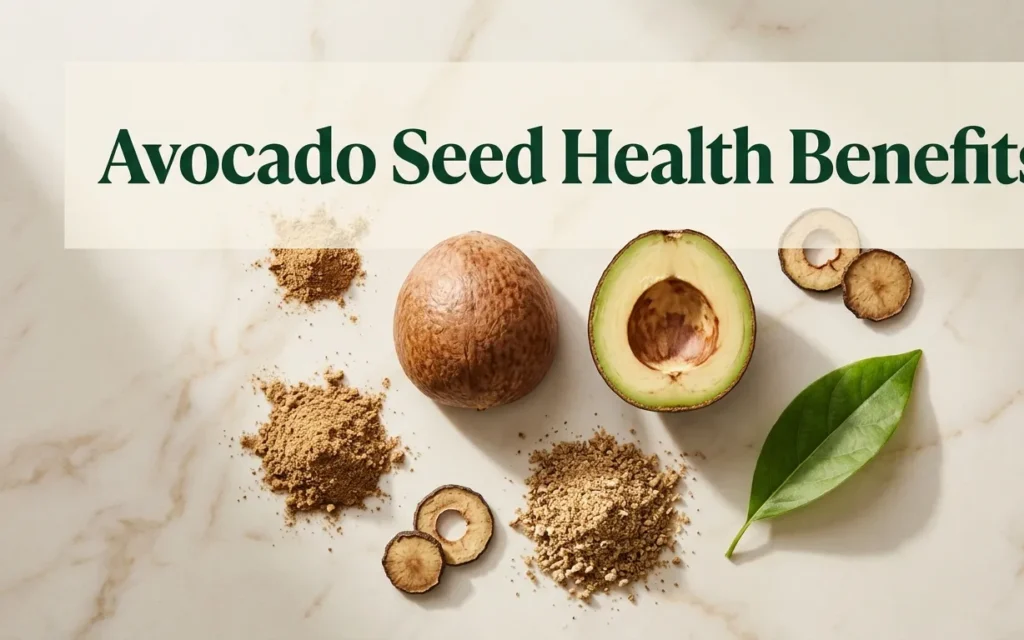
Avocado Seed Health Benefits
Avocado seed health benefits documented in scientific literature fall primarily into the categories of antioxidant activity, anti-inflammatory effects, blood sugar modulation, cholesterol improvement, and antimicrobial properties, but every single category relies heavily on laboratory and animal research with human evidence remaining minimal as of 2026.
The gap between what laboratory studies demonstrate and what human bodies actually experience is the single most important concept to understand about avocado seed research. A compound that neutralizes free radicals in a test tube (the DPPH assay, for example) may never survive digestion, cross the intestinal barrier, and reach target tissues in concentrations that matter. The research community has not yet bridged that gap for avocado seeds.
Here is a concise evidence quality breakdown for the major avocado seed health benefit claims:
| Claimed Benefit | Best Available Evidence | Evidence Quality Rating | Human Studies? |
|---|---|---|---|
| Antioxidant activity | In vitro assays (DPPH, FRAP, ORAC) | Laboratory confirmed, human relevance unknown | None |
| Anti-inflammatory | Animal studies showing reduced inflammatory markers | Preliminary animal data | None |
| Blood sugar reduction | Animal studies showing improved glucose tolerance | Preliminary animal data | None |
| Cholesterol improvement | Animal studies showing lipid profile changes | Preliminary animal data | None |
| Antimicrobial effects | In vitro studies against specific bacteria and fungi | Laboratory confirmed, human relevance unknown | None |
| Digestive health from fiber | Well-established fiber benefit (generalized from known fiber effects) | Indirect evidence, not avocado seed specific | None direct |
| Weight management | Extrapolated from fiber and blood sugar animal data | Speculative | None |
The Academy of Nutrition and Dietetics has not issued any position statement recommending avocado seed consumption. The Dietary Guidelines for Americans 2020-2025 makes no mention of avocado seeds. Every benefit claim you see online comes from either laboratory assays or animal research that has not been replicated in human clinical trials.
Avocado Seed Nutrition Facts and Bioactive Compounds
Avocado seeds consist of approximately 60 to 70 percent carbohydrates by dry weight, with most of that coming from fiber, while also containing a concentrated profile of polyphenolic compounds including procyanidins, catechins, chlorogenic acid, quercetin, and the avocado-specific compounds perseorin and persenone.
The fiber fraction includes both soluble and insoluble fiber, with insoluble fiber representing the larger proportion. A 2019 analysis published in Plant Foods for Human Nutrition found that avocado seed fiber demonstrates a high water-holding capacity and oil-holding capacity, properties that influence how the material behaves in the digestive tract and during food processing.
The bioactive compounds in avocado seeds break down into several families:
| Bioactive Compound Class | Specific Named Compounds | Documented In Vitro Activity |
|---|---|---|
| Proanthocyanidins (condensed tannins) | Procyanidins B1, B2, and various oligomers | Radical scavenging, enzyme inhibition |
| Flavan-3-ols | Catechin, epicatechin | Antioxidant, metal chelation |
| Phenolic acids | Chlorogenic acid, caffeic acid, ferulic acid | Antioxidant, potential glucose metabolism effects |
| Flavonols | Quercetin, kaempferol | COX-2 inhibition, antioxidant |
| Acetogenins | Perseorin, persenone | Antimicrobial, anti-inflammatory (preliminary) |
The polyphenol concentration in avocado seeds is notably high compared to the avocado flesh. A 2019 study published in Molecules found that avocado seed extract contained approximately 70 percent more total phenolic content than the corresponding avocado flesh from the same fruit. This concentration difference drives most of the interest in consuming the seed rather than discarding it.
The nutritional limitation is that avocado seeds do not contain meaningful amounts of the healthy monounsaturated fats that make avocado flesh nutritionally valuable. The seed is structurally designed to store starch as energy for the germinating plant, not to store oil. You are getting a completely different nutritional product when you choose the seed over the flesh.
Avocado Seed Antioxidant Capacity and Polyphenol Profile
Avocado seed extracts demonstrate high antioxidant capacity in standard laboratory assays including DPPH radical scavenging, FRAP (Ferric Reducing Antioxidant Power), and ORAC (Oxygen Radical Absorbance Capacity) testing, but these measurements reflect chemical reactivity in a test tube rather than proven antioxidant function inside the human body.
The three common antioxidant assays used in avocado seed research each measure different aspects of antioxidant potential, and none of them account for digestion, absorption, metabolism, or tissue distribution:
| Antioxidant Assay | What It Measures | Avocado Seed Performance | Limitation |
|---|---|---|---|
| DPPH | Ability to neutralize a stable synthetic free radical | High scavenging activity comparable to vitamin C in some studies | Synthetic radical not found in human biology |
| FRAP | Ability to reduce ferric iron to ferrous iron | Strong reducing capacity | Measures chemical reductants, not physiological antioxidant function |
| ORAC | Protection of a fluorescent probe from oxidative damage | High values reported in multiple studies | USDA removed ORAC database in 2012 citing lack of in vivo relevance |
The USDA removed its ORAC database over a decade ago specifically because research showed that high ORAC values in a test tube do not reliably translate to antioxidant activity inside living organisms. This is the central limitation of every avocado seed antioxidant claim you will read.
The specific polyphenols responsible for the antioxidant assay results are well-characterized. According to a 2020 study in the Journal of Agricultural and Food Chemistry, the dominant antioxidant compounds in avocado seed include procyanidin B2, epicatechin, and chlorogenic acid. These same compounds appear in green tea, cocoa, and coffee respectively, foods that do have human clinical data supporting their antioxidant effects.
The question is not whether avocado seed compounds can neutralize free radicals in a test tube. They can. The question is whether consuming avocado seed powder produces the same antioxidant protection in your liver cells, your arterial walls, and your neural tissue that green tea polyphenols have demonstrated in human studies. As of 2026, that question remains unanswered.
Key Takeaway: Avocado seeds contain genuinely potent antioxidant compounds, but the entire evidence base for human benefit is laboratory chemistry, not human biology. The same antioxidant polyphenols found in avocado seeds already exist in green tea, cocoa, and coffee with actual human outcome data behind them. Choose proven sources first.
Avocado Seed Fiber Content and Digestive Effects
Avocado seed dry matter contains approximately 60 to 70 percent total dietary fiber, predominantly insoluble fiber with a smaller soluble fiber fraction, meaning a 5-gram serving of dried avocado seed powder could contribute roughly 3 to 3.5 grams of fiber to your daily intake.
Dietary fiber from any source contributes to digestive regularity, stool bulk, and fermentation substrate for colonic bacteria. The Dietary Guidelines for Americans 2020-2025 recommend 25 grams of fiber daily for adult women and 38 grams for adult men. Most American adults consume roughly half that amount, so additional fiber sources have genuine public health relevance.
The fiber composition of avocado seed breaks down differently than avocado flesh:
| Fiber Type | Function in Digestion | Avocado Seed Contribution | Avocado Flesh Contribution |
|---|---|---|---|
| Insoluble fiber | Increases stool bulk, accelerates transit time | Major fraction (estimated 50-60% of dry weight) | Moderate (primarily from cell walls) |
| Soluble fiber | Forms gel, fermented by gut bacteria, produces short-chain fatty acids | Minor fraction (estimated 10-15% of dry weight) | Higher proportion than seed |
| Lignin | Non-fermentable structural fiber | Present in seed coat fragments | Minimal |
The high insoluble fiber content means avocado seed powder will increase stool bulk and may accelerate gastrointestinal transit time. For some people, that translates to improved regularity. For others, especially those with irritable bowel syndrome or slow-transit constipation, adding a large amount of insoluble fiber without adequate water intake can worsen symptoms rather than improve them.
A 2018 study published in Plant Foods for Human Nutrition noted that avocado seed fiber exhibits high water-binding capacity, absorbing several times its weight in water. If you consume dried avocado seed powder without drinking additional fluids, the fiber can form a dense mass in the digestive tract that causes discomfort rather than promoting regularity. Any fiber supplement requires adequate hydration, and avocado seed powder is no exception.
Avocado Seed Anti-Inflammatory Mechanisms
Laboratory research suggests avocado seed extracts inhibit inflammatory pathways including the COX-2 enzyme and the NF-kB transcription factor, two central regulators of the inflammatory response, but this evidence comes entirely from cell culture and animal studies with no human inflammatory biomarker data available as of 2026.
The mechanism appears to work through polyphenol-mediated enzyme inhibition. Compounds including catechin, epicatechin, and chlorogenic acid have been shown in isolated cell studies to reduce the expression of pro-inflammatory cytokines including interleukin-6 (IL-6) and tumor necrosis factor-alpha (TNF-alpha). These same compounds also inhibit COX-2, the enzyme targeted by non-steroidal anti-inflammatory drugs like ibuprofen, though the potency is orders of magnitude lower than pharmaceutical COX-2 inhibitors.
A 2019 study published in Food Chemistry found that avocado seed extract reduced paw edema in rats by approximately 40 to 50 percent in an experimental inflammation model. That sounds meaningful until you consider that many plant extracts show similar anti-inflammatory activity in rodent paw edema tests and very few translate that effect into human clinical benefit.
The anti-inflammatory evidence summary:
Current evidence includes in vitro enzyme inhibition assays showing COX-2 and NF-kB pathway effects.
Animal studies show reduced inflammatory markers and paw edema in rodents given avocado seed extract.
No human study has measured changes in C-reactive protein, erythrocyte sedimentation rate, or any other clinical inflammatory biomarker following avocado seed consumption.
The doses used in animal studies, converted to human equivalent doses, would require consuming roughly 10 to 20 grams of avocado seed powder daily, far exceeding any conservative intake recommendation.
The compounds in avocado seeds that inhibit inflammatory pathways in a test tube also exist in turmeric, ginger, green tea, and fatty fish. Those foods have human clinical trial data supporting their anti-inflammatory effects. Avocado seeds do not.
Avocado Seed Blood Sugar and Insulin Response
Animal studies suggest that avocado seed extract may lower postprandial blood glucose and improve insulin sensitivity in diabetic rodent models, but zero human studies have tested whether avocado seed consumption produces clinically meaningful blood sugar changes in people with type 2 diabetes, prediabetes, or normal glucose tolerance.
The proposed mechanism involves multiple pathways. Polyphenols in avocado seed, particularly chlorogenic acid and procyanidins, have been shown in laboratory settings to inhibit alpha-amylase and alpha-glucosidase, enzymes that break down complex carbohydrates into absorbable simple sugars. Slowing carbohydrate digestion reduces the rate of glucose absorption, which flattens the post-meal blood sugar curve.
A 2020 study published in the Journal of Ethnopharmacology found that avocado seed extract administered to diabetic rats for 28 days reduced fasting blood glucose by approximately 30 percent compared to untreated controls. The same study reported increased insulin sensitivity in treated animals. These are genuinely interesting results that justify further research. They are not a basis for recommending avocado seed as a human diabetes intervention.
The gap between animal diabetes models and human diabetes management is enormous. Rodent diabetes research uses chemically induced or genetically modified animals that imperfectly model human type 2 diabetes. Hundreds of plant extracts show glucose-lowering effects in these models. Very few demonstrate clinically meaningful effects in human trials.
For people with diagnosed diabetes or prediabetes, the standard of care includes medications prescribed by an endocrinologist or primary care physician, dietary patterns with established evidence (Mediterranean, DASH), and regular blood glucose monitoring. Adding avocado seed powder to that regimen introduces an untested variable with unknown interactions. Anyone considering avocado seed for blood sugar management should discuss it with the endocrinologist or certified diabetes care and education specialist managing their treatment before introducing an unstudied supplement.
Key Takeaway: Avocado seed extract shows promising blood sugar effects in diabetic rats, but rodent data is not human data. The same alpha-amylase and alpha-glucosidase inhibition mechanism is shared by many plant compounds. If blood sugar management is your goal, use dietary strategies and medications with actual human evidence behind them.
Avocado Seed Cholesterol and Lipid Metabolism
Animal research indicates that avocado seed extract may reduce total cholesterol and LDL cholesterol while increasing HDL cholesterol in rodents fed high-fat diets, but as of 2026, not a single published human study has tested whether avocado seed consumption changes the human lipid profile in any measurable way.
The lipid effects observed in animal studies appear to involve multiple mechanisms. Avocado seed polyphenols may reduce cholesterol absorption in the intestine by binding to bile acids. They may also reduce hepatic cholesterol synthesis by inhibiting HMG-CoA reductase, the same enzyme targeted by statin medications, though the inhibition is dramatically weaker than pharmaceutical statins.
A 2019 study published in Evidence-Based Complementary and Alternative Medicine found that rats fed a high-cholesterol diet supplemented with avocado seed powder for 8 weeks showed roughly 25 percent lower total cholesterol and 30 percent lower LDL cholesterol compared to rats fed the high-cholesterol diet alone. The avocado seed group also maintained higher HDL cholesterol levels.
The mechanism plausibility is reasonable. Polyphenol-mediated cholesterol reduction has been demonstrated in human trials for other polyphenol-rich foods including green tea, cocoa, and extra virgin olive oil. The question is not whether the mechanism is biologically possible. The question is whether avocado seed polyphenols are absorbed well enough and present in the right tissues at sufficient concentrations to replicate the effect in humans.
For anyone with diagnosed hyperlipidemia, established interventions with human outcome data include the Mediterranean diet pattern, soluble fiber from oats and legumes, omega-3 fatty acids from fatty fish, and prescription statin therapy where indicated by a physician. Avocado seed powder should not replace any of these interventions. A registered dietitian can help construct an evidence-based dietary approach to lipid management without relying on untested supplements.
Avocado Seed Antimicrobial and Immune Properties
Avocado seed extracts demonstrate antimicrobial activity against specific bacteria and fungi in laboratory studies, with documented effects against Staphylococcus aureus, Escherichia coli, Candida albicans, and several other pathogenic organisms, but this antimicrobial activity has only been confirmed in cell culture dishes and does not yet represent a proven human infection treatment or prevention strategy.
The antimicrobial compounds in avocado seed include the acetogenins perseorin and persenone, along with various polyphenols that disrupt bacterial cell membranes and interfere with microbial enzyme systems. A 2021 study in Molecules documented that avocado seed ethanolic extract inhibited the growth of S. aureus at concentrations comparable to some plant-derived antimicrobial preparations.
The problem with translating in vitro antimicrobial data to human use is the concentration gap. The antimicrobial compounds in avocado seed reach effective concentrations against bacteria in a petri dish. Whether they reach those same concentrations in human tissue, in the bloodstream, or on mucosal surfaces after oral consumption and digestion is entirely unknown.
Immune function claims for avocado seeds are even more tenuous. The chain of reasoning typically goes: antioxidants protect immune cells from oxidative damage, avocado seeds contain antioxidants, therefore avocado seeds support immune function. That logic chain requires multiple unproven assumptions. You could make the same argument about any polyphenol-containing plant food, and most of those foods have better safety data and equivalent or superior evidence behind them.
The antimicrobial research is scientifically interesting. It may eventually lead to avocado seed-derived preservatives, topical preparations, or pharmaceutical leads. It does not currently support consuming avocado seeds to prevent or treat any human infection.
Avocado Seed Extract vs Whole Seed Nutritional Differences
Avocado seed extract concentrates specific bioactive compounds including polyphenols and flavonoids through solvent extraction processes that selectively remove fiber and other structural components, creating a product with amplified antioxidant capacity in laboratory assays but with unknown effects on human absorption and potential safety concerns related to concentrated plant compounds.
Whole avocado seed powder contains the complete fiber matrix, all polyphenols in their naturally occurring proportions, and the structural components including lignified cell walls. Extract, depending on the extraction solvent used, typically concentrates the polyphenol fraction while leaving behind fiber, minerals, and larger molecular-weight compounds.
The practical differences between the two forms:
| Characteristic | Whole Seed Powder | Extract (Ethanol or Water) |
|---|---|---|
| Fiber content | High (60-70% dry weight) | Minimal to none |
| Polyphenol concentration | Natural proportion | Concentrated 2x to 10x |
| Preparation method | Dried, ground whole seed | Solvent extraction, filtration, drying |
| Antioxidant assay results | Lower per gram | Higher per gram |
| Safety data | Limited, from whole food context | Even more limited, from concentrated context |
| Digestive effects | High fiber, may cause GI distress | Lower fiber, but concentrated phytochemicals |
| Likely daily dose range | 1 to 5 grams studied | 100 to 500 mg studied |
Extract offers higher polyphenol concentration, which researchers value for studying mechanisms. For consumption purposes, the concentrated nature of extract introduces additional uncertainty. Phytochemicals that are benign when consumed as part of a whole food matrix can produce different effects when concentrated. The Academy of Nutrition and Dietetics generally recommends consuming whole foods rather than extracts when safety data is limited.
If you decide to consume avocado seed, whole powder processed correctly offers the most conservative approach. Extract concentrates both the potentially beneficial compounds and the compounds of unknown safety in proportions nature did not intend.
Key Takeaway: Avocado seed extract concentrates polyphenols at the cost of removing fiber and amplifying unknown variables. Whole seed powder preserves the natural compound ratio. Both lack human safety data. Between the two options, whole powder processed properly carries fewer unknowns than concentrated extract.
Avocado Seed Safety and Known Toxicity Risks
Avocado seeds contain cyanogenic glycosides that can release hydrogen cyanide when metabolized, oxalates that contribute to calcium oxalate kidney stone formation in susceptible individuals, and tannins that can bind minerals and cause gastrointestinal irritation, making the safety profile of avocado seeds meaningfully different from the well-established safety of avocado flesh.
Cyanogenic glycosides are the most concerning compound class. These compounds exist in many plant seeds (apple seeds, cherry pits, apricot kernels) as a natural defense mechanism. When the seed tissue is damaged during chewing or grinding, enzymes release hydrogen cyanide from the glycoside. The human body can detoxify small amounts of cyanide through the rhodanese enzyme system, which converts cyanide to thiocyanate for urinary excretion. Exceeding that detoxification capacity causes cyanide toxicity with symptoms including headache, nausea, confusion, and respiratory distress.
The exact cyanogenic glycoside content of avocado seeds has been quantified in multiple studies:
A 2018 analysis in Food Chemistry found cyanogenic glycoside concentrations in avocado seeds ranging from 0.3 to 1.2 mg per gram of dry weight, varying by variety and growing conditions. For context, the European Food Safety Authority identifies 20 micrograms of cyanide per kilogram of body weight as a single-dose safety threshold. For a 70-kilogram (154-pound) adult, that threshold sits at 1.4 milligrams of cyanide. Depending on the avocado seed variety and the degree of processing, a 5-gram serving of improperly prepared powder could theoretically approach or exceed that threshold.
Heat processing matters enormously. Boiling avocado seeds for 30 minutes reduced cyanogenic glycoside content by approximately 80 to 90 percent in laboratory testing. Roasting produced similar reductions. The key safety variable is not whether avocado seeds contain these compounds but whether you process them correctly to render them safe.
Avocado Seed Side Effects and Who Should Avoid It
Documented and potential avocado seed side effects include gastrointestinal distress (nausea, abdominal cramping, constipation from high insoluble fiber), potential mineral absorption interference from tannin binding, and theoretical cyanide exposure risk from improperly processed seeds, with specific populations facing elevated risk that warrants complete avoidance.
Gastrointestinal side effects are the most commonly reported issue in the limited human consumption data that exists. The combination of high insoluble fiber and concentrated tannins can cause nausea, stomach discomfort, and either constipation or diarrhea depending on individual digestive physiology and hydration status. People with irritable bowel syndrome, inflammatory bowel disease, or slow-transit constipation should expect these side effects and likely should avoid avocado seed entirely.
Specific groups who should not consume avocado seeds:
Individuals with a history of calcium oxalate kidney stones face elevated risk from the oxalate content. The Cleveland Clinic identifies dietary oxalate restriction as a standard recommendation for calcium oxalate stone formers. Avocado seed adds unnecessary oxalate to a diet that may already require careful oxalate management under the supervision of a urologist or nephrologist.
Pregnant and breastfeeding women should avoid avocado seeds due to the complete absence of safety data in pregnancy and lactation. The physiological changes of pregnancy alter gastrointestinal function and detoxification capacity in ways that make unstudied foods particularly risky.
People taking anticoagulant or antiplatelet medications including warfarin, clopidogrel, and apixaban should exercise caution because tannins can theoretically bind to these medications in the digestive tract, reducing absorption. The clinical significance of this interaction is unstudied.
Individuals with latex-fruit allergy syndrome may cross-react with avocado flesh proteins. Whether avocado seed proteins share the same allergenic epitopes is unknown, but the risk of cross-reactivity is theoretically possible.
Quick Tip:
If you experience nausea, stomach pain, or unusual bowel symptoms after consuming avocado seed, stop immediately.
Symptoms including headache, confusion, or shortness of breath after consuming improperly prepared avocado seed require urgent medical evaluation in an emergency department due to potential cyanide exposure.
Discuss any avocado seed consumption with your healthcare provider if you take daily medications, have kidney disease, or have a history of gastrointestinal surgery.
Avocado Seed Oxalate Content and Kidney Stone Risk
Avocado seeds contain measurable amounts of soluble and insoluble oxalates, compounds that bind calcium in the urinary system and form calcium oxalate crystals, the most common type of kidney stone, making avocado seed consumption a relevant concern for anyone with a personal or family history of nephrolithiasis.
Oxalates exist naturally in many plant foods. Spinach, rhubarb, almonds, and beets contain high concentrations. The difference is those foods have established oxalate content databases and decades of clinical experience guiding dietary recommendations for stone formers. Avocado seeds have neither.
The oxalate content of avocado seeds varies by variety and preparation method. A 2020 study published in the International Journal of Food Science measured total oxalate content in avocado seeds ranging from 150 to 350 mg per 100 grams of dry weight. A 5-gram serving of dried avocado seed powder could therefore contain approximately 7.5 to 17.5 milligrams of oxalate.
That number appears modest compared to a half-cup of cooked spinach (approximately 750 mg of oxalate). The concern is not the absolute oxalate load but the cumulative effect of adding any unnecessary oxalate to a diet that may already include high-oxalate foods. For stone formers following oxalate-restricted diets under the guidance of a registered dietitian, every milligram counts.
The Cleveland Clinic dietary guidance for kidney stone prevention recommends total dietary oxalate intake below 100 mg per day from all sources for people with documented calcium oxalate stones and hyperoxaluria. Adding 7.5 to 17.5 mg of oxalate from avocado seed powder uses a meaningful portion of that budget without providing any proven nutritional benefit that cannot be obtained from lower-oxalate alternatives.
A gastroenterologist or urologist evaluating recurrent kidney stones may order a 24-hour urine oxalate test to determine whether dietary oxalate restriction is appropriate. Anyone with stone history should discuss avocado seed consumption with the physician managing their stone prevention protocol before adding an unstudied oxalate source to their diet.
Key Takeaway: Avocado seeds add oxalates to your diet with no proven benefit to justify the risk for stone formers. If you have a history of calcium oxalate kidney stones or a family history of stones, the oxalate load from avocado seeds is an unnecessary variable. Skip it.
How to Eat Avocado Seed Safely Step by Step
To eat avocado seed with the lowest possible risk, you must heat-process it thoroughly to degrade cyanogenic glycosides, dry it completely, grind it into a fine powder, and limit consumption to small measured amounts, understanding that no regulatory body has established a safe serving size for this food.
The following preparation method is based on published research documenting cyanogenic glycoside reduction through heat treatment. It does not guarantee safety. It reduces known risks. The unknown risks remain unknown.
To prepare avocado seed for consumption:
Remove the seed from a ripe avocado and rinse it thoroughly under cool water to remove any remaining avocado flesh. The flesh is safe. The seed requires processing.
Boil the whole seed in water at a rolling boil for a minimum of 30 minutes. Research published in Food Chemistry demonstrated that 30 minutes of boiling reduced cyanogenic glycoside content by approximately 80 to 90 percent. Shorter boiling times produce smaller reductions. Do not skip this step. Do not shorten the time.
Drain the boiled seed and allow it to cool to room temperature. The outer brown seed coat will have loosened. Peel it off and discard it. The seed coat contains higher concentrations of certain anti-nutritional compounds.
Cut the peeled seed into small pieces approximately 1 centimeter in size. Spread the pieces on a baking sheet and oven-dry at 200 degrees Fahrenheit (93 degrees Celsius) for 2 to 3 hours, or until completely hard and dry with no remaining moisture. Alternatively, use a food dehydrator at 140 degrees Fahrenheit (60 degrees Celsius) for 6 to 8 hours.
Grind the dried seed pieces in a high-powered blender or spice grinder until they form a fine powder with a consistent texture. Larger pieces present a choking hazard and will not incorporate evenly into food.
Store the finished powder in an airtight container in a cool, dry location. Refrigeration extends shelf life. Use within 30 days. Discard if any odor, discoloration, or clumping develops that suggests moisture absorption.
Limit initial consumption to 1 gram (approximately one-quarter teaspoon) to assess individual tolerance. Do not exceed 5 grams daily under any circumstances, and do not consume daily for extended periods given the absence of long-term safety data.
Avocado Seed Powder Benefits and Preparation Methods
Avocado seed powder provides a concentrated form of avocado seed fiber and polyphenols in a format that can be incorporated into smoothies, oatmeal, baked goods, and beverages, with the preparation method directly affecting both the safety of the final product and the retention of bioactive compounds.
The powder format offers practical convenience at the cost of quality control. Commercial avocado seed powder products exist in the supplement marketplace, but the FDA does not regulate them for safety or potency before they reach consumers. No standardized manufacturing process exists. No quality certification program verifies cyanogenic glycoside reduction. You are relying on the manufacturer’s processing claims without independent verification.
The potential benefits of avocado seed powder mirror the whole seed potential benefits with the same evidence limitations: antioxidant polyphenols, dietary fiber, and compounds that demonstrate laboratory bioactivity. The powder format makes consistent dosing easier. It does not make the evidence base stronger.
Incorporation methods for avocado seed powder:
Smoothies are the most common vehicle. Add 1 to 2 grams to a smoothie with a fat source (yogurt, milk, protein powder). The fat may theoretically improve polyphenol absorption, though this is extrapolated from general polyphenol research, not avocado seed-specific data.
Oatmeal or hot cereal can accept 1 to 2 grams of powder stirred in after cooking. The heat from the cooked cereal does not further degrade cyanogenic glycosides, but the powder’s bitter, astringent flavor becomes more noticeable in minimally flavored foods.
Baked goods including muffins, bread, and energy bars can incorporate 3 to 5 grams of powder per serving, distributed throughout the batch. Baking temperatures (350 degrees Fahrenheit) provide additional heat treatment that may offer a safety margin, but the research on cyanogenic glycoside degradation during baking is limited.
The flavor is bitter, astringent, and earthy. People describe it as similar to very dark unsweetened chocolate without any of the pleasant cocoa notes. The bitterness comes primarily from the tannin and procyanidin content. Masking the flavor requires strong competing flavors (cocoa powder, coffee, cinnamon, vanilla extract) or a willingness to tolerate an unpleasant taste in exchange for the theoretical benefits.
Avocado Seed Tea Benefits and Brewing Guide
Avocado seed tea is a hot water infusion made from sliced, heat-processed avocado seed that extracts water-soluble polyphenols including chlorogenic acid and catechins into a beverage with antioxidant capacity similar to mild green tea in laboratory assays, though with a notably more bitter flavor profile.
The brewing process applies additional heat treatment to the seed material, which provides a theoretical safety advantage. Water at boiling temperature (212 degrees Fahrenheit) extracts water-soluble compounds while the remaining seed material, which may contain residual non-water-soluble compounds of concern, is discarded rather than consumed.
Avocado seed tea brewing method:
Start with a seed that has been boiled whole for 30 minutes as described in the safety preparation section. Do not use raw seed. The boiling step is non-negotiable for cyanogenic glycoside reduction.
Slice or grate the boiled, peeled seed into thin pieces approximately 2 to 3 millimeters thick. Thinner slices increase surface area and improve extraction. You need approximately 5 to 10 grams of sliced seed per 8-ounce cup.
Bring water to a full boil (212 degrees Fahrenheit). Place the sliced seed in a tea strainer or infuser. Pour the boiling water over the seed and steep for 5 to 7 minutes. Longer steeping extracts more polyphenols but also more bitter tannins.
Remove the seed material and discard it. Do not eat the steeped seed pieces. The water has extracted the water-soluble compounds. The remaining fibrous material offers no benefit and may contain non-extracted compounds you do not want to consume.
The resulting tea will be pale amber to light brown with a bitter, slightly woody flavor. Some people add lemon, honey, or ginger to improve palatability. These additions do not interfere with the extracted polyphenols.
A 2021 study in the Journal of Food Science and Technology measured the polyphenol extraction efficiency of hot water infusion from avocado seed and found that a 5-minute steep extracted approximately 40 to 50 percent of the total water-soluble polyphenols. Longer steeping extracted more polyphenols but also extracted proportionally more tannins, increasing bitterness without a meaningful increase in the compounds most associated with potential health benefits.
Key Takeaway: Avocado seed tea applies the safest preparation logic: boil the whole seed first, steep the sliced seed in boiling water to extract water-soluble polyphenols, and discard the solid material. You get the water-soluble compounds without consuming the fiber, oxalates, or structural components of the whole seed. The flavor is bitter. The evidence for health benefit remains laboratory, not human.
Avocado Seed Dosage Guidelines and Frequency Limits
No regulatory body including the FDA, EFSA, or WHO has established a safe daily intake amount for avocado seed, so any dosage guidance is based on extrapolation from the limited research studies that used doses of 1 to 5 grams of dried powder daily in animals, converted to human equivalent doses with uncertain accuracy.
The research studies that exist have not systematically tested different doses in humans to identify a therapeutic window or toxicity threshold. The following ranges represent what appears in the research literature and what conservative interpretation of that literature suggests as upper boundaries:
| Dosage Level | Amount (Dried Powder) | Evidence Basis | Risk Level |
|---|---|---|---|
| Conservative starting dose | 1 gram (1/4 tsp) | No specific evidence, general prudence | Lowest reasonable dose |
| Typical research-adjacent dose | 2 to 3 grams | Animal studies, human equivalent dose calculation | Unknown |
| Research upper range | 5 grams | Highest dose used in published animal studies | Approaching doses with documented GI side effects |
| Exceeds all research basis | Above 5 grams | No research support whatsoever | Elevated cyanogenic glycoside and oxalate exposure |
Frequency guidance based on the precautionary principle: if you choose to consume avocado seed, limit consumption to occasional use rather than daily intake. The long-term effects of daily avocado seed polyphenol consumption on liver function, kidney function, and mineral status are unknown. Until long-term safety data exists, prudence favors intermittent consumption with breaks.
Any dosage decision should account for individual variables. Body weight influences cyanide detoxification capacity. Kidney function influences oxalate handling. Gastrointestinal sensitivity influences fiber tolerance. A dose that one person tolerates without issue may cause symptoms in another person with different physiology.
A registered dietitian can evaluate your overall dietary pattern, identify whether avocado seed fills any genuine nutritional gap that other foods with better safety data cannot fill, and provide individualized guidance on whether the theoretical benefits justify the documented risks for your specific health profile.
Frequently Asked Questions About Avocado Seed Health Benefits
Is it safe to eat an avocado seed?
Avocado seeds contain cyanogenic glycosides that can release hydrogen cyanide, oxalates that contribute to kidney stone formation, and tannins that cause gastrointestinal irritation.
Boiling the whole seed for 30 minutes reduces cyanogenic glycoside content by approximately 80 to 90 percent, making properly processed seed less dangerous but not proven safe by any regulatory agency.
The FDA has not granted GRAS (Generally Recognized As Safe) status to avocado seeds, and no long-term human safety data exists as of 2026.
What are the proven health benefits of avocado seeds?
Avocado seeds demonstrate antioxidant, anti-inflammatory, and antimicrobial activity in laboratory studies and animal research.
Zero human clinical trials have confirmed any health benefit from avocado seed consumption in people.
The entire evidence base for health benefits comes from in vitro assays and rodent studies that have not been replicated in human subjects.
Can you eat avocado seeds raw?
You should never eat raw avocado seeds due to the cyanogenic glycoside content that can release hydrogen cyanide during digestion.
Raw seeds also contain the highest concentration of oxalates and tannins in their unprocessed form.
Heat processing through boiling or roasting for at least 30 minutes reduces the most concerning compounds.
How do you prepare avocado seeds for consumption?
Boil the whole seed for 30 minutes to degrade cyanogenic glycosides.
Peel the loosened brown seed coat and discard it.
Dry the seed pieces completely in an oven at 200 degrees Fahrenheit or a dehydrator.
Grind into a fine powder and store in an airtight container.
How much avocado seed powder should you take daily?
No established safe daily intake exists for avocado seed powder.
Research studies use 1 to 5 grams daily, with 1 gram representing the most conservative starting dose for assessing individual tolerance.
Daily long-term consumption is not recommended due to the complete absence of long-term human safety data.
Who should not eat avocado seeds?
People with a history of calcium oxalate kidney stones should avoid avocado seeds due to oxalate content.
Pregnant and breastfeeding women should avoid avocado seeds because zero safety data exists for pregnancy and lactation.
Individuals taking anticoagulant medications, people with latex-fruit allergy syndrome, and anyone with chronic gastrointestinal conditions should avoid avocado seeds unless cleared by their specialist physician.
The avocado seed represents a genuine scientific curiosity with a research file that remains far too thin to support routine human consumption. The polyphenol profile is interesting. The antioxidant assay results are real. The animal studies show signals worth investigating. None of that equals a recommendation to add this to your smoothie.
If you want the documented health benefits of avocado, eat the flesh. The monounsaturated fat, the potassium, the fiber, the carotenoid absorption support from the fat matrix are all backed by decades of human nutrition research. The seed gives you laboratory promise and documented risk.
If you decide to consume avocado seed despite the evidence gap, the preparation rules are specific and non-negotiable: boil for 30 minutes, dry completely, grind finely, start with one gram, and stop immediately if your body objects. The one thing the research does not support is casual, unprocessed consumption based on a social media post that forgot to mention the cyanogenic glycosides.