Purple Potato Health Benefits: 2026 Research Review
The health benefits of purple potatoes are driven primarily by their dense concentration of anthocyanins, the same flavonoid pigments found in blueberries and blackberries, which exert measurable effects on blood pressure, oxidative stress, and inflammatory markers. These deeply colored tubers deliver a nutritional profile comparable to white potatoes but with a polyphenol payload that white varieties completely lack.
The USDA FoodData Central database confirms that a 150-gram purple potato contains approximately 620 milligrams of potassium, 27 milligrams of vitamin C, and 3 grams of fiber, a solid foundational nutrient base. What separates purple potatoes from every other potato on the shelf is the 170 to 280 milligrams of anthocyanins per 100 grams, compounds that multiple randomized controlled trials have linked to improved endothelial function and modest blood pressure reductions. That purple flesh is not decoration. It is pharmacology.
This article moves past the color and into the chemistry. You will learn exactly which anthocyanin types give purple potatoes their hue, how those compounds interact with your blood vessels, what happens to the nutrients when you boil versus roast them, and who should approach purple potatoes with more caution than enthusiasm. No superfood rhetoric. Just the specific compounds, the named mechanisms, and what the evidence genuinely supports.
What Are the Health Benefits of Purple Potatoes?
The primary health benefits of purple potatoes include blood pressure reduction through anthocyanin-mediated nitric oxide production, oxidative stress protection from direct free radical scavenging, and improved postprandial blood glucose response when consumed after cooling due to resistant starch formation. These three mechanisms are supported by randomized controlled trials and specific biochemical pathway studies.
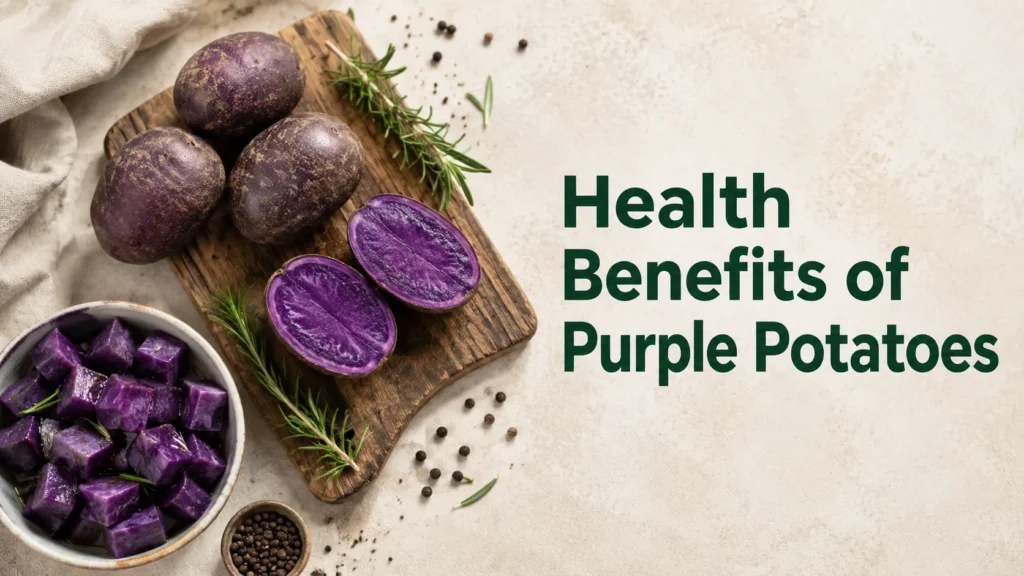
The anthocyanin content is the defining nutritional feature. Purple potato varieties like Purple Majesty and Purple Viking contain a complex mixture of acylated anthocyanins, predominantly petunidin, malvidin, and peonidin derivatives. A 2015 analysis published in the Journal of Agricultural and Food Chemistry identified petunidin-3-coumaroylrutinoside-5-glucoside as the most abundant anthocyanin in purple potato flesh, with concentrations varying from 170 to 280 milligrams per 100 grams of fresh weight depending on cultivar and growing conditions. These specific molecules are structurally stable due to acylation, which means they survive cooking better than the anthocyanins in many berries.
Oxidative stress reduction is the most frequently cited benefit, but the mechanism matters more than the claim. Anthocyanins donate hydrogen atoms to unstable free radicals, neutralizing them before they can damage cell membranes, proteins, and DNA. A 2010 randomized crossover trial published in the Journal of Nutrition gave 18 healthy adults 150 grams of cooked purple potatoes daily for 6 weeks and measured a statistically meaningful reduction in plasma C-reactive protein and lipid peroxidation markers compared to a white potato control. The reduction in DNA damage in lymphocytes was measurable at the single-cell level using comet assay methodology.
The blood pressure effect is similarly specific. Anthocyanins activate endothelial nitric oxide synthase (eNOS) in the inner lining of blood vessels, increasing the production of nitric oxide, a gas that signals smooth muscle cells in artery walls to relax. The vessel dilates. Blood pressure drops. A 2012 randomized controlled trial in the American Journal of Clinical Nutrition found that 150 grams of purple potatoes consumed twice daily for 4 weeks reduced systolic blood pressure by 3.5% and diastolic by 4.3% in overweight adults with prehypertension, without affecting body weight.
The resistant starch story adds a metabolic dimension. When purple potatoes are cooked and then cooled for several hours, a portion of the gelatinized starch undergoes retrogradation into resistant starch type 3, which resists digestion and functions as a fermentable fiber in the colon. This lowers the effective glycemic load of the potato and produces short-chain fatty acids that feed colon cells.
Key Takeaway: Purple potatoes lower blood pressure through a specific nitric oxide mechanism that white potatoes cannot trigger, because the effect depends entirely on anthocyanins.
Are Purple Potatoes Healthier Than Regular Potatoes?
Yes, purple potatoes are healthier than regular white potatoes in the specific dimension of polyphenol and antioxidant content, offering anthocyanin-driven cardiovascular and cellular protection that white potatoes completely lack. In terms of macronutrients, fiber, and standard vitamins and minerals, the two are nutritionally equivalent, with only minor differences in potassium and vitamin C levels.
The statement “healthier” requires qualification. A purple potato does not contain fewer calories, less starch, or more protein than a russet. The USDA FoodData Central shows that both provide roughly 110 calories, 30 grams of carbohydrate, 3 grams of protein, and 3 grams of fiber per 150-gram medium potato. The vitamin and mineral profiles are similar, with purple potatoes holding a slight edge in potassium, 620 milligrams versus 550 milligrams in a russet, and vitamin C, 27 milligrams versus 11 milligrams, though cooking method heavily influences retained vitamin C levels in both.
Where the nutritional profiles diverge completely is in the phytonutrient fraction. A white potato contains negligible anthocyanins, minimal total phenolics, and low antioxidant capacity as measured by ORAC or FRAP assays. A purple potato contains the anthocyanin equivalent of a serving of blueberries, approximately 200 milligrams of total anthocyanins per 100 grams of fresh weight according to a 2016 study in Food Chemistry. That is the difference between a food that provides basic nutrition and a food that provides basic nutrition plus bioactive compounds with documented physiological effects.
White potatoes are not unhealthy. They deliver potassium, vitamin C when consumed with skin, and easily digestible carbohydrate energy. But a person choosing purple potatoes over white several times a week is adding a class of polyphenols to their diet that white potatoes simply cannot provide. The cardiovascular and oxidative stress data suggest this addition matters.
The comparison has an important nuance. Sweet potatoes, often lumped into the “healthy potato” category, contain beta-carotene and a different set of phytonutrients than purple potatoes. Purple sweet potatoes contain anthocyanins similar to purple regular potatoes but come from a different botanical species, Ipomoea batatas rather than Solanum tuberosum. The health differences are in the specific pigment chemistry, not in one being universally superior.
Key Takeaway: Purple potatoes match white potatoes on basic nutrition and then add an entire class of bioactive anthocyanins that white varieties simply do not possess.
Purple Potatoes Nutrition Facts
A standard 150-gram serving of cooked purple potato, approximately one medium potato with skin, contains 110 calories, 30 grams of carbohydrates, 3 grams of protein, 0.2 grams of fat, and 3 grams of fiber, according to the USDA FoodData Central database. This macronutrient profile is consistent across potato varieties and serves as the baseline upon which the unique phytonutrient profile of purple potatoes is built.
The micronutrient content per 150-gram serving positions purple potatoes as a meaningful contributor to several Daily Value targets. Potassium leads at 620 milligrams, 13% of the 4,700-milligram DV recognized by the Dietary Guidelines for Americans 2020-2025. Vitamin C provides 27 milligrams, 30% of the 90-milligram DV. Vitamin B6 contributes 0.3 milligrams, 18% of the 1.7-milligram DV. Iron, magnesium, and phosphorus are present in smaller but still relevant amounts.
The complete nutritional breakdown for a 150-gram serving of cooked purple potato with skin is detailed in the following table:
| Nutrient | Amount per 150g | % Daily Value | Function |
|---|---|---|---|
| Calories | 110 kcal | N/A | Energy |
| Carbohydrates | 30g | 11% | Primary fuel |
| Fiber | 3g | 11% | Digestive health, satiety |
| Protein | 3g | 6% | Tissue maintenance |
| Fat | 0.2g | <1% | Minimal fat source |
| Potassium | 620mg | 13% | Blood pressure regulation, nerve function |
| Vitamin C | 27mg | 30% | Collagen synthesis, antioxidant |
| Vitamin B6 | 0.3mg | 18% | Amino acid metabolism, neurotransmitter production |
| Iron | 1.1mg | 6% | Oxygen transport |
| Magnesium | 34mg | 8% | Muscle function, enzyme cofactor |
| Phosphorus | 85mg | 7% | Bone structure, ATP |
| Total Anthocyanins | 255 to 420mg* | No DV | Anti-inflammatory, antioxidant, eNOS activation |
| Chlorogenic Acid | 22 to 45mg* | No DV | Blood pressure modulation |
*Anthocyanin and chlorogenic acid values are estimated from published analyses in the Journal of Agricultural and Food Chemistry and vary by cultivar.
The carbohydrate composition deserves attention. Of the 30 grams of total carbohydrate, approximately 3 grams are fiber, 1 to 2 grams are simple sugars, and the remaining 25 to 26 grams are starch. When purple potatoes are cooked and then cooled, a fraction of that starch, roughly 3 to 5 grams per serving, retrogrades into resistant starch type 3, which the small intestine does not digest and which functions as a prebiotic fiber in the colon. This shifts the effective digestible carbohydrate content downward, though the magnitude varies with cooking and cooling specifics.
Key Takeaway: One purple potato delivers 13% of your daily potassium, 30% of your daily vitamin C, and a dose of anthocyanins comparable to a handful of blueberries.
What Are Purple Potatoes Anthocyanins?
Purple potato anthocyanins are water-soluble flavonoid pigments belonging to a specific subclass of highly acylated anthocyanins, predominantly petunidin, malvidin, and peonidin glycosides, that are chemically more stable during cooking than the non-acylated anthocyanins found in most berries. The acylation, meaning the attachment of phenolic acid molecules to the anthocyanin core structure, protects the pigment from heat and pH degradation.
The specific molecular identity matters because structure determines function. A 2011 study in the Journal of Agricultural and Food Chemistry performed detailed mass spectrometry characterization of purple potato anthocyanins and identified petunidin-3-p-coumaroylrutinoside-5-glucoside as the predominant compound, followed by malvidin-3-p-coumaroylrutinoside-5-glucoside and peonidin derivatives. The coumaroyl and caffeoyl acyl groups attached to these molecules increase their resistance to heat breakdown, which explains why purple potatoes retain their color during boiling and roasting while blueberry anthocyanins fade and degrade.
The stability conferred by acylation has practical nutritional consequences. Anthocyanins that survive cooking intact reach the colon, where gut bacteria cleave the sugar moieties and ferment the remaining phenolic structures into bioavailable metabolites, primarily protocatechuic acid and various phenolic acids. A 2014 study in Molecular Nutrition and Food Research demonstrated that these colonic metabolites circulate in the bloodstream at higher concentrations than the parent anthocyanins and are responsible for many of the systemic anti-inflammatory and vascular effects attributed to anthocyanin-rich foods.
The total anthocyanin content of purple potatoes ranges from 170 to 280 milligrams per 100 grams of fresh weight, with Purple Majesty and Purple Viking cultivars consistently showing the highest values in published analyses. For a 150-gram serving, that translates to 255 to 420 milligrams of total anthocyanins. A comparable 150-gram serving of blueberries provides approximately 150 to 250 milligrams. The purple potato is not a novelty. It is an anthocyanin delivery vehicle that rivals or exceeds the most famous anthocyanin source in the produce aisle.
The anthocyanin concentration is higher in the flesh than in the skin for purple-fleshed varieties, which distinguishes them from red-skinned potatoes that have pigment only in the skin. The entire potato is purple because anthocyanins are deposited throughout the tuber flesh, which maximizes the total anthocyanin per serving and makes the flesh the primary pigment source.
Key Takeaway: Purple potato anthocyanins are chemically armored with acyl groups that make them survive cooking better than berry anthocyanins, so the color on your plate is actually bioavailable.
How Do Purple Potatoes Antioxidants Compare?
Purple potatoes contain a total antioxidant capacity, measured by ORAC and FRAP assays, that is approximately 2 to 4 times higher than white potatoes and comparable to or exceeding that of many common fruits and vegetables on a per-serving basis. The antioxidant activity is concentrated in the anthocyanin and chlorogenic acid fractions, which work through direct radical scavenging and indirect upregulation of the body’s endogenous antioxidant enzyme systems.
The comparison to white potatoes is straightforward and dramatic. A 2007 study in the American Journal of Potato Research analyzed total phenolic content and antioxidant activity across 22 potato varieties. Purple-fleshed cultivars contained 2.5 to 4 times the total phenolics of white-fleshed varieties, and the correlation between anthocyanin content and antioxidant capacity was nearly linear, indicating that the purple pigments are the dominant source of the difference.
The comparison to other produce is more instructive. A 150-gram purple potato delivers total phenolics in the range of 300 to 500 milligrams of gallic acid equivalents, which overlaps with values reported for blueberries, blackberries, and red cabbage. The ORAC value, a measure of peroxyl radical scavenging capacity, is approximately 4,000 to 6,000 micromole Trolox equivalents per 150-gram serving for purple potatoes, compared to 2,000 to 3,000 for white potatoes and 4,500 to 7,000 for an equivalent weight of blueberries. These numbers come from published USDA and academic laboratory analyses and are consistent across multiple studies.
The antioxidant activity is not limited to direct radical scavenging. Anthocyanins and chlorogenic acid upregulate the Nrf2 pathway, a cellular signaling cascade that activates the production of endogenous antioxidant enzymes including superoxide dismutase, catalase, and glutathione peroxidase. A 2013 study in the Journal of Nutritional Biochemistry demonstrated that purple potato anthocyanin extracts increased Nrf2 nuclear translocation and downstream antioxidant enzyme expression in human endothelial cells. This means the compounds in purple potatoes do not just neutralize oxidants themselves. They tell the body to produce more of its own antioxidant defenses.
The “total antioxidant” framing has limitations that deserve acknowledgment. ORAC and FRAP are test-tube assays that do not fully capture what happens in the body. Anthocyanin bioavailability is low, approximately 1 to 5 percent of ingested dose reaches systemic circulation intact. The biological effects are largely mediated by colonic metabolites, which are not captured by food-level antioxidant assays. The antioxidant capacity number on a chart is directionally useful but not a direct measure of in vivo benefit.
Key Takeaway: Purple potatoes have antioxidant activity in the same range as blueberries, driven by anthocyanins that also activate your body’s internal antioxidant enzyme systems.
Can Purple Potatoes Help Lower Blood Pressure?
Yes, purple potatoes can help lower blood pressure through a specific, named mechanism: anthocyanins activate endothelial nitric oxide synthase (eNOS) in blood vessel walls, increasing the production of nitric oxide, which signals arterial smooth muscle cells to relax and the vessel to dilate. This is not a general vegetable effect. It depends directly on the anthocyanin content that white potatoes lack.
The clinical evidence comes from randomized controlled trials, not food frequency questionnaires or observational data. A 2012 study published in the American Journal of Clinical Nutrition is the most frequently cited. Researchers gave 18 overweight adults with prehypertension 150 grams of purple potatoes with skin twice daily, containing approximately 400 milligrams of anthocyanins per total daily dose, for 4 weeks in a crossover design with a white potato control. Systolic blood pressure dropped by an average of 3.5% and diastolic by 4.3% from baseline during the purple potato phase, while the white potato phase showed no change. The difference was statistically meaningful and clinically relevant for a dietary intervention in a prehypertensive population.
The mechanism was confirmed in follow-up work. A 2015 study in the European Journal of Nutrition demonstrated that purple potato anthocyanin metabolites increased eNOS phosphorylation at Ser1177, the activation site, in cultured human umbilical vein endothelial cells. Increased eNOS activity produces more nitric oxide. More nitric oxide means more vasodilation. More vasodilation means lower peripheral vascular resistance. Lower resistance means lower blood pressure. The chain of causation is biochemically specific and experimentally validated.
The potassium content of purple potatoes contributes to blood pressure regulation through a separate, complementary mechanism. A 150-gram serving provides 620 milligrams of potassium, which helps counterbalance dietary sodium by promoting renal sodium excretion and reducing vascular smooth muscle tone. The Dietary Guidelines for Americans 2020-2025 identify potassium as a nutrient of public health concern because intake falls below recommendations across all age groups. The potassium in purple potatoes supports blood pressure through electrolyte balance while the anthocyanins work through the vascular endothelium.
A practical limitation exists. The blood pressure reduction observed in the clinical trial came from consuming 300 grams of purple potatoes per day, approximately two medium potatoes. That intake level delivered roughly 400 milligrams of anthocyanins. A smaller, more typical serving will produce a smaller effect. The benefit is dose-dependent and becomes meaningful with consistent, regular consumption rather than occasional intake.
Key Takeaway: The blood pressure reduction from purple potatoes is not a vegetable generality. It is an anthocyanin-specific eNOS activation that was tested directly in a randomized controlled trial against white potatoes, which had zero effect.
Do Purple Potatoes Contain Resistant Starch?
Yes, purple potatoes contain resistant starch type 3 (RS3) when they are cooked and then cooled for several hours, a process called retrogradation that reorganizes gelatinized amylose into crystalline structures that resist digestion in the small intestine. The resistant starch content forms regardless of the potato’s color, so white and purple potatoes both produce RS3, but the combination of RS3 and anthocyanins in purple potatoes offers a dual metabolic benefit.
The chemistry of retrogradation is well-characterized. When potato starch granules are heated in water, they absorb water, swell, and gelatinize. The amylose molecules leach out of the granule and form a disordered gel. When the cooked potato cools, the amylose molecules realign into tightly packed, hydrogen-bonded crystalline sheets that human digestive enzymes cannot access. This is resistant starch type 3. A 2015 study in the Journal of the Science of Food and Agriculture measured resistant starch content in cooked-then-cooled potatoes and found an increase from less than 1 gram per 150-gram serving in hot potatoes to 3 to 5 grams after 12 to 24 hours of refrigeration at 4 degrees Celsius.
Resistant starch functions as a fermentable fiber. It passes through the stomach and small intestine without releasing glucose. In the colon, gut bacteria ferment it into short-chain fatty acids, primarily acetate, propionate, and butyrate. Butyrate is the primary fuel for colonocytes and exerts anti-inflammatory effects through histone deacetylase inhibition. A 2019 study in Nutrients reported that RS3 consumption increased fecal butyrate concentrations and improved insulin sensitivity markers in adults with metabolic syndrome.
The practical application for purple potatoes is specific. A hot, freshly cooked purple potato has minimal resistant starch and a glycemic index of approximately 65 to 70, similar to white potatoes. That same potato, cooled in the refrigerator overnight and eaten cold in a salad or gently reheated, contains 3 to 5 grams of resistant starch and produces a lower postprandial glucose response. The anthocyanins in purple potatoes remain intact during cooling and reheating, thanks to their acylated structure, so the blood pressure and antioxidant benefits persist alongside the resistant starch benefit.
Reheating does not fully reverse retrogradation. A 2016 study in Food Chemistry found that reheating cooled potatoes to 60 to 70 degrees Celsius retained approximately 60 to 70 percent of the resistant starch formed during cooling. Microwaving retained more RS3 than boiling. The best strategy for maximizing resistant starch is to cook, cool completely in the refrigerator for at least 8 hours, and then consume cold or reheat gently without exceeding 80 degrees Celsius.
Key Takeaway: Cook a purple potato, refrigerate it overnight, and you get both the anthocyanins and a dose of resistant starch that lowers the glycemic impact and feeds your colon bacteria.
Purple Potatoes vs White Potatoes Nutrition
Purple potatoes and white potatoes share a nearly identical macronutrient and standard micronutrient profile per 150-gram serving. The defining nutritional difference is the presence of 255 to 420 milligrams of anthocyanins in purple potatoes versus essentially zero in white potatoes, along with roughly 2 to 3 times higher total phenolic content and proportionally higher antioxidant capacity.
The macronutrient comparison is unremarkable because they are the same species, Solanum tuberosum, with different flesh color genes. The USDA FoodData Central lists 110 calories, 30 grams of carbohydrate, 3 grams of protein, and 3 grams of fiber for a 150-gram serving of both purple and white potatoes. The fat content is below 0.5 grams for both. The starch type and gelatinization behavior are the same. The resistant starch formation upon cooling is the same.
Micronutrient differences are modest. The following table presents a direct comparison:
| Nutrient (per 150g) | Purple Potato | White Potato (Russet) | Notable Difference |
|---|---|---|---|
| Calories | 110 kcal | 110 kcal | None |
| Carbohydrates | 30g | 30g | None |
| Fiber | 3g | 3g | None |
| Protein | 3g | 3g | None |
| Potassium | 620mg (13% DV) | 550mg (12% DV) | Purple potato slightly higher |
| Vitamin C | 27mg (30% DV) | 11mg (12% DV) | Purple potato higher, varies by cooking |
| Vitamin B6 | 0.3mg (18% DV) | 0.4mg (24% DV) | White potato slightly higher |
| Iron | 1.1mg (6% DV) | 1.0mg (6% DV) | Similar |
| Magnesium | 34mg (8% DV) | 30mg (7% DV) | Similar |
| Total Anthocyanins | 255 to 420mg | <1mg | Purple potato dominant |
| Total Phenolics | 300 to 500mg GAE* | 80 to 150mg GAE* | Purple potato 2 to 4x higher |
| ORAC Value | 4,000 to 6,000 µTE** | 1,500 to 3,000 µTE** | Purple potato 2 to 3x higher |
*GAE = gallic acid equivalents, **µTE = micromole Trolox equivalents per serving
The vitamin C difference warrants a note. The USDA values reflect average retention across multiple cooking methods. Vitamin C is water-soluble and heat-sensitive. Boiling strips more vitamin C from both potato types than roasting or microwaving. The purple potato’s higher vitamin C in some databases may reflect cultivar differences rather than a color-linked effect. Both types retain more vitamin C when cooked with skin and with methods that minimize water contact.
The bottom line is clear. If the goal is basic caloric and macronutrient fuel, white and purple potatoes are interchangeable. If the goal is to maximize dietary polyphenol intake and the associated cardiovascular and cellular benefits, purple potatoes provide a measurable advantage that white potatoes cannot match.
Key Takeaway: The nutrition facts panel shows the same numbers for calories, carbs, and protein. The purple advantage is entirely in the anthocyanins and total polyphenols, which do not appear on a standard label.
Purple Potatoes vs Sweet Potatoes
Purple potatoes and sweet potatoes are botanically distinct species, Solanum tuberosum versus Ipomoea batatas, with different macronutrient profiles, phytonutrient classes, and glycemic responses. Purple potatoes deliver anthocyanins. Orange sweet potatoes deliver beta-carotene. Purple sweet potatoes, a third category, deliver a different anthocyanin profile in a sweet potato matrix.
The macronutrient comparison reveals meaningful differences. A 150-gram serving of cooked orange sweet potato contains approximately 135 calories, 32 grams of carbohydrate, 2 grams of protein, and 5 grams of fiber. A purple potato delivers 110 calories, 30 grams of carbohydrate, 3 grams of protein, and 3 grams of fiber. The sweet potato has slightly more fiber and a higher sugar content, approximately 9 grams of naturally occurring sugar versus 1 to 2 grams in purple potatoes, which contributes to the sweet taste but also to a somewhat higher glycemic response in some preparations.
The phytonutrient comparison is the most instructive. Orange sweet potatoes are rich in beta-carotene, a provitamin A carotenoid. A 150-gram serving provides over 700% of the Daily Value for vitamin A as retinol activity equivalents. Purple potatoes contain negligible beta-carotene but deliver 255 to 420 milligrams of anthocyanins per serving. The two foods simply provide different classes of bioactive compounds with different physiological effects. Beta-carotene supports vision, immune function, and epithelial integrity. Anthocyanins support vascular function, oxidative stress defense, and anti-inflammatory pathways.
The table below highlights the key nutritional distinctions:
| Nutrient (per 150g cooked) | Purple Potato | Orange Sweet Potato | Purple Sweet Potato |
|---|---|---|---|
| Calories | 110 kcal | 135 kcal | 130 kcal |
| Carbohydrates | 30g | 32g | 31g |
| Sugar | 1 to 2g | 9g | 8g |
| Fiber | 3g | 5g | 4g |
| Vitamin A | <1% DV | >700% DV | <1% DV |
| Vitamin C | 27mg (30% DV) | 28mg (31% DV) | 30mg (33% DV) |
| Potassium | 620mg (13% DV) | 540mg (11% DV) | 550mg (12% DV) |
| Key Phytonutrient | Anthocyanins (255 to 420mg) | Beta-carotene (12 to 15mg) | Anthocyanins (200 to 350mg) |
| Glycemic Index | 55 to 70 (varies by cooking) | 45 to 65 (varies by cooking) | 50 to 65 (estimated) |
Purple sweet potatoes deserve specific mention. These are sweet potatoes with deep purple flesh, containing anthocyanins similar in type but not identical to purple potato anthocyanins. Purple sweet potato anthocyanins are primarily cyanidin and peonidin glycosides, while purple potato anthocyanins are dominated by petunidin and malvidin derivatives. Both are acylated and heat-stable. Purple sweet potatoes combine the anthocyanin benefit with the higher fiber content of sweet potatoes, making them a nutritionally dense choice that bridges both categories.
Key Takeaway: Purple potatoes give you anthocyanins. Orange sweet potatoes give you beta-carotene. They are nutritionally complementary, not competitive, and eating both covers more phytonutrient bases than choosing one.
How Much Potassium Do Purple Potatoes Contain?
A 150-gram serving of cooked purple potato with skin contains 620 milligrams of potassium, which represents approximately 13% of the 4,700-milligram Daily Value, according to the USDA FoodData Central database. This potassium content is slightly higher than white russet potatoes at the same serving size and positions purple potatoes as a meaningful contributor to daily potassium intake.
Potassium is a mineral and electrolyte that the Dietary Guidelines for Americans 2020-2025 classify as a nutrient of public health concern because fewer than 3 percent of American adults meet the Adequate Intake, which is set at 3,400 milligrams per day for adult men and 2,600 milligrams per day for adult women. A single medium purple potato closes a portion of that gap in one food.
The physiological role of potassium in blood pressure regulation is well-established and mechanistically specific. Potassium increases renal sodium excretion through effects on the sodium-potassium pump in the distal nephron. It also directly relaxes vascular smooth muscle cells by hyperpolarizing the cell membrane, which reduces calcium influx and vascular tone. A 2013 meta-analysis published in the BMJ reviewed 33 randomized controlled trials and found that increased potassium intake reduced systolic blood pressure by 3.5 mmHg and diastolic by 2.0 mmHg in adults with hypertension, with larger effects in those with high baseline sodium intake.
The potassium-to-sodium ratio matters more than potassium intake in isolation. Purple potatoes naturally contain very little sodium, approximately 10 milligrams per 150-gram serving, yielding a potassium-to-sodium ratio of roughly 62 to 1. This ratio favors blood pressure reduction and is consistent with the dietary pattern recommended by the DASH diet, which emphasizes high-potassium, low-sodium foods. Adding table salt during cooking or at the plate alters this ratio substantially and partially negates the blood pressure advantage.
The potassium is distributed throughout the flesh with a slight concentration in the skin. Peeling purple potatoes removes approximately 10 to 15 percent of the total potassium and a larger fraction of the fiber. Cooking method affects potassium retention moderately, with boiling in unsalted water leaching the most potassium into the cooking water and roasting or microwaving retaining nearly all of it.
People taking potassium-sparing diuretics, such as spironolactone or eplerenone, or ACE inhibitors like lisinopril should be aware that dietary potassium from all sources, including purple potatoes, contributes to total potassium load. A registered dietitian or a prescribing physician can provide individualized guidance on whether potassium-rich foods need to be moderated in the context of these medications.
Key Takeaway: One purple potato delivers more potassium than a medium banana and a potassium-to-sodium ratio that supports exactly the blood pressure mechanisms the DASH diet targets.
What Is the Glycemic Index of Purple Potatoes?
The glycemic index (GI) of freshly cooked, hot purple potatoes is approximately 65 to 70, which is classified as medium-to-high and is similar to white potatoes. When purple potatoes are cooked and then cooled for 8 to 12 hours, the formation of resistant starch type 3 reduces the effective glycemic impact, lowering the estimated GI to approximately 50 to 60 depending on the specific cooling duration and final serving temperature.
The GI range for potatoes is broad and depends on several variables beyond color. Potato variety, cooking method, cooking duration, cooling time, and whether the potato is consumed with fat, protein, or acid all affect the postprandial glucose response. A 2017 study in the American Journal of Clinical Nutrition measured glycemic responses to different potato preparations and found that boiled and cooled potatoes produced a 20 to 25 percent lower glucose area under the curve compared to the same potatoes consumed hot immediately after boiling.
The resistant starch mechanism explains the cooling effect. When cooked potato starch gelatinizes, it becomes highly accessible to amylase enzymes, resulting in rapid glucose release. Cooling retrogrades the amylose fraction into crystalline resistant starch that digestive enzymes cannot break down. The effective digestible carbohydrate content decreases by 3 to 5 grams per 150-gram serving, and the glucose absorption curve broadens and flattens. The anthocyanins in purple potatoes may exert an additional, independent glucose-moderating effect through inhibition of alpha-glucosidase, the enzyme that breaks starch into glucose, as suggested by a 2014 in vitro study in the Journal of Agricultural and Food Chemistry, but human data confirming this mechanism for purple potatoes specifically are limited.
The practical way to lower the glycemic impact of purple potatoes combines multiple strategies. Cool the cooked potatoes completely, then consume them as a cold salad with a source of acid, such as a vinaigrette, which delays gastric emptying, and a source of fat and protein, such as olive oil and chopped egg, which slows carbohydrate absorption further. This approach reduces the glycemic response through resistant starch formation, gastric emptying delay, and macronutrient interaction simultaneously.
Individuals with type 2 diabetes or insulin resistance should test their own glucose response to purple potatoes. Glycemic index values are population averages. Individual responses vary based on gut microbiota composition, degree of insulin resistance, and gastric emptying rate. A finger-stick glucose test 2 hours after eating provides personalized feedback that a published GI table cannot.
Key Takeaway: A hot purple potato behaves like a standard potato metabolically. A cold, refrigerated one behaves more like a lower-GI food because the starch has physically rearranged itself into a digestion-resistant form.
Does the Purple Potato Skin Contain More Nutrition?
Yes, purple potato skin contains a higher concentration of fiber and anthocyanins per gram than the flesh, and leaving the skin intact during cooking and consumption increases the total dietary fiber, total anthocyanin intake, and potassium content of the serving. The skin is not just a wrapper. It is a nutritionally dense component of the whole potato.
The fiber difference is the most practically important. Potato skin is composed of cellulose, hemicellulose, and pectin, insoluble and soluble fibers that contribute to stool bulk, digestive transit regulation, and satiety. A 2019 analysis published in Food Chemistry found that potato skin contains approximately 4 to 6 grams of fiber per 100 grams of skin, compared to 1 to 2 grams per 100 grams of flesh. For a 150-gram whole purple potato, the skin contributes roughly 30 to 40 percent of the total 3 grams of fiber despite representing a much smaller fraction of total weight.
The anthocyanin concentration is also higher in the skin. A 2016 study in the Journal of Food Science compared anthocyanin content in purple potato flesh and skin separately and found skin concentrations approximately 1.5 to 2 times higher on a per-gram basis. The skin also contains higher concentrations of chlorogenic acid and other phenolic acids that contribute to total antioxidant capacity.
The practical nutrition gain from eating the skin is summarized in the table below:
| Component | Per 150g Whole Purple Potato | Per 150g Peeled Purple Potato | Nutrient Lost by Peeling |
|---|---|---|---|
| Fiber | 3g | 2g | ~1g (33% reduction) |
| Potassium | 620mg | 540mg | ~80mg (13% reduction) |
| Total Anthocyanins | 255 to 420mg | 200 to 340mg | ~15 to 20% reduction |
| Vitamin C | 27mg | 24mg | Minimal loss |
| Calories | 110 kcal | 105 kcal | Minimal difference |
Peeling purple potatoes is not nutritionally catastrophic, but it removes a meaningful fraction of the fiber and anthocyanins that define the potato’s health advantages over white varieties. The skin of purple potatoes has the same color as the flesh when the variety is purple-fleshed, unlike red-skinned potatoes where the color is only in the skin. The visual appeal of the purple skin can make eating the whole potato more attractive than peeling it.
Thorough washing is the practical compromise. Scrubbing purple potatoes under running water with a vegetable brush removes surface dirt, potential pesticide residues, and any sprouting eyes without sacrificing the skin’s nutritional contribution. Buying organic purple potatoes adds a layer of pesticide reduction for those concerned about skin residues, though conventional potatoes are also safe when properly washed.
Key Takeaway: Peeling a purple potato throws away about a third of the fiber and up to 20 percent of the anthocyanins. A good scrub is a better strategy than a peeler.
How to Cook Purple Potatoes to Retain Nutrients
To retain the maximum anthocyanin, vitamin C, and potassium content in purple potatoes, cook them with the skin on using methods that minimize water contact, keep temperatures moderate, and limit cooking time. Steaming, microwaving, and roasting outperform boiling for nutrient preservation, and cooling cooked potatoes after cooking generates additional resistant starch.
The water-solubility of anthocyanins and vitamin C makes boiling the most nutrient-destructive method. When purple potatoes are boiled, anthocyanins leach into the cooking water, turning it deep purple and leaving the potatoes paler and nutritionally diminished. A 2013 study in the Journal of Agricultural and Food Chemistry compared cooking methods and found that boiling reduced total anthocyanin content in purple potatoes by 30 to 40 percent, while steaming reduced it by only 10 to 15 percent and microwaving by less than 10 percent. The anthocyanin loss tracks directly with water contact time and volume.
The numbered sequence for optimal nutrient retention is straightforward. To cook purple potatoes for maximum health benefit:
- Scrub the potatoes thoroughly under running water with a vegetable brush. Do not peel.
- Cut into uniform pieces only if necessary to reduce cooking time. Larger pieces retain more nutrients.
- Choose steaming, microwaving, or roasting over boiling.
- For roasting, coat lightly with olive oil and roast at 375 degrees Fahrenheit for 30 to 40 minutes until fork-tender.
- For microwaving, pierce the skin several times with a fork and microwave on high for 5 to 7 minutes, turning once.
- After cooking, cool the potatoes completely in the refrigerator for at least 8 hours if you want to maximize resistant starch formation.
- Serve cold in salads, or gently reheat to no more than 80 degrees Celsius to retain a portion of the newly formed resistant starch.
Vitamin C retention follows a similar pattern. Boiling reduces vitamin C content by 30 to 50 percent due to heat degradation and water leaching. Steaming retains approximately 70 to 80 percent of vitamin C. Microwaving retains the most, approximately 80 to 90 percent, due to short cooking time and minimal water contact. Potassium loss is less dramatic than anthocyanin or vitamin C loss because potassium is heat-stable, but boiling still leaches some potassium into the water.
The acylated structure of purple potato anthocyanins provides inherent heat stability that berry anthocyanins lack. Roasting purple potatoes at high heat for extended periods still results in visible color retention and substantial anthocyanin survival. A 2016 study in Food Chemistry confirmed that acylated anthocyanins from purple potatoes retained over 70 percent of their original concentration after 45 minutes of baking at 190 degrees Celsius. This structural advantage means cooking method matters less for anthocyanin retention in purple potatoes than it does for other anthocyanin-rich foods.
Key Takeaway: Steam or microwave your purple potatoes. If you boil them, you are pouring a portion of the anthocyanins and vitamin C down the drain with the purple water.
Are Purple Potatoes Good for Weight Loss?
Purple potatoes can be a weight-loss-friendly food when they replace higher-calorie, lower-fiber carbohydrate sources and when they are prepared without excessive added fats or calorie-dense toppings. They offer moderate calorie density, 3 grams of fiber per serving for satiety, and the resistant starch formed by cooling, which increases fat oxidation and reduces subsequent meal energy intake.
The calorie math works in the context of an energy-controlled diet. A 150-gram purple potato provides 110 calories and 3 grams of fiber. A comparable serving of white pasta delivers approximately 200 calories and 1 gram of fiber. A comparable serving of white rice delivers approximately 190 calories and less than 1 gram of fiber. Replacing refined grains with whole purple potatoes at meals reduces calorie density while increasing fiber and micronutrient intake.
The resistant starch angle adds a specific metabolic mechanism. A 2015 randomized controlled trial published in Nutrition and Metabolism gave participants resistant starch supplements for 4 weeks and measured a 23% increase in fat oxidation compared to a digestible starch control. The SCFA butyrate, produced from RS3 fermentation, upregulates PPAR-alpha and other transcription factors involved in fatty acid oxidation. While supplement doses of 20 to 40 grams of RS3 per day are needed for that magnitude of effect, a cooled purple potato contributes 3 to 5 grams, a meaningful addition to a high-fiber dietary pattern.
Satiety is the most direct weight management mechanism. The combination of fiber volume, water content, and resistant starch fermentation, which triggers GLP-1 and PYY satiety hormone release, makes a 110-calorie potato more filling than 110 calories of many other carbohydrate sources. A 1995 satiety index study, still widely cited because of its comprehensive design, found that boiled potatoes scored highest on the satiety index among 38 common foods tested, with a score 323 percent higher than white bread on a calorie-equated basis.
The caveat is preparation. A purple potato roasted with a tablespoon of olive oil adds 120 calories of pure fat. Mashed with butter and cream adds 150 to 200 calories. Served as french fries in a deep fryer doubles or triples the calorie count. The weight loss benefit depends entirely on how the potato is prepared and what it replaces in the diet, not on any inherent metabolic property of the potato itself.
Key Takeaway: A purple potato is 110 calories of high-satiety, fiber-containing carbohydrate. What you put on it and what it replaces in your meal determines whether it helps with weight loss.
What You Should Know About Solanine in Purple Potatoes
Solanine is a natural glycoalkaloid toxin found in all potatoes, including purple varieties, that is concentrated in the skin, eyes, and sprouts, with levels increasing when potatoes are exposed to light, stored improperly, or allowed to green and sprout. The solanine content in healthy, properly stored purple potatoes is low and safe for consumption, but green or sprouted potatoes should be discarded due to toxicity risk.
The toxicology is specific and non-negotiable. Solanine is a cholinesterase inhibitor that, at doses above 1 milligram per kilogram of body weight, causes gastrointestinal symptoms including nausea, vomiting, diarrhea, and abdominal cramping. At higher doses, above 3 milligrams per kilogram, neurological symptoms including headache, dizziness, and confusion can develop. A 70-kilogram adult would need to ingest approximately 70 milligrams of solanine to reach the symptom threshold, which translates to eating several large, fully green potatoes in a single sitting. Fatal solanine poisoning is extremely rare but has been documented historically during food shortages.
Normal, healthy purple potatoes purchased from a grocery store or farmers market contain less than 10 milligrams of solanine per 100 grams, well within the safety range. The FDA considers potato solanine content up to 20 milligrams per 100 grams safe for commercial sale. A 150-gram serving of properly stored purple potato contains less than 15 milligrams of total glycoalkaloids, roughly one-fifth of the dose that might trigger symptoms in a 70-kilogram adult.
Storage is the primary safety variable. Solanine production accelerates when potatoes are exposed to light, especially fluorescent light in grocery store displays and home kitchens. The greening is chlorophyll, which is harmless, but chlorophyll production correlates with solanine production because both are triggered by light exposure. A potato that has turned green under the skin has elevated solanine, whether it is purple, red, or white. Sprouting also increases solanine concentration in the sprout and the area immediately surrounding it.
To prevent solanine buildup in purple potatoes:
- Store them in a cool, dark, dry place, ideally between 45 and 50 degrees Fahrenheit.
- Keep them away from onions, which release ethylene gas that accelerates sprouting.
- Do not store them in the refrigerator for extended periods, as cold temperatures below 40 degrees convert starch to sugar and can affect cooking quality and acrylamide formation during high-heat cooking.
- Discard any potato that has turned green, sprouted extensively, or developed soft, wrinkled spots.
- Cut away small sprouts and any green areas if the rest of the potato is firm and unblemished.
Nightshade sensitivity is a separate concern from solanine toxicity. Some individuals report joint pain, digestive discomfort, or inflammation when consuming nightshade vegetables, including potatoes, tomatoes, peppers, and eggplant. This is not a glycoalkaloid toxicity reaction. It is an individual sensitivity with no validated biomarker or clinical diagnostic test. The evidence for nightshade sensitivity is anecdotal and observational, not established through controlled trials. Anyone who suspects nightshade sensitivity can perform a 4-week elimination followed by a structured reintroduction under the guidance of a registered dietitian.
Key Takeaway: Store purple potatoes in the dark, throw out any that are green or sprouted, and you eliminate the solanine risk entirely. The danger is not the potato. It is the storage.
Are There Any Purple Potatoes Side Effects?
The most common side effects of eating purple potatoes in normal dietary amounts are digestive gas and bloating from the increased fiber and resistant starch intake, which are temporary and resolve as the gut microbiota adapts. Actual adverse effects are limited to specific populations: people with nightshade sensitivity, individuals with a history of calcium oxalate kidney stones, and those on potassium-sparing medications.
Digestive adaptation to increased fiber intake is the most frequently experienced side effect, not a toxicity or intolerance. A person transitioning from a low-fiber diet to eating purple potatoes several times a week is doubling or tripling the fermentable substrate reaching their colon. The gut bacteria respond by fermenting the new fiber supply and producing gas. Bloating, flatulence, and mild abdominal cramping for 1 to 3 weeks are normal adaptation symptoms, not a sign that purple potatoes are harmful. Gradually increasing intake over 2 to 3 weeks rather than adding large amounts suddenly prevents most of the discomfort.
Oxalate content is a consideration for a specific population. Purple potatoes contain oxalates, naturally occurring organic acids that bind calcium and can contribute to calcium oxalate kidney stone formation in susceptible individuals. A 2018 analysis in the Journal of Food Composition and Analysis measured total oxalate content in purple potatoes at approximately 20 to 30 milligrams per 100 grams, moderate compared to spinach at 600 to 900 milligrams per 100 grams or almonds at 400 milligrams per 100 grams. For the general population, this oxalate level is not a concern. For someone with a history of calcium oxalate stones or hyperoxaluria, a registered dietitian can assess whether purple potatoes fit within an oxalate-controlled diet.
Potassium medication interactions require acknowledgment. People taking potassium-sparing diuretics, ACE inhibitors, angiotensin receptor blockers, or direct renin inhibitors have a reduced capacity to excrete potassium. Dietary potassium from all sources, including the 620 milligrams in a medium purple potato, contributes to the total body potassium load. In someone with normal kidney function on a standard dose of these medications, a serving of purple potatoes is generally safe. In someone with reduced kidney function or on multiple potassium-elevating medications, a physician should provide individualized guidance on potassium intake from food.
Allergic reactions to potatoes are rare but documented, usually related to the protein patatin. Symptoms are typical of food allergy, including oral itching, urticaria, and in severe cases, anaphylaxis. Potato allergy is distinct from nightshade sensitivity and is diagnosed through skin prick testing and serum IgE measurement by an allergist. This is uncommon and not specific to purple potatoes.
Key Takeaway: For most people, the only “side effect” of eating more purple potatoes is temporary gas as your gut bacteria upgrade to handle the extra fiber. The real contraindications are specific: kidney stone history, potassium-elevating medications, and confirmed nightshade sensitivity.
Frequently Asked Questions About Purple Potatoes
What is the difference between purple potatoes and regular potatoes?
Purple potatoes are cultivars of Solanum tuberosum that contain anthocyanin pigments throughout the flesh, giving them a deep purple color and delivering 255 to 420 milligrams of anthocyanins per 150-gram serving.
Regular white potatoes belong to the same species but lack the anthocyanin-producing genes and contain negligible polyphenol content.
The macronutrient profiles, calories, carbohydrates, fiber, and protein, are nearly identical between purple and white potatoes of the same size.
Do purple potatoes taste different than white potatoes?
Purple potatoes have a slightly earthier, nuttier flavor than white potatoes, with a denser, creamier texture when cooked, but the taste difference is subtle.
Most people cannot distinguish purple from white potatoes in a blind taste test when the potatoes are prepared identically without added seasonings.
The color is a far more noticeable difference than the flavor or texture.
Can you eat purple potato skin?
Yes, purple potato skin is entirely edible and contains a higher concentration of fiber and anthocyanins per gram than the flesh.
Leaving the skin on increases total fiber intake by approximately 30 percent and anthocyanin intake by 15 to 20 percent per serving.
Wash the skin thoroughly with a vegetable brush under running water to remove dirt and any surface residues before cooking.
Are purple potatoes genetically modified?
No, purple potatoes are not genetically modified. They are conventionally bred cultivars that express naturally occurring anthocyanin genes.
Purple potato varieties like Purple Majesty and Purple Viking were developed through traditional cross-breeding of potatoes from the Andean region of South America, where purple-fleshed potatoes have been cultivated for thousands of years.
The color genes are native to the potato genome and have been selected through conventional breeding, not laboratory gene insertion.
Do purple potatoes lose their color when cooked?
Purple potatoes retain most of their color during cooking because their anthocyanins are acylated, a chemical structure that provides heat stability.
Boiling leaches some pigment into the water and causes noticeable fading, while steaming, microwaving, and roasting preserve color better.
Even after extended cooking, purple potatoes remain distinctly purple, which distinguishes them from berries whose non-acylated anthocyanins degrade and brown with heat.
Can people with diabetes eat purple potatoes?
People with diabetes can include purple potatoes in their diet when the portion size is accounted for within total carbohydrate intake for the meal and when the potatoes are cooked, cooled, and consumed with protein and fat to moderate the glycemic response.
A 150-gram purple potato contains 30 grams of total carbohydrate, which should be counted as part of the meal’s carbohydrate budget.
Cooling cooked purple potatoes overnight creates resistant starch that reduces the effective glycemic impact by 3 to 5 grams per serving compared to hot potatoes.
The most important fact about purple potatoes is not that they are colorful. It is that the color comes from specific, named anthocyanin molecules, petunidin, malvidin, and peonidin derivatives, that activate a blood-vessel-relaxing enzyme called eNOS and measurably lower blood pressure in human trials. White potatoes cannot do this. The purple color is not a garnish. It is the mechanism.
Keep the skin on to retain the fiber and the concentrated anthocyanin layer. Steam, microwave, or roast instead of boiling to stop those water-soluble pigments from leaching away. Cool the cooked potatoes overnight when you want the added metabolic benefit of resistant starch. Store your potatoes in the dark and discard any that have greened or sprouted. A 150-gram serving, one medium potato, gives you 110 calories, 620 milligrams of potassium, 27 milligrams of vitamin C, and an anthocyanin dose in the same range as a serving of blueberries.
You now know exactly what the purple color means at the molecular level and what to do with that information in your kitchen. The rest is a trip to the produce section.