Raisins Health Benefits: 2026 Research on Antioxidants, Nutrition
Raisins are genuinely healthy, but you need to know which kind you are eating and how many you are having. A quarter-cup of dark raisins delivers polyphenols that support blood vessel function, potassium that helps regulate blood pressure, and fiber that feeds your gut bacteria. That same quarter-cup also delivers about 26 grams of naturally occurring sugar. The health benefits are real. The sugar is also real. Both things are true at the same time.
According to the USDA FoodData Central database, a standard 40-gram serving of seedless raisins contains approximately 300 milligrams of potassium, 0.8 milligrams of iron, and a concentrated profile of phenolic compounds including quercetin, kaempferol, and resveratrol that are identical to those found in grapes but present at higher density because the water has been removed. A 2021 study published in the Journal of Agricultural and Food Chemistry analyzed the polyphenol content of several dried fruits and found that dark raisins had one of the highest total phenolic counts per serving among commonly consumed dried fruits.
This article walks through what the 2026 research actually says about raisin health benefits, which claims have strong evidence behind them and which are still preliminary, how golden raisins differ from dark raisins nutritionally, what specific compounds are responsible for each benefit, how many raisins to eat per day without overdoing the sugar, and who should be cautious about including them. Every claim is pinned to a named study, database, or health organization.
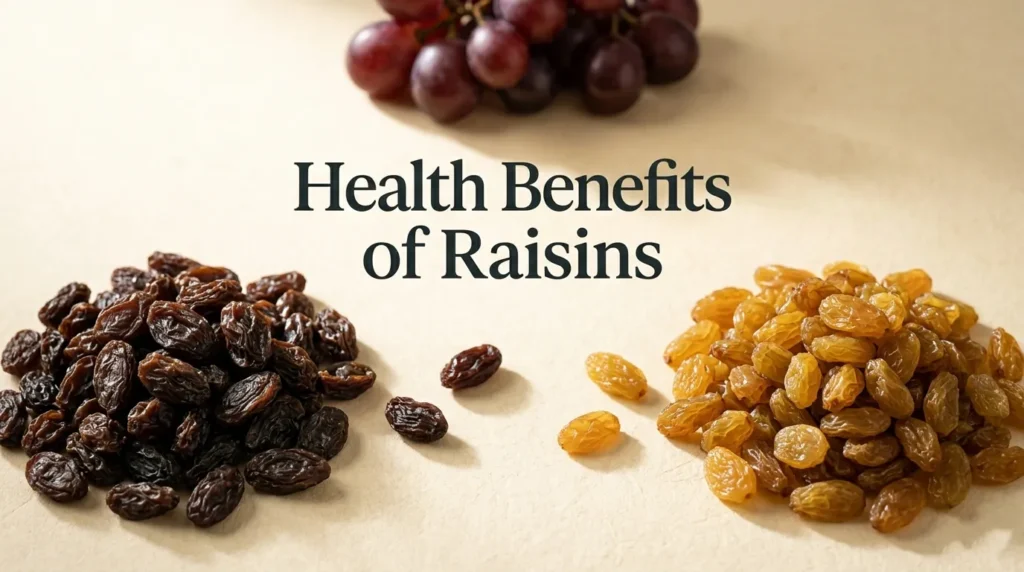
Health Benefits of Raisins
Health benefits of raisins include improved blood pressure regulation through potassium and polyphenol-mediated vasodilation, enhanced digestive function from dietary fiber and prebiotic fructooligosaccharides, increased dietary iron intake relevant for anemia prevention, and potential bone mineral support from calcium, magnesium, and boron. The digestive and cardiovascular benefits have the strongest human evidence behind them. Bone health benefits are more preliminary and derive largely from the mineral content rather than from raisin-specific clinical trials.
What separates raisins from many other sweet foods is that their sugar comes packaged with compounds that partially offset some of sugar’s negative metabolic effects. The fiber in raisins slows glucose absorption compared to refined sugar. The polyphenols, particularly quercetin and resveratrol, interact with nitric oxide pathways in blood vessel walls, promoting vasodilation that supports healthy blood pressure. This is not to say raisins cancel out their own sugar content. They do not. But the nutrient package is meaningfully different from empty-calorie sweeteners.
The Academy of Nutrition and Dietetics recognizes dried fruits including raisins as nutrient-dense foods that can contribute to meeting daily fruit intake recommendations. The Dietary Guidelines for Americans 2020-2025 count 1/4 cup of dried fruit as equivalent to 1/2 cup of fresh fruit. This equivalence matters for understanding how raisins fit into a healthy dietary pattern.
Here is how the evidence stacks up across the major health claims for raisins:
Health Benefit | Best Supporting Evidence | Evidence Strength | Key Compounds
Blood pressure reduction | Human RCTs, 2012-2020 | Moderate-strong | Potassium, resveratrol, quercetin
Digestive regularity | Human studies, fiber research | Strong | Dietary fiber, fructooligosaccharides
Iron status improvement | Observational, nutrient data | Moderate | Non-heme iron, copper
Antioxidant protection | In vitro, human biomarker studies | Moderate | Polyphenols, phenolic acids
Bone mineral support | Limited human data, mineral content | Preliminary | Calcium, magnesium, boron
Blood sugar management | Postprandial studies | Moderate | Fiber, polyphenols, fructose
Key Takeaway: Raisins have the strongest evidence for digestive and cardiovascular benefits. Bone health claims are plausible based on mineral content but lack raisin-specific human trials.
Raisin Nutrition Facts
A standard quarter-cup serving of dark seedless raisins (approximately 40 grams) provides roughly 120 to 130 calories, 32 grams of carbohydrates including 26 grams of naturally occurring sugars and 1.5 to 2 grams of dietary fiber, 1.3 grams of protein, and less than 0.5 grams of fat. The micronutrient profile includes approximately 300 to 320 milligrams of potassium, 0.7 to 0.8 milligrams of iron, and smaller but meaningful amounts of copper, manganese, magnesium, and vitamin K.
Here is the complete nutritional breakdown for standard dark raisins per common serving sizes:
Nutrient | 1/4 cup (40g) | 1 oz box (28g) | 1/2 cup (80g) | % DV (1/4 cup)
Calories | 120-130 | 85-90 | 240-260 | N/A
Carbohydrates | 32g | 22g | 64g | N/A
Sugars (natural) | 26g | 18g | 52g | N/A
Dietary Fiber | 1.5-2g | 1-1.5g | 3-4g | 5-7%
Protein | 1.3g | 0.9g | 2.6g | 3%
Fat | 0.2g | 0.1g | 0.4g | <1%
Potassium | 300-320mg | 210-225mg | 600-640mg | 6-7% DV
Iron | 0.7-0.8mg | 0.5-0.6mg | 1.4-1.6mg | 4-9% DV
Copper | 0.15mg | 0.1mg | 0.3mg | 17% DV
Manganese | 0.12mg | 0.08mg | 0.24mg | 5% DV
Magnesium | 15mg | 10mg | 30mg | 4% DV
Calcium | 20mg | 14mg | 40mg | 2% DV
Vitamin K | 1.5mcg | 1mcg | 3mcg | 2% DV
Vitamin B6 | 0.07mg | 0.05mg | 0.14mg | 4% DV
The USDA FoodData Central database confirms that raisins contain no added sugars. All sugar in standard raisins is naturally occurring fructose and glucose concentrated from the original grapes. The dehydration process removes water, which reduces volume by roughly 75 to 80 percent, concentrating all nutrients and sugars proportionally.
The Dietary Guidelines for Americans 2020-2025 note that dried fruit can help people meet daily fruit intake recommendations, particularly when fresh fruit is less available or convenient. A quarter-cup of raisins counts as a half-cup equivalent toward the recommended 1.5 to 2 cups of fruit per day for adults.
Key Takeaway: Raisins are nutrient-dense, not empty calories. A small serving delivers measurable potassium, iron, copper, and fiber alongside concentrated fruit sugars.
Golden Raisins vs Dark Raisins Nutritional Comparison
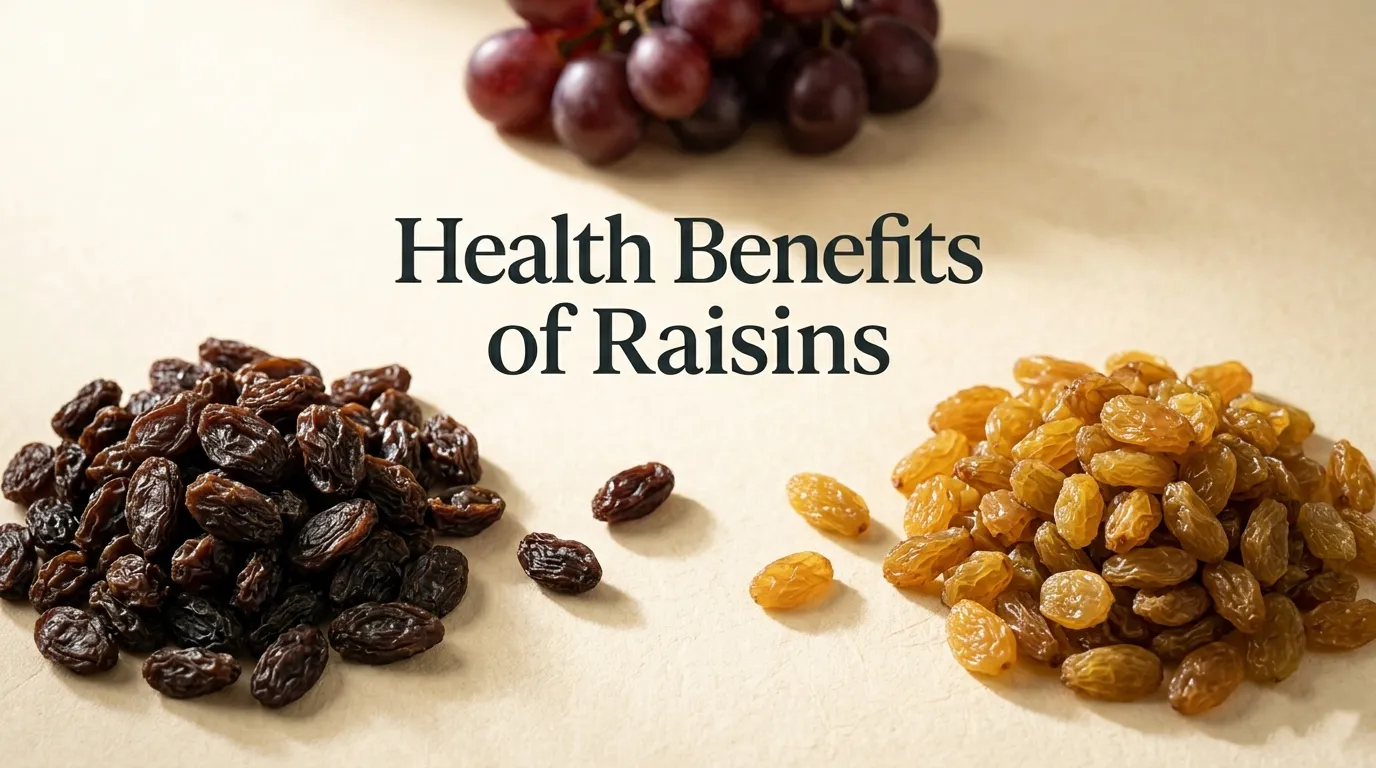
Golden raisins and dark raisins come from the same Thompson seedless grape variety but differ in processing method, antioxidant profile, and sulfite content. Golden raisins are dried in controlled dehydrators and treated with sulfur dioxide to preserve their light color. Dark raisins are sun-dried naturally without sulfites, which allows enzymatic browning reactions to occur. This processing difference creates measurable nutritional distinctions that matter for health.
The sulfur dioxide treatment used on golden raisins blocks polyphenol oxidase, the enzyme that causes browning. By preventing oxidation, sulfur dioxide preserves a lighter phenolic profile but also prevents the formation of some oxidized polyphenol compounds that develop in dark raisins during sun drying. Dark raisins develop darker pigments through Maillard reactions and polyphenol oxidation, creating a different antioxidant profile.
Here is the comparison between golden and dark raisins per quarter-cup serving:
Characteristic | Dark Raisins | Golden Raisins
Drying method | Sun-dried | Dehydrator-dried
Sulfur dioxide | Not added | Added as preservative
Color | Dark brown to black | Golden yellow to amber
Sulfite content | None or trace | 250-2,000 ppm typical
Flavor profile | Rich, caramelized, deeper | Lighter, fruitier, more acidic
Total phenolic content | Slightly higher in most analyses | Slightly lower
Resveratrol | Present | Present, possibly lower
ORAC antioxidant value | Slightly higher | Slightly lower
Calories per 40g | ~125 | ~120-125
Sugar per 40g | ~26g | ~25-27g
Potassium per 40g | ~320mg | ~300mg
Iron per 40g | ~0.8mg | ~0.7mg
A 2022 analysis published in the Journal of Agricultural and Food Chemistry compared the phenolic profiles of golden and dark raisins and found that while total phenolic content was similar, the specific compounds differed. Dark raisins contained higher levels of certain oxidized phenolic compounds with demonstrated antioxidant activity in cellular assays.
For people with sulfite sensitivity or asthma, the choice between golden and dark raisins becomes medically relevant. The FDA requires sulfite labeling on foods containing 10 ppm or more. Golden raisins typically contain 250 to 2,000 ppm sulfites. An allergist or pulmonologist can advise on whether sulfite avoidance is necessary for your specific situation.
Polyphenols and Antioxidants in Raisins
Polyphenols in raisins include quercetin, kaempferol, catechins, epicatechin, gallic acid, caftaric acid, and proanthocyanidins, all of which function as antioxidants by donating electrons to neutralize reactive oxygen species and by upregulating the body’s internal antioxidant enzyme systems. According to a 2021 analysis in the Journal of Agricultural and Food Chemistry, raisins have a total phenolic content comparable to or exceeding many fresh fruits on a per-serving basis due to the concentration effect of dehydration.
The mechanism by which raisin polyphenols exert antioxidant effects is twofold. The direct effect involves phenolic compounds directly neutralizing free radicals through electron donation, preventing those reactive molecules from damaging cellular lipids, proteins, and DNA. The indirect effect, which is arguably more important, involves activation of the Nrf2 transcription factor, which triggers your cells to produce their own antioxidant enzymes including glutathione peroxidase and superoxide dismutase.
Quercetin, one of the most abundant flavonoids in raisins, has been studied for its ability to reduce oxidative stress markers in human trials. It also inhibits the enzyme xanthine oxidase, which generates superoxide radicals. Kaempferol, another flavonol present in raisins, has demonstrated anti-inflammatory properties in cell studies by inhibiting the NF-κB pathway. Catechins and epicatechin, the same flavanols found in tea and dark chocolate, contribute to the antioxidant capacity measured in ORAC and FRAP assays.
Here are the primary polyphenol compounds identified in raisins and their known biological activities:
Compound | Compound Class | Primary Biological Activity | Concentration in Raisins
Quercetin | Flavonol | Nrf2 activation, anti-inflammatory | Moderate to high
Kaempferol | Flavonol | NF-κB inhibition, antioxidant | Moderate
Catechin / Epicatechin | Flavanol | Antioxidant, endothelial function | Low to moderate
Resveratrol | Stilbenoid | Nitric oxide signaling, sirtuin activation | Low but present
Gallic acid | Phenolic acid | Direct antioxidant, antimicrobial | Moderate
Caftaric acid | Phenolic acid | Antioxidant, anti-inflammatory | Moderate to high
Proanthocyanidins | Condensed tannins | Antioxidant, gut microbiota interaction | Moderate
The bioavailability of these polyphenols varies. Quercetin and kaempferol are absorbed in the small intestine as glucuronidated and sulfated metabolites. Larger proanthocyanidins reach the colon where gut bacteria metabolize them into smaller phenolic acids that enter circulation. What you measure in a test tube is not necessarily what reaches your tissues, but the metabolites themselves often retain biological activity.
Resveratrol and Bioactive Compounds in Raisins
Resveratrol is present in raisins at low but measurable concentrations, approximately 0.5 to 2 micrograms per gram in dark raisins, making raisins a modest dietary source of this stilbenoid compound more famously associated with red wine. Resveratrol in raisins activates sirtuin proteins and promotes nitric oxide production in endothelial cells, mechanisms linked to cardiovascular protection and healthy aging in laboratory studies.
Resveratrol’s mechanism is worth understanding because it explains why this single compound receives disproportionate research attention. It activates SIRT1, a sirtuin protein that regulates cellular stress resistance and mitochondrial function. When SIRT1 is activated, cells increase their production of new mitochondria and enhance their ability to repair oxidative damage. This is the pathway behind the much-publicized “red wine compound” research, though the doses used in most resveratrol studies far exceed what raisins or wine can provide.
The resveratrol content in raisins varies by grape variety, drying method, and storage conditions. Sun-dried dark raisins retain resveratrol because the compound is relatively heat-stable and the drying process does not degrade it significantly. A 2020 analysis published in the journal Nutrients quantified resveratrol in several dried fruits and found that raisins contained more than dried apricots, dried figs, and dried cranberries, but less than the amount in red wine per serving.
Beyond resveratrol, raisins contain tartaric acid and fructooligosaccharides that function as bioactive compounds. Tartaric acid is a short-chain organic acid that may influence gut pH and mineral absorption. Fructooligosaccharides are prebiotic fibers that selectively feed Bifidobacterium species in the colon, supporting a gut microbial profile associated with reduced inflammation.
The practical takeaway about resveratrol in raisins is that it contributes to the overall polyphenol benefit rather than acting as a standalone therapeutic. You do not eat raisins to get a pharmacological dose of resveratrol. You eat them to get a complex mixture of phenolic compounds that work through overlapping mechanisms, of which resveratrol is one contributor among many.
Key Takeaway: Raisins contain resveratrol alongside quercetin, catechins, and phenolic acids. The combined effect of this polyphenol mixture is more relevant to health than any single compound alone.
Raisins Heart Health and Blood Pressure Benefits
Raisins support heart health through potassium-mediated blood pressure reduction, polyphenol-induced vasodilation, and fiber-associated cholesterol improvement. A 2014 randomized controlled trial published in the Journal of the American College of Cardiology found that daily raisin consumption reduced systolic blood pressure by 6 to 10 mmHg in participants with prehypertension when compared to other snack foods matched for calories. This effect size is meaningful and comparable to some pharmacological interventions for mild hypertension.
The blood pressure mechanism involves two complementary pathways. Potassium, present at approximately 300 to 320 milligrams per quarter-cup, promotes sodium excretion through the kidneys and relaxes vascular smooth muscle through the sodium-potassium ATPase pump. The polyphenols quercetin and resveratrol stimulate endothelial nitric oxide synthase, the enzyme that produces nitric oxide in blood vessel walls. Nitric oxide diffuses into the smooth muscle layer and triggers relaxation, widening the vessel and reducing blood pressure.
The American Heart Association identifies potassium intake as a key dietary factor for blood pressure management. The DASH diet, which has been shown in multiple randomized controlled trials to reduce blood pressure, emphasizes potassium-rich foods. Raisins fit into this pattern as a portable, shelf-stable potassium source that does not require preparation.
A 2021 review published in Nutrients examined the cardiovascular effects of dried fruit consumption and concluded that regular inclusion of raisins in the diet was associated with improved blood pressure parameters and reduced postprandial glucose excursions when raisins replaced refined carbohydrate snacks. The review noted that the fiber and polyphenol combination in whole raisins produced effects not replicated by isolated supplements.
For people with hypertension, replacing a processed snack with a quarter-cup of raisins provides potassium, polyphenols, and fiber without added sodium or refined sugar. This substitution approach is more practical and evidence-based than simply adding raisins on top of an existing diet. A registered dietitian nutritionist can help design dietary substitutions that fit your overall sodium and potassium targets.
Raisins Digestive Health and Dietary Fiber
Raisins support digestive health through a combination of insoluble fiber that adds bulk to stool, soluble fiber that softens stool by absorbing water, and fructooligosaccharides that act as prebiotics, selectively feeding beneficial Bifidobacterium and Lactobacillus species in the colon. A quarter-cup serving provides 1.5 to 2 grams of dietary fiber, contributing to the daily Adequate Intake of 25 grams for women and 38 grams for men.
The prebiotic fiber component of raisins is particularly interesting because it goes beyond simple bulk. Fructooligosaccharides, also called oligofructose, resist digestion in the small intestine and arrive in the colon intact. There, Bifidobacterium species ferment them into short-chain fatty acids including butyrate, acetate, and propionate. Butyrate is the primary fuel source for colonocytes, the cells lining the colon, and it strengthens the tight junction proteins that maintain gut barrier integrity.
A 2020 study published in the British Journal of Nutrition examined the prebiotic effects of raisin consumption and found that daily intake increased fecal Bifidobacterium counts and short-chain fatty acid concentrations in healthy adults. The effect was measurable but smaller than what purified inulin or oligofructose supplements produce, which is expected given the lower fiber dose in a food serving versus a supplement.
The insoluble fiber fraction supports regular bowel movements by increasing stool bulk and speeding colonic transit time. This mechanism is mechanical rather than metabolic. Insoluble fiber particles resist fermentation, hold water in the stool, and physically stimulate the intestinal walls to maintain peristalsis.
Raisins also contain tartaric acid, which may lower colonic pH slightly. A lower pH environment favors beneficial bacteria and inhibits the growth of some pathogenic species. This effect is secondary to the fiber benefit but contributes to the overall digestive health profile.
Key Takeaway: Raisins provide both mechanical fiber benefits for regularity and prebiotic fiber benefits for gut bacteria. The prebiotic effect is moderate compared to supplements but comes with additional nutrients.
Raisins Iron Content and Anemia Prevention
Raisins contribute non-heme iron to the diet at approximately 0.7 to 0.8 milligrams per quarter-cup serving, which represents roughly 4 percent of the RDA for premenopausal women and 9 percent for men and postmenopausal women. This contribution, while modest per serving, becomes meaningful when raisins are consumed regularly alongside other iron-rich foods. The NIH Office of Dietary Supplements identifies iron deficiency as the most common nutritional deficiency worldwide, and dietary iron sources remain the first-line prevention strategy.
Non-heme iron from plant foods has lower bioavailability than heme iron from meat, poultry, and seafood. The absorption rate for non-heme iron typically ranges from 2 to 10 percent, compared to 15 to 35 percent for heme iron. This is not a reason to dismiss plant iron sources. It is a reason to consume them strategically.
Vitamin C substantially increases non-heme iron absorption. Consuming raisins alongside a source of ascorbic acid, such as citrus fruit, strawberries, or bell peppers, can double or triple iron absorption from the same meal. Copper, which raisins provide at about 17 percent of the daily value per serving, also supports iron metabolism through its role in ceruloplasmin, the enzyme that converts iron to its transport form.
Here is how raisin iron content compares to other common dietary iron sources:
Food | Serving | Iron (mg) | Type | Enhance Absorption With
Dark raisins | 1/4 cup (40g) | 0.7-0.8 | Non-heme | Vitamin C source
Dried apricots | 1/4 cup | 1.7 | Non-heme | Vitamin C source
Spinach (cooked) | 1/2 cup | 3.2 | Non-heme | Vitamin C source
Lean beef | 3 oz | 2.5-3.0 | Heme | N/A (high bioavailability)
Lentils (cooked) | 1/2 cup | 3.3 | Non-heme | Vitamin C source
Fortified cereal | 1 serving | 4-18 | Non-heme (fortified) | Vitamin C source
A primary care physician can order a complete blood count and serum ferritin test if you have symptoms suggesting iron deficiency such as unexplained fatigue, pale skin, shortness of breath with exertion, or restless legs. A registered dietitian nutritionist can help design a dietary pattern that optimizes iron intake and absorption from plant sources.
Raisins Bone Health and Mineral Content
Raisins contain calcium, magnesium, and boron, minerals involved in bone metabolism, but direct human evidence that raisin consumption improves bone density is extremely limited. The mineral content provides plausible biological rationale. A quarter-cup of raisins delivers approximately 20 milligrams of calcium, 15 milligrams of magnesium, and an estimated 0.5 to 1 milligram of boron, a trace mineral that research suggests may influence calcium and magnesium metabolism.
Boron is the mineral in raisins most distinctively relevant to bone health. The NIH Office of Dietary Supplements does not establish a Recommended Dietary Allowance for boron, but research indicates it may reduce urinary calcium and magnesium excretion and increase serum levels of active vitamin D. A 2019 review published in the Journal of Trace Elements in Medicine and Biology noted that boron intakes of 1 to 3 milligrams per day were associated with improved bone density markers in some observational studies.
The calcium in raisins at 20 milligrams per serving is a minor contribution to the 1,000 to 1,200 milligram RDA for adults. Magnesium at 15 milligrams per serving provides roughly 4 percent of the RDA. These are real but small contributions that matter in the context of a varied diet rich in multiple mineral sources.
No randomized controlled trial has tested raisin consumption specifically for bone density outcomes. The bone health claims for raisins are extrapolations from the known roles of calcium, magnesium, and boron in bone metabolism combined with the presence of polyphenols that may reduce oxidative stress in bone cells. This is plausible biology but not clinical evidence.
For people concerned about bone health, the Dietary Guidelines for Americans 2020-2025 recommend a dietary pattern that includes multiple calcium sources (dairy or fortified alternatives), adequate vitamin D, weight-bearing exercise, and avoidance of smoking and excessive alcohol. Raisins can be a small contributor to the mineral component of bone health but are not a substitute for established bone-protective strategies.
Raisins and Blood Sugar Effects
Raisins have a glycemic index of approximately 49 to 64 depending on variety, placing them in the low to moderate range despite their high sugar content. The fiber, fructose content, and polyphenols in raisins all contribute to moderating the glucose response. A 2015 study published in the Journal of Nutrition compared postprandial glucose after raisin consumption versus white bread and found that raisins produced a lower and more gradual glucose response when matched for total carbohydrate.
Fructose, which makes up roughly half the sugar in raisins, has a lower glycemic index than glucose and requires conversion by the liver before it enters the bloodstream as glucose. This metabolic detour slows the overall glucose response. The fiber in raisins physically slows gastric emptying and creates a barrier between digestive enzymes and the sugar molecules. Polyphenols may inhibit some carbohydrate-digesting enzymes, further slowing absorption.
The glycemic load, which accounts for portion size, is the more practical measure. A quarter-cup serving of raisins has an estimated glycemic load of approximately 15 to 18, which is moderate. A half-cup serving doubles that. The dose genuinely determines the glucose response.
For people with type 2 diabetes, the American Diabetes Association recognizes that the carbohydrate source matters alongside the total amount. Replacing a high-glycemic refined carbohydrate snack with a small portion of raisins may produce a more favorable glucose response while providing additional micronutrients. Pairing raisins with protein or fat, such as nuts, further moderates the glucose response.
A certified diabetes educator can help determine whether raisins fit into your specific meal plan and at what portion. Blood glucose monitoring after eating raisins provides individualized data that general recommendations cannot offer.
Key Takeaway: Raisins produce a moderate rather than high glycemic response due to fiber, fructose, and polyphenols. Portion size remains the critical factor for blood sugar management.
Raisins for Weight Management
Raisins can fit into a weight management dietary pattern when portioned carefully, but their calorie density requires attention. A quarter-cup serving delivers 120 to 130 calories in a small volume. For comparison, that same calorie amount as fresh grapes would fill an entire cup. The dehydration that concentrates nutrients also concentrates calories, and volume matters for satiety.
The satiety research on raisins is mixed but instructive. A 2020 study published in the journal Appetite compared satiety responses to raisins, fresh grapes, and other snack foods in healthy adults. Raisins produced moderate satiety, less than fresh grapes matched for calories, but more than processed snack foods like crackers or cookies matched for calories. The fiber and chewiness of raisins likely contributed to the moderate satiety effect.
Raisins as a snack replacement show more promise than raisins as a dietary addition. Replacing a 150-calorie serving of chips, cookies, or candy with a 120-calorie serving of raisins reduces calorie intake while adding fiber, potassium, and polyphenols. Simply adding raisins on top of an existing snack habit increases calorie intake without replacement benefit.
Athletes and highly active individuals may find raisins useful as a portable, rapidly digestible carbohydrate source during endurance exercise. The concentrated sugar and absence of fat or protein that would slow gastric emptying make raisins functionally similar to sports gels in terms of fuel delivery, with the added benefit of potassium for electrolyte support during long-duration activity.
For sedentary individuals aiming at weight loss, raisin portions should be measured. It is easy to eat two or three servings of raisins without realizing it because the volume is small and the sugar is satisfying. Using a small ramekin or snack container pre-portioned to a quarter-cup helps maintain awareness of how much you are consuming.
Raisins Oral Health and Dental Considerations
Raisins present a complicated picture for oral health. They are sticky and adhere to teeth, creating prolonged sugar exposure that can promote dental caries. However, raisin polyphenols and certain compounds in raisins may inhibit the growth of Streptococcus mutans, the primary cavity-causing bacterium. The net oral health effect depends more on oral hygiene practices after consumption than on the raisins themselves.
The concern about raisins and cavities is legitimate. Sticky foods remain in contact with tooth surfaces longer than quickly cleared foods. Bacteria in dental plaque metabolize the sugars in raisins and produce acid that demineralizes tooth enamel. The longer the sugar remains on the teeth, the longer the acid exposure. This is the same concern that applies to all dried fruits and sticky sweet foods.
The countervailing evidence involves raisin polyphenols. A 2018 study published in the Journal of Dentistry found that raisin extracts inhibited the growth and biofilm formation of Streptococcus mutans in laboratory conditions. Specific compounds including oleanolic acid and oleanolic aldehyde, present on the raisin surface, appeared responsible for this antimicrobial activity.
What this means practically is that raisins are not uniquely harmful to teeth, but they require the same oral hygiene attention as any sweet food. Rinsing with water after eating raisins removes some of the residual sugar. Brushing approximately 30 minutes after consumption, once saliva has neutralized the initial acid, is more effective than brushing immediately.
A dentist can provide individualized oral health guidance. For children, who are at higher caries risk and less thorough with oral hygiene, raisins should be consumed in limited portions and followed by water rinsing. They are not an ideal everyday snack for young children from a dental perspective.
Sultanas vs Raisins vs Currants Differences
Sultanas, raisins, and currants are all dried grapes but differ in grape variety, processing method, and nutritional profile. Raisins in the United States are typically Thompson seedless grapes sun-dried to a dark brown color. Sultanas are also Thompson seedless grapes but are dried differently, often dipped in an oil-based solution and dried more quickly to a golden or light brown color. Currants, specifically Zante currants, are dried from the Black Corinth grape variety and are smaller and more intensely flavored.
The nutritional differences between these three dried grape products are modest but worth knowing. Currants, being smaller, have a higher seed-to-flesh ratio, which may slightly alter fiber and polyphenol content. Sultanas processed without sulfur dioxide are similar to golden raisins but are typically smaller and lighter in color.
Here is the comparison across the three types:
Characteristic | Raisins (US) | Sultanas | Currants (Zante)
Grape variety | Thompson seedless | Thompson seedless | Black Corinth
Typical drying method | Sun-dried | Dipped and dried | Sun-dried or dehydrated
Size | Medium-large | Small-medium | Very small
Color | Dark brown | Golden to light brown | Dark purple-black
Seeds | Seedless | Seedless | Seedless (despite name)
Flavor | Rich, caramelized | Lighter, fruitier | Intense, tangy-sweet
Sulfur dioxide | No (dark raisins) | Sometimes | Rarely
Sugar per 40g | ~26g | ~26g | ~27g
Potassium per 40g | ~320mg | ~300mg | ~280mg
Iron per 40g | ~0.8mg | ~0.7mg | ~0.9mg
For health purposes, all three are comparable as concentrated fruit sources of fiber, potassium, and polyphenols. Currants have a slightly more intense polyphenol profile due to the dark skin-to-flesh ratio. Sultanas without sulfites are functionally similar to golden raisins. The distinctions matter more for culinary applications than for health decisions.
Sulfur Dioxide in Golden Raisins What to Know
Sulfur dioxide is used as a preservative in golden raisins to prevent browning and preserve the light golden color. It is the same compound used in dried apricots, wine, and some processed foods. The FDA requires labeling when sulfites are present at 10 parts per million or more. Golden raisins typically contain 250 to 2,000 ppm sulfites. Dark raisins are generally sulfite-free because sun drying does not require a color preservative.
Sulfite sensitivity affects a small percentage of the population, with estimates ranging from 1 to 5 percent of the general population and a higher prevalence among people with asthma. The mechanism involves sulfite-induced bronchoconstriction in sensitive airways. For people with asthma, sulfite ingestion can trigger wheezing, chest tightness, and in rare cases, severe respiratory distress.
The FDA banned the use of sulfites on fresh fruits and vegetables in 1986 after multiple adverse reaction reports, but sulfites remain permitted in dried fruits, wine, and processed foods where they serve as preservatives. The labeling requirement allows consumers to identify and avoid sulfited products.
For most people without sulfite sensitivity, sulfur dioxide in golden raisins at the concentrations used presents no established health risk. The body metabolizes sulfites through sulfite oxidase, an enzyme that converts sulfite to sulfate for excretion. Some individuals have lower sulfite oxidase activity, which may increase sensitivity.
If you have asthma or have experienced unexplained respiratory reactions after eating dried fruit or drinking wine, an allergist or pulmonologist can evaluate you for sulfite sensitivity. Choosing dark raisins eliminates sulfite exposure entirely without sacrificing nutritional benefits.
Key Takeaway: Dark raisins are sulfite-free. Golden raisins contain sulfites that can trigger reactions in sensitive individuals, particularly those with asthma. The nutritional differences are small enough that choosing dark for safety or golden for preference is reasonable.
How Many Raisins to Eat Per Day for Health
Research studies showing health benefits from raisins have used doses ranging from approximately 40 to 120 grams per day, roughly 1/4 cup to 3/4 cup. The lower end, 1/4 cup or approximately 40 grams, is the most practical target for most people. This amount delivers measurable potassium, fiber, and polyphenols without contributing excessive sugar to the daily diet. The Dietary Guidelines for Americans 2020-2025 count 1/4 cup of dried fruit as one half-cup equivalent toward daily fruit recommendations.
The blood pressure study that showed significant reductions used approximately 40 to 60 grams per day as a snack replacement. The digestive health studies showing prebiotic effects used similar amounts. At 1/4 cup daily, the sugar contribution is approximately 26 grams of naturally occurring fruit sugar, which fits within most dietary patterns when it replaces rather than adds to other sugar sources.
Here is a practical dosage guide based on research and dietary context:
Goal | Daily Amount | Calories | Sugar | Notes
Minimum effective dose | 1/4 cup (40g) | ~125 | ~26g | Matches most study doses
Moderate intake | 1/3 cup (53g) | ~165 | ~34g | Higher fiber, higher sugar
Higher intake (studies) | 1/2 to 3/4 cup (80-120g) | 250-375 | 52-78g | Only for active individuals
With nuts for satiety | 1/4 cup raisins + 1/4 cup nuts | ~300 | ~26g | Protein and fat moderate glucose
For people monitoring sugar intake, including those with diabetes, starting at 1/8 cup or 20 grams and measuring blood glucose response provides individual data to guide portion decisions. A certified diabetes educator can help interpret postprandial glucose readings and adjust portions accordingly.
Raisins Side Effects and Who Should Limit Intake
Raisins are safe for most people when consumed in typical food amounts, but specific groups should moderate intake or choose varieties carefully. People with diabetes should limit portions due to concentrated sugar. Individuals with sulfite sensitivity or asthma should choose dark raisins over golden. Young children are at higher dental caries risk from sticky sweet foods. People managing calorie intake for weight loss should measure portions because raisins are calorie-dense and easy to overeat.
Gastrointestinal side effects can occur if raisin intake increases suddenly. The fiber and fructooligosaccharides are fermentable, and a rapid increase can produce gas, bloating, and abdominal discomfort. Gradually increasing intake over two weeks allows gut bacteria to adjust to the increased fermentable substrate.
Here are the groups who should approach raisins with specific caution:
- People with type 2 diabetes should limit portions to 1/8 to 1/4 cup and monitor post-meal blood glucose to determine individual tolerance.
- Individuals with sulfite sensitivity or asthma should avoid golden raisins and choose dark raisins.
- Children under age 3 should have raisins in age-appropriate, cut portions to reduce choking risk.
- People with active dental caries or poor oral hygiene should rinse with water after eating raisins and discuss dried fruit intake with their dentist.
- Individuals with iron overload conditions such as hemochromatosis should be aware raisins contribute dietary iron, though the non-heme form is less efficiently absorbed.
- Those with irritable bowel syndrome may find the fructooligosaccharides trigger symptoms during initial increased intake.
If you have a known sulfite allergy, the reaction can range from mild respiratory symptoms to severe bronchospasm. An allergist can provide an emergency action plan and prescribe appropriate medication if you have confirmed sulfite sensitivity. Read dried fruit labels carefully.
Frequently Asked Questions About Raisins
Are raisins actually healthy or just sugary dried fruit?
Raisins are healthy in the context of reasonable portions because their natural sugars come packaged with fiber, potassium, iron, and polyphenols that contribute to heart health and digestion.
They are not empty calories like refined sugar products.
The sugar content is real and portion control matters, but the nutrient package is genuinely different from processed sweets.
What is the difference between golden raisins and dark raisins?
Golden raisins are dried in dehydrators and treated with sulfur dioxide to preserve their light golden color.
Dark raisins are sun-dried naturally without sulfites, which allows browning reactions that create a richer flavor and slightly different antioxidant profile.
The nutritional differences are small, but dark raisins are sulfite-free, which matters for people with sulfite sensitivity or asthma.
Do raisins raise blood sugar too much?
Raisins have a low to moderate glycemic index and produce a gradual glucose response when eaten in quarter-cup portions due to their fiber, fructose content, and polyphenols.
Larger portions raise blood sugar more, and individual responses vary.
Pairing raisins with protein or fat sources like nuts moderates the glucose response further.
How many raisins should I eat per day?
A quarter-cup or about 40 grams is the amount most consistent with the doses used in studies showing health benefits.
This portion provides fiber, potassium, and polyphenols with approximately 26 grams of naturally occurring sugar.
People with diabetes or weight management goals may start with half that amount and adjust based on individual response.
Are raisins good for iron deficiency?
Raisins contribute non-heme iron at about 0.8 milligrams per quarter-cup, which can help with iron intake when consumed regularly alongside other iron sources.
The absorption of non-heme iron increases when raisins are eaten with vitamin C-rich foods.
For diagnosed iron deficiency anemia, raisins are a supportive dietary addition, not a replacement for physician-directed treatment.
Do raisins cause cavities?
Raisins are sticky and can adhere to teeth, providing prolonged sugar exposure that cavity-causing bacteria use to produce enamel-damaging acid.
Compounds in raisins may inhibit Streptococcus mutans growth, but this does not eliminate cavity risk.
Rinsing with water after eating raisins and maintaining good oral hygiene reduces the dental risk.
Closing
Raisins are a concentrated food in every sense. They concentrate the good parts of grapes, the fiber, the potassium, the polyphenols like quercetin and resveratrol, and they concentrate the sugar. If you treat them like a nutrient-dense fruit serving and portion them accordingly, a quarter-cup per day, they belong in a healthy dietary pattern. If you eat them by the handful without measuring, the sugar can add up faster than the benefits.
Choose dark raisins if you want sulfite-free with a richer antioxidant profile. Choose golden raisins if you prefer the lighter, fruitier flavor and do not have sulfite sensitivity. Both come from the same grape and deliver a remarkably similar nutrition package.
Think of raisins as a fruit, not a snack food. Pair them with nuts. Measure the portion. Rinse your teeth. And if you have been avoiding them because you heard they were just sugar, the research shows you are missing a genuinely useful food that has more in common with fresh fruit than with candy.