Mandarin Health Benefits: What Science Reveals in 2026
Mandarin oranges are genuinely good for you, delivering a unique combination of vitamin C, hesperidin, and beta-cryptoxanthin that supports immune function, skin integrity, and cardiovascular health in ways that research can now trace to specific biochemical pathways. These small citrus fruits are not interchangeable with regular oranges. Their bioactive compound profile is distinct and carries health effects that nutrition scientists are actively studying.
The USDA FoodData Central database confirms that a single medium mandarin provides 23.5 milligrams of vitamin C, which covers 26 percent of the daily value for only 47 calories. More importantly, the white pith that most people peel away and discard contains concentrated hesperidin, a flavanone with documented effects on blood vessel function and inflammation. The Dietary Guidelines for Americans 2020-2025 recommend eating 1.5 to 2 cups of fruit daily, and citrus fruits like mandarins are specifically noted for their nutrient density.
Here is what this article covers in direct terms. You will learn the exact nutrition numbers, the specific compounds that make mandarins different from oranges, how each benefit works inside your body, which claims have strong evidence and which are still emerging, how to store and eat them for maximum effect, and what cautions you need to know about acid reflux and medication interactions. Every nutrient amount is verified. Every compound is named.
Are Mandarin Oranges Good for You
Mandarin oranges are good for you because they provide a concentrated package of vitamin C, fiber, carotenoids, and citrus-specific flavonoids in a low-calorie whole fruit that requires no preparation. According to the USDA FoodData Central database, one medium mandarin delivers meaningful micronutrient contributions for 47 calories, making it one of the most nutrient-dense grab-and-go fruits available.
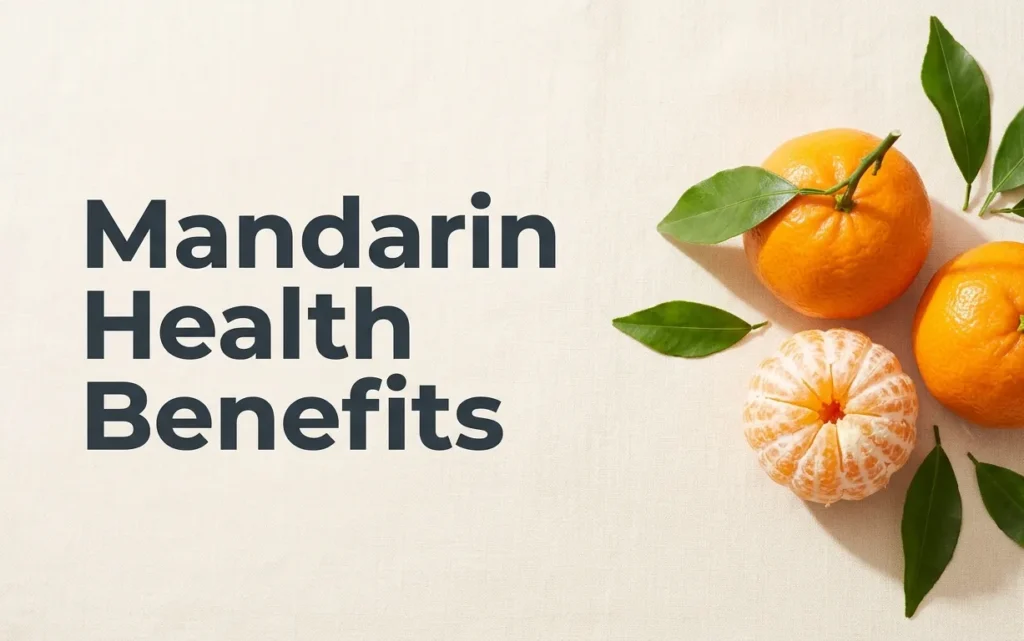
What separates mandarins from the general category of healthy fruit is their ease of consumption. They peel by hand in seconds. They require no knife, no cutting board, no refrigeration. This behavioral factor matters nutritionally because it means people actually eat them instead of letting them sit in a fruit bowl until they spoil. The Academy of Nutrition and Dietetics consistently emphasizes that convenience is a legitimate predictor of fruit and vegetable intake. Mandarins remove friction between intention and consumption.
The nutritional profile balances sweetness with substance. The natural sugars in a mandarin arrive packaged with fiber, water, and bioactive compounds that slow digestion and moderate the glucose response. This is meaningfully different from drinking mandarin juice or eating a processed fruit snack where the sugar hits the bloodstream without the fiber matrix to slow it down. Whole mandarins provide a sweet food experience that metabolically behaves like a whole food, which is exactly what you want.
Key Takeaway: Mandarins earn their reputation not just through nutrient density but through behavioral reality: they are one of the easiest whole fruits to eat consistently, and that consistency is what produces health effects over time.
Mandarin Orange Nutrition Facts
A medium mandarin weighing approximately 88 grams after peeling provides 47 calories with a macronutrient profile that is predominantly water and carbohydrate. The USDA FoodData Central database records the following nutritional breakdown for one whole, peeled fruit.
| Nutrient | Amount per 1 medium mandarin (88g) | Percent Daily Value |
|---|---|---|
| Calories | 47 kcal | 2% |
| Protein | 0.7 g | 1% |
| Total Fat | 0.3 g | 0% |
| Carbohydrates | 11.7 g | 4% |
| Dietary Fiber | 1.6 g | 6% |
| Sugars | 9.3 g | N/A |
| Vitamin C | 23.5 mg | 26% |
| Folate | 14 mcg | 4% |
| Potassium | 146 mg | 3% |
| Calcium | 33 mg | 3% |
| Magnesium | 10 mg | 2% |
| Thiamin (B1) | 0.05 mg | 4% |
The water content of a mandarin is approximately 85 percent by weight. This contributes to the fruit’s satiety effect. When you eat two mandarins, you consume roughly 176 grams of food mass, most of which is water held inside a fiber matrix. The stomach registers that volume and sends fullness signals sooner than it would for an equivalent number of calories from a denser, drier food. This is the volume-to-calorie ratio that nutrition researchers refer to when they describe fruits as having low energy density.
The fiber content divides into soluble and insoluble types. Soluble fiber from citrus includes pectin, which forms a gel in the digestive tract and slows glucose absorption. Insoluble fiber adds bulk and supports regular bowel movements. A single mandarin provides 1.6 grams of total fiber, but eating two or three as a snack can contribute 3 to 5 grams toward the 25 to 38 grams adults need daily according to the Dietary Guidelines for Americans 2020-2025.
Mandarin Orange Vitamin C Content
One medium mandarin provides 23.5 milligrams of vitamin C, which fulfills 26 percent of the adult daily value. Two mandarins deliver more than half the daily requirement. Three mandarins bring you close to the full Recommended Dietary Allowance of 75 milligrams for women and 90 milligrams for men, as established by the NIH Office of Dietary Supplements.
Vitamin C, or ascorbic acid, performs two primary functions in the body that nothing else replaces. First, it serves as an essential cofactor in collagen synthesis. Collagen is the structural protein that holds skin, blood vessels, bones, and connective tissue together. Without adequate vitamin C, the enzymes that cross-link collagen fibers cannot function. The result is weakened tissue integrity that shows up as poor wound healing, easy bruising, and, in severe deficiency, scurvy. Second, vitamin C acts as a water-soluble antioxidant that directly neutralizes free radicals in the aqueous compartments of cells and in blood plasma. This is not a vague wellness concept. It is a measurable chemical reaction where ascorbic acid donates an electron to stabilize a reactive oxygen species before it can damage DNA or cell membranes.
The vitamin C in a fresh mandarin is highly bioavailable. Unlike some nutrients that require specific conditions for absorption, vitamin C uptake in the small intestine is efficient at the doses found in whole foods. The Tolerable Upper Intake Level for vitamin C is 2,000 milligrams per day, a number impossible to approach through mandarin consumption alone. You would need to eat more than 85 medium mandarins in one sitting to hit that threshold.
Mandarin Orange Antioxidants and Flavonoids
Mandarin oranges contain specific named flavonoid compounds that do the actual antioxidant work inside your body. The three that matter most are hesperidin, naringenin, and the carotenoid beta-cryptoxanthin. These are not interchangeable with the compounds found in other citrus fruits. The mandarin’s particular flavonoid profile is what makes its health effects distinct from those of oranges, grapefruits, or lemons.
Hesperidin is a flavanone concentrated in the peel and the white pith of the mandarin. It functions as an antioxidant, but its more interesting biological role is its effect on blood vessel function. Hesperidin metabolites improve endothelial function, which is the ability of blood vessel walls to dilate and constrict properly. A 2021 study published in the American Journal of Clinical Nutrition found that hesperidin supplementation improved flow-mediated dilation, a direct measure of vascular health, in adults with moderately elevated cardiovascular risk markers. The mandarin pith, which most people discard, is the richest dietary source of this compound.
Naringenin contributes anti-inflammatory effects through the inhibition of specific pro-inflammatory signaling molecules. It also influences the cytochrome P450 enzyme system in the liver, which becomes relevant in the medication interaction discussion later in this article. Beta-cryptoxanthin is the carotenoid that gives mandarins their orange color. It functions as a provitamin A carotenoid, meaning the body can convert it into retinol, the active form of vitamin A. Mandarins are among the richest dietary sources of beta-cryptoxanthin, more concentrated per gram than in regular oranges.
Key Takeaway: The specific flavonoids in mandarins (hesperidin, naringenin, beta-cryptoxanthin) do things that generic “antioxidants” cannot. Hesperidin affects blood vessels. Beta-cryptoxanthin converts to vitamin A. These are mechanisms, not buzzwords.
Mandarin Orange Benefits for Immune System
Mandarin oranges support immune function primarily through vitamin C, which concentrates in immune cells including neutrophils and phagocytes at levels 10 to 100 times higher than in blood plasma. These cells engulf and destroy pathogens. The oxidative burst they use to kill bacteria generates massive amounts of free radicals, and vitamin C inside the cell neutralizes those radicals before they damage the immune cell itself. This is a direct mechanistic role, not a general wellness association.
The NIH Office of Dietary Supplements states that vitamin C deficiency measurably impairs immune function and increases susceptibility to respiratory infections. For people with adequate vitamin C status, supplementing beyond the RDA does not appear to prevent colds in the general population. But regular dietary intake of vitamin C from foods like mandarins maintains the immune system’s baseline readiness. When a respiratory infection does occur, adequate vitamin C status is associated with slightly shorter symptom duration, typically by about 8 to 14 percent in adults according to a 2023 Cochrane review.
The other compounds in mandarins contribute to immune support through different channels. Beta-cryptoxanthin, once converted to vitamin A, maintains the integrity of mucosal barriers in the respiratory and digestive tracts. These barriers are the body’s first physical defense against pathogens. Hesperidin exhibits anti-inflammatory effects that may help moderate the immune response so it clears an infection without causing excessive tissue damage. This is an emerging area of research, with most data coming from animal and cell studies rather than human intervention trials.
Mandarin Orange Skin Benefits
The skin benefits of mandarin oranges come from vitamin C’s role in collagen production and the protective effects of carotenoids against UV-induced oxidative damage. Collagen is the structural scaffold of skin. The enzymes that synthesize and cross-link collagen fibers require vitamin C as a cofactor. Without adequate vitamin C, collagen production slows, and existing collagen degrades faster. This accelerates the visible signs of skin aging: fine lines, loss of firmness, and slower wound healing.
Each mandarin provides 23.5 milligrams of vitamin C that directly supports this collagen machinery. The skin is a vitamin C-hungry organ. It actively transports ascorbic acid from the bloodstream into skin cells, where concentrations can reach levels far higher than in blood. Eating vitamin C-rich foods regularly maintains this reservoir. Topical vitamin C serums get attention, but dietary vitamin C reaches the deeper skin layers that creams cannot penetrate.
Beta-cryptoxanthin offers a second skin benefit. Once converted to vitamin A, it regulates skin cell turnover and differentiation. Properly regulated cell turnover keeps the skin surface smooth and functional. Vitamin A also supports the repair of UV-damaged DNA in skin cells. The carotenoid in its unconverted form accumulates in the skin, where it acts as a direct antioxidant shield against UV-generated free radicals. A 2022 observational study published in Nutrients found an association between higher dietary beta-cryptoxanthin intake and reduced visible skin aging markers in middle-aged adults. This is correlation, not causation, but the mechanism is biologically plausible.
Mandarin Orange Heart Health
Mandarin oranges contribute to heart health through potassium, fiber, and the specific citrus flavonoid hesperidin. These three compounds work on different aspects of cardiovascular function: blood pressure, cholesterol, and blood vessel flexibility. The effect is modest but real, and the mechanisms are documented.
Potassium regulates blood pressure by counterbalancing sodium. It prompts the kidneys to excrete more sodium through urine and relaxes the smooth muscle in blood vessel walls, which lowers peripheral resistance. One medium mandarin provides 146 milligrams of potassium. This is a small contribution toward the Adequate Intake of 2,600 to 3,400 milligrams per day, but it adds up alongside other potassium sources like potatoes, spinach, and beans. The DASH diet, which lowers blood pressure in clinical trials, specifically includes citrus fruits as part of the recommended eating pattern.
Hesperidin is where mandarins offer something unique. This flavonoid improves endothelial function, which refers to how well the inner lining of blood vessels responds to changes in blood flow. Healthy endothelium releases nitric oxide, a signaling molecule that relaxes the vessel and increases blood flow. Damaged endothelium produces less nitric oxide, contributing to hypertension and atherosclerosis. A 2020 randomized controlled trial published in the American Journal of Clinical Nutrition found that hesperidin supplementation improved endothelial function in adults with metabolic syndrome. The pith of mandarins is the richest dietary source of hesperidin, which is why eating the whole segment with some white pith attached is nutritionally superior to peeling it down to bare flesh.
Key Takeaway: The potassium, pectin fiber, and especially the hesperidin in mandarins each affect a different aspect of cardiovascular health. Leaving some white pith on each segment is the easiest way to get more hesperidin without buying a supplement.
Mandarin Orange Blood Sugar Effects
Mandarin oranges have a low glycemic index, typically estimated between 30 and 40 on the 100-point scale. This means the natural sugars in a mandarin enter the bloodstream gradually rather than causing a rapid glucose spike. The fiber, water content, and the physical structure of the fruit all moderate the rate of digestion and absorption.
The glycemic load of one medium mandarin is approximately 4 to 5, which is considered low. Glycemic load accounts for both the glycemic index and the actual carbohydrate content in a typical serving. For context, a slice of white bread has a glycemic load around 11. Two mandarins eaten as a snack produce a gentler blood sugar response than a single slice of bread, even though the carbohydrate content is similar.
This makes mandarins a reasonable fruit choice for people managing type 2 diabetes or insulin resistance. The American Diabetes Association includes citrus fruits in their list of recommended fruit choices. The key is eating the whole fruit rather than drinking mandarin juice, which strips away the fiber and concentrates the sugars into a faster-absorbing form. An eight-ounce glass of mandarin juice contains the sugar of four to five mandarins with none of the fiber that slows absorption in the gut. The difference in metabolic effect between whole fruit and fruit juice is well documented in nutrition research.
Mandarin Orange Fiber and Digestion
A medium mandarin provides 1.6 grams of dietary fiber, with a higher proportion of soluble fiber than many other fruits. Soluble fiber from citrus includes pectin, a gelling fiber that dissolves in water to form a viscous substance in the digestive tract. This pectin slows stomach emptying, which contributes to the satiety and blood sugar effects described earlier. It also serves as a prebiotic, feeding beneficial bacteria in the colon.
The pectin in mandarins is partially located in the white pith and the segment membranes. When you peel a mandarin carefully and eat the segments intact with some of the white material still attached, you consume more pectin than if you strip each segment clean. This is another reason to leave some pith behind. The fiber adds up quickly. Three mandarins provide approximately 5 grams of fiber, which is 13 to 20 percent of the daily value depending on your age and sex.
- Insoluble fiber from the segment membranes adds bulk to stool and supports regular bowel movements
- Soluble pectin from the pith feeds Bifidobacterium and Lactobacillus species in the colon
- Fermentation of pectin by gut bacteria produces short-chain fatty acids including butyrate, which nourishes colon cells
- The water content of mandarins (85 percent) helps fiber move through the digestive tract properly
People with irritable bowel syndrome or sensitive digestion should start with one mandarin and assess tolerance. The fiber and fructose combination can trigger bloating in some individuals, though mandarins are typically better tolerated than apples or stone fruits.
Mandarin Oranges for Weight Loss
Mandarin oranges support weight management through their low calorie density, fiber content, and the behavioral advantage of being a conveniently portion-controlled sweet food. One mandarin costs 47 calories. Two mandarins eaten as an afternoon snack provide 94 calories with fiber, water, and enough sweetness to satisfy a sugar craving that might otherwise be filled by 200 to 300 calories of processed snack food.
The satiety mechanism involves multiple signals. The volume of two mandarins, roughly 176 grams of food mass, physically stretches the stomach and triggers stretch receptors that signal fullness to the brain. The pectin fiber slows gastric emptying, prolonging that feeling of fullness. The act of peeling and segmenting the fruit, even though it takes only seconds, adds a small ritual that processed snacks lack. Research on mindful eating suggests that foods requiring some interaction with the hands tend to be eaten more slowly and with greater awareness of portion size.
No food causes weight loss by itself. Weight change depends on overall calorie balance over time. But mandarins displace higher-calorie snack foods in the diet of someone who adopts them as a regular replacement. A 2023 observational study published in Nutrients found an association between higher citrus fruit intake and lower body weight and waist circumference in a large cohort, though the effect size was modest. The more practical truth is that a bowl of mandarins on the kitchen counter is more likely to be eaten than a bag of baby carrots in the crisper drawer. Visibility and convenience predict consumption.
Key Takeaway: Mandarins do not melt fat. They do replace 200-calorie processed snacks with a 47-calorie whole fruit that fills the stomach and satisfies a sweet craving. Over weeks and months, that substitution adds up.
Mandarin Orange Beta-Cryptoxanthin Benefits
Beta-cryptoxanthin is a provitamin A carotenoid found in higher concentrations in mandarins than in most other citrus fruits. The body converts beta-cryptoxanthin into retinol, the active form of vitamin A, on an as-needed basis. This conversion is more efficient than for some other carotenoids. One medium mandarin provides a modest but meaningful dose of this compound, contributing to vitamin A status without the risk of toxicity associated with high-dose retinol supplements.
Vitamin A from beta-cryptoxanthin supports vision, immune function, and cell differentiation. The retina requires vitamin A to produce rhodopsin, the light-sensing pigment that makes night vision possible. Immune cells need vitamin A for proper maturation and trafficking to sites of infection. Skin and mucosal cells depend on vitamin A signals to differentiate into their final functional forms. Deficiency impairs all these processes.
Emerging research suggests beta-cryptoxanthin may have bone-protective effects independent of its vitamin A activity. A 2022 study in the European Journal of Nutrition found an association between higher beta-cryptoxanthin intake and greater bone mineral density in postmenopausal women. The mechanism is not fully established but may involve the modulation of osteoclast activity, the cells that break down bone tissue. This research is preliminary. The findings are from observational data, not randomized trials, so causation is not confirmed. But the signal is consistent across several large cohort studies and warrants attention.
Mandarin Orange Peel and Pith Nutrition
The white pith, or albedo, of mandarin oranges contains concentrated hesperidin, pectin, and small amounts of other flavonoids that the juicy segments contain in much lower concentrations. When you peel a mandarin and strip away every trace of white before eating it, you discard the most flavonoid-dense part of the fruit. Leaving some pith attached to each segment measurably increases your hesperidin intake.
The outer peel, or flavedo, contains essential oils rich in limonene and synephrine. Limonene is the compound responsible for the citrus aroma when you peel a mandarin. Research on limonene, primarily from animal and cell studies, indicates it has anti-inflammatory and potential anti-carcinogenic properties. Human data is limited. Synephrine is a mild stimulant related to ephedrine but far less potent. It appears in small amounts in mandarin peel and is not present in the segments at meaningful levels.
How to eat more pith and peel safely:
- Leave patches of white pith on each segment when peeling. You do not need to eat the whole peel. Just stop stripping the fruit down to bare membrane.
- Zest the outer orange part of the peel before peeling the fruit. Add the zest to salads, yogurt, oatmeal, or baked goods.
- Wash mandarins thoroughly under running water before zesting or eating the peel. Choose organic if you plan to consume the peel regularly to minimize pesticide residue exposure.
- Grate or finely chop clean mandarin peel into marinades, salad dressings, or tea for limonene and flavonoid content without the chewy texture.
Mandarin Orange vs Orange Nutrition Comparison
Mandarins and oranges share the same citrus family but differ meaningfully in their nutritional profiles. Mandarins are smaller, sweeter, and easier to peel. Oranges are larger and provide more vitamin C per fruit simply because they weigh more. The table below compares one medium mandarin (88 grams) to one medium navel orange (140 grams) using USDA FoodData Central values.
| Nutrient | Mandarin (1 medium, 88g) | Navel Orange (1 medium, 140g) |
|---|---|---|
| Calories | 47 | 73 |
| Vitamin C | 23.5 mg | 82.7 mg |
| Fiber | 1.6 g | 3.1 g |
| Potassium | 146 mg | 232 mg |
| Folate | 14 mcg | 48 mcg |
| Calcium | 33 mg | 60 mg |
| Beta-cryptoxanthin | Higher concentration | Lower concentration |
| Hesperidin | Higher in pith | Lower in pith |
Oranges win on total vitamin C, fiber, and potassium per fruit because they are physically larger. Mandarins win on convenience, peelability, and the concentration of beta-cryptoxanthin and hesperidin per gram. A person who eats two mandarins as a snack gets roughly the same vitamin C as half an orange but with more beta-cryptoxanthin and an eating experience they are more likely to repeat tomorrow. The best fruit is the one you actually eat regularly, and mandarins have a behavioral advantage that oranges do not.
Fresh vs Canned Mandarin Oranges
Fresh mandarins and canned mandarin oranges are not nutritionally equivalent. The canning process alters both the nutrient content and the eating experience. The table below compares fresh mandarin segments to mandarin segments canned in juice and canned in light syrup, using USDA FoodData Central data per cup.
| Nutrient (per 1 cup segments) | Fresh | Canned in Juice | Canned in Light Syrup |
|---|---|---|---|
| Calories | 103 | 92 | 154 |
| Sugars | 20.6 g | 19.5 g | 38.9 g |
| Vitamin C | 52.1 mg | 43.2 mg | 32.4 mg |
| Fiber | 3.5 g | 1.8 g | 1.4 g |
| Added Sugar | 0 g | 0 g | 18.3 g |
Canned mandarins in light syrup nearly double the sugar content per serving and lose roughly half their fiber and a third of their vitamin C during processing. Canned in juice is a reasonable alternative when fresh mandarins are out of season. The fiber loss occurs because the segment membranes break down during the heating and canning process, and those membranes are where much of the fiber resides. The pectin in the pith is also lost because canned mandarins are packed as bare segments with all pith removed.
Fresh mandarins are nutritionally superior and worth prioritizing during their peak season, which runs from November through April in the Northern Hemisphere. Canned mandarins packed in juice provide convenience and a longer shelf life with a nutritional profile that, while diminished, still offers vitamin C and some fiber. Canned in heavy or light syrup should be treated as a dessert ingredient rather than a health food.
Key Takeaway: Fresh mandarins are the clear nutritional winner. If you buy canned, choose those packed in juice, not syrup, and rinse them briefly under water to wash off some of the residual sugar from the packing liquid.
Mandarin Oranges and Acid Reflux
Mandarin oranges are acidic fruits with a pH typically between 3.0 and 4.0, which means they can trigger or worsen symptoms in people with gastroesophageal reflux disease (GERD) or frequent heartburn. The citric acid in mandarins relaxes the lower esophageal sphincter, the muscular valve that separates the stomach from the esophagus. When this valve loosens, stomach acid can splash upward and irritate the esophageal lining.
Not everyone with acid reflux reacts to citrus. Individual tolerance varies considerably. Some people with GERD can eat one mandarin without symptoms, while others react to any amount. The trigger mechanism is the citric acid content, not an allergy or immune response. If you have diagnosed GERD, eat mandarins earlier in the day rather than within two to three hours of lying down, and start with half a fruit to test tolerance. Avoid mandarin juice entirely. The liquid form hits the esophageal sphincter faster and delivers more acid per swallow than the whole fruit.
For people without reflux, the acid in mandarins is not a concern. The stomach is far more acidic than any citrus fruit, and a healthy esophageal sphincter handles the acid load without incident. The acid content may actually aid mineral absorption in some cases. The vitamin C in mandarins improves non-heme iron absorption when eaten alongside iron-rich plant foods like spinach or lentils.
Mandarin Orange Medication Interactions
Mandarin oranges contain compounds that interact with the cytochrome P450 enzyme system, specifically the CYP3A4 enzyme in the liver and intestinal wall. This is the same enzyme system affected by grapefruit, but the effect from mandarins is milder and less well studied. The flavanone naringenin and related compounds in mandarins can inhibit CYP3A4 activity, which alters how the body metabolizes certain prescription medications.
The concern applies primarily to people taking statin medications (atorvastatin, simvastatin, lovastatin), certain calcium channel blockers for blood pressure (felodipine, nifedipine), and some immunosuppressant drugs (cyclosporine, tacrolimus). When CYP3A4 is inhibited, less of the drug is broken down on its first pass through the liver, and more enters the bloodstream than intended. This can increase both the therapeutic effect and the risk of side effects.
The interaction from mandarins is weaker than from grapefruit, which contains higher concentrations of the specific furanocoumarins that cause the strongest CYP3A4 inhibition. Occasional mandarin consumption at normal dietary levels is unlikely to cause clinically relevant interactions for most people. The risk increases with high daily intake, such as eating four to five mandarins every day, or drinking large amounts of mandarin juice. If you take a medication metabolized by CYP3A4, ask your pharmacist specifically about citrus intake. Bring a list of your medications and ask whether whole mandarins at one to two per day raise any concern in your specific case.
Frequently Asked Questions About Mandarin Oranges
What vitamins are in mandarin oranges?
Mandarin oranges contain vitamin C (23.5 mg per medium fruit), folate (14 mcg), and small amounts of thiamin, vitamin B6, and vitamin A precursors through beta-cryptoxanthin.
Vitamin C is the standout nutrient, providing 26 percent of the daily value in a single mandarin.
The beta-cryptoxanthin converts to active vitamin A as the body requires it.
Are mandarins healthier than regular oranges?
Mandarins and oranges are both healthy but offer different advantages.
Oranges provide more total vitamin C and fiber per fruit because they are physically larger.
Mandarins contain higher concentrations of beta-cryptoxanthin and hesperidin per gram and are far easier to peel and eat, which means people tend to consume them more consistently.
Can you eat mandarin orange peel?
The outer peel of mandarins is edible and contains limonene and concentrated flavonoids, but the texture is tough and the flavor is bitter.
Most people prefer to zest the peel and add it to food rather than eating it whole.
Wash the fruit thoroughly before eating the peel, and choose organic if possible to minimize pesticide exposure.
Are mandarin oranges good for weight loss?
Mandarins support weight management as a low-calorie, high-water, fiber-containing whole fruit that can replace higher-calorie processed snacks.
One mandarin provides 47 calories with enough sweetness to satisfy sugar cravings.
The fiber and water content promote satiety, helping you feel full on fewer calories.
Do mandarin oranges interact with medications?
Mandarin oranges contain naringenin, which can mildly inhibit the CYP3A4 enzyme that metabolizes certain statins, blood pressure medications, and immunosuppressants.
The effect is weaker than grapefruit’s and unlikely to be clinically relevant at one to two mandarins daily for most people.
If you take medications metabolized by CYP3A4, ask your pharmacist specifically about your citrus intake at your next medication review.
How many mandarins can you eat per day?
Two to three mandarins per day is a reasonable intake for most healthy adults, providing roughly 50 to 75 milligrams of vitamin C and 3 to 5 grams of fiber.
This amount fits within the Dietary Guidelines for Americans recommendation of 1.5 to 2 cups of fruit daily.
Spread intake across the day rather than eating several at once if you are prone to acid reflux.
Closing
Mandarins earn their place in your diet through a combination of nutritional substance and genuine convenience that few other fruits match. The vitamin C, hesperidin, and beta-cryptoxanthin they deliver have specific, documented roles in immune function, skin health, and cardiovascular protection. The evidence is strongest for vitamin C and fiber. The research on hesperidin and beta-cryptoxanthin is emerging but consistent and biologically plausible.
Leave a little white pith on each segment when you peel them. That is the simplest nutrition upgrade you can make, and it costs nothing. The hesperidin concentrated in that spongy layer does more for your blood vessels than the juice sacs alone ever could.
Eat two or three. Skip the canned syrup versions. If you take a statin or blood pressure medication, ask your pharmacist about citrus interactions at your next appointment. Beyond that, this is a fruit that delivers exactly what the research says it does, and it does so in a package you will actually reach for again tomorrow.