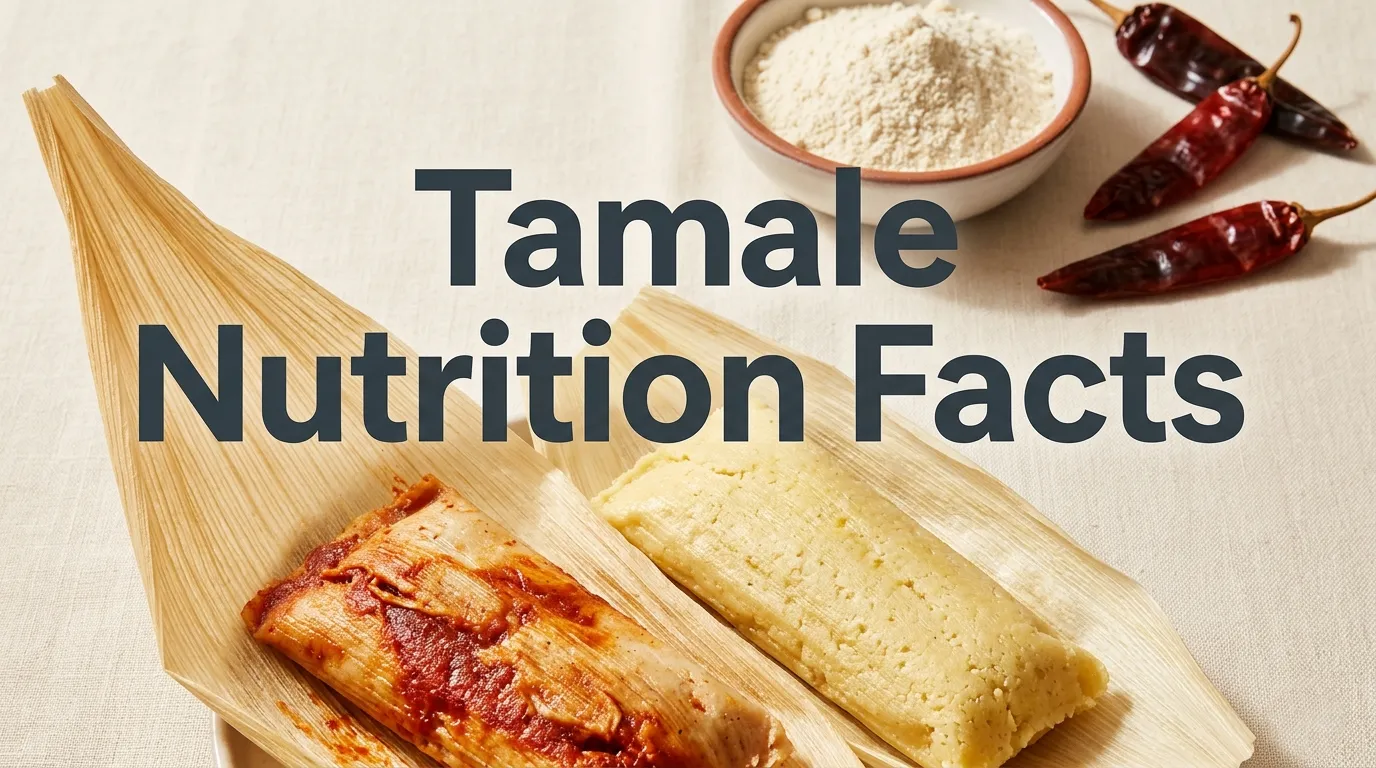
Tamale Nutrition Facts: A 2026 Guide to a Healthier Tamal
Tamale nutrition facts vary dramatically, but a single, average-sized pork tamale contains about 281 calories, 17 grams of fat, and 13 grams of protein. The exact numbers depend almost entirely on the masa-to-filling ratio and the type of fat used.
The USDA FoodData Central database provides the baseline for these estimates. A pork tamale differs nutritionally from a chicken or sweet bean version by a significant margin.
We will break down the exact macros for pork, chicken, sweet, and homemade tamales. You will learn how the masa and lard affect the final count and how to make a better tamale without losing the tradition.
Tamale Nutrition Facts
Tamale nutrition facts reveal a food that is a complete meal wrapped in a corn husk. A standard pork tamale provides a balance of complex carbohydrates, complete protein, and a high fat content..
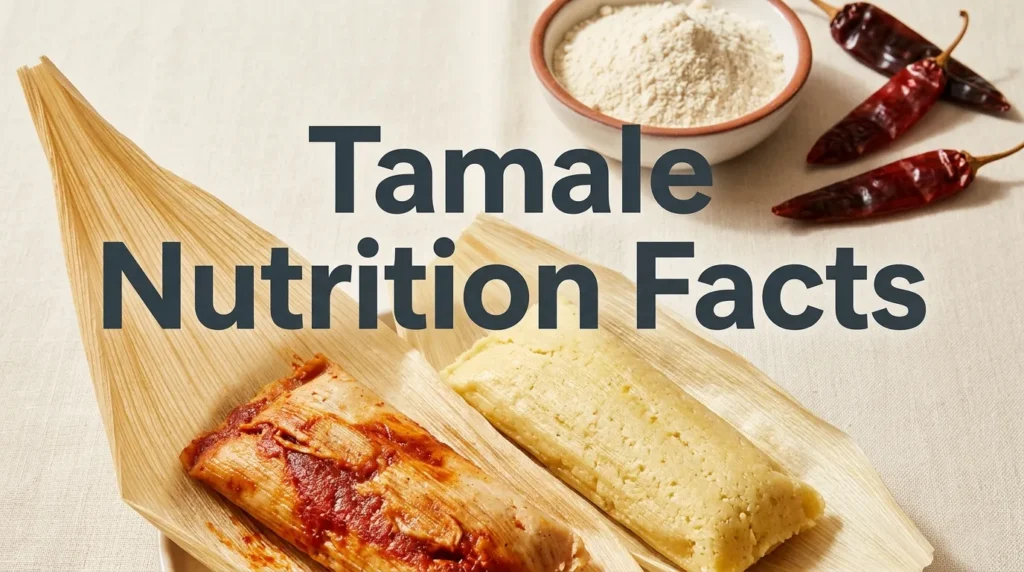
The fat is historically lard, which creates the signature light and fluffy masa texture. The carbohydrate base is ground nixtamalized corn, which offers a specific set of nutrients not found in raw cornmeal.
This combination provides immediate energy from the masa and long-lasting satiety from the protein and fat. The nutritional value is deeply linked to the quality of these two core components.
Regional styles also play a crucial role in the nutrition label you cannot see. A giant Oaxacan tamale steamed in a banana leaf contains nearly double the masa of a petite, tightly wrapped Mexico City style tamal.
| Tamale Style | Avg. Weight | Calories | Key Fat Source | Primary Carbs |
|---|---|---|---|---|
| Pork (Mexico City) | 128g | 281 | Lard | Masa |
| Chicken (Salsa Verde) | 100g | 210 | Vegetable oil | Masa |
| Sweet Raisin | 115g | 260 | Shortening | Masa & Sugar |
| Oaxacan (Banana Leaf) | 200g | 450 | Lard | Masa |
Key Takeaway: A tamale’s nutrition is defined by its size and fat source. A smaller, chicken-filled tamale in a corn husk is a different meal entirely from a large, lard-rich Oaxacan style.
Calories in a Tamale
Calories in a tamale range from 180 for a small vegetarian version to over 400 for a large, traditional pork tamale. The average restaurant or homemade pork tamale lands firmly around 280 to 300 calories.
The calorie count is driven primarily by the fat in the masa dough. Lard is calorie-dense, and it accounts for a larger portion of the tamale’s volume than most people realize.
Understanding this helps you frame the tamale as a main course, not a side dish. Two to three tamales easily make a complete 600 to 900 calorie meal.
The filling is the secondary calorie driver. A cheese and chile rajas filling adds calories from dairy fat, while a lean chicken breast filling reduces the overall count compared to fatty pork shoulder.
- Pork Tamale (128g): ~281 calories
- Chicken Tamale (100g): ~210 calories
- Rajas (Cheese) Tamale (120g): ~270 calories
- Bean Tamale (110g): ~220 calories
Tamale Masa Nutrition
Tamale masa nutrition is the foundational layer of the tamale. The masa is a dough made from masa harina, which is flour from corn that has undergone nixtamalization.
This process cooks and steeps the corn in an alkaline solution, usually calcium hydroxide. Nixtamalization fundamentally changes the nutritional structure of the corn.
It makes the vitamin B3 (niacin) bioavailable, preventing the deficiency disease pellagra. It also increases the calcium content and improves the balance of essential amino acids in the corn protein.
The fat folded into the masa, traditionally lard, is what creates the tender, airy bite. This step is non-negotiable for texture but is the single largest source of calories and saturated fat in the dish.
Insider Tip:
- For lighter masa: Substitute half the lard with a neutral oil like avocado or refined coconut oil. It changes the flavor subtly but reduces saturated fat.
- For flavor: Use rich chicken stock as part of the liquid for savory tamales; it adds depth without extra fat.
- The test: A well-mixed masa floats in a glass of water. This test is about aeration from the fat and mixing, confirming you have added enough to get the right texture.
Pork Tamale Nutrition Facts
Pork tamale nutrition facts represent the most traditional and one of the most calorie-dense versions of the dish. A standard 128-gram pork tamale contains about 281 calories and 17 grams of fat.
The pork filling is typically made from slow-cooked pork shoulder. This cut is well-marbled with fat, which keeps the meat moist during the long cooking process.
When cooked, the fat renders into the red chile sauce. This creates a rich, cohesive filling that is high in both protein and saturated fat.
The flavor payoff is immense, but it concentrates the calories. For those managing saturated fat intake, a pork tamale should be consumed mindfully, balanced with lighter, vegetable-forward sides like a fresh nopales salad.
| Nutrient | Amount | % Daily Value (approx.) |
|---|---|---|
| Calories | 281 | 14% |
| Total Fat | 17g | 22% |
| Saturated Fat | 4.4g | 22% |
| Cholesterol | 33mg | 11% |
| Protein | 13g | 26% |
| Sodium | 749mg | 33% |
Key Takeaway: Pork tamales are a delicious, high-fat protein source, but their saturated fat and sodium content means they are best enjoyed as a main meal a few times a week, not as a daily indulgence.
Chicken Tamale Calories
Chicken tamale calories are generally lower than pork, averaging around 210 for a standard-sized tamale. This makes the chicken tamale a popular choice for the health-conscious eater.
The calorie reduction comes from using leaner meat, typically chicken breast or thigh simmered in a tomatillo-based salsa verde. This filling is lower in saturated fat than its pork counterpart.
This lower fat content in the filling creates a subtle but noticeable textural difference. The chicken tamale depends entirely on the fat in the masa for its richness.
Salsa verde provides a bright, acidic counterpoint to the fatty masa. This allows the cook to use slightly less salt, as the acidity keeps the palate from perceiving the food as bland.
To make or choose the healthiest chicken tamale:
- Look for visible chunks of breast meat. This indicates a higher protein-to-fat ratio.
- Assess the sauce consistency. A lighter, tomatillo-based salsa is lower in calories than a thick, cream-laden or mole sauce.
- Ask about the masa. Even with a lean filling, a heavy-lard masa will dominate the calorie count.
- Pair it smartly. Two chicken tamales with a large side of leafy green salad make a perfectly balanced 500-600 calorie meal.
Tamale Carbs
Tamale carbs come entirely from the corn masa and range from 18 to 35 grams per tamale depending on its size. Most of this is complex carbohydrate, not simple sugar.
The type of carbohydrate matters significantly here. The masa harina used is a whole grain corn flour, which provides dietary fiber.
A standard pork tamale has around 22 grams of carbs with about 3.6 grams of fiber. This fiber helps slow down the absorption of glucose into the bloodstream.
However, for individuals closely monitoring their blood sugar, the glycemic load of a single tamale is moderate. The accompanying fat and protein in the filling help further blunt the blood sugar spike.
- Net Carbs (Total Carbs minus Fiber): A pork tamale has about 18.4 grams of net carbs per serving.
- Sweet Tamales: These have significantly more sugar, often 30-45 grams of carbs, with a large portion being added sugar from the masa and filling.
- Gluten-Free Status: Tamales made with 100% masa harina are naturally gluten-free, making them suitable for those with Celiac disease. Always confirm that no wheat flour or broth containing gluten was added.
Tamale Sodium Content
Tamale sodium content is one of its most significant nutritional drawbacks. A single pork tamale can contain nearly 750 milligrams of sodium, representing about a third of the American Heart Association’s ideal daily limit.
The sodium accumulates from every step of the process. The masa is seasoned with salt, and the pork is slow-cooked in a salty chile sauce.
The cooking liquid, whether chicken stock or water with bouillon, is a major sodium contributor. When you layer the salted masa with a savory filling, the numbers add up quickly.
A meal of two or three tamales can easily exceed a full day’s recommended sodium intake. For individuals with hypertension, this is a critical consideration that requires a clear mitigation strategy.
- Rinse and soak dried chiles: This removes excess sodium from the dried pods themselves.
- Use low-sodium chicken stock: Always opt for unsalted or low-sodium versions of any liquid added.
- Season the masa lightly: The flavor should come from the filling and salsa, not just the salt in the dough.
- Balance with potassium: Serve tamales with high-potassium sides like avocado or a fresh tomato and onion salad to help counteract sodium’s effects.
Key Takeaway: A single tamale can pack a third of your daily sodium limit. If you have high blood pressure, you must moderate your portion or use reduced-sodium recipes at home to make them a viable meal.
Tamale Vitamins and Minerals
Tamale vitamins and minerals go beyond the macronutrient debate, offering a rich profile of essential micronutrients often missing from other snack foods. A pork tamale is an excellent source of the B-vitamins, especially niacin and vitamin B12.
The nixtamalization of corn is the sole reason for this. The traditional process unlocks the niacin in the corn and infuses the masa with calcium, a mineral critical for bone health that untreated corn lacks.
The pork filling provides a significant dose of highly bioavailable heme iron and zinc. These minerals are essential for oxygen transport and immune function, respectively.
A single tamale can contain nearly 20 percent of the daily value for iron. This combination of B12, niacin, and iron makes a tamale a surprisingly nutrient-dense food, a detail often lost when only discussing fat and carbs.
| Micronutrient | Pork Tamale (Approx. 128g) | Primary Function |
|---|---|---|
| Vitamin B12 | 0.96 mcg (40% DV) | Neurological function, DNA creation |
| Niacin (B3) | 3.6 mg (23% DV) | Converts food into energy |
| Zinc | 2.4 mg (22% DV) | Immune function, wound healing |
| Iron | 3.3 mg (18% DV) | Oxygen transport in red blood cells |
| Calcium | 49 mg (4% DV) | Bone and dental health |
Are Tamales Healthy
Are tamales healthy is a question with a nuanced answer. Yes, tamales can be a healthy part of a balanced diet, delivering complete protein, fiber, complex carbs, and key vitamins.
Their health profile is defined entirely by their construction. A tamale built with a modest amount of lard, a lean protein, and a thin layer of masa is a nutritious, whole-food meal.
The traditional version, built with a generous amount of lard, a high-fat pork filling, and a thick masa shell, leans into an indulgent comfort food category. The health value shifts depending on the goal of the meal.
The cultural context also matters for wellness. The act of making tamales at a tamalada is a social and cultural practice that brings people together, which has a different kind of health value. This doesn’t change the saturated fat count, but it reframes the food as an occasional, deeply valued cultural indulgence, not a daily fast-food calorie source.
Key Takeaway: Tamales are not inherently unhealthy. They are a traditional whole-food package that can be made lighter or more indulgent. The cook controls the “health” dial.
Tamale vs Burrito Nutrition
A tamale vs burrito nutrition comparison shows two iconic foods assembled with similar ingredients but yielding completely different macro profiles. A large flour tortilla burrito can easily pack 800 to 1,000 calories.
A tamale, even a rich pork one, is a far more portion-controlled package. The corn husk naturally limits the serving size to a modest cylinder of masa and filling.
The carb-to-protein ratio is the primary battleground. A huge flour tortilla is a refined carbohydrate bomb that can contain 40 to 50 grams of carbs on its own, before even adding rice.
Tamale masa, being nixtamalized, has a better nutritional pedigree. When you remove the rice and tortilla, a tamale plate with beans offers a lower calorie, higher fiber, and more culturally intact meal than a super-sized American burrito.
| Feature | Pork Tamale (1, 128g) | Standard Beef Burrito (1, 400g) |
|---|---|---|
| Calories | ~281 | ~850 |
| Protein | 13g | 45g |
| Total Fat | 17g | 35g |
| Total Carbs | 22g | 75g |
| Dietary Fiber | 3.6g | 5g |
| Sodium | ~749mg | ~1,800mg |
Homemade Tamale Nutrition
Homemade tamale nutrition hands you full control over every ingredient that goes into the final dish. You can choose the masa, fat, filling, and sauce to align with specific health goals.
The first change a home cook can make is to the fat source. Swapping a portion of the lard for a liquid oil or whipped avocado can immediately shift the fatty acid profile toward healthier unsaturated fats.
The second control point is the filling. Using shredded, stewed chicken breast instead of fatty pork shoulder drastically reduces the saturated fat and calorie count without sacrificing protein.
The third, and most subtle change, is the masa-to-filling ratio. A thinner spread of masa on the corn husk, which is actually a hallmark of skilled tamaleras, naturally creates a tamale with a higher proportion of protein-rich filling.
- Control the fat: Use half lard and half neutral oil.
- Boost fiber: Mix a small amount of pureed black beans into the masa dough.
- Lean on flavor, not salt: Toast cumin, blend rehydrated chiles, and char tomatoes for the sauce.
- Choose your wrapper: Steaming tamales in banana leaves adds a distinct, earthy flavor and can allow for a slightly moister tamale with less fat.
Sweet Tamale Calories
Sweet tamale calories are deceptive because the dish looks similar to a savory tamale but is a fundamentally different nutritional product. A standard sweet tamale contains 30 to 50 grams of carbohydrates.
These tamales replace the savory meat filling with sweet pastes, fruits, or custards. The masa itself is also sweetened with sugar and often colored with red food dye or beetroot.
The fat source is still lard or shortening. This combination of starch, saturated fat, and sugar makes a sweet tamale closer to a dessert pastry like a cake than a savory corn dumpling.
The glycemic load is high, making it a poor choice for diabetics. For those tracking macros, it’s critical to differentiate a strawberry tamale from a chicken one, as the calorie and sugar counts are worlds apart.
- Sweet Corn Tamale (115g): ~260 calories, 7g fat, 45g carbs, 25g sugar, 4g protein.
- Chicken Tamale (100g): ~210 calories, 11g fat, 20g carbs, 1g sugar, 11g protein.
- Source of sugar: Look for “condensed milk,” “piloncillo,” or “pineapple paste” on the ingredient list.
- Best approach: Treat a sweet tamale as a dessert, not a side dish.
Key Takeaway: A sweet tamale is a dessert with the sugar count to match. Track it separately from savory tamales, as its carb and sugar content are often twice as high.
Frequently Asked Questions About Tamale Nutrition
How many calories are in one pork tamale?
A standard one pork tamale weighing about 128 grams contains approximately 281 calories, according to USDA FoodData Central data.
The fat in the masa and the pork shoulder contributes the largest share of these calories.
Larger, restaurant-style tamales can contain 400 calories or more.
Are chicken tamales healthier than pork tamales?
Chicken tamales are generally leaner and lower in calories, with around 210 calories compared to 281 for a pork tamale.
The healthiness depends on the cut of chicken used and the amount of lard in the masa.
A chicken breast tamale with a lighter masa is a healthier choice than a pork shoulder tamale by almost every metric.
How many carbs are in a tamale?
A single pork tamale contains about 22 grams of total carbohydrates, with roughly 3.6 grams of fiber.
This gives it a net carb count of about 18.4 grams.
Sweet tamales can have 30-50 grams of carbs, making them a high-glycemic food.
Are tamales gluten-free?
Tamales made with 100 percent masa harina and a gluten-free filling are naturally gluten-free.
The nixtamalization process only involves corn, lime, and water.
You must always check that the broth or flavorings used in the meat filling do not contain wheat-based thickeners.
Why are tamales so high in fat?
Tamales are high in fat because the traditional recipe uses a large amount of lard beaten into the masa dough to create a light, airy texture.
Pork lard is a saturated fat that provides flavor and a specific mouthfeel that is hard to replicate.
This lard is also calorie-dense, which is why a single tamale can contain 17 to 25 grams of total fat.
How can I make healthier tamales at home?
You can make healthier tamales at home by substituting half the lard with a neutral vegetable oil or avocado oil.
Increase the amount of lean chicken filling and use a lighter hand when spreading the masa on the husk.
Season the filling with toasted spices and fresh herbs instead of relying on high-sodium bouillon.
Tamale nutrition is not a fixed concept. A pork tamale is a rich, indulgent main course, while a chicken tamale can be a lean, balanced meal. The power is entirely in the details of its preparation. The choice of masa, the fat you beat into it, and the filling you smother in salsa determine where your tamale lands on the spectrum from a festive feast to a healthy weekly staple.
When you plan your next tamalada, hold on to that control. Use the USDA numbers as your template, not an absolute rule. Check your chicken stock for hidden sodium. Experiment with a lighter masa. The goal isn’t to make a diet tamale; it is to make an intentional one. Look up a specific recipe, read the nutrition label on the broth you buy, and decide what matters most for your own plate.
The best tamale isn’t the one with the fewest calories. It is the one you make with full knowledge of what’s inside, allowing you to enjoy every bite of a tradition that belongs on your table, whatever your dietary goals happen to be.