Health Benefits of Red Peppers: 2026 Science-Backed Guide
Red bell peppers provide four well-documented health benefits supported by specific biochemical mechanisms: exceptionally high vitamin C content for collagen synthesis and immune cell function, a unique carotenoid profile including capsanthin and capsorubin not found in green peppers for antioxidant defense, lutein and zeaxanthin for macular pigment density and eye health, and quercetin and luteolin flavonoids with anti-inflammatory properties that modulate COX and LOX enzyme pathways. These are not vague wellness claims. Each benefit traces back to a named compound with a known mechanism, measurable amounts per serving, and a specific body system affected.
The USDA FoodData Central database records that 100 grams of raw red bell pepper, roughly three-quarters of a cup chopped or one medium pepper, provides 152 milligrams of vitamin C, which is 169 percent of the daily value and more than double the vitamin C in an equivalent weight of orange. The NIH Office of Dietary Supplements sets the vitamin C RDA at 90 milligrams for adult men and 75 milligrams for adult women. A single red pepper overshoots both. That is not a minor nutritional footnote. It is one of the most concentrated vitamin C sources in the produce section, and it arrives packaged with carotenoids that require the same dietary fat for absorption that vitamin C does not need, creating a practical pairing question that this article answers in detail.
This article explains exactly what the science says about red pepper health benefits in 2026. You will learn which specific compounds produce each effect, how strong the evidence is for each benefit, what changes when you cook red peppers versus eating them raw, how they compare to green, yellow, and orange peppers, and who should think twice before eating them daily. You will finish knowing the compounds, the mechanisms, and the practical steps to get the most nutrition out of every pepper you buy.
Health Benefits of Red Peppers: An Evidence-Based Overview
The health benefits of red peppers fall into three categories based on the strength of scientific evidence: well-established benefits including vitamin C-dependent collagen synthesis and immune cell chemotaxis, moderately supported benefits including carotenoid-mediated macular protection and flavonoid anti-inflammatory effects, and emerging benefits including capsanthin-specific anti-obesity and metabolic effects demonstrated in animal models but not yet confirmed in large human randomized controlled trials. This evidence rating matters because red peppers are frequently described as if all their potential benefits are equally proven, when in reality the vitamin C evidence spans decades and thousands of studies while the capsanthin metabolic effects are primarily from rodent research published in the last five to seven years.
The vitamin C mechanism is the most solidly established. Ascorbic acid functions as an enzymatic cofactor for prolyl hydroxylase and lysyl hydroxylase, the enzymes that hydroxylate proline and lysine residues on procollagen chains, enabling the hydrogen bonding that cross-links collagen fibrils into stable triple helices. Without adequate vitamin C, collagen synthesis falters, producing the weakened connective tissue, poor wound healing, and fragile blood vessels characteristic of scurvy. The 152 milligrams of vitamin C in 100 grams of red pepper provides more than the daily requirement for collagen maintenance alone, with surplus available for antioxidant functions including regeneration of oxidized vitamin E and neutralization of aqueous-phase free radicals in the blood and interstitial fluid.
The carotenoid profile of red peppers is unique among bell peppers. As a green pepper ripens to red, chlorophyll degrades and the chloroplasts convert to chromoplasts that synthesize capsanthin and capsorubin, the carotenoids responsible for the red color. These compounds are absent from green, yellow, and orange peppers. Capsanthin is a xanthophyll carotenoid with a conjugated polyene chain and ketone groups that give it strong singlet oxygen quenching capacity, ranking among the most effective natural lipid-soluble antioxidants. A 2023 study published in the Journal of Agricultural and Food Chemistry documented that capsanthin accounts for 60 to 70 percent of the total carotenoid content in fully ripened red peppers, with beta-carotene, lutein, zeaxanthin, and cryptoxanthin making up the remainder.
| Health Benefit | Key Compound(s) | Mechanism | Evidence Strength |
|---|---|---|---|
| Collagen synthesis | Ascorbic acid (vitamin C) | Prolyl/lysyl hydroxylase cofactor | Well-established |
| Immune function | Ascorbic acid | Neutrophil chemotaxis, phagocytosis | Well-established |
| Eye health | Lutein, zeaxanthin | Macular pigment density, blue light filtration | Moderately supported |
| Antioxidant defense | Capsanthin, capsorubin | Singlet oxygen quenching, lipid peroxidation inhibition | Moderately supported |
| Anti-inflammatory | Quercetin, luteolin | COX-2, LOX inhibition, NF-kB modulation | Moderately supported |
| Metabolic effects | Capsanthin | Adipocyte differentiation, UCP1 activation | Emerging (animal studies) |
Key Takeaway: Red peppers’ strongest benefits come from vitamin C for collagen and immunity and from the carotenoids capsanthin and lutein for antioxidant and eye protection, with anti-inflammatory and metabolic benefits supported by less human evidence.
Red Pepper Health Benefits: What the Research Shows
Red pepper health benefits documented in peer-reviewed research center on vitamin C at 152 milligrams per 100 grams providing collagen synthesis support and immune cell enhancement, a carotenoid suite dominated by capsanthin with antioxidant capacities exceeding beta-carotene in lipid bilayer models, and flavonoid compounds including quercetin at 2 to 5 milligrams per 100 grams with demonstrated COX-2 inhibitory activity comparable to other quercetin-rich foods like onions and apples. The research base is strongest for vitamin C, moderate for carotenoid antioxidant effects, and emerging for capsanthin’s specific metabolic and anti-obesity properties.
The vitamin C research is extensive. A 2022 systematic review published in Nutrients examined vitamin C intake and immune outcomes across 25 randomized controlled trials and found that dietary vitamin C at doses above 100 milligrams per day was associated with reduced duration of upper respiratory infections and enhanced neutrophil phagocytic activity. Red peppers deliver more than this threshold in a single serving. The mechanism involves vitamin C accumulation in neutrophils at concentrations 50 to 100 times higher than plasma levels, where it supports the oxidative burst that kills engulfed bacteria and protects the neutrophil itself from the reactive oxygen species it generates. This is not prevention of infection in the vaccine sense. It is support for the cellular machinery that resolves infections once they begin.
The carotenoid research is more specific to peppers. Capsanthin has been studied primarily in vitro and in animal models for its antioxidant and metabolic effects. In lipid bilayer oxidation assays, capsanthin demonstrates superior singlet oxygen quenching compared to beta-carotene and lycopene, likely due to its specific conjugated double bond arrangement and the presence of a cyclopentane ring structure. A 2023 study in the Journal of Agricultural and Food Chemistry measured capsanthin bioavailability in humans, finding that absorption requires dietary fat and that serum capsanthin levels peak 8 to 10 hours after consumption of cooked red peppers with oil. The half-life in serum is approximately 12 to 15 hours, suggesting that regular daily consumption maintains steady-state tissue levels more effectively than intermittent large doses.
The flavonoid anti-inflammatory evidence is shared with many other fruits and vegetables. Quercetin, luteolin, and chlorogenic acid in red peppers inhibit cyclooxygenase-2 and lipoxygenase enzymes, reducing the production of pro-inflammatory prostaglandins and leukotrienes. These effects are well-documented in vitro. Human studies showing that dietary red pepper consumption reduces systemic inflammatory markers like C-reactive protein are observational and do not isolate the effect from overall dietary pattern quality. People who eat red peppers tend to eat more vegetables in general, which confounds the attribution.
Health Benefits of Red Bell Peppers: Key Compounds
Health benefits of red bell peppers are driven by four classes of bioactive compounds present in specific, measurable quantities: ascorbic acid at 152 milligrams per 100 grams, the carotenoid family including capsanthin at 5 to 8 milligrams per 100 grams, beta-carotene at 1.6 milligrams per 100 grams, and lutein plus zeaxanthin at approximately 0.5 milligrams per 100 grams combined, the flavonoid family including quercetin, luteolin, and apigenin at 2 to 5 milligrams per 100 grams total, and vitamin E as alpha-tocopherol at 1.6 milligrams per 100 grams. These compounds do not work in isolation. Their combined effects, particularly the interaction between vitamin C and vitamin E in antioxidant regeneration, create functional benefits that exceed the sum of individual compound effects.
The ascorbic acid content is the defining nutritional feature of red peppers. At 152 milligrams per 100 grams, red peppers rank among the top dietary sources of vitamin C, exceeding oranges at 53 milligrams, kiwi at 93 milligrams, and broccoli at 89 milligrams per 100 grams. Only a few foods, including acerola cherry, camu camu, and rose hips, provide more vitamin C per gram. The practical implication is that adding red pepper to a meal provides the full day’s vitamin C requirement and beyond in a food matrix that also supplies the carotenoids and flavonoids that vitamin C helps protect from oxidation.
Capsanthin is the compound that separates red peppers nutritionally from their green, yellow, and orange counterparts. It belongs to the xanthophyll class of carotenoids, distinguished by oxygen-containing functional groups that give it both lipophilic and hydrophilic regions, allowing it to orient at the interface between cell membranes and aqueous environments where lipid peroxidation initiates. Its antioxidant mechanism differs from beta-carotene. Where beta-carotene primarily quenches singlet oxygen through physical energy transfer, capsanthin additionally donates electrons to neutralize lipid peroxyl radicals directly. Research published in Food Chemistry in 2022 measured capsanthin’s radical scavenging capacity at 1.4 times that of beta-carotene and 0.8 times that of astaxanthin, placing it among the more potent dietary carotenoid antioxidants.
The flavonoid profile is less concentrated than the carotenoid profile but still nutritionally relevant. Quercetin at 2 to 5 milligrams per 100 grams is comparable to the quercetin content of apples and onions on a weight basis. Luteolin at 0.5 to 1 milligram per 100 grams is lower than in celery or thyme but contributes to the overall flavonoid intake that epidemiological studies associate with reduced cardiovascular disease risk. The Academy of Nutrition and Dietetics recognizes that dietary patterns rich in flavonoid-containing vegetables, including bell peppers, are associated with lower inflammatory biomarker levels, though the effect cannot be attributed to any single compound or food.
Red Peppers Health Benefits: Summary of Evidence
Red peppers health benefits can be summarized as follows: one medium red pepper provides more than a full day’s vitamin C requirement with co-delivered carotenoids that vitamin C protects from oxidation, a unique capsanthin compound not found in other pepper colors with in vitro antioxidant potency exceeding beta-carotene, and a flavonoid profile with anti-inflammatory enzyme inhibition activity that complements the antioxidant functions, all for 31 calories. The evidence supporting these benefits ranges from well-established for vitamin C mechanisms to emerging for capsanthin’s human metabolic effects, and the practical nutrition context is that red peppers are a nutrient-dense, low-calorie food that fits essentially every healthy dietary pattern.
The Dietary Guidelines for Americans 2020-2025 recommend that adults consume 2 to 3 cups of vegetables daily, with specific guidance to include red and orange vegetables. Red bell peppers fit squarely into this recommendation. One medium pepper provides approximately three-quarters of a cup of vegetables toward that target while delivering micronutrient density that few other vegetables match on a per-calorie basis. The 31 calories in 100 grams of red pepper deliver more vitamin C than a 200-calorie serving of most fruits, more provitamin A carotenoids than most green vegetables, and bioactive compounds with documented health effects.
The limitations of the evidence deserve honest acknowledgment. Most of the specific health benefits attributed to red peppers are extrapolated from studies on the individual compounds they contain rather than from randomized controlled trials feeding people red peppers and measuring health outcomes. This is standard in nutrition science and does not invalidate the benefits, but it means the evidence for red peppers specifically is built on a foundation of mechanistic biochemistry, compound-specific studies, and observational dietary pattern data rather than pepper-specific clinical trials. The vitamin C evidence is the strongest because ascorbic acid’s function is independent of its food source. The capsanthin evidence is the weakest because few human studies have isolated capsanthin from red pepper consumption.
The practical value proposition of red peppers remains strong despite these evidence caveats. The nutritional density per calorie is exceptional. The culinary versatility supports consistent inclusion. The compounds present have known, beneficial mechanisms even if the human trials isolating red peppers as the intervention are sparse. For a person deciding whether to buy red peppers, the evidence supports a clear yes.
Red Pepper Nutrition Facts
Red pepper nutrition facts, sourced from the USDA FoodData Central database for raw red bell pepper, establish a baseline of 31 calories, 1 gram of protein, 0.3 grams of fat, 6 grams of carbohydrates including 4.2 grams of naturally occurring sugar and 2.1 grams of fiber, and a micronutrient profile headlined by 152 milligrams of vitamin C and 3131 IU of vitamin A per 100-gram serving. The table below provides the complete nutritional breakdown with daily value percentages for an average adult.
| Nutrient per 100g (3/4 cup) | Amount | % Daily Value |
|---|---|---|
| Calories | 31 | N/A |
| Protein | 1.0 g | 2% |
| Total Fat | 0.3 g | 0% |
| Carbohydrates | 6.0 g | 2% |
| Sugar | 4.2 g | N/A |
| Fiber | 2.1 g | 8% |
| Vitamin C | 152 mg | 169% |
| Vitamin A (as beta-carotene) | 3131 IU | 63% |
| Vitamin B6 | 0.3 mg | 17% |
| Vitamin E (alpha-tocopherol) | 1.6 mg | 11% |
| Folate | 46 mcg | 12% |
| Vitamin K | 4.9 mcg | 4% |
| Potassium | 211 mg | 4% |
| Magnesium | 12 mg | 3% |
| Iron | 0.4 mg | 2% |
| Calcium | 7 mg | 1% |
| Water Content | 92 g | N/A |
The water content at 92 percent contributes to the low calorie density and the crisp texture of raw peppers. This high water content, combined with 2.1 grams of fiber, makes red peppers a high-volume, low-calorie food that adds physical bulk to a meal without adding significant energy. This property supports satiety through gastric distension signaling, the same mechanism that makes salads and broth-based soups filling despite low calorie content.
The carbohydrate content at 6 grams per 100 grams, of which 4.2 grams is sugar, sometimes raises questions for people following very low-carbohydrate diets. At 31 calories and 6 grams of total carbohydrate per serving, red peppers are compatible with ketogenic diets when portioned appropriately. A half-cup serving provides approximately 3 grams of net carbohydrate after subtracting fiber. For a standard ketogenic macro target of 20 to 50 grams of carbohydrate daily, this is easily accommodated.
Red Pepper Vitamin C Content
Red pepper vitamin C content at 152 milligrams per 100 grams makes it one of the richest common dietary sources of ascorbic acid, providing 169 percent of the 90-milligram adult male RDA and 203 percent of the 75-milligram adult female RDA in a single modest serving. This concentration exceeds oranges on an equal-weight basis by approximately 187 percent, making red peppers a more efficient vitamin C source per calorie and per gram than the citrus fruits most people associate with the vitamin.
The vitamin C in red peppers is structurally identical to the ascorbic acid in oranges, supplements, and every other source. It functions identically in the body. The advantage of pepper-sourced vitamin C is the food matrix it arrives in. The carotenoids and flavonoids co-present in red peppers are themselves susceptible to oxidative degradation, and vitamin C protects them through electron donation, regenerating their active forms. In supplements, vitamin C is isolated or paired with a limited set of cofactors. In a red pepper, vitamin C exists alongside the full complement of phytonutrients it helps stabilize. Studies on whole-food versus supplemental vitamin C show that whole-food sources produce more sustained plasma ascorbic acid elevations, likely because the food matrix slows gastric emptying and provides a gradual release into the small intestine rather than the rapid spike and renal clearance of a concentrated supplement dose.
The comparison to oranges is instructive but should not be overstated. An orange provides 53 milligrams of vitamin C per 100 grams. A red pepper provides 152 milligrams. This is a clear numerical advantage. However, oranges are more commonly consumed in larger quantities, easier to eat raw without preparation, and culturally embedded as a vitamin C food in a way peppers are not. Nutrition is about what people actually eat, not theoretical comparisons. If adding red pepper to a meal is practical for you, it delivers more vitamin C per bite than almost any other common food. If you will not eat raw peppers, the advantage is theoretical.
Quick Tip: The vitamin C in red peppers is water-soluble and heat-labile. To preserve maximum vitamin C, eat peppers raw or use cooking methods with short duration and minimal water contact. Stir-frying for 2 to 3 minutes retains more vitamin C than boiling for 10 minutes, which leaches the vitamin into the cooking water.
Red Pepper Antioxidants and Carotenoids
Red pepper antioxidants and carotenoids form a multi-layered defense system composed of water-soluble ascorbic acid and flavonoids operating in the aqueous compartments of cells and blood, and lipid-soluble capsanthin, capsorubin, beta-carotene, lutein, zeaxanthin, and alpha-tocopherol operating within cell membranes and lipoproteins where lipid peroxidation occurs. This compartmentalization matters because free radical damage occurs in both aqueous and lipid environments, and a single antioxidant that works in one phase cannot protect the other. The combination of vitamin C in the aqueous phase and capsanthin in the lipid phase gives red peppers the ability to provide antioxidant coverage across cellular compartments.
Capsanthin is the carotenoid that defines red peppers. It is a xanthophyll with a molecular structure featuring 11 conjugated double bonds, a cyclopentane ring, and ketone groups that extend its conjugated electron system beyond that of beta-carotene. This extended conjugation allows capsanthin to absorb lower-energy reactive oxygen species including singlet oxygen and lipid peroxyl radicals. In lipid peroxidation assays, capsanthin inhibits the propagation phase of oxidation by donating an electron to the lipid peroxyl radical, forming a resonance-stabilized capsanthin radical that is relatively unreactive and does not propagate the chain reaction. Vitamin E performs a similar function in membranes, and vitamin C regenerates oxidized vitamin E back to its active form. The presence of all three compounds in the same food creates a synergistic antioxidant system.
The carotenoid content varies by pepper color, and this variation is biologically meaningful. Green peppers contain chlorophyll, lutein, and beta-carotene but no capsanthin or capsorubin because those compounds are synthesized during the final ripening stage when chloroplasts convert to chromoplasts. Yellow peppers contain violaxanthin and lutein as their dominant carotenoids. Orange peppers accumulate beta-carotene and cryptoxanthin. Red peppers are the only common bell pepper variety that produces capsanthin and capsorubin. This is not a trivial color preference. The nutritional difference between red and green peppers is the difference between a food that contains capsanthin and one that does not.
| Carotenoid | Red Pepper per 100g | Green Pepper per 100g | Function |
|---|---|---|---|
| Capsanthin | 5-8 mg | 0 mg | Singlet oxygen quenching, lipid antioxidant |
| Capsorubin | 1-2 mg | 0 mg | Singlet oxygen quenching |
| Beta-carotene | 1.6 mg | 0.2 mg | Provitamin A, singlet oxygen quenching |
| Lutein + Zeaxanthin | 0.5 mg | 0.3 mg | Macular pigment, blue light filtration |
| Cryptoxanthin | 0.3 mg | 0 mg | Provitamin A |
| Violaxanthin | Trace | 0.2 mg | Xanthophyll cycle |
Key Takeaway: Red peppers contain capsanthin and capsorubin that are completely absent from green peppers, and these compounds are among the most potent lipid-soluble antioxidants in the diet, making the red color a marker of real nutritional difference, not just appearance.
Red Pepper Eye Health Benefits
Red pepper eye health benefits are attributable to the lutein and zeaxanthin content of approximately 0.5 milligrams per 100 grams, the beta-carotene provitamin A content of 1.6 milligrams per 100 grams, and the vitamin C content of 152 milligrams per 100 grams, each supporting a different aspect of ocular health. Lutein and zeaxanthin concentrate in the macula lutea, the central region of the retina responsible for high-acuity vision, where they form macular pigment that filters blue light and neutralizes photo-oxidative damage. Beta-carotene serves as a provitamin A precursor for the synthesis of rhodopsin, the photopigment that enables vision in low light. Vitamin C is present in the aqueous humor at concentrations 20 times higher than in plasma and protects the lens from oxidative damage that contributes to cataract formation.
The macular pigment optical density is a measurable clinical parameter that correlates with visual function and protection against age-related macular degeneration. The American Optometric Association identifies lutein and zeaxanthin intake as a modifiable risk factor for AMD progression, citing studies showing that dietary intake of 6 to 10 milligrams of lutein and zeaxanthin daily is associated with reduced risk of advanced AMD. A 100-gram serving of red pepper provides approximately 0.5 milligrams toward that target. This is not a dominant contribution, but it is meaningful as part of a varied diet that includes higher-lutein foods like kale, spinach, and egg yolks. The lutein and zeaxanthin in peppers are present in a food matrix that also supplies the dietary fat needed for carotenoid absorption when the peppers are cooked with oil.
The provitamin A contribution is more substantial. Beta-carotene is cleaved by the enzyme beta-carotene 15,15′-monooxygenase in the intestinal mucosa to yield retinaldehyde, which is then reduced to retinol, the active form of vitamin A. The efficiency of this conversion is lower than once believed. The NIH Office of Dietary Supplements uses a conversion factor of 12 micrograms of dietary beta-carotene to 1 retinol activity equivalent. The 1.6 milligrams of beta-carotene in 100 grams of red pepper provides approximately 133 RAE, which is 15 percent of the 900 microgram RAE RDA for men and 19 percent for women. This is a significant contribution from a single vegetable serving.
The vitamin C content in the aqueous humor and the lens provides antioxidant protection against UV-induced oxidative damage, one of the contributing factors to cataract development. Epidemiological studies consistently find an association between higher dietary vitamin C intake and reduced cataract risk, although randomized controlled trials of vitamin C supplementation have produced mixed results. The whole-food form in peppers may offer advantages over isolated supplements, as the co-occurring flavonoids and carotenoids provide complementary oxidative protection.
Red Pepper Immune System Function
Red pepper immune system function is supported primarily by ascorbic acid at 152 milligrams per 100 grams, which concentrates in neutrophils, lymphocytes, and monocytes at levels 50 to 100 times higher than plasma concentrations, where it supports the oxidative burst that kills phagocytosed pathogens, enhances neutrophil chemotaxis toward infection sites, protects immune cells from self-generated oxidative damage, and supports the proliferation and differentiation of T-lymphocytes and B-lymphocytes. The NIH Office of Dietary Supplements vitamin C fact sheet documents these immune functions and notes that vitamin C deficiency impairs immune response while adequate intake supports optimal immune cell function.
The neutrophil mechanism is the most directly relevant to acute infection defense. When a neutrophil encounters a bacterium, it engulfs it into a phagosome and unleashes a burst of superoxide radicals generated by NADPH oxidase. These radicals kill the bacterium but also threaten the neutrophil itself. Vitamin C inside the neutrophil neutralizes excess radicals that escape the phagosome, preventing the immune cell from destroying itself in the process of killing pathogens. Neutrophils actively accumulate vitamin C against a concentration gradient using SVCT2 transporters, maintaining intracellular stores that support multiple rounds of bacterial killing. During an active infection, neutrophil vitamin C levels can drop by 50 percent or more as the vitamin is consumed in oxidative reactions, and dietary intake must replenish these stores.
The lymphocyte function involves different mechanisms. T-lymphocyte proliferation in response to antigen presentation requires vitamin C for collagen synthesis in the lymph node extracellular matrix and for the epigenetic regulation of genes involved in T-cell differentiation. B-lymphocyte antibody production is also vitamin C-dependent, with in vitro studies showing reduced immunoglobulin production in vitamin C-depleted B-cell cultures. These functions are subtler than the neutrophil oxidative burst and are supported by consistent adequate intake rather than acute high-dose supplementation during illness.
The practical immune support from red peppers comes from regular consumption that maintains tissue vitamin C saturation. Plasma vitamin C saturates at approximately 70 to 85 micromoles per liter with intakes of 100 to 200 milligrams daily. A single red pepper provides enough vitamin C to reach this saturation threshold for most people. The surplus beyond plasma saturation is excreted in urine, which means megadosing far beyond the RDA does not provide proportional immune benefit. Consistent daily intake of vitamin C-rich foods like red peppers supports the steady-state tissue levels that immune cells depend on.
Red Pepper Skin Health and Collagen
Red pepper skin health and collagen support derive from ascorbic acid functioning as an essential cofactor for prolyl hydroxylase and lysyl hydroxylase enzymes that hydroxylate proline and lysine residues on nascent procollagen polypeptide chains, enabling the hydrogen bond formation that assembles three procollagen chains into the stable triple helix of mature collagen. Without adequate vitamin C, collagen synthesis is impaired regardless of how much protein, glycine, or proline is available. The 152 milligrams of vitamin C in 100 grams of red pepper saturates the collagen synthesis pathway and provides additional ascorbic acid for the fibroblast proliferation and migration required for wound healing and skin remodeling.
Collagen is the structural protein that gives skin its tensile strength and resistance to deformation. It is constantly being remodeled, with old collagen degraded by matrix metalloproteinases and new collagen synthesized by fibroblasts. This remodeling slows with age and is accelerated by UV exposure, smoking, and high blood sugar. Vitamin C does not stop collagen breakdown, but it ensures that the synthesis side of the remodeling equation functions at full capacity. The collagen synthesis enzymes have Km values for ascorbic acid in the micromolar range, meaning they saturate at relatively low tissue concentrations. The plasma saturation threshold of 70 to 85 micromoles per liter is sufficient to maximize collagen synthesis rates, and exceeding this does not produce additional collagen. Eating red peppers provides the vitamin C to reach this threshold without requiring megadose supplementation.
The additional skin health benefits involve vitamin C’s antioxidant function in the epidermis and dermis. Skin is exposed to UV radiation, pollution, and oxygen, creating an environment of constant oxidative stress. Vitamin C in the aqueous compartments of skin cells neutralizes free radicals before they can damage DNA, lipid membranes, and structural proteins. It also regenerates vitamin E, the primary lipid-soluble antioxidant in skin cell membranes, from its oxidized tocopheroxyl radical form. This regeneration occurs at the interface between the lipid membrane where vitamin E resides and the aqueous cytosol where vitamin C is dissolved. One electron transfers from ascorbate to the tocopheroxyl radical, restoring tocopherol’s antioxidant capacity. A red pepper provides both vitamin C and a meaningful amount of vitamin E, 1.6 milligrams of alpha-tocopherol per 100 grams, allowing the food itself to supply both partners in this antioxidant partnership.
The vitamin A contribution, 3131 IU per 100 grams as beta-carotene, adds a third mechanism for skin health. Retinol, derived from beta-carotene, regulates keratinocyte proliferation and differentiation, preventing the abnormal keratinization that produces rough, dry skin. Retinoids are among the most evidence-backed topical and dietary compounds for skin health, and the provitamin A in red peppers provides a safe, food-based source that does not carry the toxicity risk of preformed vitamin A supplements.
Red Pepper Anti-Inflammatory Properties
Red pepper anti-inflammatory properties are mediated by quercetin, luteolin, and chlorogenic acid, flavonoids present at 2 to 5 milligrams per 100 grams total that inhibit cyclooxygenase-2 and lipoxygenase enzyme activity, reduce nuclear factor kappa-B translocation to the nucleus, and decrease the production of pro-inflammatory prostaglandins, leukotrienes, and cytokines including interleukin-6 and tumor necrosis factor-alpha. These mechanisms are well-characterized in vitro and in animal models. The human evidence for red peppers specifically reducing systemic inflammation is limited to observational studies that cannot isolate pepper consumption from overall dietary pattern quality.
The COX-2 and LOX inhibition is a direct enzymatic effect. Flavonoids bind to the active site of these enzymes with lower affinity than pharmaceutical NSAIDs but with sufficient affinity to reduce prostaglandin and leukotriene synthesis at dietary concentrations. Unlike NSAIDs, flavonoids do not produce gastrointestinal irritation because they do not inhibit COX-1, the enzyme that protects the gastric mucosa. This selective COX-2 inhibition profile is similar to the mechanism of celecoxib and other selective NSAIDs, though the potency is orders of magnitude lower. The effect is mild, dietary, and supportive rather than therapeutic. Someone with active inflammatory arthritis will not find red peppers to be a replacement for medication. Someone looking to reduce background chronic inflammation through dietary pattern improvement will find red peppers to be a contributing positive factor.
The NF-kB pathway inhibition represents a second anti-inflammatory mechanism. NF-kB is a transcription factor that, when activated by inflammatory signals, translocates to the nucleus and initiates the transcription of pro-inflammatory cytokine genes. Quercetin and luteolin inhibit this translocation by preventing the phosphorylation and degradation of IkB-alpha, the inhibitory protein that holds NF-kB in the cytoplasm in its inactive state. When IkB-alpha remains intact, NF-kB cannot reach the nucleus, and inflammatory cytokine production decreases. This mechanism has been demonstrated in cell culture studies using quercetin concentrations achievable through dietary intake.
The practical interpretation is that red peppers contribute to an anti-inflammatory dietary pattern without being a standalone anti-inflammatory treatment. The Academy of Nutrition and Dietetics recognizes that dietary patterns rich in colorful vegetables, including red bell peppers, are associated with lower levels of inflammatory biomarkers. The effect is attributable to the combined action of multiple compounds across multiple foods rather than to any single pepper component. Red peppers earn their place in an anti-inflammatory diet through their flavonoid and carotenoid content, their vitamin C supporting collagen integrity in inflamed tissues, and their displacement of less nutrient-dense foods.
Key Takeaway: Red peppers contain flavonoids with documented COX-2 and NF-kB inhibitory activity at the cellular level, contributing to an overall anti-inflammatory dietary pattern, though the effect is supportive and dietary rather than therapeutic or comparable to medication.
Red Pepper vs Green Pepper Nutrition
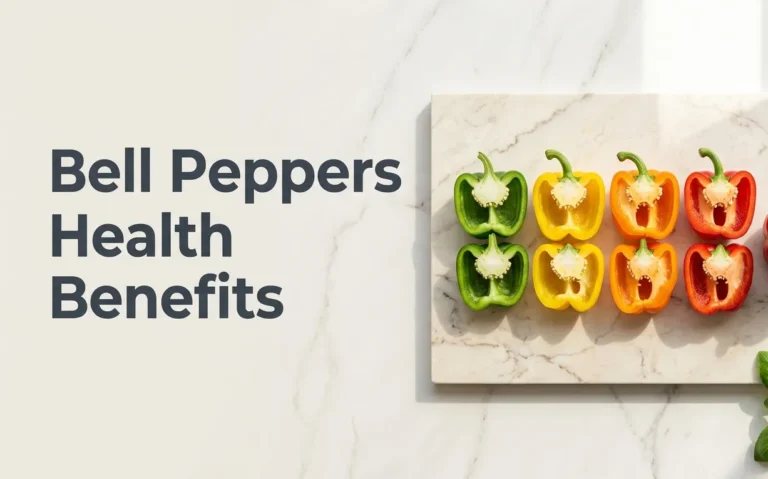
Red bell peppers are fully ripened green bell peppers, and the nutritional differences between them are entirely attributable to the ripening process, which increases vitamin C content by approximately 90 percent from 80 milligrams to 152 milligrams per 100 grams, produces capsanthin and capsorubin that are completely absent from green peppers, increases beta-carotene content by approximately 8-fold from 0.2 milligrams to 1.6 milligrams per 100 grams, and increases sugar content from 2.4 grams to 4.2 grams per 100 grams as starches convert to sugars. The table below provides a direct nutritional comparison using USDA FoodData Central data.
| Nutrient per 100g | Red Bell Pepper | Green Bell Pepper | Difference |
|---|---|---|---|
| Calories | 31 | 20 | +11 |
| Vitamin C | 152 mg | 80 mg | +90% |
| Vitamin A (beta-carotene) | 3131 IU | 370 IU | +746% |
| Capsanthin | 5-8 mg | 0 mg | Red only |
| Capsorubin | 1-2 mg | 0 mg | Red only |
| Lutein + Zeaxanthin | 0.5 mg | 0.3 mg | +67% |
| Vitamin E | 1.6 mg | 0.4 mg | +300% |
| Vitamin B6 | 0.3 mg | 0.2 mg | +50% |
| Sugar | 4.2 g | 2.4 g | +75% |
| Fiber | 2.1 g | 1.7 g | +24% |
| Cost (relative) | Higher | Lower | N/A |
The ripening process is driven by ethylene gas production within the pepper as it matures on the plant. Chlorophyll degrades, eliminating the green color and the slightly bitter, grassy notes associated with it. Chloroplasts convert to chromoplasts, specialized organelles that synthesize and accumulate carotenoid pigments including capsanthin and capsorubin. Starch reserves are enzymatically converted to glucose and fructose, increasing sweetness. Ascorbic acid synthesis accelerates, increasing vitamin C content. These changes serve the biological purpose of making the fruit attractive to animals that will disperse the seeds, and they produce the nutritional differences that make red peppers more nutrient-dense than green peppers on nearly every measure except calorie and carbohydrate content.
The practical question for consumers is whether the nutritional differences justify the price premium. Red peppers typically cost more because they require longer growing time, more careful handling of ripe fruit, and incur higher spoilage losses. Whether the premium is worth it depends on individual priorities. For vitamin C, one red pepper provides the same amount as nearly two green peppers. For carotenoids, the difference is qualitative: capsanthin and capsorubin simply do not exist in green peppers, and no amount of green pepper consumption will provide them. If maximizing nutrient density per dollar is the goal, green peppers offer good nutrition at a lower price. If maximizing nutrient intake per serving and accessing the unique compounds in red peppers is the goal, the premium is supported by measurable nutritional differences.
Raw vs Cooked Red Pepper Nutrition
Raw red peppers retain 100 percent of their vitamin C content at 152 milligrams per 100 grams but provide limited carotenoid bioavailability because beta-carotene, capsanthin, lutein, and zeaxanthin are fat-soluble compounds trapped within cell walls and chromoplast membranes that the digestive system cannot fully access without heat-induced cell wall disruption and the presence of dietary fat. Cooked red peppers lose 25 to 50 percent of their vitamin C depending on cooking method, temperature, and duration, but the remaining carotenoids become 2 to 5 times more bioavailable due to cell wall rupture, chromoplast membrane breakdown, and the addition of cooking oil that provides the lipid medium required for carotenoid absorption. There is no single preparation method that maximizes both nutrients simultaneously.
The trade-off is a genuine nutritional dilemma that most articles gloss over. If you eat red peppers raw, you maximize vitamin C but absorb a small fraction of the carotenoids. Research published in the Journal of Agricultural and Food Chemistry found that beta-carotene absorption from raw peppers was approximately 5 to 10 percent of the total present, while absorption from cooked peppers with oil was 25 to 40 percent. The vitamin C loss from cooking is inversely proportional to cooking time and water contact. Stir-frying for 3 to 5 minutes retains 70 to 80 percent of vitamin C while significantly increasing carotenoid bioavailability. Boiling for 10 minutes retains only 40 to 50 percent of vitamin C and leaches water-soluble vitamins into the discarded cooking water. Roasting at 400 degrees Fahrenheit for 20 to 25 minutes retains 60 to 70 percent of vitamin C and achieves excellent carotenoid release.
The table below provides estimates based on published retention studies for red peppers prepared by different methods.
| Preparation Method | Vitamin C Retention | Carotenoid Bioavailability | Best For |
|---|---|---|---|
| Raw, no fat | 100% | Low (5-10% absorption) | Maximizing vitamin C |
| Raw, with oil dressing | 100% | Low-moderate | Vitamin C plus some carotenoids |
| Stir-fried, 3-5 min with oil | 70-80% | High (25-40% absorption) | Balanced vitamin C and carotenoids |
| Roasted, 400°F, 20-25 min with oil | 60-70% | High | Carotenoids with moderate vitamin C |
| Steamed, 5 min | 75-85% | Moderate | Vitamin C preservation |
| Boiled, 10 min, water discarded | 40-50% | Moderate | Least recommended |
The practical solution for someone who wants both vitamin C and carotenoids is to eat red peppers both ways: raw in salads and cold dishes several times per week to maintain high vitamin C intake, and cooked with oil in stir-fries, roasted dishes, or sauces several times per week to access the carotenoids. Alternating preparation methods across the week provides the full spectrum of nutrients without requiring every meal to solve the raw versus cooked trade-off.
Key Takeaway: Raw peppers maximize vitamin C, cooked peppers with oil maximize carotenoid absorption, and eating them both ways across the week is the practical strategy that captures both nutritional benefits.
How to Maximize Red Pepper Nutrient Absorption
To maximize red pepper nutrient absorption, eat raw red peppers for maximum vitamin C delivery, eat cooked red peppers with a source of dietary fat for maximum carotenoid absorption, consume peppers soon after cutting to minimize vitamin C oxidation, pair peppers with iron-rich foods to enhance non-heme iron absorption through vitamin C’s reducing effect, and store whole peppers in the refrigerator crisper drawer rather than chopping them in advance. These strategies are based on the documented chemical properties of the nutrients involved and the absorption physiology of the human gastrointestinal tract.
Step one for carotenoid absorption: always include dietary fat when eating cooked red peppers. Carotenoids are absorbed through the same pathway as dietary fats. They are incorporated into mixed micelles with bile salts and fatty acids, absorbed into enterocytes, and packaged into chylomicrons for lymphatic transport. Without fat in the meal, micelle formation is insufficient, and carotenoid absorption drops dramatically. A minimum of 5 to 10 grams of fat per meal is recommended. This is easily achieved with a tablespoon of olive oil for roasting or stir-frying, a serving of avocado alongside raw peppers, or nuts and seeds in a salad containing peppers. The fat source does not need to be in direct contact with the pepper. It simply needs to be present in the same meal.
Step two for vitamin C preservation: minimize water contact and cooking duration. Vitamin C leaches into cooking water and is degraded by heat, light, and air. Roasting, stir-frying, and steaming retain more vitamin C than boiling. Cutting peppers immediately before eating reduces surface area exposure to oxygen, which degrades vitamin C through oxidation. Storing cut peppers in an airtight container in the refrigerator slows but does not stop vitamin C loss. A study on vitamin C degradation in cut bell peppers found approximately 10 percent loss after 24 hours of refrigerated storage and 25 percent loss after 72 hours. Whole peppers stored in the crisper drawer maintain vitamin C content for up to two weeks.
Step three for iron absorption enhancement: pair red peppers with iron-rich plant foods like lentils, beans, spinach, or fortified grains. Vitamin C reduces ferric iron to ferrous iron, which is the form absorbed by the divalent metal transporter 1 in the duodenum. This single electron reduction increases non-heme iron absorption by 2 to 6 times. The effect is specific to non-heme iron from plant sources and does not apply to heme iron from animal foods. A meal of lentils and sautéed red peppers delivers both the iron and the vitamin C required to maximize absorption in a single dish. This is one of the most practical nutrient synergy strategies in everyday nutrition.
- Eat raw peppers for maximum vitamin C
- Cook peppers with 5-10g fat for carotenoid absorption
- Cut peppers just before eating
- Pair with plant iron sources to enhance absorption
- Store whole peppers refrigerated, not pre-chopped
- Stir-fry or roast instead of boiling
Red Pepper Side Effects and Who Should Limit Intake
Red pepper side effects are uncommon and mild for most people, but specific groups should limit or avoid intake: individuals with nightshade sensitivity or intolerance may experience joint pain, digestive discomfort, or skin reactions, people with a history of calcium oxalate kidney stones should be aware of the oxalate content though it is low to moderate, individuals taking warfarin should maintain consistent vitamin K intake and be aware that red peppers contain 4.9 micrograms per 100 grams, and anyone with a confirmed bell pepper allergy should avoid all pepper varieties. These cautions are not general warnings. They apply to specific populations with specific physiological reasons.
Nightshade sensitivity is a non-allergic, non-IgE-mediated intolerance to plants in the Solanaceae family, which includes bell peppers, tomatoes, eggplants, potatoes, and chili peppers. The proposed mechanisms include reactions to glycoalkaloids like solanine and tomatine, which some individuals metabolize poorly, or to the lectins present in nightshade plants. Symptoms reported include joint pain, muscle aches, digestive bloating, and skin flushing. The prevalence of true nightshade sensitivity is unknown and likely lower than popular elimination diets suggest, but for the subset of people who identify a consistent symptom pattern with nightshade consumption, red peppers are included in the avoidance list. A registered dietitian can guide a systematic elimination and rechallenge protocol to determine whether nightshades genuinely trigger symptoms.
The oxalate content of red bell peppers is low to moderate, approximately 5 to 10 milligrams per 100 grams. For context, spinach contains 750 milligrams per 100 grams, almonds contain 400 milligrams, and beets contain 150 milligrams. Red peppers are not a high-oxalate food and are not typically restricted in kidney stone prevention diets. People with a history of calcium oxalate stones who are following a low-oxalate diet under medical supervision should note that peppers contribute a small amount to the daily oxalate total. The vitamin C content, at 152 milligrams per 100 grams, is high enough to raise a theoretical concern because vitamin C can be metabolized to oxalate. However, the NIH Office of Dietary Supplements notes that dietary vitamin C intake up to 2,000 milligrams daily, the Tolerable Upper Intake Level, does not measurably increase kidney stone risk in most individuals. The 152 milligrams from a pepper serving is well within the safe range.
The vitamin K content at 4.9 micrograms per 100 grams is low and not a concern for most people. For individuals taking warfarin, the key is consistency rather than avoidance. If you eat red peppers regularly and your warfarin dose is calibrated to your usual diet, continuing to eat them at a consistent level maintains stable anticoagulation. If you add large amounts of peppers to a diet that previously contained none, the small increase in vitamin K intake could theoretically require a dose adjustment. A physician monitoring INR can advise on this.
How to Select and Store Red Peppers for Maximum Nutrition
Selecting and storing red peppers for maximum nutrition involves choosing peppers that are fully red, firm, heavy for their size, and free of soft spots or wrinkles, then storing them whole and unwashed in the refrigerator crisper drawer at 40 to 45 degrees Fahrenheit with 90 to 95 percent relative humidity, where they will maintain nutritional quality for 7 to 14 days. Washing immediately before use rather than before storage prevents moisture from accelerating spoilage. Cutting should be done as close to consumption as possible to minimize vitamin C oxidation.
The selection criteria have nutritional implications. A pepper that has reached full red color has completed the ripening process and achieved maximum vitamin C and carotenoid content. Peppers harvested early and ripened off the vine may turn red but do not develop the same carotenoid levels as vine-ripened fruit. The firmness and weight indicate hydration and structural integrity. A wrinkled or soft pepper has lost moisture and cell structure, which correlates with vitamin C degradation. The stem should be green and attached. A brown or dried stem indicates a pepper that was harvested weeks ago and has been in storage long enough to lose nutritional quality.
Storage conditions directly affect nutrient retention. Vitamin C degrades through oxidation accelerated by heat, light, and physical damage. Refrigeration at 40 to 45 degrees Fahrenheit slows enzymatic vitamin C degradation. The crisper drawer maintains higher humidity than the main refrigerator compartment, reducing moisture loss and wilting. Whole peppers retain vitamin C better than cut peppers because the intact skin and cell walls limit oxygen exposure. A study published in the Journal of Food Science found that whole bell peppers stored at 45 degrees Fahrenheit retained 90 percent of initial vitamin C after one week and 75 percent after two weeks. Cut pepper strips stored in the same conditions retained 75 percent after one week and 50 percent after two weeks.
Freezing red peppers is a viable long-term storage method with mixed effects on nutrition. Freezing halts vitamin C degradation and enzyme activity that would otherwise continue in refrigerated storage. Blanching before freezing is not necessary for peppers and would leach water-soluble vitamins. Frozen peppers are best used in cooked dishes because the texture changes significantly upon thawing. The freezing process itself, when done rapidly, preserves most vitamin C, but slow freezing at inconsistent temperatures allows ice crystal formation that damages cell structure and exposes nutrients to oxidative degradation. Commercially frozen peppers are typically flash-frozen, which preserves quality better than home freezing.
- Choose fully red, firm, heavy peppers with green stems
- Store whole, unwashed in refrigerator crisper at 40-45°F
- Wash just before use, not before storage
- Cut as close to eating time as possible
- Use within 7 days for maximum vitamin C
- Freeze for long-term storage, best for cooking
Frequently Asked Questions About Red Peppers
Do red peppers have more vitamin C than oranges?
Yes, red peppers contain 152 milligrams of vitamin C per 100 grams, while oranges contain 53 milligrams per 100 grams, meaning red peppers provide approximately 187 percent more vitamin C on an equal-weight basis. One medium red pepper delivers 169 percent of the daily vitamin C requirement for an adult. An average orange provides about 70 percent of the requirement.
Are cooked red peppers still healthy?
Yes, cooked red peppers are still healthy, retaining 60 to 80 percent of their vitamin C depending on the cooking method while dramatically increasing the bioavailability of carotenoids like capsanthin and beta-carotene. Stir-frying or roasting with a small amount of oil maximizes carotenoid absorption while preserving more vitamin C than boiling. The nutritional trade-off between raw and cooked is that raw maximizes vitamin C and cooked maximizes carotenoid access.
Can you eat red peppers every day?
Yes, you can eat red peppers every day as part of a balanced vegetable intake. One medium pepper provides more than a full day’s vitamin C requirement and significant vitamin A without any known toxicity risk from food-source nutrients. The Tolerable Upper Intake Level for vitamin C is 2,000 milligrams daily, and a single pepper provides 152 milligrams, far below the UL. People with nightshade sensitivity or a history of oxalate kidney stones should consult a registered dietitian about individual tolerance.
Why are red peppers more expensive than green peppers?
Red peppers are more expensive than green peppers because they are the fully ripened version of the same fruit and require 2 to 3 additional weeks on the plant, increasing growing costs, reducing yield per acre per season, and creating higher spoilage rates during harvest and transport. The nutritional differences, including 90 percent more vitamin C and the presence of capsanthin and capsorubin absent from green peppers, correspond to these biological and economic differences.
Are red peppers good for weight loss?
Yes, red peppers support weight loss because they provide high nutrient density and satiety volume for only 31 calories per 100 grams, with 2.1 grams of fiber and 92 percent water content that contribute to gastric distension signaling without adding meaningful calories. They also provide vitamin C and carotenoids that support metabolic health, and their natural sweetness can satisfy flavor cravings that might otherwise lead to higher-calorie food choices.
Do red peppers cause inflammation or joint pain?
No, red peppers do not cause inflammation in most people and their flavonoids quercetin and luteolin have demonstrated anti-inflammatory activity by inhibiting COX-2 and LOX enzymes. However, a subset of individuals with nightshade sensitivity may experience joint pain or digestive discomfort after consuming peppers. If you consistently experience symptoms after eating peppers and other nightshades, a registered dietitian can guide an elimination and rechallenge protocol.
Red peppers are one of those foods where the science actually outpaces the marketing. The numbers are real. The compounds are named and measurable. The mechanisms are understood at the biochemical level. The only thing that determines whether you get the full benefit is how you prepare them.
Here is the practical bottom line. Buy red peppers when they are firm and fully red. Store them whole in the fridge and cut them right before you eat them. Eat them raw some days to load up on vitamin C. Cook them with olive oil other days to unlock the capsanthin and beta-carotene. Pair them with lentils or spinach to make the iron in those plant foods more absorbable. If green peppers are what fit your budget, they are still a good vegetable. If you can afford red, the nutritional upgrade is measurable and real.
You now know the specific compounds in red peppers, what they do, how strong the evidence is, and exactly how to maximize what you get out of every pepper. The rest is just eating them.