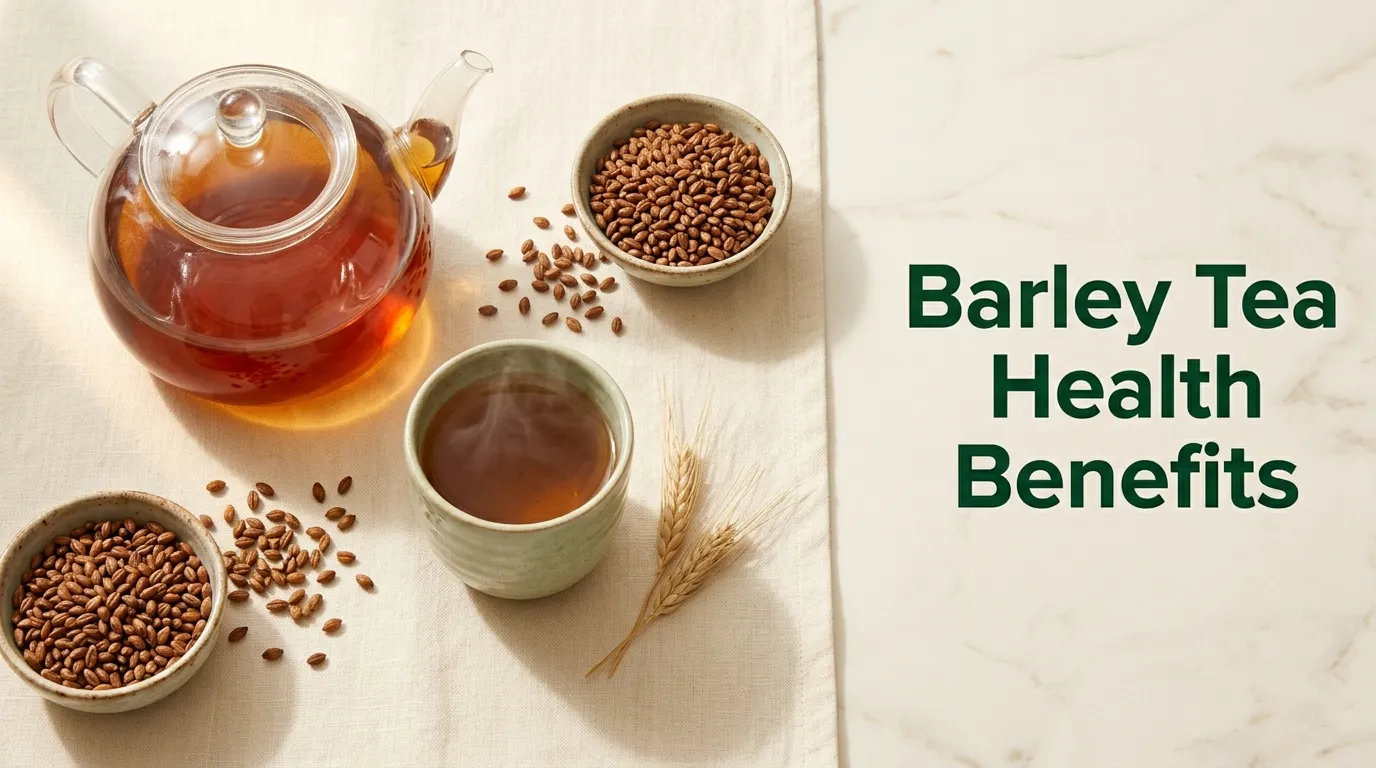
Barley Tea Health Benefits 2026: Compounds, Evidence and Safety
Barley tea health benefits are real but unevenly supported, with strong evidence for antioxidant activity and digestive comfort, moderate evidence for sleep support through its melatonin content, and only preliminary evidence for blood sugar management and weight loss. The tea is a legitimate health-supporting beverage. It is not a medicinal treatment for any condition.
The bioactive compounds in barley tea explain most of its effects. When barley grains are roasted and steeped in hot water, they release ferulic acid, p-coumaric acid, vanillic acid, quercetin, melatonin, tryptophan, gamma-aminobutyric acid, and a family of roasting-derived compounds called alkylpyrazines. Each of these compounds has documented biological activity in human, animal, or cell-based research. The challenge for anyone reading barley tea health claims is that the compound research is stronger than the barley tea research. We know what ferulic acid does in a test tube. We have less data on what happens when a person drinks three cups of barley tea daily for six months.
This guide walks you through each health claim with clear evidence quality ratings, names every significant bioactive compound in barley tea with its known function, provides practical intake guidance, and addresses the safety questions that matter most, including gluten content, pregnancy considerations, and how barley tea compares to green tea. You will walk away knowing exactly which benefits have solid research behind them and how to incorporate barley tea into your routine if you choose to.
Barley Tea Health Benefits: What the Research Actually Shows
Barley tea health benefits with the strongest research support include antioxidant activity from its phenolic compounds, digestive comfort through its mild carminative properties, and sleep support from its natural melatonin content. Benefits with moderate but growing evidence include post-meal blood sugar moderation. Benefits with only preliminary or mostly animal-based evidence include weight management and cholesterol improvement.
The evidence landscape for barley tea is uneven because most research has focused on barley grain rather than barley tea specifically. Barley grain contains beta-glucan soluble fiber, which has well-documented cholesterol-lowering and blood sugar effects recognized by the FDA in a qualified health claim. Barley tea, however, is a water infusion of roasted barley. Beta-glucan is a soluble fiber that does not transfer into brewed tea in meaningful amounts. The tea’s benefits come from the water-soluble compounds that do extract during steeping: the polyphenols, melatonin, GABA, and roasting-derived molecules.
This distinction between barley grain and barley tea is the single most important concept for understanding what barley tea can and cannot do. If a health claim references barley’s fiber content or beta-glucan, that claim applies to eating cooked barley grain, not drinking barley tea. Several popular articles blur this line. The Academy of Nutrition and Dietetics notes that whole grains provide fiber, vitamins, and minerals that grain-based beverages may not deliver in comparable amounts. Barley tea is a health-supporting beverage. It is not a replacement for eating whole barley.
| Health Benefit | Evidence Strength | Key Compounds | Research Base |
|---|---|---|---|
| Antioxidant activity | Strong | Ferulic acid, quercetin, vanillic acid | Multiple in vitro and chemical assays |
| Digestive comfort | Moderate to strong | Alkylpyrazines, mild carminative effect | Traditional use plus some clinical reports |
| Sleep support | Moderate | Melatonin, tryptophan, GABA | Chemical analysis plus sleep mechanism research |
| Blood sugar moderation | Preliminary to moderate | Phenolic compounds, alpha-glucosidase inhibition | Limited human studies, mostly animal/in vitro |
| Weight management | Preliminary | Calorie-free beverage replacement, mild diuresis | Indirect evidence, no direct barley tea weight loss trials |
| Cholesterol reduction | Weak (for tea specifically) | Minimal beta-glucan in brewed tea | Strong for barley grain, negligible for tea |
| Hydration | Well-established | Water content | All non-alcoholic, caffeine-free beverages hydrate |
A 2019 study published in the Journal of Agricultural and Food Chemistry analyzed the chemical composition of roasted barley tea and identified 28 distinct phenolic compounds with measurable antioxidant activity. This chemical analysis is solid. What’s missing for several of the claimed health benefits is the next step: randomized controlled trials in humans showing that drinking barley tea at realistic daily amounts produces clinically meaningful outcomes.
Is Barley Tea Good for You? An Evidence-Based Assessment
Barley tea is good for you as a health-supporting, calorie-free, caffeine-free beverage that provides antioxidants and may modestly support sleep and digestion. It is not a potent medicinal preparation. It belongs in the same category as herbal teas like chamomile or rooibos, beneficial components of a healthy dietary pattern, not treatments for specific conditions.
The “is it good for you” question requires context. Compared to sugar-sweetened beverages like soda, barley tea is dramatically better for metabolic health simply because it contains zero sugar and essentially zero calories. The Dietary Guidelines for Americans 2020-2025 identify sugar-sweetened beverages as the leading source of added sugars in the American diet and recommend replacing them with unsweetened options like water, tea, and coffee. Barley tea fits squarely into the recommended replacement category.
Compared to water, barley tea offers additional compounds that water does not, primarily antioxidants, but the magnitude of this advantage is modest rather than transformative. The phenolic compounds in barley tea provide antioxidant activity that water lacks. The melatonin content may support sleep in a way that water does not. These are real but small advantages. They do not make barley tea superior to water for hydration or overall health. They make barley tea a slightly different tool in your beverage toolkit.
| Comparison | Barley Tea Advantage | Barley Tea Disadvantage |
|---|---|---|
| vs. Soda | Zero sugar, zero calories, antioxidants | None meaningful |
| vs. Water | Antioxidants, melatonin, digestive compounds | Trace acrylamide from roasting (very low) |
| vs. Green Tea | Caffeine-free, different antioxidant profile | Lower EGCG catechin content, less metabolism research |
| vs. Coffee | Caffeine-free, no acid reflux trigger for many | No cognitive stimulation benefit |
| vs. Chamomile Tea | Melatonin content for sleep, roasted flavor preference | Less clinical research on sleep specifically |
| vs. Barley Grain | None nutritionally | Lacks beta-glucan fiber, protein, and minerals |
The most honest assessment: barley tea is a genuinely health-supporting beverage that belongs in the category of “good choices” for daily hydration. It will not single-handedly improve your health. It will not replace the need for a diet rich in vegetables, fruits, whole grains, and lean proteins. It is a pleasant, caffeine-free, antioxidant-containing drink that may offer modest sleep and digestive benefits. For most people, that’s a worthwhile addition to their routine.
Key Takeaway: Barley tea is a healthy beverage choice primarily because it replaces sugar-sweetened drinks and provides antioxidants without caffeine, not because it produces dramatic health transformations on its own.
Barley Tea Nutrition Facts: Calories, Compounds, and Micronutrients
Barley tea nutrition facts reveal an essentially zero-calorie beverage with no macronutrients to speak of and only trace amounts of minerals. An 8-ounce cup of brewed roasted barley tea contains 0 to 2 calories, 0 grams of protein, 0 grams of fat, less than 1 gram of carbohydrates, and 0 grams of fiber and sugar. The nutritional value of barley tea lies in its bioactive compounds, not its macronutrient or micronutrient content.
The USDA FoodData Central database does not maintain a dedicated entry for brewed barley tea, but the nutritional profile is straightforward to estimate based on the known composition of roasted barley and the extraction efficiency of hot water brewing. Roasted barley grains contain minerals including magnesium, potassium, phosphorus, and selenium, but only a small fraction of these minerals transfers into the brewed tea. A typical cup might contain 1 to 2 milligrams of magnesium, 5 to 10 milligrams of potassium, and less than 1 microgram of selenium. These amounts are nutritionally negligible. The Recommended Dietary Allowance for magnesium is 310 to 420 milligrams per day for adults, per the NIH Office of Dietary Supplements. Barley tea contributes less than 1 percent of that requirement.
The real nutritional story of barley tea is what’s in it beyond the standard nutrition facts panel. Polyphenols, melatonin, GABA, and roasting-derived compounds are not listed on nutrition labels, but they are the functional components that matter for health. A 2020 study published in the journal Food Chemistry quantified the polyphenol content of brewed roasted barley tea at approximately 15 to 30 milligrams of total phenolic compounds per 100 milliliters, which translates to roughly 35 to 70 milligrams per 8-ounce cup. This polyphenol content is lower than green tea, which can contain 100 to 200 milligrams of catechins per cup, but the specific polyphenol profile is different and may offer complementary benefits.
| Component | Amount per 8 oz Cup | Comparison Context |
|---|---|---|
| Calories | 0-2 | Equivalent to water |
| Carbohydrates | 0-0.5g | Negligible |
| Protein | 0g | None |
| Fat | 0g | None |
| Fiber | 0g | Beta-glucan does not extract into tea |
| Total polyphenols | 35-70 mg | Lower than green tea (100-200 mg) |
| Ferulic acid | 1-5 mg | Primary antioxidant in barley tea |
| Melatonin | ~0.5-3 ng per gram roasted barley | Trace but potentially bioactive |
| Magnesium | 1-2 mg | Less than 1% DV |
| Potassium | 5-10 mg | Less than 1% DV |
| Caffeine | 0 mg | Caffeine-free |
If you are tracking macronutrients for a specific eating pattern like keto, intermittent fasting, or calorie restriction, barley tea is essentially a free food. It won’t break a fast in the metabolic sense because it contains no meaningful calories, carbohydrates, or protein. It can be consumed at any time without affecting macronutrient targets.
Barley Tea Antioxidants: Ferulic Acid, Quercetin, and Phenolic Content
Barley tea antioxidants are primarily ferulic acid, p-coumaric acid, vanillic acid, and quercetin, phenolic compounds that neutralize free radicals and reduce oxidative stress markers in laboratory assays. The total antioxidant capacity of brewed barley tea is modest compared to green tea but meaningful compared to plain water or many other caffeine-free herbal infusions.
Ferulic acid is the dominant antioxidant in barley tea. It is a hydroxycinnamic acid found in the cell walls of barley grains, where it’s esterified to arabinoxylan fibers. The roasting process partially releases ferulic acid from its bound form, making it more water-extractable during brewing. A 2018 study in the Journal of Agricultural and Food Chemistry identified ferulic acid concentrations of 1 to 5 milligrams per cup in brewed roasted barley tea, depending on roasting intensity and steeping time. Ferulic acid demonstrates direct free radical scavenging activity in standard antioxidant assays including DPPH and ORAC tests.
Quercetin appears in smaller but measurable amounts. This flavonoid is widely studied for its anti-inflammatory and antioxidant properties, though the concentration in barley tea is lower than in foods like onions, apples, or green tea. The quercetin in barley tea contributes to the overall phenolic profile rather than serving as the primary active compound.
| Antioxidant Compound | Concentration per Cup | Mechanism of Action |
|---|---|---|
| Ferulic acid | 1-5 mg | Direct free radical scavenging, lipid peroxidation inhibition |
| p-Coumaric acid | 0.5-3 mg | Radical scavenging, metal chelation |
| Vanillic acid | 0.2-1 mg | Hydroxyl radical and superoxide scavenging |
| Quercetin | Trace (under 0.5 mg) | Flavonoid antioxidant, anti-inflammatory signaling |
| Alkylpyrazines | Variable (roasting-dependent) | Radical scavenging from Maillard reaction products |
The antioxidant activity of barley tea matters in a practical sense because dietary antioxidants from a variety of sources collectively reduce oxidative stress. No single food or beverage is the answer. The Dietary Guidelines for Americans 2020-2025 do not recommend specific antioxidant targets, but they do recommend consuming a variety of plant-based foods and beverages, each of which contributes a different set of polyphenols. Barley tea adds ferulic acid and its related compounds to your overall polyphenol intake in a form that’s different from the catechins in green tea, the anthocyanins in berries, or the chlorogenic acid in coffee.
Brewing method affects antioxidant extraction. Longer steeping at higher temperatures pulls more phenolic compounds from the roasted barley into the water. A 5-minute steep at near-boiling temperature extracts roughly 30 to 50 percent more total phenolics than a 2-minute steep at 175°F. If you are brewing barley tea specifically for its antioxidant content, use water just off the boil and steep for at least 5 minutes. Cold-brewed barley tea, a popular summer preparation in Korea and Japan, has lower antioxidant extraction but retains the roasted flavor profile that many people prefer.
Key Takeaway: Barley tea provides 35 to 70 milligrams of polyphenols per cup, primarily ferulic acid, contributing a unique antioxidant profile to your overall dietary intake but at lower total levels than green tea.
Barley Tea Compounds Polyphenols: A Complete Bioactive Breakdown
Barley tea compounds extend beyond simple polyphenols to include melatonin, gamma-aminobutyric acid, tryptophan, alkylpyrazines, adenosine, and lignans. Each of these compounds has documented biological activity relevant to the health claims associated with barley tea, though their concentrations in brewed tea vary considerably based on barley variety, roasting conditions, and brewing method.
The polyphenol family in barley tea divides into two main groups: phenolic acids and flavonoids. The phenolic acids, dominated by ferulic acid and its relatives, make up roughly 80 to 90 percent of the total phenolic content. These compounds originate from the barley grain’s bran layer, where they are chemically bound to cell wall polysaccharides. The roasting process breaks some of these bonds through thermal hydrolysis, releasing free phenolic acids that can dissolve into the brewing water. This is why roasted barley tea has higher antioxidant activity than unroasted barley infusions.
Melatonin deserves special attention because it is unusual to find in plant foods at potentially bioactive levels. Barley grains contain melatonin at concentrations of roughly 0.3 to 1.0 nanograms per gram in raw grain, and roasting does not destroy it. A 2017 study published in the Journal of Food Composition and Analysis detected melatonin in brewed barley tea, though the exact concentration transferred to the beverage varies with brewing conditions. The presence of melatonin in barley tea is chemically confirmed. Whether the amount in a typical cup is sufficient to meaningfully affect sleep is a separate question addressed in the sleep section.
Bioactive compounds in barley tea by category:
- Phenolic acids: Ferulic acid, p-coumaric acid, vanillic acid, sinapic acid, caffeic acid (antioxidant, anti-inflammatory signaling)
- Flavonoids: Quercetin, catechins in trace amounts, luteolin derivatives (antioxidant, enzyme modulation)
- Roasting-derived compounds: Alkylpyrazines (aroma, antioxidant, mild carminative effect on digestion)
- Neuroactive compounds: Melatonin (sleep regulation), GABA (inhibitory neurotransmitter), tryptophan (melatonin and serotonin precursor), adenosine (sleep pressure signal)
- Lignans: Secoisolariciresinol, matairesinol (phytoestrogen precursors, gut microbiota conversion to enterolactone)
- Tocopherols and tocotrienols: Trace amounts of vitamin E compounds from barley germ
GABA appears in barley tea as a result of the barley grain’s natural metabolism. During germination, barley produces GABA, and some of this GABA survives the roasting process. GABA is an inhibitory neurotransmitter in the human central nervous system. The GABA in barley tea is present in small amounts, and the extent to which dietary GABA crosses the blood-brain barrier is debated in the scientific literature. The relaxing effect some people report from barley tea may involve GABA signaling in the gut nervous system rather than direct brain effects.
Think of barley tea’s bioactive compounds like a supporting cast rather than a lead actor. No single compound is present at a dose high enough to function as a drug. The combination of multiple compounds acting on complementary pathways creates the modest, cumulative effects that characterize food-level health benefits rather than pharmaceutical-level responses.
Roasted Barley Tea Benefits: How Roasting Changes the Health Profile
Roasted barley tea benefits differ from unroasted barley infusions because the roasting process creates new bioactive compounds through the Maillard reaction, releases bound phenolic acids from the grain’s fiber matrix, and develops the characteristic nutty flavor that makes barley tea palatable as a daily beverage. Roasting transforms barley from a raw grain into a functional tea ingredient.
The Maillard reaction, the same chemical process that browns bread crust and sears steak, occurs when barley grains are heated to 350°F to 400°F during roasting. Amino acids react with reducing sugars to create hundreds of new compounds including alkylpyrazines, which give roasted barley tea its distinctive aroma and contribute mild carminative effects on digestion. Alkylpyrazines have documented smooth muscle relaxant properties in gastrointestinal tissue, which may explain barley tea’s traditional use as a digestive aid.
Roasting also increases the extractability of phenolic antioxidants. In raw barley, much of the ferulic acid is chemically bound to arabinoxylan fibers in the bran and cannot dissolve in water. The heat of roasting breaks ester bonds through thermal hydrolysis, converting bound ferulic acid into its free form. A 2019 study in Food Chemistry compared the antioxidant activity of unroasted versus roasted barley infusions and found that roasting at 400°F for 20 minutes increased total extractable polyphenols by approximately 40 to 60 percent compared to unroasted barley.
| Roasting Effect | Compound Affected | Health Implication |
|---|---|---|
| Maillard reaction | Creates alkylpyrazines | Digestive comfort, aroma |
| Thermal hydrolysis | Frees bound ferulic acid | Increased antioxidant availability |
| Caramelization | Creates melanoidins | Additional antioxidant polymers |
| GABA preservation | GABA partially survives | Neuroactive compound retention |
| Melatonin stability | Melatonin largely preserved | Sleep-supportive compound remains |
| Acrylamide formation | Trace acrylamide created | Potential risk at very high intake (minimal at normal consumption) |
| Flavor development | Overall palatability | Increased likelihood of regular consumption |
Roasting does create trace amounts of acrylamide, a compound that forms when certain grains are heated to high temperatures. Acrylamide is classified as a probable human carcinogen based on animal studies. The levels in roasted barley tea are very low, comparable to or lower than those found in roasted coffee, toast, and many baked goods. Health regulatory agencies including the FDA do not recommend that people stop consuming roasted grain products. The cancer risk from trace acrylamide in barley tea at normal consumption levels of 1 to 4 cups per day is considered negligible by current toxicological assessments.
The practical difference between roasted and unroasted barley tea is mostly about taste and antioxidant availability. If you are drinking barley tea for health benefits, roasted barley tea provides a more palatable flavor and a more extractable antioxidant profile. Unroasted barley infusions exist but are uncommon as commercial products and produce a grassy, less appealing taste.
Key Takeaway: Roasting increases barley tea’s antioxidant availability by 40 to 60 percent through releasing bound ferulic acid and creates digestive-supportive alkylpyrazines, making roasted barley tea the more bioactive form.
Barley Tea for Sleep: Does It Actually Help?
Barley tea for sleep has moderate evidence support based on its melatonin content, mild GABA presence, and the behavioral ritual of drinking a warm, caffeine-free beverage before bed. The effect is modest rather than potent. Barley tea will not function like a sleeping pill. It may help shift the conditions that support natural sleep onset.
The mechanism for barley tea’s sleep effect is multi-compound. Melatonin is the body’s primary sleep-regulating hormone, produced by the pineal gland in response to darkness. Supplemental melatonin at doses of 0.5 to 5 milligrams is well-established as a sleep aid for circadian rhythm disorders and jet lag. The melatonin in barley tea is present at nanogram rather than milligram levels, roughly three to four orders of magnitude lower than a typical melatonin supplement. This means barley tea’s melatonin content is unlikely to function as a direct pharmacological sleep inducer in the way that a melatonin pill does.
The behavioral mechanism matters alongside the chemical one. Drinking a warm, caffeine-free beverage in the evening is a sleep hygiene practice recommended by sleep specialists. The warmth may have a mild thermoregulatory effect similar to a warm bath, where the post-drinking drop in body temperature signals sleep readiness. The ritual itself, a consistent pre-bed behavior, supports circadian rhythm entrainment by providing a predictable cue that sleep is approaching.
| Sleep Mechanism | Barley Tea Contribution | Evidence Strength |
|---|---|---|
| Melatonin content | Nanogram levels, well below supplemental dose | Low direct pharmacological effect |
| GABA content | Trace amounts, gut nervous system interaction possible | Preliminary, mechanism plausible |
| Tryptophan content | Serotonin and melatonin precursor | Low concentration, competition with other amino acids |
| Warm beverage ritual | Behavioral sleep hygiene practice | Well-established sleep hygiene principle |
| Caffeine absence | No sleep disruption from stimulants | Well-established benefit |
| Hydration without overfill | Modest fluid volume, not bladder-disruptive | Practical consideration |
A 2020 study published in the journal Nutrients examined the effects of grain-based beverages on sleep quality and found that barley-based preparations showed modest improvements in sleep onset latency in a small trial of 30 participants. The study was preliminary and not specific to barley tea alone. More research is needed before barley tea can be recommended as an evidence-based sleep intervention.
If you want to try barley tea for sleep, the practical protocol is simple. Brew a cup using roasted barley tea bags or loose grains. Drink it 30 to 60 minutes before your intended bedtime. Keep the volume modest at 6 to 8 ounces to avoid middle-of-the-night bathroom trips. Pair it with consistent sleep hygiene practices including a dark, cool bedroom and a regular sleep-wake schedule. The barley tea is a supporting actor in this routine, not the lead.
Barley Tea Melatonin: Content, Absorption, and Sleep Science
Barley tea melatonin content ranges from roughly 0.3 to 1.0 nanograms per gram of roasted barley grain, which translates to an estimated 3 to 15 nanograms per 8-ounce cup of brewed tea. This is approximately 100,000 to 500,000 times less melatonin than a standard 1-milligram melatonin supplement. The melatonin in barley tea is chemically real but functionally unlikely to act as a sleep drug.
The discovery of melatonin in barley and other plant foods has generated excitement and overstatement in roughly equal measure. Melatonin was first identified in plants in 1995, and researchers have since found it in tomatoes, walnuts, grapes, rice, and barley. Plants use melatonin as an antioxidant and growth regulator. The concentrations in plant foods are far below the levels used in human supplementation. A single walnut contains more melatonin than a cup of barley tea, and walnuts are not considered potent sleep aids in the pharmacological sense.
The absorption question complicates the picture further. Dietary melatonin is absorbed in the small intestine and enters the bloodstream, but the absorption efficiency for nanogram-level doses from food is not well studied. Most melatonin absorption research uses milligram doses because that is the range where clinical effects are measurable. Whether 10 nanograms of food-derived melatonin produces any detectable change in serum melatonin levels or sleep parameters is unknown and likely depends on individual factors including baseline melatonin levels, age, and circadian rhythm status.
Barley tea melatonin context:
- Barley grain melatonin: 0.3-1.0 ng per gram of roasted barley
- Estimated per cup of tea: 3-15 ng total melatonin
- Typical melatonin supplement: 500,000 to 5,000,000 ng (0.5 to 5 mg)
- Walnut comparison: ~3,500 ng per gram of walnut (higher than barley)
- Tomato comparison: ~2-15 ng per gram of tomato (comparable to barley)
The practical conclusion is that barley tea’s melatonin content may contribute a subtle, food-level signal that supports the body’s natural melatonin rhythm without overwhelming it with a pharmacological dose. This is arguably a more physiologically appropriate approach than high-dose supplementation for people without diagnosed circadian rhythm disorders. It is also an approach with very limited direct research evidence.
If you have a clinically diagnosed sleep disorder, chronic insomnia, or circadian rhythm disruption, do not substitute barley tea for evidence-based treatments. A sleep medicine physician can evaluate your sleep patterns, order relevant tests if needed, and recommend treatments that have been validated in clinical trials. Barley tea can be part of a healthy sleep routine. It should not be your primary sleep intervention.
Key Takeaway: Barley tea contains real melatonin but at levels 100,000 times lower than a standard supplement, making its sleep effect more about behavioral ritual and modest neuroactive compound support than pharmacological action.
Barley Tea Digestion: Effects on Gut Function and Comfort
Barley tea digestion benefits center on its mild carminative properties, which means it may help reduce gas and bloating by relaxing gastrointestinal smooth muscle. The alkylpyrazines created during barley roasting are the primary compounds responsible for this effect, along with the simple fact that warm, non-acidic, non-caffeinated fluid can soothe an irritated digestive tract.
The carminative effect of roasted barley tea has traditional use documentation spanning centuries in East Asian medicine systems, where it’s commonly consumed after meals to support digestion. The mechanism involves smooth muscle relaxation in the intestinal wall. Alkylpyrazines, the aroma compounds that give roasted barley tea its nutty scent, have demonstrated smooth muscle relaxant activity in laboratory preparations of gastrointestinal tissue. When intestinal smooth muscle relaxes, spasms decrease and trapped gas can pass more easily, reducing the sensation of bloating.
Barley tea contains no fiber to speak of, which distinguishes it from barley grain’s digestive effects. Barley grain is rich in beta-glucan soluble fiber that adds bulk to stool, feeds beneficial gut bacteria, and improves bowel regularity. None of that fiber transfers into brewed tea. If you are drinking barley tea for digestive health, you are getting the carminative and soothing effects, not the fiber benefits. The fiber stays in the barley grains.
| Digestive Effect | Mechanism | Barley Tea vs. Barley Grain |
|---|---|---|
| Carminative (gas relief) | Alkylpyrazine smooth muscle relaxation | Present in tea |
| Warmth soothing | Heat relaxes intestinal smooth muscle | Present in tea |
| Acid neutral | Non-acidic beverage, unlike coffee or citrus drinks | Present in tea |
| Caffeine absence | Caffeine stimulates gut motility, sometimes excessively | Present in tea |
| Prebiotic fiber | Beta-glucan feeds beneficial bacteria | Absent in tea, present in grain |
| Stool bulking | Insoluble fiber adds stool bulk | Absent in tea, present in grain |
| Enzyme stimulation | Mild bitter compounds may stimulate digestive secretions | Mild effect from roasted compounds |
Barley tea may be particularly useful for people who experience digestive discomfort from coffee. Coffee is acidic and contains compounds that stimulate gastric acid secretion and colonic motility. For someone with acid reflux, gastritis, or irritable bowel syndrome with diarrhea, coffee can worsen symptoms. Barley tea is non-acidic, caffeine-free, and does not stimulate gastric acid secretion. It provides a warm, comforting beverage ritual without the gastrointestinal side effects.
People with diagnosed gastrointestinal conditions including irritable bowel syndrome, inflammatory bowel disease, or gastroparesis should discuss any dietary changes with their gastroenterologist. Barley tea is generally benign for digestion, but individual responses vary, and what soothes one person may not suit another with a different underlying condition.
Barley Tea Blood Sugar: Post-Meal Glucose and Insulin Evidence
Barley tea blood sugar effects are preliminary, with most evidence coming from laboratory studies on alpha-glucosidase inhibition and a small number of animal studies rather than robust human clinical trials. The phenolic compounds in barley tea, particularly ferulic acid, have demonstrated the ability to inhibit carbohydrate-digesting enzymes in test-tube experiments. Whether this translates to meaningful post-meal blood sugar reduction in humans at realistic tea consumption levels is not yet established.
The mechanism under investigation involves alpha-glucosidase and alpha-amylase, the enzymes that break down complex carbohydrates into simple sugars in the small intestine. Inhibiting these enzymes slows carbohydrate absorption and reduces the post-meal blood glucose spike. Acarbose, a prescription diabetes medication, works through this mechanism. A 2018 study in the Journal of Ethnopharmacology found that barley extracts inhibited alpha-glucosidase by roughly 30 to 50 percent in laboratory assays, depending on the extraction method.
The gap between laboratory enzyme inhibition and human blood sugar outcomes is large. Many plant extracts inhibit carbohydrate-digesting enzymes in test tubes. Far fewer produce clinically meaningful blood sugar improvements in human trials at doses achievable through normal food and beverage intake. The American Diabetes Association recognizes whole barley grain, with its beta-glucan fiber, as beneficial for blood sugar management. Barley tea, which lacks the fiber, does not have the same evidence base.
| Blood Sugar Evidence Type | Finding | Relevance to Barley Tea |
|---|---|---|
| In vitro enzyme inhibition | Barley polyphenols inhibit alpha-glucosidase | Mechanism plausible but not confirmed in humans |
| Animal studies | Barley extract improved glucose tolerance in diabetic rats | Preliminary, species difference limitation |
| Human barley grain studies | Whole barley improves post-meal glucose through fiber | Beta-glucan does not transfer to tea |
| Human barley tea studies | Very limited, small sample sizes | Insufficient evidence for clinical recommendation |
People with type 2 diabetes or prediabetes who are interested in barley tea should view it as a blood-sugar-neutral beverage choice, not as a glucose-lowering intervention. Replacing a sugar-sweetened beverage with barley tea will improve blood sugar outcomes by removing the sugar load. Adding barley tea on top of your existing diet is unlikely to change your blood sugar numbers meaningfully. A registered dietitian or certified diabetes care and education specialist can help you build an eating pattern that effectively manages blood glucose using evidence-based strategies.
If you take diabetes medications including insulin, sulfonylureas, or acarbose, do not adjust your medication timing or dosage based on barley tea consumption. The tea’s blood sugar effects are not potent or predictable enough to factor into medication management. Discuss any dietary changes with the physician who manages your diabetes care.
Key Takeaway: Barley tea’s blood sugar benefits are plausible based on lab studies but lack human clinical trial confirmation, making it a neutral beverage choice for blood sugar rather than an active glucose-lowering intervention.
Barley Tea Weight Loss: What the Evidence Actually Supports
Barley tea weight loss claims are weakly supported by direct evidence. The tea may indirectly support weight management by serving as a zero-calorie replacement for sugar-sweetened beverages and by providing a warm, flavorful ritual that can reduce mindless snacking. Barley tea does not contain compounds that meaningfully increase metabolism, burn fat, or suppress appetite in any clinically documented way.
The beverage replacement argument is the strongest case for barley tea and weight management. A 12-ounce can of regular soda contains roughly 140 to 150 calories and 35 to 40 grams of sugar. Replacing one daily soda with barley tea creates a calorie deficit of roughly 50,000 calories per year, which mathematically translates to about 14 pounds of potential weight change before metabolic compensation. This is a real effect. It has nothing to do with barley tea’s specific properties and everything to do with the calories it doesn’t contain.
Claims about barley tea boosting metabolism or burning fat are not supported by evidence. Some articles reference barley grain’s fiber content or resistant starch as weight loss aids, but these components are not present in brewed tea. Other articles claim that barley tea’s antioxidants or polyphenols enhance fat oxidation, which is extrapolation from green tea catechin research that does not apply to the different polyphenol profile of barley tea.
| Weight Loss Claim | Evidence | What’s Actually Happening |
|---|---|---|
| Calorie-free beverage swap | Strong indirect evidence | Calorie reduction, not barley-specific |
| Metabolism boost | No evidence | Barley tea does not contain caffeine or thermogenic compounds |
| Fat burning | No evidence | Polyphenol profile differs from green tea catechins |
| Appetite suppression | No direct evidence | Warm liquid may produce temporary fullness |
| Blood sugar stabilization | Preliminary for tea | Unlikely at tea doses to affect weight meaningfully |
| Diuretic water loss | Acute but not fat loss | Temporary water weight, not body fat change |
The mild diuretic effect of barley tea, which some sources mention as a weight loss mechanism, is not a fat loss mechanism. Increased urine output temporarily reduces body water weight, which shows up on the scale but does not represent any change in body fat. This effect reverses when you rehydrate. Presenting water loss as weight loss is misleading.
If you enjoy barley tea and find that drinking it helps you avoid higher-calorie beverages or reduces evening snacking, it can be a useful tool in your weight management strategy. The tool works through behavioral substitution and calorie avoidance. It does not work through any special fat-burning or metabolism-enhancing property of the tea itself.
Barley Tea vs Green Tea: Complete Comparison
Barley tea versus green tea is a comparison between two beverages with fundamentally different bioactive profiles, caffeine contents, and health evidence bases. Green tea contains caffeine and high levels of epigallocatechin gallate, a catechin with extensive human research on metabolism and cardiovascular health. Barley tea is caffeine-free and contains ferulic acid and related phenolic acids with less extensive human research but a gentler effect profile.
Green tea’s health benefits are among the most studied of any beverage. According to a 2020 review in the journal Nutrients, green tea consumption is associated with reduced cardiovascular disease risk, improved metabolic markers, and potential cancer risk reduction, though the evidence is strongest for cardiovascular outcomes. These benefits are attributed primarily to EGCG and related catechins, which barley tea does not contain. Barley tea’s polyphenols are a different chemical family with different biological activities.
The caffeine difference is the most practical distinction between the two beverages. An 8-ounce cup of green tea contains 25 to 35 milligrams of caffeine, roughly one-third of a cup of coffee. Barley tea contains zero caffeine. For people who are caffeine-sensitive, anxious, pregnant and limiting caffeine, or trying to avoid afternoon and evening caffeine, barley tea is the clear winner. For people who want mild stimulation and the metabolic effects of caffeine and catechins together, green tea offers a combination barley tea cannot match.
| Characteristic | Barley Tea | Green Tea |
|---|---|---|
| Caffeine | 0 mg | 25-35 mg per 8 oz |
| Primary antioxidants | Ferulic acid, p-coumaric acid | EGCG, other catechins |
| Total polyphenols per cup | 35-70 mg | 100-200 mg |
| Human clinical trials | Very limited | Extensive |
| Sleep compatibility | Excellent (caffeine-free) | Poor in the evening |
| Flavor profile | Nutty, roasted, smooth | Grassy, astringent, vegetal |
| Gluten status | Contains gluten from barley | Naturally gluten-free |
| Digestive effects | Mild carminative, non-acidic | Can trigger acid reflux in some |
The two beverages are complementary rather than competitive. You might drink green tea in the morning for its mild caffeine and catechin benefits, then switch to barley tea in the afternoon and evening for its caffeine-free antioxidant profile and sleep compatibility. There is no reason to choose one over the other across all situations. The choice depends on time of day, caffeine tolerance, flavor preference, and gluten sensitivity.
Key Takeaway: Green tea has stronger human research backing for metabolism and cardiovascular health, while barley tea’s advantage is its caffeine-free status, sleep compatibility, and gentler digestive profile, making them complementary rather than competing beverages.
Barley Tea Caffeine Free: Why That Matters for Health
Barley tea is naturally caffeine-free because barley grains contain no caffeine. This distinguishes barley tea from true teas made from Camellia sinensis leaves and from coffee, making it suitable for people who avoid caffeine due to anxiety, insomnia, pregnancy, gastroesophageal reflux disease, hypertension, or medication interactions.
Caffeine’s effects on health are dose-dependent and individual. Moderate caffeine intake of 200 to 400 milligrams per day, roughly 2 to 4 cups of coffee, is generally recognized as safe for healthy adults by the FDA. Beyond individual tolerance, caffeine can cause anxiety, heart palpitations, sleep disruption, and acid reflux in sensitive individuals. The American College of Obstetricians and Gynecologists recommends that pregnant women limit caffeine to less than 200 milligrams per day due to slower caffeine clearance during pregnancy and potential effects on fetal development.
Barley tea eliminates caffeine concerns entirely. A person who drinks barley tea at 9 p.m. will have zero caffeine-related sleep disruption. Someone with generalized anxiety disorder who finds that caffeine worsens their symptoms can drink barley tea without triggering that response. A person with GERD who reacts to coffee’s combination of caffeine and acidity may tolerate barley tea’s non-acidic, caffeine-free profile better.
Groups who benefit most from caffeine-free barley tea:
- People with caffeine-induced anxiety or panic symptoms
- People with insomnia or poor sleep quality, especially for evening consumption
- Pregnant women managing caffeine intake below 200 mg per day
- People with GERD or acid reflux triggered by coffee and caffeinated tea
- People with hypertension sensitive to caffeine’s acute blood pressure effect
- People taking medications that interact with caffeine metabolism
- People tapering off caffeine who want a warm beverage replacement
- Children and adolescents for whom caffeine is not recommended
The caffeine-free status of barley tea does not mean it is sedating. It will not make you sleepy in the middle of the day the way a sedative medication would. It simply does not stimulate you the way caffeinated beverages do. You get the warmth, the flavor, the hydration, and the bioactive compounds without the central nervous system activation that caffeine provides.
Barley Tea Gluten Free: The Celiac Safety Question
Barley tea is not gluten-free because barley is a gluten-containing grain. The prolamin protein in barley, called hordein, is a form of gluten that triggers the immune response in people with celiac disease. Whether hordein transfers into brewed barley tea in amounts sufficient to cause a reaction is not well studied, and the precautionary approach is for people with celiac disease to avoid barley tea entirely.
The Celiac Disease Foundation lists barley alongside wheat and rye as grains that people with celiac disease must strictly avoid. Barley contains hordein, which is structurally similar to the gliadin in wheat that drives the autoimmune response in celiac disease. The threshold for gluten exposure that causes intestinal damage in celiac disease is as low as 10 to 50 milligrams of gluten per day, roughly the amount in a breadcrumb. Whether brewed barley tea contains detectable gluten protein is a question of extraction chemistry. Gluten proteins are generally not considered water-soluble in the way that polyphenols are, but the roasting process may alter protein structure in ways that affect solubility.
| Gluten Question | What We Know | Practical Implication |
|---|---|---|
| Is barley a gluten grain? | Yes, contains hordein | Barley is on the celiac avoid list |
| Does hordein dissolve into tea? | Unknown, not well studied | Assume possible until proven otherwise |
| Are there certified gluten-free barley teas? | Rare but some exist | Look for explicit gluten-free certification |
| Can people with celiac drink barley tea? | Not recommended | Celiac Disease Foundation advises avoidance |
| What about non-celiac gluten sensitivity? | Individual tolerance varies | Discuss with gastroenterologist |
Some manufacturers produce barley tea that has been tested and certified gluten-free, though these products are uncommon. The certification requires that the finished brewed tea contains less than 20 parts per million of gluten, the FDA threshold for gluten-free labeling. If you have celiac disease and wish to drink barley tea, look for products with explicit third-party gluten-free certification. Do not assume that regular barley tea from a grocery store, restaurant, or Asian market is safe.
For people without celiac disease or diagnosed gluten sensitivity, the gluten content of barley tea is not a health concern. The amount of hordein protein that might transfer into brewed tea is far below levels that would affect a person with normal gluten tolerance.
Key Takeaway: Barley tea is made from a gluten-containing grain and should be avoided by people with celiac disease unless specifically certified gluten-free, though the actual gluten protein transfer into brewed tea is not well studied.
Barley Tea Side Effects: Risks, Interactions, and Contraindications
Barley tea side effects are generally minimal for healthy adults. The most significant concern is its gluten content for people with celiac disease. Other potential issues include trace acrylamide from the roasting process, mild diuretic effects from increased fluid intake, rare barley allergy, and the general principle that even healthy beverages should not be consumed in extreme excess.
Acrylamide forms in roasted barley through the Maillard reaction, the same process that produces acrylamide in roasted coffee, toast, french fries, and many baked and fried foods. The International Agency for Research on Cancer classifies acrylamide as a probable human carcinogen based on animal studies. The levels in barley tea are low. A 2016 study in the journal Food Additives and Contaminants measured acrylamide in roasted barley tea and found concentrations comparable to or lower than those in roasted coffee. The FDA does not recommend that consumers stop eating roasted or baked grain products. The cancer risk from dietary acrylamide at typical intake levels is considered small and uncertain.
Barley allergy is rare but documented. People with wheat allergy may cross-react with barley proteins in some cases. Symptoms of barley allergy can include hives, itching, swelling, respiratory difficulty, and in severe cases, anaphylaxis. Anyone with a known barley allergy should avoid barley tea entirely. People with wheat allergy who are uncertain about barley cross-reactivity should discuss the question with an allergist, who can perform specific IgE testing for barley.
| Side Effect or Risk | Mechanism | Who Is Affected |
|---|---|---|
| Gluten exposure | Hordein protein in barley | People with celiac disease |
| Acrylamide exposure | Maillard reaction during roasting | Theoretical cancer risk at very high intake |
| Barley allergy | IgE-mediated immune response | People with diagnosed barley allergy |
| Cross-reactivity with wheat | Similar protein structures | Some people with wheat allergy |
| Diuretic effect | Increased fluid intake | Mild, generally not clinically relevant |
| Kidney stone risk | Low oxalate content, minimal risk | Generally safe, hydration is protective |
| Pregnancy safety | Limited data, moderate intake appears safe | No specific warnings beyond general dietary caution |
Pregnant women can reasonably consume barley tea in moderation, defined as 1 to 3 cups per day. The caffeine-free status is an advantage during pregnancy. The limited safety data on barley tea specifically during pregnancy means that very high intake, such as a gallon per day, is unstudied and not recommended. An obstetrician can provide individualized guidance on dietary choices during pregnancy.
People with kidney stones are sometimes advised to monitor tea intake due to oxalate content in some teas, particularly black tea. Barley tea is low in oxalates compared to black tea and is not considered a high-oxalate beverage. Staying well hydrated with any fluid, including barley tea, is generally protective against kidney stone formation. A nephrologist or registered dietitian specializing in kidney stone prevention can provide individualized oxalate intake guidance.
How Much Barley Tea Per Day: Safe and Effective Dosing
How much barley tea per day falls into a safe range of 1 to 4 cups, or roughly 8 to 32 ounces, for most healthy adults. This range is based on traditional consumption patterns in East Asian countries where barley tea is a daily beverage, combined with general hydration guidance and the absence of documented toxicity at these intake levels.
There are no established dosing guidelines for barley tea from regulatory bodies because barley tea is a food product, not a medication or supplement. The FDA does not set recommended intake levels for herbal or grain-based teas. The guidance provided here reflects traditional use patterns, the general safety profile, and the practical reality that very high intake of any beverage can cause issues including electrolyte dilution in extreme cases.
Traditional consumption in Japan and Korea provides a reasonable reference point. In these countries, roasted barley tea, known as mugicha in Japan and boricha in Korea, is consumed as a daily water replacement, often served cold in summer and hot in winter. Typical intake ranges from 1 to 4 cups daily, with some individuals drinking more. This pattern of consumption has not been associated with adverse health effects in populations that have consumed barley tea for centuries.
| Intake Level | Appropriate For | Notes |
|---|---|---|
| 1 cup per day | People trying barley tea for the first time | Start here to assess tolerance and preference |
| 2-3 cups per day | Regular daily consumption | Traditional intake level, well-tolerated |
| 3-4 cups per day | Replacing multiple other beverages | Upper range of traditional intake |
| 5+ cups per day | High intake | Excessive for most people, limited safety data |
| More than 1 gallon per day | Excessive | Risk of water intoxication, not recommended |
To find your optimal barley tea intake:
- Start with 1 cup per day for the first week. This allows you to assess flavor preference, digestive tolerance, and any individual reactions.
- If well tolerated, increase to 2 to 3 cups per day. This intake level provides hydration, antioxidant benefits, and the modest bioactive compound effects discussed throughout this article.
- Space your intake throughout the day rather than consuming all cups at once. Spreading consumption provides consistent hydration and avoids any theoretical concentration-related effects.
- If you are using barley tea for sleep support, time at least one cup within the hour before bed. Keep the evening cup to 6 to 8 ounces to minimize nighttime urination.
- Monitor how you feel. If you experience any bloating, digestive discomfort, or other symptoms, reduce your intake or discontinue.
The principle of beverage variety applies to barley tea as it does to all dietary choices. Drinking only barley tea to the exclusion of water, milk, and other beneficial beverages is unnecessary and may limit your intake of other beneficial compounds from diverse sources. The Dietary Guidelines for Americans 2020-2025 recommend water as the primary beverage and allow for unsweetened coffee and tea within a healthy dietary pattern. Barley tea fits into this framework as one option among many.
Key Takeaway: One to four cups of barley tea per day is a safe and reasonable intake range based on traditional use patterns, with 2 to 3 cups representing the sweet spot for hydration and bioactive compound intake without overdoing any single beverage.
Frequently Asked Questions About Barley Tea
What are the main health benefits of drinking barley tea?
Barley tea provides antioxidants primarily from ferulic acid and related phenolic compounds, offers a caffeine-free warm beverage option that supports hydration, and may modestly support sleep through its natural melatonin content and digestive comfort through its mild carminative properties.
The evidence is strongest for antioxidant activity and digestive comfort, moderate for sleep support, and preliminary for blood sugar and weight effects.
Barley tea is a health-supporting beverage, not a treatment for any specific condition.
Does barley tea contain caffeine?
Barley tea is naturally caffeine-free because barley grains do not contain caffeine.
This makes barley tea suitable for evening consumption, for people with caffeine sensitivity or anxiety, and for pregnant women managing caffeine intake.
Unlike green tea or coffee, barley tea will not cause caffeine-related sleep disruption or heart rate elevation.
Is barley tea safe for people with celiac disease?
Barley tea is not safe for people with celiac disease because barley is a gluten-containing grain that contains the protein hordein, which triggers the autoimmune response in celiac disease.
Whether hordein transfers into brewed tea in harmful amounts is not well studied, and the Celiac Disease Foundation advises people with celiac disease to avoid all barley-containing products.
Some manufacturers produce certified gluten-free barley tea, but most commercial barley tea is not tested or certified gluten-free.
How much barley tea can I drink per day?
One to four cups of barley tea per day is a safe and reasonable intake range for most healthy adults based on traditional consumption patterns.
Two to three cups daily provides hydration and bioactive compounds without approaching any theoretical safety limits.
Very high intake beyond a gallon per day is unstudied and not recommended for any beverage other than water.
Does barley tea help with sleep?
Barley tea may modestly support sleep through its natural melatonin content, its role as a warm caffeine-free evening beverage, and the behavioral ritual of consuming a relaxing drink before bed.
The melatonin content is very low at nanogram levels, roughly 100,000 times less than a standard melatonin supplement.
The sleep benefit is subtle and behavioral rather than a strong pharmacological effect.
Is barley tea good for weight loss?
Barley tea may indirectly support weight management by serving as a zero-calorie replacement for sugar-sweetened beverages, which reduces total daily calorie intake.
Barley tea does not contain compounds that meaningfully increase metabolism or burn fat.
Any weight loss associated with barley tea consumption results from calorie displacement, not from special fat-burning properties of the tea itself.
Barley tea earns its place in a healthy dietary pattern honestly. It is a zero-calorie, caffeine-free, antioxidant-containing beverage that has been consumed safely by millions of people across East Asia for centuries. Its bioactive compounds, ferulic acid, p-coumaric acid, alkylpyrazines, melatonin, and GABA, each contribute small, cumulative effects that support health without overwhelming the body with pharmacological doses.
The tea will not transform your health overnight. No single beverage will. What barley tea does is provide a gentle, sustainable alternative to sugar-sweetened drinks and a caffeine-free option for people who want the warmth and ritual of a hot beverage without the stimulation of coffee or green tea. If you enjoy the roasted, nutty flavor, drink it in place of something less health-supporting. If you have celiac disease, choose a certified gluten-free option or skip it. If you are pregnant or managing a health condition, have the conversation with the relevant healthcare provider.
The best health beverage is the one you’ll drink consistently that improves your overall dietary pattern rather than the one with the most dramatic marketing claims. For many people, barley tea fits that description well.