What Are the Health Benefits of Flowers? 2026 Research Guide
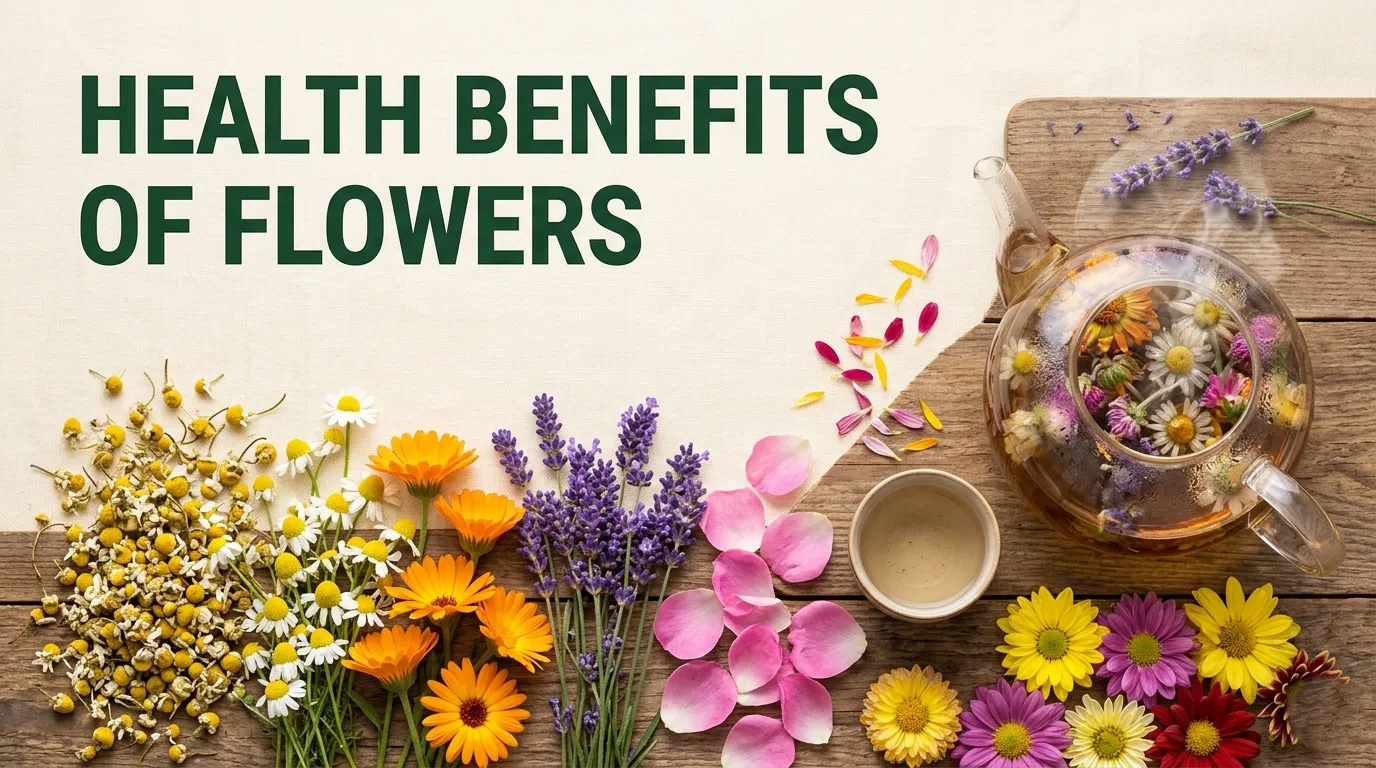
Flowers provide scientifically documented health benefits through three distinct pathways: nutritional when eaten, physiological when viewed or smelled, and medicinal when prepared as teas or extracts. Recent 2026 research confirms that certain ornamental flowers contain bioactive compounds with antioxidant and anti-inflammatory properties, while flower viewing and flower tea consumption have been shown to enhance parasympathetic nervous system activity and improve mood states .
This evidence-based guide examines the full spectrum of flower health benefits, from edible flowers as functional food ingredients to the psychological effects of floral environments. You will learn which flowers have the strongest research backing, how different preparation methods affect benefits, and practical ways to incorporate flowers into your daily routine for stress reduction, nutrition, and overall wellness.
What the 2026 Science Says About Edible Flowers
A comprehensive 2026 study published in Sustainable Food Technology analyzed 13 ornamental and edible flower species and found that many contain meaningful amounts of protein, lipids, carbohydrates, and bioactive compounds including rutin and caffeic acid . The research revealed pronounced compositional variability among species, with some flowers rivaling conventional vegetables in nutritional density.
The study found that carbohydrate content varied dramatically from 1.45% in T. fruticosum to 31.56% in P. volubilis. Protein content ranged from 0.92% in Alpinia purpurata bracts to 6.77% in Bougainvillea glabra bracts. Lipid content varied from 0.12% in I. coccinea to 2.80% in M. erythrochlamys bracts .
The researchers identified rutin and caffeic acid as major bioactive markers across multiple species. These compounds are associated with antioxidant activity and potential anti-inflammatory effects. The study concluded that many ornamental flowers commonly cultivated in home gardens remain undervalued as nutrient-rich, plant-based ingredients .
Key Takeaway: Edible flowers are not just decorative garnishes. They contain real nutritional value and bioactive compounds comparable to many vegetables. However, not all flowers are safe to eat, and proper identification is essential.
Flower Tea for Mental Relaxation and Stress Relief
A 2026 clinical study published in Scientific Reports demonstrated that viewing and drinking flower tea significantly enhances parasympathetic nervous system activity, which is associated with physiological relaxation . Twenty-nine university students participated in a controlled experiment comparing tea with flowers, tea without flowers, and plain water.
The results showed that viewing tea with flowers significantly increased ln(HF) values, a measure of parasympathetic nervous system activity, compared to tea without flowers or water controls. Both tea with and without flowers enhanced vigor, alleviated total mood disturbances, and induced positive feelings throughout the entire drinking process .
The researchers concluded that the combined visual, olfactory, and gustatory experience of flower tea promotes both physiological and psychological relaxation. This multisensory stimulation provides a simple, accessible method for stress relief and emotional well-being that can be easily incorporated into daily routines .
| Flower Tea Component | Sensory Pathway | Documented Effect |
|---|---|---|
| Visual (flowers in tea) | Sight | Enhanced parasympathetic activity |
| Olfactory (floral aroma) | Smell | Reduced sympathetic nerve activity |
| Gustatory (flavor) | Taste | Improved mood state |
| Combined multisensory | All pathways | Greatest overall relaxation response |
Quick Tip: When drinking flower tea, choose varieties where the actual dried flowers are visible in the cup or teapot. The visual element is not just decorative. It actively contributes to the physiological relaxation response.
Chrysanthemum: A Powerhouse of Bioactive Compounds
A 2026 review published in the Journal of Food Composition and Analysis systematically characterized over 16 bioactive compounds in chrysanthemum, including flavonoids, phenolic acids, terpenoids, and polysaccharides with documented antibacterial, anti-inflammatory, antitumor, antioxidant, and antiviral effects . The research analyzed 16 cultivars from 15 production regions, primarily in China, Japan, and South Korea.
The identified compounds include quercetin, rutin, apigenin, luteolin, kaempferol (flavonoids); caffeoylquinic acid, chlorogenic acid, ferulic acid, gallic acid (phenolic acids); and various volatile components and polysaccharides. The mechanisms of action involve modulation of key signaling pathways including NF-κB, Nrf2-ARE, and PI3K/Akt .
Chrysanthemum has been used for centuries as a food-medicine homologous plant, meaning it is recognized as both a food and a medicine in traditional systems. Prolonged administration has been associated with enhanced hematological function, reduced physical fatigue, and various therapeutic benefits including hepatoprotection and ocular health promotion .
Anti-Inflammatory and Antioxidant Properties of Flowers
Multiple 2026 studies confirm that flower-derived bioactive compounds exert antioxidant effects by scavenging free radicals, activating the Nrf2 signaling pathway, and reducing markers of oxidative stress . Quercetin derived from chrysanthemum has been shown to promote glutathione synthesis and neutralize reactive oxygen species.
The anti-inflammatory mechanisms involve modulation of the NF-κB pathway, a protein complex that controls inflammation-related gene expression. Chrysanthemum polysaccharides have demonstrated anti-inflammatory effects in animal models by reducing pro-inflammatory cytokines including TNF-alpha, IL-6, and IL-1 beta .
A separate study on Aloe vera flowers identified novel bioactive compounds including tschimganin, which demonstrated strong molecular binding affinity for human ACE and showed potential for antioxidant, anti-inflammatory, neuroprotective, and anticancer applications. These compounds are present in the flowers but not in the leaves or gel of Aloe vera .
Key Takeaway: The antioxidant and anti-inflammatory effects of flowers are supported by multiple 2026 peer-reviewed studies, primarily at the laboratory and animal level. Human clinical trials remain limited, but the mechanistic evidence is robust.
Mental Health Benefits: From Anxiolytics to Antidepressants
Scientific research now supports what many cultures have long believed: certain flowers and their extracts have real therapeutic effects on mental health . Hemerocallis citrina (daylily), Saraca asoca (ashoka), and Passiflora incarnata (passionflower) have demonstrated calming and antidepressant-like properties in laboratory and clinical studies.
Unlike synthetic medications, floral therapies often have fewer side effects, making them attractive options for people seeking natural ways to manage stress and mood disorders. The mechanisms are not fully understood but likely involve neurotransmitter modulation and reduction of inflammatory markers that affect brain function .
Flowers are increasingly being incorporated into mental health care through various therapeutic interventions, including aromatherapy, gardening therapy, and the mindful practice of observing flowers. These approaches add a soothing element to hospitals, therapy centers, and homes, helping boost emotional well-being .
Flowers that research suggests support mental health:
- Lavender: Most widely studied for relaxation and sleep improvement
- Passionflower (Passiflora incarnata): Demonstrated calming and anti-anxiety effects
- Chrysanthemum: Traditional use for stress relief; modern research confirms bioactivity
- Jasmine: Aromatherapy studies show mood-elevating properties
- Rose: Visual and olfactory stimulation linked to positive mood states
The Baptist Health Behavioral Health service notes that while flowers can support mental wellness through their smell, color, and the ritual of caring for them, they are not a replacement for professional mental health treatment. The combination of sensory pleasure and present-moment focus creates a beneficial effect for many people .
Air Purification Benefits of Indoor Flowers and Plants
A 2026 study from the University of Seville demonstrated that active living walls with common houseplants can remove over 90% of certain indoor air pollutants within minutes . Researchers tested five species: peace lily (Spathiphyllum), inchplant, heartleaf philodendron, climbing fig, and spider plant.
Within 15 minutes of pollutant injection, the active living wall achieved reductions of 24 to 40% for total volatile organic compounds (VOCs) across all species. Formaldehyde and sulfur dioxide proved particularly easy to remove, with concentrations dropping by 96 to 98% within 24 hours. The peace lily emerged as the standout performer for nitrogen dioxide removal, achieving 92 to 94% reduction within the first 15 minutes .
Perhaps most encouragingly, the plants’ pollutant-removing capacity did not diminish over time. Researchers added fresh contaminants daily for three consecutive days, and the plants continued to perform at similar or even improved levels. This suggests that flower and plant installations could provide reliable, long-term air purification in indoor environments .
Key Takeaway: While this study used active living walls with fans to force air through plants, even passive potted flowers and plants contribute to improved indoor air quality. Peace lilies are particularly effective for nitrogen dioxide removal.
Traditional Medicinal Uses of Flowers
A comprehensive 2026 review of 119 flowering plant species found that 97% of the species studied have documented medicinal uses, with 32% specifically targeting immune system support . The research collected data on family, species, common name, plant part used, main chemical compounds, and medicinal applications.
Significantly, 87% of the floral species studied contain some toxic compounds, which explains why not all flowers are edible or safe for consumption. However, specific molecules from these species have been successfully used in medicine. Additionally, 76% of species can be consumed in low doses by infusion (tea), and 63% could be used for bioremediation of contaminated environments .
The study identified a significant research gap: more than 50% of the species were only analyzed for total concentrations of carotenoids and phenolic compounds, with limited identification of specific molecules. This represents an opportunity for future research to identify and characterize individual bioactive compounds .
Safety Considerations for Edible and Medicinal Flowers
Not all flowers are safe to eat or use medicinally, and proper identification is essential before consuming any flower. The 2026 review of 119 species found that 87% contain some toxic compounds, making them inedible or requiring careful preparation . Some flowers are toxic raw but safe when cooked or prepared as tea. Others should never be consumed in any form.
Key safety guidelines for flower use:
- Never eat flowers from a florist, garden center, or roadside (these may be treated with pesticides not approved for food crops)
- Positively identify any flower before eating (many toxic flowers look similar to edible ones)
- Start with small amounts to test for individual allergic reactions
- Pregnant and breastfeeding women should avoid medicinal flower preparations unless specifically approved by their healthcare provider
- People with pollen allergies may react to flower teas and extracts
- Some flowers interact with medications, particularly blood thinners and sedatives
The 2026 chrysanthemum review specifically addressed safety concerns, noting that while chrysanthemum has diverse bioactive components and pharmacological effects, potential toxicity has drawn scientific interest. Both preclinical (cell and animal) and clinical (human) studies have identified safety concerns under specific conditions, including high doses or prolonged use .
Key Takeaway: The presence of bioactive compounds means flowers have real pharmacological effects. This is good for therapeutic use but requires caution. Just because a flower is natural does not mean it is automatically safe.
Practical Ways to Incorporate Flowers for Health Benefits
The most research-supported way to gain health benefits from flowers is through regular, mindful exposure using multiple sensory pathways . You do not need to consume flowers to get benefits. Viewing flowers, smelling flowers, and caring for flowers all produce measurable physiological and psychological effects.
Simple daily practices for flower benefits:
- Keep fresh flowers in rooms where you spend the most time (home office, living room, bedroom)
- Drink flower tea where the dried flowers are visible in the cup
- Grow a few potted flowering plants on a windowsill or balcony
- Spend 5-10 minutes mindfully observing flowers without other distractions
- Visit local botanical gardens, parks, or flower markets weekly
- Add edible flowers to salads, smoothies, or as garnishes (from safe, pesticide-free sources)
- Use flower essences or floral essential oils in a diffuser
If you are interested in edible flowers, start with common, well-documented varieties such as nasturtiums, pansies, violets, calendula, borage, and daylilies. These have established safety records and are widely available as seeds or seedlings for home growing. Avoid foraging for edible flowers unless you are trained in plant identification.
Frequently Asked Questions About Health Benefits of Flowers
What are the scientifically proven health benefits of flowers?
Scientifically proven benefits include enhanced parasympathetic nervous system activity (physiological relaxation), reduced mood disturbances, increased feelings of vigor, improved indoor air quality through pollutant removal, and provision of bioactive compounds with antioxidant and anti-inflammatory properties when consumed as edible flowers or teas .
Can flowers help with anxiety and depression?
Some flowers and flower extracts have demonstrated calming and antidepressant-like properties in research. Hemerocallis citrina, Saraca asoca, and Passiflora incarnata have shown positive effects in laboratory and clinical studies. However, flowers are not a replacement for professional mental health treatment. They are best used as a complementary approach alongside appropriate medical care .
Are all flowers safe to eat or use as tea?
No. A 2026 study found that 87% of floral species contain some toxic compounds. Only flowers that have been positively identified as safe for consumption should be eaten or used as tea. Common safe edible flowers include nasturtiums, pansies, violets, calendula, borage, daylilies, and certain varieties of chrysanthemum. Always source edible flowers from pesticide-free growers .
Which flowers are best for indoor air purification?
Peace lilies (Spathiphyllum) are the most effective documented species for nitrogen dioxide removal, achieving 92-94% reduction within 15 minutes. Spider plants, heartleaf philodendron, climbing fig, and inchplant are also effective. For best results, use multiple plants and consider an active system with airflow through the plants .
How does drinking flower tea affect the body differently than regular tea?
Flower tea provides a unique multisensory experience combining visual (seeing the flowers), olfactory (smelling the aroma), and gustatory (tasting the flavor) stimulation. Research shows that viewing flowers in tea enhances parasympathetic nervous system activity compared to drinking tea without visible flowers. The combined sensory pathways produce greater relaxation responses than taste and smell alone .
Can flowers interact with medications?
Yes. Some flowers and flower extracts can interact with medications, particularly blood thinners (vitamin K content), sedatives (additive effects), and blood pressure medications. The bioactive compounds in medicinal flowers are pharmacologically active. If you take prescription medications, consult your physician or pharmacist before using flower teas, extracts, or supplements medicinally .
Flowers offer genuine, research-supported health benefits that go far beyond aesthetic enjoyment. The 2026 scientific literature confirms that edible flowers contain meaningful nutrition and bioactive compounds, flower viewing and flower tea consumption produce measurable physiological relaxation, and certain flowers effectively purify indoor air. However, benefits depend on proper use. Not all flowers are safe to eat. Flower therapies complement but do not replace medical treatment. Start with simple practices: keep fresh flowers in your living space, try visible-flower teas, and grow a few safe, edible varieties at home. The science is clear that flowers are good for you, in multiple ways, when used appropriately.