Lima Beans Health Benefits: A 2026 Evidence Review
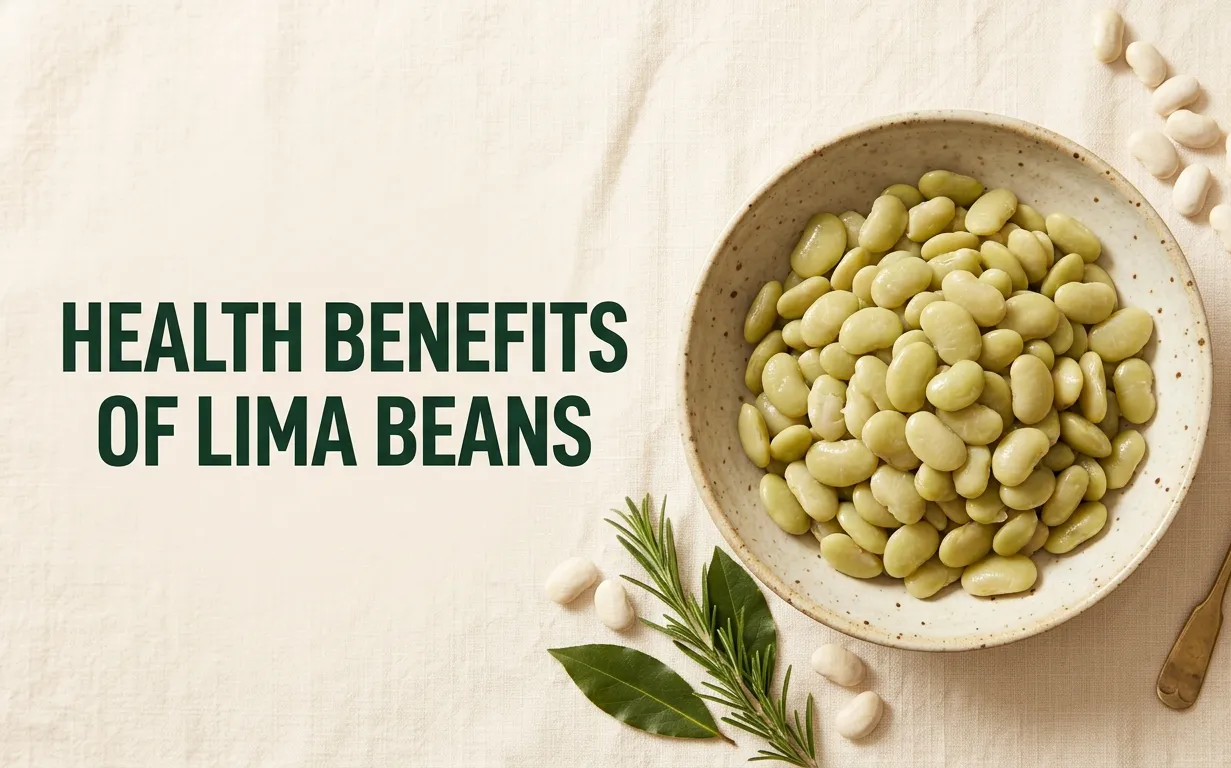
The health benefits of lima beans are anchored in a nutritional profile that delivers exceptionally high fiber, plant-based protein, potassium, folate, and molybdenum in a low-fat, low-glycemic package. A single cup of cooked lima beans provides 9 grams of fiber, over 11 grams of protein, nearly 1,000 milligrams of potassium, and more than 300 percent of the daily value for molybdenum, a trace mineral essential for detoxification pathways.
This combination matters because it targets multiple health systems simultaneously. The fiber matrix and resistant starch improve glycemic control and feed beneficial gut bacteria. The potassium-to-sodium ratio directly supports blood pressure regulation. The folate meets a need that is often unmet in American diets. Lima beans are not a single-benefit food. They are a multi-target dietary tool that addresses several nutrient gaps common in modern eating patterns.
We’ll walk through each mechanism, from the fermentation of resistant starch into butyrate to the enzymatic pathway by which molybdenum activates sulfite oxidase. You’ll learn exactly how to cook lima beans to neutralize their natural cyanogenic glycosides, how to choose between canned, frozen, and dried for your specific health goal, and how lima beans compare to chickpeas and black beans on every nutrient that matters.
Health Benefits of Lima Beans: A Science-Backed Overview
Lima beans provide six primary, evidence-backed health benefits. They improve glycemic control through their resistant starch and fiber content. They support cardiovascular health through their high potassium-to-sodium ratio and soluble fiber’s cholesterol-lowering effect. They provide high-quality plant protein with a complementary amino acid profile. They deliver substantial non-heme iron for anemia prevention. They supply folate at levels relevant to pregnancy and cellular health. They contribute molybdenum and manganese as cofactors for critical enzymatic reactions.
These benefits are not theoretical extrapolations from nutrient content tables alone. Each has been studied directly or through the broader legume consumption literature. Prospective cohort studies, including the NHANES data analysis, consistently associate higher legume intake with lower risk of type 2 diabetes, cardiovascular disease, and all-cause mortality. Lima beans, as a member of the legume family, contribute to these outcomes through mechanisms that have been partially elucidated in controlled feeding trials.
The evidence quality varies by specific health endpoint. The fiber and resistant starch effects on glycemic response and gut fermentation are the best documented, with direct mechanistic studies in humans. The cardiovascular benefits are supported by strong observational data and biologically plausible potassium and fiber mechanisms. The molybdenum benefit is a matter of nutritional biochemistry rather than clinical trial endpoints. No lima bean-specific randomized controlled trial has been published with cardiovascular or diabetes incidence as the primary outcome. The evidence is real, but it is largely nutrient-mechanism-based and observational, not lima bean-specific interventional.
Key Takeaway: Lima beans deliver six interconnected health benefits through their fiber, potassium, protein, iron, folate, and molybdenum content, with the strongest direct evidence supporting their glycemic and cardiovascular effects.
Lima Beans Health Benefits Evidence and Research Quality
The health benefits of lima beans are supported by three tiers of evidence. Direct human intervention studies on legumes as a category show improvements in glycemic control, satiety, and cholesterol levels. Observational cohort studies link legume consumption to reduced chronic disease risk. Nutrient biochemistry establishes the mechanistic plausibility of specific lima bean nutrients. Direct lima bean-specific randomized controlled trials are limited.
The strongest evidence layer is the legume category research. A 2022 systematic review and meta-analysis published in the Journal of Nutrition pooled data from 28 randomized controlled trials and found that legume consumption reduced fasting blood glucose by an average of 5.3 mg/dL and LDL cholesterol by 6.8 mg/dL compared to control diets. Lima beans were included in several of the pooled trials. The effects were most pronounced when legumes replaced refined grains rather than when they were added on top of an unchanged diet.
The observational evidence comes from large prospective cohorts. The NHANES data analysis shows that adults who consume legumes four or more times per week have a 22 percent lower risk of coronary heart disease compared to those consuming legumes less than once per week, according to findings published in the Archives of Internal Medicine. This is an association, not a causal proof, but it holds after adjustment for overall diet quality, physical activity, and socioeconomic status.
The biochemical evidence is specific to lima beans. Their resistant starch type 2 (RS2) content, measured at approximately 3 to 4 grams per cup of cooked beans, has been shown in controlled feeding studies to increase colonic butyrate production. Butyrate is the primary energy source for colonocytes and has anti-inflammatory and insulin-sensitizing properties. This mechanism is well established in the literature and is directly applicable to lima beans specifically, not just to legumes as a category.
Lima Beans Nutrition Facts and Complete Macro Breakdown
One cup (170 grams) of cooked, boiled large lima beans without added salt contains 209 calories, 11.6 grams of protein, 0.5 grams of fat, 40.2 grams of total carbohydrate, and 9.0 grams of dietary fiber. This macro composition translates to a caloric distribution of roughly 70 percent carbohydrate, 22 percent protein, and 8 percent fat, making lima beans a high-carbohydrate, high-protein, very low-fat food.
The carbohydrate fraction is not uniform. It consists of approximately 18 grams of starch, 9 grams of fiber, and a meaningful portion of resistant starch that escapes digestion in the small intestine entirely. This means the net digestible carbohydrate, the amount that actually reaches the bloodstream as glucose, is closer to 28 to 30 grams per cup rather than the 40 grams listed on a nutrition panel. The glycemic load of a cup of lima beans is approximately 8 to 10, placing them firmly in the low-glycemic category.
The protein content at 11.6 grams per cup is substantial for a plant food. This represents about 23 percent of the Daily Value for protein. For a vegan or vegetarian adult, a single cup of lima beans can supply roughly 20 to 25 percent of daily protein needs. The protein is incomplete, limited in the sulfur-containing amino acids methionine and cysteine, but this limitation is easily overcome by consuming grains or nuts at a different point in the same day, a concept known as protein complementation that the Academy of Nutrition and Dietetics recognizes as effective when practiced over a 24-hour period.
The micronutrient density is where lima beans truly distinguish themselves from other starchy foods. A 100-gram reference serving provides 561 mg of potassium (12 percent DV), 92 mcg of folate (23 percent DV), 2.5 mg of iron (14 percent DV), 43 mg of magnesium (10 percent DV), and a remarkable 83 mcg of molybdenum (184 percent DV). No grain or pseudo-grain offers this combination of minerals in a comparable caloric package.
| Nutrient (1 cup / 170g cooked) | Amount | % Daily Value | Why It Matters |
|---|---|---|---|
| Calories | 209 | N/A | Moderate energy density with high satiety. |
| Protein | 11.6 g | 23% | Plant protein with complementary amino acid profile. |
| Fiber | 9.0 g | 32% | Soluble and insoluble blend; feeds gut bacteria. |
| Potassium | 955 mg | 20% | Blood pressure regulation, muscle contraction. |
| Folate | 156 mcg | 39% | DNA synthesis, red blood cell formation. |
| Iron | 4.2 mg | 23% | Non-heme iron for oxygen transport. |
| Molybdenum | 141 mcg | 313% | Cofactor for sulfite oxidase and detoxification enzymes. |
Lima Beans Fiber Types and How They Improve Digestion
Lima beans contain both soluble and insoluble fiber in a ratio of approximately 1:2, along with a unique contribution of resistant starch type 2 (RS2). The soluble fiber forms a viscous gel in the digestive tract that slows gastric emptying and binds bile acids. The insoluble fiber adds bulk to stool and accelerates intestinal transit time. The resistant starch escapes small intestinal digestion entirely and ferments in the colon.
The fermentation of resistant starch in the colon is the digestive benefit that sets lima beans apart from most other fiber-rich foods. Colonic bacteria, primarily Bacteroides and Firmicutes species, metabolize RS2 into short-chain fatty acids (SCFAs), predominantly butyrate, acetate, and propionate. Butyrate is the primary fuel source for colonocytes, the cells that line the colon. It directly nourishes the intestinal barrier, helping maintain tight junction integrity and reducing intestinal permeability.
This butyrate production has downstream effects beyond the colon. Butyrate enters the portal circulation and acts as a signaling molecule in the liver, where it can influence hepatic glucose production. It also acts as a histone deacetylase (HDAC) inhibitor in immune cells, reducing the production of pro-inflammatory cytokines. This means the fiber in lima beans doesn’t just help you have regular bowel movements. It actively modifies the inflammatory environment of the gut and the metabolic signaling to the liver.
The soluble fiber component provides a complementary digestive benefit. Beta-glucans and pectins in the soluble fraction form a gel that slows the rate at which the stomach empties its contents into the small intestine. This delayed gastric emptying reduces the post-meal glucose peak and prolongs the feeling of fullness. For individuals with IBS with constipation (IBS-C), the combination of soluble and insoluble fiber in lima beans can be particularly helpful, though those sensitive to high-FODMAP foods should reintroduce lima beans in small portions to test individual tolerance.
Lima Beans Protein Quality and Amino Acid Profile
Lima bean protein is a high-quality plant protein that is rich in the essential amino acid lysine but limited in the sulfur-containing amino acids methionine and cysteine. This amino acid profile makes lima beans the ideal protein complement to grains like rice, wheat, or corn, which are typically deficient in lysine but adequate in methionine.
The practical significance of this complementarity is real but often overstated. You do not need to eat lima beans and rice in the same meal to achieve complete protein status. The body maintains an amino acid pool in the bloodstream and tissues. Lysine from a bean-based lunch and methionine from a grain-based dinner will both be drawn from this pool for protein synthesis throughout the day. The Academy of Nutrition and Dietetics position paper on vegetarian diets confirms that intentional combining at every meal is unnecessary; variety over 24 hours is sufficient.
Per 100 grams of cooked lima beans, the lysine content is approximately 560 milligrams, compared to roughly 200 milligrams in an equivalent caloric serving of white rice. This is a meaningful difference for populations relying on grains as a dietary staple, where lysine deficiency can limit protein synthesis. Adding lima beans to a grain-based meal pattern effectively removes the amino acid bottleneck.
The total protein digestibility-corrected amino acid score (PDCAAS) of lima beans is approximately 0.65 to 0.70, lower than soybeans (1.0) but comparable to other pulses like chickpeas and lentils. The lower score is due to both the methionine limitation and the presence of antinutritional factors that slightly reduce protein digestibility. Soaking and cooking improve digestibility by inactivating trypsin inhibitors and reducing phytic acid content. This is another reason why properly cooked lima beans are nutritionally superior to raw or undercooked beans, beyond the cyanide safety concern.
Key Takeaway: Lima beans are rich in lysine, the limiting amino acid in grains, making them a strategically valuable protein source in plant-based diets even though their own methionine content is modest.
Lima Beans Iron Content and Anemia Prevention
One cup of cooked lima beans provides 4.2 milligrams of non-heme iron, representing 23 percent of the Daily Value for adult women and 53 percent for adult men. This iron content, combined with the 156 micrograms of folate in the same serving, makes lima beans a dual-action food for preventing both iron-deficiency anemia and megaloblastic anemia caused by folate deficiency.
Non-heme iron from plant sources is less bioavailable than the heme iron in meat, poultry, and fish. The absorption rate of non-heme iron ranges from 2 to 20 percent depending on enhancers and inhibitors present in the same meal. Lima beans contain phytic acid, a known inhibitor of iron absorption. However, the effect of phytic acid can be partially overcome by strategic meal composition.
Consuming a source of vitamin C in the same meal as lima beans increases non-heme iron absorption by 2 to 6 fold. Ascorbic acid (vitamin C) reduces ferric iron (Fe3+) to the more absorbable ferrous form (Fe2+) and forms a chelate that remains soluble in the small intestine’s alkaline environment. A meal that pairs lima beans with bell peppers, tomatoes, or a squeeze of citrus juice directly enhances the iron bioavailability. This is not a marginal optimization. It is the difference between absorbing 2 percent and 10 percent of the iron present.
Individuals with iron-deficiency anemia who are relying on plant sources of iron should ask a registered dietitian to review their meal patterns for iron absorption enhancers and inhibitors. The dietitian can identify whether concurrent coffee or tea consumption (tannins inhibit absorption) or calcium-rich foods at the same meal are limiting the iron available from lima beans and other legumes.
Lima Beans Potassium and Heart Health Protection
A single cup of cooked lima beans delivers 955 milligrams of potassium, approximately 20 percent of the Daily Value and a substantial contribution toward the Adequate Intake of 3,400 mg for men and 2,600 mg for women set by the National Institutes of Health Office of Dietary Supplements. This potassium density, combined with naturally low sodium (less than 5 mg per cup in unsalted cooked beans), creates a potassium-to-sodium ratio that directly supports blood pressure regulation.
Potassium lowers blood pressure through two well-characterized mechanisms. It increases sodium excretion by the kidneys, reducing the total body sodium burden. It directly relaxes the smooth muscle cells in blood vessel walls, causing vasodilation. The American Heart Association recognizes dietary potassium as a blood pressure-lowering nutrient, and the DASH (Dietary Approaches to Stop Hypertension) eating pattern specifically includes 4 to 5 servings of legumes, nuts, and seeds per week to achieve its potassium targets.
The potassium in lima beans is more bioavailable than potassium from supplements because it is delivered in a whole food matrix that also contains magnesium, another vasodilatory mineral. The 73 mg of magnesium per cup of lima beans contributes to the relaxation of vascular smooth muscle by competing with calcium at calcium channels. The combined effect of potassium-driven natriuresis and magnesium-driven vasodilation makes lima beans a functional food for blood pressure management.
The caveat is sodium added during cooking or canning. Canned lima beans can contain 300 to 500 mg of added sodium per cup unless labeled “no salt added” or “low sodium.” This added sodium directly counteracts the potassium benefit by shifting the sodium-potassium balance in the wrong direction. Rinsing canned beans under running water for 60 seconds removes approximately 40 percent of the added sodium, a practical step that partially preserves the potassium advantage.
Lima Beans Folate and Molybdenum: The Underrated Micronutrients
Lima beans are an exceptionally concentrated dietary source of two under-discussed micronutrients: folate (vitamin B9) and molybdenum. One cup of cooked lima beans provides 156 micrograms of folate (39 percent DV) and 141 micrograms of molybdenum (313 percent DV). These nutrients operate in completely different physiological systems, but both are critical and both are commonly underconsumed.
Folate functions as a methyl group donor in one-carbon metabolism, the biochemical pathway responsible for DNA synthesis, DNA methylation, and the conversion of homocysteine to methionine. Adequate folate intake is essential during the first trimester of pregnancy for neural tube closure. The NIH Office of Dietary Supplements recommends 400 mcg of dietary folate equivalents (DFE) daily for adult women, increasing to 600 mcg DFE during pregnancy. One cup of lima beans provides a quarter to a third of that requirement from a single food.
Molybdenum is a trace mineral that functions as a cofactor for four essential enzymes: sulfite oxidase, xanthine oxidase, aldehyde oxidase, and mitochondrial amidoxime reducing component (mARC). Sulfite oxidase is particularly important. It catalyzes the final step in the degradation of sulfur-containing amino acids, converting toxic sulfite to harmless sulfate. Without adequate molybdenum, sulfite accumulates and can cause neurological symptoms. The molybdenum RDA is only 45 mcg, meaning a single cup of lima beans provides over three times the daily requirement.
The molybdenum content of lima beans is largely determined by the soil in which they are grown. Beans grown in molybdenum-rich soil accumulate more of the mineral. This is a nutritional advantage, not a risk. The Tolerable Upper Intake Level (UL) for molybdenum is 2,000 mcg per day, over 14 times the amount in a cup of lima beans. It is essentially impossible to exceed the UL through food sources of molybdenum alone.
Key Takeaway: Lima beans are one of the richest dietary sources of molybdenum, a mineral that activates detoxification enzymes, and provide nearly 40 percent of the daily folate requirement in one cup.
Lima Beans Resistant Starch and Blood Sugar Control
The resistant starch type 2 (RS2) in lima beans improves blood sugar control through two independent mechanisms. It directly reduces the glycemic impact of the meal by escaping digestion in the small intestine, lowering the net available carbohydrate load. It indirectly improves insulin sensitivity over time through the production of butyrate in the colon.
The direct mechanism is straightforward. Resistant starch is physically inaccessible to pancreatic alpha-amylase because of its dense crystalline structure. It passes through the stomach and small intestine intact. Unlike digestible starch, it does not contribute to the post-meal rise in blood glucose. A cup of lima beans contains approximately 3 to 4 grams of RS2. This means the effective glycemic carbohydrate load is roughly 10 to 15 percent lower than the total carbohydrate number on a nutrition label would suggest.
The indirect mechanism operates through the colonic fermentation pathway described in the fiber section. Butyrate produced from RS2 fermentation enters the bloodstream and acts on pancreatic beta cells to enhance glucose-stimulated insulin secretion. It also acts on muscle and liver cells to improve their sensitivity to insulin. This effect is not acute. It builds over days to weeks of consistent resistant starch intake. Human studies using resistant starch supplements have documented improvements in insulin sensitivity measured by the euglycemic-hyperinsulinemic clamp, the gold standard method.
The American Diabetes Association includes legumes, including lima beans, as a recommended carbohydrate source for individuals with diabetes. Their position is based on the combined effect of fiber, resistant starch, and plant protein on glycemic control. The low glycemic index of lima beans (approximately 32 to 46 depending on cooking method) places them among the most blood-sugar-friendly starchy foods available.
Lima Beans Cholesterol Reduction and Lipid Metabolism
Consuming lima beans and other legumes contributes to lower total and LDL cholesterol through three mechanisms: soluble fiber binding of bile acids, displacement of saturated fat in the diet, and the action of plant sterols and saponins on cholesterol absorption and synthesis.
The soluble fiber in lima beans, particularly the beta-glucan and pectin fraction, binds to bile acids in the small intestine. Bile acids are synthesized in the liver from cholesterol. When fiber-bound bile acids are excreted in the feces instead of being reabsorbed in the terminal ileum, the liver must draw more cholesterol from the blood to synthesize replacement bile acids. This increased hepatic demand lowers circulating LDL cholesterol. A 2019 meta-analysis in the American Journal of Clinical Nutrition confirmed that each 5-gram increase in viscous soluble fiber per day reduces LDL cholesterol by approximately 5 to 7 mg/dL.
The displacement mechanism is a dietary pattern effect rather than a direct pharmacological one. When lima beans replace red meat or full-fat dairy in a meal, the saturated fat content of the diet decreases. Saturated fat is a well-established dietary driver of LDL cholesterol. Lima beans themselves contain less than 0.5 grams of total fat and virtually no saturated fat. A chili made with lima beans instead of ground beef eliminates the saturated fat contribution from the protein source entirely.
Saponins and plant sterols in lima beans provide a tertiary mechanism. Saponins form complexes with cholesterol in the intestinal lumen that are poorly absorbed. Plant sterols compete with cholesterol for incorporation into micelles, reducing the fraction of dietary and biliary cholesterol that enters the enterocyte. These effects are modest individually but are additive with the bile acid-binding and displacement effects.
Lima Beans Weight Loss and Satiety Signaling
Lima beans support weight management through their high satiety index, driven by the combined effect of 9 grams of fiber, 11.6 grams of protein, and a low energy density of approximately 1.2 calories per gram. This nutrient composition activates multiple satiety signaling pathways, including gastric distension, GLP-1 secretion, and peptide YY (PYY) release.
Gastric distension is the immediate signal. The volume of a cup of lima beans, swollen with water absorbed during cooking, stretches the stomach wall. Stretch receptors in the gastric fundus send vagal nerve signals to the nucleus tractus solitarius in the brainstem, contributing to meal termination. Low energy density foods that occupy a large gastric volume reduce ad libitum calorie intake at the current meal and the subsequent meal, an effect documented in controlled laboratory feeding studies.
The hormonal satiety signals are mediated by the fermentation of fiber and resistant starch in the colon. Short-chain fatty acids, particularly propionate and butyrate, stimulate L-cells in the colonic epithelium to release glucagon-like peptide-1 (GLP-1) and peptide YY (PYY). GLP-1 slows gastric emptying. PYY acts directly on the hypothalamus to reduce appetite. These hormones are released 1 to 3 hours after eating, providing a delayed satiety signal that bridges the gap between meals.
The practical application of this satiety effect is straightforward. Replace refined carbohydrates that have a high energy density and low satiety index (white rice, white pasta, white bread) with an equal volume of lima beans. The calorie difference is often negligible, but the satiety difference is substantial. A study published in Appetite found that participants who ate a legume-based meal consumed 12 percent fewer calories at the next meal compared to those who ate a calorically equivalent refined-grain meal.
Key Takeaway: Lima beans trigger both immediate gastric stretch signals and delayed hormonal satiety signals, making them one of the most filling carbohydrate sources available per calorie.
Lima Beans vs Chickpeas and Black Beans: Nutrient Comparison
Lima beans, chickpeas (garbanzo beans), and black beans are all nutritionally excellent legumes, but they differ in specific nutrient densities. Lima beans are notably higher in potassium and molybdenum. Chickpeas are higher in folate and manganese. Black beans are higher in anthocyanin antioxidants and magnesium.
The potassium difference is the most clinically relevant distinction. One cup of cooked lima beans provides 955 mg of potassium compared to 477 mg in chickpeas and 611 mg in black beans. For someone using legumes as part of a DASH-style blood pressure management diet, lima beans provide nearly double the potassium of chickpeas per serving. This is not a marginal difference. It changes the food’s functional role in the diet.
Chickpeas have the advantage in fiber diversity, containing a higher proportion of soluble fiber and a particularly viscous type that gives chickpeas their characteristic gelling property. Black beans have the advantage in antioxidant capacity, driven by their dark pigment compounds (anthocyanins) that are absent in lima beans. Lima beans are a better iron source than chickpeas but comparable to black beans.
| Nutrient (1 cup cooked) | Lima Beans | Chickpeas | Black Beans |
|---|---|---|---|
| Calories | 209 | 269 | 227 |
| Protein | 11.6 g | 14.5 g | 15.2 g |
| Fiber | 9.0 g | 12.5 g | 15.0 g |
| Potassium | 955 mg | 477 mg | 611 mg |
| Folate | 156 mcg | 282 mcg | 256 mcg |
| Iron | 4.2 mg | 4.7 mg | 3.6 mg |
| Magnesium | 73 mg | 79 mg | 120 mg |
| Molybdenum | 141 mcg | 124 mcg | 78 mcg |
Lima Beans Canned vs Frozen vs Dried: Which Is Healthiest
Dried lima beans that are soaked and boiled at home provide the most nutritional control and the highest nutrient density per calorie. Canned lima beans are nutritionally comparable if “no salt added” or thoroughly rinsed, but they lose a small portion of heat-sensitive folate during the canning process. Frozen lima beans retain more folate than canned and are the most convenient option with minimal nutritional compromise.
The sodium differential is the most important practical distinction. Dried lima beans cooked at home contain less than 5 mg of sodium per cup until the cook adds salt. Canned lima beans contain 300 to 500 mg of sodium per cup unless labeled “no salt added” or “low sodium.” This single variable can make the difference between lima beans being a blood-pressure-friendly food and a blood-pressure-unfriendly one.
Folate retention varies by processing method. Folate is heat-labile. The high-temperature, high-pressure canning process degrades folate by approximately 15 to 25 percent. Frozen lima beans, which are blanched briefly and then flash-frozen, retain about 90 percent of their original folate content. Dried beans stored for more than a year at room temperature can lose additional folate. For the maximum folate benefit, frozen lima beans are the best choice.
Frozen lima beans also have an underappreciated safety advantage. They have been blanched, which neutralizes the cyanogenic glycosides. They require no soaking. They cook faster than dried beans. For anyone intimidated by the cyanide safety discussion in the next section, frozen lima beans represent a zero-risk option with full nutritional value.
Key Takeaway: Frozen lima beans are the optimal choice for combining nutritional quality (high folate retention, low sodium) with guaranteed safety and convenience. Dried beans offer the most control. Canned beans require rinsing to manage sodium.
Lima Beans Cyanogenic Glycosides and Safe Cooking Method
Raw lima beans contain linamarin, a cyanogenic glycoside that can release hydrogen cyanide when the bean is crushed and the enzyme beta-glucosidase is activated. Boiling lima beans in water at 100 degrees Celsius (212 degrees Fahrenheit) for at least 15 to 20 minutes fully hydrolyzes the linamarin, volatilizes the hydrogen cyanide, and renders the beans completely safe for consumption.
The chemistry of this detoxification is well understood. Linamarin is a glucose-conjugated cyanohydrin. When the bean cell walls are ruptured (by chewing, crushing, or cooking), the enzyme beta-glucosidase in the bean tissue hydrolyzes the glucose off the linamarin molecule. This produces acetone cyanohydrin, which spontaneously decomposes at temperatures above 30 degrees Celsius into acetone and hydrogen cyanide gas. The boiling water drives off the hydrogen cyanide gas into the air.
The critical safety parameter is temperature. Slow cookers, which operate between 80 and 90 degrees Celsius (176 to 194 degrees Fahrenheit) on the low setting, may not reach sufficient temperature to fully decompose the acetone cyanohydrin intermediate or volatilize the hydrogen cyanide. The USDA specifically advises against cooking raw kidney beans in a slow cooker because of a related toxin (phytohemagglutinin). The same concern applies to cyanogenic glycosides in lima beans. If you use a slow cooker, boil the lima beans on the stovetop for at least 15 minutes first, then transfer them to the slow cooker to finish.
The lima bean varieties sold commercially in the United States are low-cyanide cultivars. The cyanogenic glycoside content is regulated and is far lower than in wild lima bean varieties or in cassava, another cyanogenic food. Canned and frozen lima beans have already been heat-processed to neutralize linamarin and are safe to eat directly from the package. The cyanide concern applies only to raw dried lima beans that require cooking.
Numbered safety steps for cooking dried lima beans:
- Soak dried lima beans in water for 8 to 12 hours (overnight), then discard the soaking water.
- Add the soaked beans to a pot with fresh water, using a ratio of at least 3 cups of water per 1 cup of beans.
- Bring the water to a full rolling boil (100 degrees Celsius / 212 degrees Fahrenheit) and maintain the boil for at least 15 minutes.
- After 15 minutes of boiling, reduce heat to a simmer and cook until beans are tender, typically 45 to 60 additional minutes.
- Never cook raw lima beans in a slow cooker on the low setting without boiling them first.
Who Should Limit or Avoid Lima Beans
Individuals with diagnosed G6PD dehydrogenase deficiency should consult a hematologist before consuming large quantities of lima beans. People with irritable bowel syndrome (IBS) who follow a low-FODMAP diet should reintroduce lima beans cautiously and in small portions. Those on potassium-sparing diuretics or with advanced chronic kidney disease may need to limit high-potassium foods like lima beans based on their specific serum potassium levels and physician guidance.
The G6PD concern stems from lima beans’ botanical relationship to fava beans (Vicia faba), which are known to trigger acute hemolytic anemia in people with G6PD deficiency through compounds called vicine and convicine. Lima beans (Phaseolus lunatus) are a different genus and species and do not contain significant amounts of vicine or convicine. Case reports of hemolysis from lima bean consumption in G6PD-deficient individuals are rare or absent in the medical literature. The concern is precautionary rather than evidence-based. A hematologist familiar with the patient’s specific G6PD variant can provide individualized guidance.
The FODMAP concern is practical. Lima beans contain galacto-oligosaccharides (GOS), a class of fermentable carbohydrates that can trigger gas, bloating, and abdominal pain in people with IBS who are sensitive to them. Canned lima beans, which have been pressure-cooked during processing, have a lower GOS content than home-cooked dried beans. Individuals with IBS who want to include lima beans in their diet can start with a 2-tablespoon portion of canned, rinsed lima beans and gradually increase the portion size to test individual tolerance.
For individuals with advanced chronic kidney disease (stage 4 or 5) who are on a potassium-restricted diet, the 955 mg of potassium per cup of lima beans is a significant fraction of the typical 2,000 to 3,000 mg daily potassium restriction. A renal dietitian can calculate whether a smaller portion size, such as a quarter cup, can be accommodated within the day’s potassium budget or whether lima beans must be avoided entirely to prevent hyperkalemia.
Frequently Asked Questions About Lima Beans
What are the main health benefits of eating lima beans?
Lima beans improve blood sugar control through their resistant starch and fiber, lower blood pressure through their high potassium content, and reduce LDL cholesterol through their soluble fiber.
They provide high-quality plant protein, substantial non-heme iron for anemia prevention, and are one of the richest dietary sources of molybdenum and folate.
The combination of 9 grams of fiber and 11.6 grams of protein per cup also makes them exceptionally filling, supporting weight management.
Are lima beans good for managing blood sugar and diabetes?
Yes, lima beans are excellent for blood sugar management because their resistant starch escapes digestion and their soluble fiber slows glucose absorption, producing a low glycemic index of approximately 32 to 46.
The fermentation of resistant starch in the colon produces butyrate, a short-chain fatty acid that directly improves insulin sensitivity in muscle and liver cells over time.
The American Diabetes Association includes legumes like lima beans as a recommended carbohydrate source for people with diabetes.
How do I cook lima beans safely to remove cyanide?
Boil raw dried lima beans in water at a full rolling boil (100 degrees Celsius or 212 degrees Fahrenheit) for at least 15 to 20 minutes to hydrolyze the cyanogenic glycosides and volatilize the hydrogen cyanide gas.
Never cook raw lima beans in a slow cooker on the low setting without boiling them first, as the lower temperature may not fully decompose the cyanide precursors.
Canned and frozen lima beans have already been heat-processed during manufacturing and are safe to eat directly without additional boiling.
Which is healthier, canned or dried lima beans?
Dried lima beans that you soak and boil at home give you full control over sodium and avoid the small folate loss that occurs during the canning process.
Frozen lima beans are the best compromise, retaining more folate than canned and requiring no soaking, while being pre-blanched for safety.
If using canned lima beans, choose “no salt added” versions or rinse regular canned beans under running water for 60 seconds to remove approximately 40 percent of the added sodium.
Can lima beans help with weight loss?
Lima beans support weight loss by providing exceptional satiety through their combination of 9 grams of fiber, 11.6 grams of protein, and low energy density per cup.
They trigger both immediate stomach stretch signals and delayed satiety hormones (GLP-1 and PYY) released when gut bacteria ferment the resistant starch in the colon.
Replacing refined carbohydrates with an equal volume of lima beans reduces ad libitum calorie intake at the next meal, a finding documented in controlled feeding studies.
Do lima beans cause gas and bloating like other beans?
Yes, lima beans can cause gas and bloating in some people due to their galacto-oligosaccharide (GOS) content, a type of fermentable carbohydrate that reaches the colon undigested.
Soaking dried beans and discarding the soaking water before boiling reduces the GOS content and can lessen the gas-producing effect.
Canned lima beans have a lower GOS content than home-cooked dried beans due to the pressure canning process, making them a better starting point for people with sensitive digestion.
Lima beans earn their place in a health-optimized diet through a nutritional density that is difficult for other starchy foods to match. They provide nearly 1,000 milligrams of potassium per cup, over 300 percent of the daily molybdenum requirement, and a fiber and resistant starch matrix that improves glycemic control through two independent mechanisms. The cyanogenic glycoside concern that lingers in public perception is fully resolved by a 15-minute boil.
Your most useful action after reading this article is to choose the lima bean format that fits your health goal. If blood pressure is your target, frozen lima beans with zero added sodium will maximize the potassium advantage. If blood sugar is your focus, dried lima beans that you boil at home will preserve the full resistant starch content. If you are simply adding legumes to a plant-based diet for the first time, a can of no-salt-added lima beans, rinsed and stirred into a grain bowl with bell peppers, is a safe and immediate starting point.
Lima beans are not the most fashionable legume in the grocery aisle, but on the nutrition metrics that matter most for metabolic and cardiovascular health, they outperform chickpeas and black beans on potassium and match or approach them on fiber, protein, and iron. The science supporting legume consumption is robust. Lima beans, properly prepared, are an evidence-backed dietary tool.