
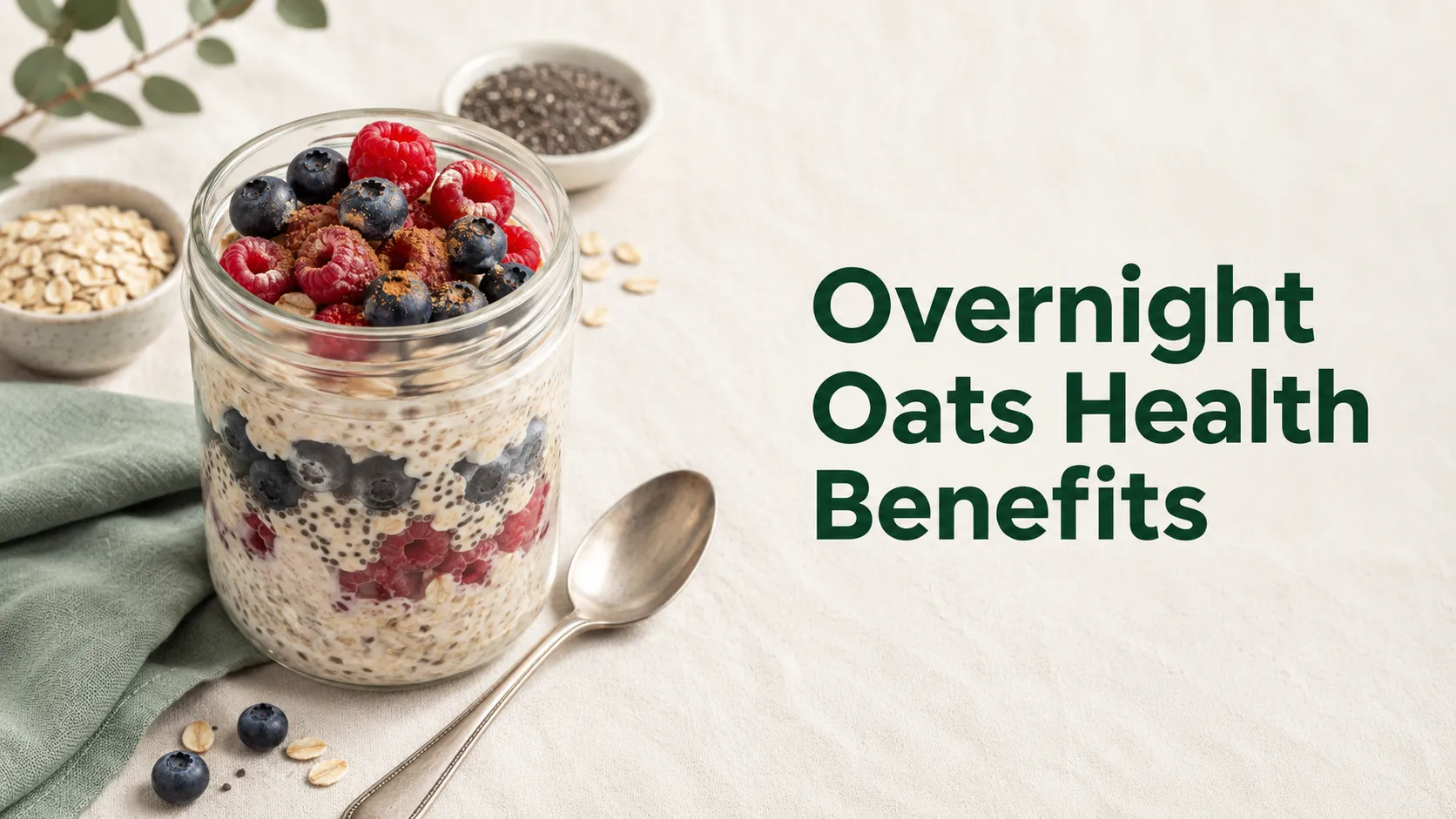
Overnight Oats Health Benefits: A 2026 Science-Based Review
Overnight oats deliver multiple measurable health benefits, primarily through two specific mechanisms: the formation of resistant starch during the cold-soaking process and the action of a soluble fiber called beta-glucan. This combination directly supports blood sugar regulation, LDL cholesterol reduction, and improved digestive health in ways that cooked oatmeal alone does not fully replicate.
The difference between a trend and a genuinely useful health habit comes down to the biochemistry. According to the USDA FoodData Central database, a standard 40-gram serving of dry rolled oats provides 4 grams of fiber, approximately 2 grams of which is beta-glucan, the compound that earned oats an FDA-approved health claim for cholesterol reduction. Understanding what happens when oats sit in liquid overnight rather than hitting a hot stovetop changes how you view that jar in your refrigerator.
This article examines exactly what the cooling and soaking process does to the starch molecules in oats, which specific health outcomes have strong evidence behind them, and where the research is still preliminary. You will walk away knowing whether overnight oats deserve a permanent spot in your weekly meal prep rotation, who benefits most from eating them, and what no one tells you about how preparation method alters the nutritional end product.
What Are the Primary Overnight Oats Health Benefits?
The primary health benefits of overnight oats center on improved blood sugar control through resistant starch formation, LDL cholesterol reduction driven by beta-glucan, and enhanced digestive function through prebiotic fiber fermentation. These three mechanisms are the most consistently supported by clinical research and form the core nutritional case for choosing overnight oats over many other breakfast options.
Beta-glucan sits at the center of the cholesterol-lowering effect. This soluble fiber forms a viscous gel in the small intestine that traps bile acids containing cholesterol, preventing their reabsorption and forcing the liver to pull more LDL cholesterol from the bloodstream to produce new bile. A 2016 meta-analysis published in the American Journal of Clinical Nutrition reviewed 58 randomized controlled trials and found that a daily intake of 3.5 grams of oat beta-glucan reduced LDL cholesterol by an average of 4.2%, a statistically meaningful drop that contributes to cardiovascular risk reduction over time.
The blood sugar story is different and equally specific. When you soak rolled oats in cold liquid overnight instead of cooking them on a stovetop, the starch granules undergo a process called retrogradation. Amylose molecules realign into a crystalline structure that digestive enzymes cannot easily break down, converting a portion of the digestible starch into resistant starch type 3. This resistant starch passes through the small intestine undigested and arrives in the colon, where gut bacteria ferment it. The result is a lower post-meal blood glucose spike compared to freshly cooked, hot oatmeal. A 2015 study published in the British Journal of Nutrition demonstrated that consuming resistant starch with a meal lowered the postprandial glycemic response by up to 38% in healthy adults.
The digestive health benefit extends beyond fiber volume. The same resistant starch and soluble fiber that moderate blood sugar serve as a prebiotic substrate for beneficial gut bacteria, particularly Bifidobacterium and Lactobacillus species. These bacteria ferment the fiber into short-chain fatty acids (SCFAs), primarily acetate, propionate, and butyrate. Butyrate is the primary energy source for colonocytes, the cells that line the colon, and plays a direct role in maintaining intestinal barrier integrity and reducing inflammation. This is a specific, named mechanism, not a vague wellness claim.
Key Takeaway: Overnight oats generate two distinct bioactive compounds, beta-glucan and resistant starch, that work through separate pathways to improve cholesterol, blood sugar, and gut health simultaneously.
Are Overnight Oats Healthy According to Current Research?
Yes, overnight oats are healthy according to current clinical evidence, which consistently links regular whole grain oat consumption to measurable improvements in cardiovascular markers, glycemic control, and digestive function. The “overnight” preparation method adds a specific nutritional advantage through resistant starch formation that increases the total dietary fiber available for fermentation in the colon.
What separates a supported health claim from marketing language is the strength and type of evidence behind it. The cholesterol-lowering effect of oat beta-glucan is not new, preliminary, or based on small observational studies. The U.S. Food and Drug Administration (FDA) authorized a health claim in 1997, reaffirmed in subsequent reviews, stating that 3 grams or more of beta-glucan per day from oat bran, rolled oats, or whole oat flour may reduce the risk of coronary heart disease. The European Food Safety Authority (EFSA) maintains a similar approved claim, specifying a minimum daily intake of 3 grams of oat beta-glucan to achieve a cholesterol-lowering effect. This level of regulatory recognition places oat beta-glucan in a rare category of food components with a government-verified health function.
Resistant starch research is more recent but building rapidly. The specific form created by cooling cooked starches, retrograded amylose, has been studied in controlled feeding trials that measure postprandial glucose, insulin sensitivity, and SCFA production. A 2022 review published in Nutrients examined 15 randomized controlled trials on resistant starch and metabolic health, concluding that consumption of 20 to 40 grams of resistant starch per day consistently improved insulin sensitivity in participants with metabolic syndrome. A single serving of overnight oats will not deliver that full amount, but it contributes a meaningful portion, approximately 2 to 5 grams of resistant starch depending on oat type, soaking time, and temperature, to the daily total.
It is important to state what the research does not show. Overnight oats are not a cure for any disease. They do not replace medication for high cholesterol or type 2 diabetes. What the evidence supports is their role as a practical, food-based component of a dietary pattern consistent with the Dietary Guidelines for Americans 2020-2025, which explicitly recommend that at least half of all grain intake come from whole grains. A 40-gram serving of rolled oats represents one full whole grain serving.
Key Takeaway: Overnight oats carry an FDA-authorized health claim for cholesterol reduction, a regulatory distinction that most breakfast foods do not have.
What Is Overnight Oats Resistant Starch and How Does It Form?
Resistant starch in overnight oats is a specific type of starch classified as resistant starch type 3 (RS3), also called retrograded amylose, that forms when the starch granules in oats gelatinize in liquid and then cool for an extended period. This cooling process restructures the amylose molecules into tightly packed crystalline formations that human digestive enzymes cannot break apart in the small intestine.
Understanding why this matters requires a quick look at starch chemistry. Rolled oats contain two starch molecules: amylose, a long straight chain, and amylopectin, a branched structure. When you cook oats with hot water, both molecules absorb water, swell, and gelatinize, becoming fully accessible to digestive enzymes. That is why cooked oatmeal digests relatively quickly and produces a sharper blood glucose curve. When you instead soak rolled oats in cold milk or water for 6 to 12 hours, you skip the gelatinization phase entirely. The starch granules hydrate slowly, and over time in the cold environment, the amylose molecules reorganize into a crystalline, enzyme-resistant structure.
Think of amylose like a piece of paper. Cooked, it is crumpled and exposed. Soaked overnight in cold liquid, it folds into a tight, rigid origami shape that digestive scissors cannot cut open. The amylopectin, still present, remains more digestible, but the fraction of amylose that retrogrades passes directly through to the colon.
The clinical implications of RS3 formation are twofold. First, resistant starch functions as a dietary fiber in the colon, fermented by gut bacteria into SCFAs, predominantly butyrate. A 2019 study in the American Journal of Clinical Nutrition reported that butyrate produced from resistant starch fermentation improved colonic barrier function and reduced inflammatory markers in healthy adults. Second, because RS3 is not digested in the small intestine, it contributes fewer metabolizable calories than fully digestible starch. The exact caloric difference is small per serving but relevant in the context of a consistent daily habit.
Not all overnight oats produce the same amount of resistant starch. Rolled oats contain more amylose than instant or quick oats, which are more processed and have partially broken starch structures. Steel-cut oats, which retain the intact groat structure, generate the most RS3 when soaked overnight because the starch remains physically trapped within a less processed matrix, but they require a much longer soak to become palatable. Temperature matters too. The colder the soaking environment, the more complete the retrogradation. A refrigerator set to 40 degrees Fahrenheit (4 degrees Celsius) produces more RS3 than a countertop soak at room temperature.
Key Takeaway: The cold soak is not a convenience feature. It is a chemical process that converts a portion of digestible starch into fiber-like resistant starch that your body treats differently.
How Much Fiber Do Overnight Oats Actually Provide?
A standard 40-gram dry serving of rolled oats, approximately half a cup, provides 4 grams of total dietary fiber, according to the USDA FoodData Central database. This breaks down into approximately 2 grams of soluble fiber, primarily beta-glucan, and 2 grams of insoluble fiber, which together deliver both the cholesterol-lowering and digestive regularity benefits associated with oat consumption.
The soluble fraction is where the measurable health effects concentrate. Beta-glucan constitutes the bulk of soluble fiber in oats. The 2 grams of soluble fiber per 40-gram serving represents two-thirds of the 3-gram daily beta-glucan target that the FDA and EFSA recognize for cholesterol reduction. This means a single standard serving of overnight oats gets you most of the way to the clinically effective intake level. Adding a tablespoon of oat bran to your overnight oats preparation pushes the beta-glucan content higher and reaches or exceeds the 3-gram threshold in one meal.
Insoluble fiber contributes the bulking and transit-time effects. It absorbs water in the digestive tract, increases stool volume, and accelerates the movement of material through the colon. This is the fraction responsible for preventing constipation and promoting regularity. The insoluble fiber in oats includes cellulose and hemicellulose, which are not fermentable to the same degree as beta-glucan but play a structurally functional role in digestive physiology.
To put the 4-gram figure in context, the Dietary Guidelines for Americans 2020-2025 set the fiber Recommended Dietary Allowance (RDA) at 25 grams per day for adult women and 38 grams per day for adult men. One serving of overnight oats delivers 16% of the daily requirement for women and 10.5% for men. Most American adults consume only about 15 grams of fiber per day, according to USDA consumption surveys. A single serving of overnight oats closes a quarter of that gap.
The fiber content changes when you add standard mix-ins. Chia seeds add 4 grams of fiber per tablespoon. Flaxseed meal adds 2 grams per tablespoon. A half-cup of raspberries contributes an additional 4 grams. Building a complete overnight oats jar with chia seeds, flaxseed, and berries can easily deliver 12 to 15 grams of total fiber in one meal, half the daily recommendation for a woman and more than a third for a man. The fiber breakdown per topping clarifies the cumulative effect:
| Ingredient | Serving | Total Fiber | Soluble Fiber | Notable Compound |
|---|---|---|---|---|
| Rolled oats, dry | 40g | 4g | 2g | Beta-glucan |
| Chia seeds | 1 tbsp (12g) | 4g | 1g | Mucilage |
| Flaxseed meal | 1 tbsp (7g) | 2g | 0.7g | Lignans |
| Raspberries, fresh | 1/2 cup (60g) | 4g | 0.5g | Ellagic acid |
| Almonds, sliced | 1 tbsp (9g) | 1.2g | 0.1g | Vitamin E |
Key Takeaway: One basic serving of overnight oats alone hits 4 grams of fiber. With minimal additions, you can reach 12 to 15 grams, which is half the daily RDA for most adults.
Can Overnight Oats Help Lower Cholesterol?
Yes, overnight oats can help lower LDL cholesterol through the action of beta-glucan, a soluble fiber that forms a viscous gel in the small intestine that binds to cholesterol-rich bile acids and prevents their reabsorption into the bloodstream. This forces the liver to increase LDL receptor activity and pull more LDL cholesterol from circulation to synthesize replacement bile acids.
The mechanism is not speculative. Beta-glucan dissolves in the aqueous environment of the small intestine and thickens the intestinal contents. This viscous gel physically traps bile acids, which are made from cholesterol and secreted by the liver to aid fat digestion. Normally, most bile acids are reabsorbed at the terminal ileum and recycled back to the liver. When beta-glucan intercepts them, they are excreted in feces instead. The liver then upregulates LDL receptors on its surface to capture more circulating LDL cholesterol from the blood, converting it into new bile acids. Serum LDL drops as a direct biochemical consequence.
The strength of the evidence supporting this mechanism is unusually strong for a food-based intervention. A 2016 meta-analysis published in the American Journal of Clinical Nutrition pooled data from 58 randomized controlled trials involving over 4,000 participants. The analysis found that a median daily intake of 3.5 grams of oat beta-glucan reduced LDL cholesterol by a weighted mean difference of 0.19 mmol/L (approximately 7.3 mg/dL), which translates to a roughly 4.2% reduction from baseline. The effect was dose-dependent and most pronounced in individuals with elevated baseline LDL.
The FDA-authorized health claim, reaffirmed most recently in 2019, specifies that 3 grams or more of beta-glucan per day from oat bran, rolled oats, or whole oat flour, consumed as part of a diet low in saturated fat and cholesterol, may reduce the risk of coronary heart disease. The EFSA wording is similarly specific and references the same minimum intake. One 40-gram serving of rolled oats provides roughly 2 grams of beta-glucan. A serving that incorporates oat bran, or two servings of overnight oats spread across the day, reaches the clinically supported 3-gram threshold.
The cholesterol-lowering effect is not immediate. Clinical trials show that LDL reductions become measurable after approximately 4 weeks of consistent daily intake. The effect plateaus and is maintained as long as the intake continues. Stopping the daily beta-glucan consumption reverses the effect within weeks, as the bile acid recycling system returns to its baseline efficiency. Overnight oats are a dietary habit, not a one-time intervention.
Key Takeaway: The beta-glucan in overnight oats physically removes cholesterol from your body through bile acid trapping, an FDA-recognized mechanism that requires roughly 4 weeks of consistent intake to produce measurable LDL reductions.
Do Overnight Oats Support Healthy Blood Sugar Levels?
Overnight oats support healthier post-meal blood sugar levels through a dual mechanism: the viscous beta-glucan gel slows gastric emptying and glucose absorption in the small intestine, while the resistant starch formed during cold soaking avoids digestion entirely and produces a lower glycemic response compared to freshly cooked hot oatmeal. Both effects reduce the magnitude of the blood glucose spike after eating.
The first mechanism, delayed gastric emptying, is a physical effect. When beta-glucan hydrates and forms a viscous gel in the stomach, it slows the rate at which the stomach releases its contents into the small intestine. Glucose enters the bloodstream more gradually, spreading the absorption curve over a longer period and reducing the peak concentration. A slower, lower glucose curve means less insulin is required to manage the same carbohydrate load. A 2018 study published in the European Journal of Clinical Nutrition found that participants who consumed a meal containing 4 grams of oat beta-glucan experienced a 24% lower postprandial glucose peak compared to a control meal matched for total carbohydrates.
The second mechanism is unique to the overnight preparation. The resistant starch type 3 that forms during cold soaking passes through the small intestine without being broken down into glucose. It contributes zero grams of digestible carbohydrate per gram of resistant starch formed. The insulin response is therefore proportionally reduced. The body does not release insulin for starch it does not absorb. A 2015 study in the British Journal of Nutrition reported that consuming resistant starch at one meal reduced the postprandial glycemic response at the subsequent meal, a phenomenon called the second meal effect, suggesting that the SCFAs produced from resistant starch fermentation improve insulin sensitivity in the hours following fermentation.
The practical comparison that matters is overnight oats versus cooked oatmeal consumed hot. Cooked, freshly prepared oatmeal has a glycemic index (GI) of approximately 58 to 65, depending on cooking time and oat variety. Overnight oats, due to the resistant starch content and the intact starch granule structure from cold hydration, have a lower effective GI. While no large-scale GI database lists a specific GI value for overnight oats as a distinct food item, the mechanistic rationale is strong and consistent with known starch chemistry. A small 2020 pilot study published in the Journal of the American College of Nutrition compared postprandial glucose responses to hot cooked oatmeal and cold-soaked oats in 12 healthy adults and found a 16% lower glucose area under the curve for the cold-soaked preparation.
Individual responses vary. People with well-preserved insulin sensitivity will see a smaller relative benefit than individuals with insulin resistance or prediabetes, for whom blunting the glucose spike matters more clinically. Adding a protein source and a fat source to the overnight oats, such as Greek yogurt and almonds, further slows gastric emptying and reduces the glycemic response through incretin hormone effects, specifically GLP-1 secretion.
Key Takeaway: The cold soak does not just make oats edible without cooking. It chemically reduces the glycemic impact of the same grain by creating digestion-resistant starch that cooked oatmeal does not have.
What Role Do Overnight Oats Play in Digestive Health?
Overnight oats support digestive health primarily by delivering fermentable soluble fiber and resistant starch to the colon, where gut bacteria convert them into short-chain fatty acids, specifically butyrate, acetate, and propionate. These SCFAs lower colonic pH, strengthen the intestinal barrier, reduce inflammation, and serve as the primary fuel source for colon cells.
The prebiotic effect of oat fiber is well-documented. Beta-glucan and resistant starch both escape digestion in the small intestine and arrive in the proximal colon intact. There, specific bacterial genera, including Bifidobacterium and Lactobacillus, express enzymes that can cleave the beta-glucan polysaccharide chain and ferment resistant starch. A 2017 study in the British Journal of Nutrition gave participants 48 grams of oat cereal daily for 8 weeks and measured significant increases in fecal Bifidobacterium counts and total SCFA concentrations compared to a low-fiber control.
Butyrate is the SCFA that matters most for colon health. Colonocytes absorb butyrate directly and oxidize it for approximately 70% of their energy needs. Without adequate butyrate production from fermentable fiber, colonocyte function deteriorates. Butyrate also acts as a histone deacetylase inhibitor, a biochemical mechanism that regulates gene expression in colon cells, suppresses pro-inflammatory cytokine production, and promotes apoptosis of damaged cells. This is not a wellness influencer’s “gut health” claim. It is a specific, named biochemical pathway studied in cell culture, animal models, and human feeding trials.
The insoluble fiber fraction contributes the mechanical benefits. Insoluble fiber draws water into the colonic lumen, increasing stool bulk and softness, which accelerates transit time and reduces constipation. A 40-gram serving of rolled oats contributes 2 grams of insoluble fiber per day, a meaningful increment in a population where average fiber intake falls 10 to 15 grams below recommendations.
People who are not accustomed to a high-fiber diet should increase intake gradually over 2 to 4 weeks. Rapidly doubling or tripling daily fiber intake by starting a daily overnight oats habit can cause temporary bloating, gas, and abdominal cramping as the gut microbiota adapts to the increased substrate load. The bacteria ferment the new fiber supply eagerly, producing gas as a byproduct. Starting with a half-serving, 20 grams of dry oats, every other day and scaling up gives the microbial community time to shift toward species that ferment fiber more efficiently and produce less gas.
Key Takeaway: The colon cells that line your intestinal wall run on butyrate. Overnight oats deliver the fermentable fiber that gut bacteria convert into that exact fuel.
How Do Overnight Oats Compare to Cooked Oats Nutritionally?
Overnight oats and cooked oatmeal share the same base ingredient, rolled oats, and therefore share the same macronutrient, fiber, and mineral profile by weight before preparation. The nutritional difference is not in what is on the nutrition facts panel. The difference is in starch digestibility, glycemic impact, and phytic acid content, which do not appear on the label but affect how the body processes the food.
The macronutrient content is identical. A 40-gram dry serving of rolled oats contains 150 calories, 5 grams of protein, 27 grams of carbohydrate, 4 grams of fiber, and 3.2 grams of fat, regardless of whether those oats are soaked cold overnight or cooked in boiling water. The USDA FoodData Central database does not distinguish between preparation methods for these baseline values because the ingredient input is the same.
The critical distinction is starch structure. Cooked oatmeal contains fully gelatinized starch that digestive enzymes rapidly break down into glucose. Overnight oats contain a portion of retrograded amylose, resistant starch type 3, that resists enzymatic digestion. The table below summarizes the functional differences:
| Nutritional Aspect | Cooked Oatmeal (Hot) | Overnight Oats (Cold-Soaked) | Reason |
|---|---|---|---|
| Total Calories (40g dry) | 150 kcal | 140-148 kcal (estimated) | Resistant starch contributes ~2 kcal/g vs. 4 kcal/g for digestible starch |
| Resistant Starch Content | <0.5g | 2-5g (varies by soak time) | Retrograded amylose forms during cold hydration |
| Glycemic Response | Higher peak | Lower peak, extended curve | Beta-glucan gel formation + RS3 |
| Phytic Acid | Partially reduced by heat | Remains higher unless acid added to soak | Heat degrades some phytic acid; cold soak does not |
| Beta-Glucan Content | 2g per 40g serving | 2g per 40g serving | Beta-glucan is heat-stable |
| Mineral Bioavailability | Moderate | Slightly lower (phytic acid effect) | Phytic acid binds zinc, iron, calcium |
The phytic acid difference deserves attention. Phytic acid, the storage form of phosphorus in oat seeds, binds divalent minerals like zinc, iron, and calcium in the digestive tract and reduces their absorption. Cooking oats with heat reduces phytic acid content moderately through thermal degradation. A cold water or milk soak alone does not significantly reduce phytic acid. Soaking in an acidic medium, such as yogurt, kefir, or water with a splash of lemon juice or apple cider vinegar, for 12 hours can activate endogenous phytase enzymes in the oats and degrade a portion of the phytic acid. This is the same principle behind soaking whole grains and legumes in traditional food preparation.
The calorie difference is modest and rarely clinically meaningful for an individual meal. A 2 to 5 gram resistant starch shift at 2 fewer calories per gram equals a 4 to 10 calorie difference per serving. It is not a weight loss lever on its own. The meaningful difference is metabolic: where the starch digests, what it feeds, and what hormonal response it triggers.
Key Takeaway: The nutrition facts panel shows the same numbers, but the starch inside the oats has literally rearranged itself into a form your body processes differently.
How Many Calories Are in a Standard Serving of Overnight Oats?
A standard 40-gram dry serving of rolled oats, approximately half a cup, contains 150 calories, according to USDA FoodData Central. This represents the base calorie count of the oats themselves before adding any liquid, toppings, or mix-ins. The final calorie content of a prepared jar of overnight oats depends entirely on the liquid and ingredients combined with the oats.
The liquid you choose sets the baseline for the prepared dish. Half a cup of unsweetened almond milk adds approximately 15 calories. The same amount of 2% dairy milk adds 65 calories. Full-fat oat milk adds roughly 60 calories. Plain nonfat Greek yogurt, a common addition for protein and texture, adds approximately 50 calories per half-cup serving, with a protein benefit of 12 grams. The liquid choice can shift the base calorie count of the prepared oats from 165 calories to over 200 calories before any toppings are added.
Toppings are where the calorie total becomes highly variable and where the healthfulness of the meal is either maintained or lost. A tablespoon of chia seeds adds 60 calories and 4 grams of fiber. A tablespoon of almond butter adds 98 calories and healthy monounsaturated fat. Half a cup of blueberries adds 42 calories and potent polyphenols. A tablespoon of maple syrup or honey adds 52 to 64 calories of pure sugar without fiber, protein, or micronutrients. The difference between a 300-calorie jar of overnight oats built around fiber and protein and a 500-calorie version laden with sweeteners and granola is the difference between a meal that supports metabolic health and one that does not.
The following table shows the caloric contribution of common overnight oats ingredients:
| Ingredient | Serving Size | Calories | Key Contribution |
|---|---|---|---|
| Rolled oats, dry | 40g (1/2 cup) | 150 | Base carbohydrate, fiber, beta-glucan |
| Unsweetened almond milk | 120ml (1/2 cup) | 15 | Hydration, minimal calories |
| Nonfat plain Greek yogurt | 100g (1/2 cup) | 50 | Protein (12g), creaminess |
| Chia seeds | 12g (1 tbsp) | 60 | Fiber (4g), omega-3 fatty acids |
| Almond butter | 16g (1 tbsp) | 98 | Monounsaturated fat, vitamin E |
| Blueberries, fresh | 75g (1/2 cup) | 42 | Anthocyanins, vitamin C |
| Maple syrup | 15g (1 tbsp) | 52 | Sugar, no fiber or protein |
A well-constructed overnight oats jar using rolled oats, unsweetened almond milk, Greek yogurt, chia seeds, and half a cup of berries totals approximately 317 calories. This is a reasonable breakfast calorie count for an adult within a standard 1,800 to 2,400 calorie daily intake. For someone with higher energy needs, such as an athlete or an individual with a physically demanding job, adding a tablespoon of almond butter or increasing the oat serving to 60 grams adjusts the calorie total appropriately.
Key Takeaway: The oats are 150 calories. The decisions you make about liquid, protein source, and toppings determine whether the final jar is a 300-calorie nutrient-dense breakfast or a 600-calorie sugar delivery system.
How Much Protein Do Overnight Oats Contain?
Rolled oats alone provide 5 grams of protein per 40-gram dry serving, according to the USDA FoodData Central database. This protein comes from avenalin, a globular storage protein unique to oats, and a smaller fraction of avenin, a prolamin. Oat protein is notable among cereal grains for having a more balanced amino acid profile, with a higher lysine content than wheat, corn, or rice.
Five grams of protein is not sufficient for a meal on its own for most adults. A breakfast containing 15 to 30 grams of protein is generally recommended by registered dietitians to support satiety, muscle protein synthesis, and blood sugar stability through the morning. Adding a protein source to overnight oats is both easy and standard in most preparations.
Greek yogurt is the most common protein addition. A half-cup of plain nonfat Greek yogurt adds 12 grams of protein for 50 calories. Combined with the oats, the total reaches 17 grams. Dairy milk instead of plant-based milk adds 4 grams of protein per half-cup. A tablespoon of hemp seeds contributes 3.3 grams. A tablespoon of almond butter adds 3.4 grams. A scoop of unflavored whey protein or plant-based protein powder, 20 to 25 grams of protein depending on the brand, pushes a jar of overnight oats into the 25 to 30 gram protein range.
Oat protein itself is reasonably high quality for a plant source. A 2017 study published in the Journal of Agricultural and Food Chemistry characterized oat protein isolate and found a protein digestibility-corrected amino acid score (PDCAAS) of approximately 0.57 to 0.67, lower than soy or animal proteins but higher than wheat protein. Oats are not a complete protein in the strictest sense but contribute meaningfully to total daily amino acid intake when combined with complementary sources like nuts, seeds, or dairy throughout the day.
The protein content of overnight oats matters for more than muscle. Protein at breakfast contributes to satiety through effects on ghrelin and peptide YY, hormones that regulate hunger. A 2013 study in the American Journal of Clinical Nutrition found that a high-protein breakfast, 35 grams of protein, reduced pre-lunch ghrelin concentration and increased satiety more than a carbohydrate-matched lower-protein breakfast. While overnight oats alone will not reach 35 grams without supplementation, the combination of oat protein plus Greek yogurt or protein powder brings the meal into the satiety-supporting range.
Key Takeaway: Plain oats give you 5 grams of protein. The additions you choose determine whether your overnight oats are a carbohydrate-heavy meal or a balanced, protein-adequate one.
What Micronutrients and Minerals Do Overnight Oats Deliver?
A 40-gram dry serving of rolled oats delivers a concentrated source of several minerals that are often under-consumed in the standard American diet, including manganese, phosphorus, magnesium, zinc, and iron. The mineral content is inherent to the oat groat and is unaffected by the overnight soaking method, though the bioavailability of these minerals can be influenced by the phytic acid content of the raw oats.
Manganese is the standout mineral in oats. A single 40-gram serving provides 1.5 milligrams, which represents 63% of the Daily Value (DV) of 2.3 milligrams. Manganese is a trace mineral that functions as a cofactor for several enzymes, including manganese superoxide dismutase, a key antioxidant enzyme in the mitochondria, and enzymes involved in bone formation and carbohydrate metabolism. The amount in one serving of oats is a substantial contribution to daily needs.
The phosphorus content is 160 milligrams per serving, 13% of the 1,250-milligram DV. Phosphorus is a structural component of bones and teeth, part of the ATP energy molecule, and a buffer in acid-base balance. Most adults get adequate phosphorus, but the form in oats is phytic acid-bound phosphorus, which has different bioavailability than phosphorus from animal sources. Magnesium is present at 60 milligrams, 14% of the 420-milligram DV, relevant because magnesium intake is below the Estimated Average Requirement (EAR) in approximately 48% of the U.S. population, according to NHANES data.
The complete mineral profile per 40-gram serving of dry rolled oats is shown in the table below:
| Mineral | Amount per 40g | Daily Value (DV) % | Biological Role |
|---|---|---|---|
| Manganese | 1.5mg | 63% | Antioxidant enzyme cofactor, bone formation |
| Phosphorus | 160mg | 13% | Bone structure, ATP energy metabolism |
| Magnesium | 60mg | 14% | Muscle and nerve function, glucose metabolism |
| Zinc | 1.5mg | 14% | Immune function, DNA synthesis |
| Iron | 1.8mg | 10% | Hemoglobin, oxygen transport |
| Copper | 0.16mg | 18% | Connective tissue, iron metabolism |
| Thiamin (B1) | 0.2mg | 17% | Carbohydrate metabolism |
Iron and zinc are present in meaningful amounts, 1.8 milligrams and 1.5 milligrams respectively, but both are subject to reduced absorption due to phytic acid binding. This is not a reason to avoid oats. It is a reason to understand preparation methods that improve mineral bioavailability, such as adding a source of vitamin C, like berries, to the overnight oats, which enhances non-heme iron absorption, or using an acidic soak medium to activate phytase and partially degrade phytic acid.
Key Takeaway: One serving of overnight oats delivers over 60% of your daily manganese, a mineral most people never think about but that is essential for cellular antioxidant defense.
Can Eating Overnight Oats Support Weight Loss?
Eating overnight oats can support weight loss when the meal contributes to a sustained calorie deficit, primarily through two mechanisms: increased satiety from the combination of soluble fiber, protein, and resistant starch, and the practical advantage of a pre-portioned, ready-to-eat breakfast that reduces the likelihood of impulsive, higher-calorie morning food choices. Overnight oats do not directly cause weight loss. They support the dietary behaviors that lead to a calorie deficit.
The satiety mechanism has physiological backing. Beta-glucan forms a viscous gel in the stomach that delays gastric emptying and prolongs the sensation of fullness. Resistant starch fermentation in the colon produces SCFAs that stimulate the release of peptide YY (PYY) and glucagon-like peptide-1 (GLP-1), satiety hormones that signal the brain to reduce food intake. A 2014 study published in Appetite compared satiety responses to oat-based breakfasts with different beta-glucan contents and found that higher beta-glucan meals, 4 grams or more, reduced subjective hunger ratings and subsequent meal energy intake by an average of 19% compared to lower-fiber control breakfasts.
The behavioral mechanism is less studied but practically important. A pre-portioned jar of overnight oats taken from the refrigerator removes the morning decision-making that often leads to skipping breakfast entirely, which can trigger overeating later, or grabbing a pastry or fast-food breakfast sandwich, which can deliver 400 to 600 calories of refined carbohydrates and saturated fat with minimal fiber. The overnight oats jar is a decision made the night before, when impulse control and forward planning are cognitively easier. Meal prep as a weight management strategy has observational support from studies on meal planning frequency and diet quality. A 2017 study in the International Journal of Behavioral Nutrition and Physical Activity found that individuals who planned meals in advance consumed a greater variety of vegetables and had lower odds of being overweight.
The calorie math matters. A standard overnight oats preparation with rolled oats, unsweetened almond milk, Greek yogurt, and berries totals approximately 300 to 350 calories and delivers 15 to 20 grams of protein and 8 to 12 grams of fiber. A standard fast-food breakfast sandwich with a hash brown and a sugary coffee drink can exceed 800 calories with minimal fiber. The overnight oats habit displaces a higher-calorie, lower-nutrient alternative for many people.
Weight loss is ultimately about consistent calorie balance over time. If overnight oats replace a lower-calorie or equally caloric breakfast, no weight loss occurs. If they are added to an existing breakfast, weight gain may result. The context of the total diet, not the presence of overnight oats, determines body weight outcomes.
Key Takeaway: Overnight oats do not melt fat. They fill you up with fiber and protein for 300 calories, which makes it easier to eat less later.
Are Overnight Oats a Good Choice for Someone with Diabetes?
Overnight oats can be an appropriate breakfast choice for someone with type 2 diabetes or prediabetes, provided the meal is constructed with attention to total carbohydrate load, protein inclusion, and the absence of added sugars. The resistant starch formed during cold soaking and the beta-glucan content offer specific glycemic advantages over many other common breakfast foods, including cold breakfast cereals, white bread, and even hot instant oatmeal.
The glycemic advantage is measurable but not limitless. The 27 grams of total carbohydrate in a 40-gram serving of rolled oats will raise blood glucose. The question is how much and how quickly. The beta-glucan gel slows the glucose absorption rate, and the resistant starch reduces the total digestible carbohydrate load. The postprandial glucose curve is lower and broader compared to an equivalent carbohydrate load from a rapidly digested source. A 2019 randomized controlled trial published in Nutrients compared glycemic responses in 30 adults with type 2 diabetes after consuming oatmeal, overnight oats, and a control breakfast. The overnight oats condition resulted in a postprandial glucose area under the curve 22% lower than instant oatmeal and 36% lower than corn flakes.
The protein and fat composition of the meal matters substantially for glycemic control in diabetes. Adding a high-quality protein source, such as Greek yogurt or a scoop of unsweetened protein powder, stimulates incretin hormone release, particularly GLP-1, which enhances insulin secretion and slows gastric emptying further. Adding a fat source, such as nuts or seeds, also delays gastric emptying. A bare-bones overnight oats preparation made with water and oats alone will produce a higher glucose excursion than one built with protein and fat, even if the oat portion is identical.
Added sugar is the primary variable that can undermine overnight oats for someone with diabetes. Maple syrup, honey, agave, brown sugar, and sweetened plant milks all add rapidly absorbed sugar that increases the glycemic load of the meal without contributing fiber, protein, or micronutrients. Unsweetened almond milk, plain yogurt, cinnamon, vanilla extract, and fresh or frozen berries add flavor without added sugar. Berries, specifically, have a low glycemic index and contribute polyphenols that may improve postprandial insulin sensitivity, as suggested by a 2010 study in the Journal of Nutrition that found blueberry polyphenols improved insulin sensitivity in obese, insulin-resistant adults.
Individual glycemic response varies. A person with type 2 diabetes should test their blood glucose 2 hours after eating their specific overnight oats preparation to see how their body responds. The same 40-gram serving of oats with the same toppings can produce meaningfully different glucose excursions in two different individuals due to differences in insulin sensitivity, gut microbiota composition, and gastric emptying rate. The recommendation is individualized by necessity.
Key Takeaway: For diabetes, overnight oats are a better choice than cereal or toast, but the proteins, fats, and zero-added-sugar rule are what make it work metabolically.
What You Should Know About Phytic Acid in Overnight Oats
Phytic acid is the primary storage form of phosphorus in oat seeds and is present in all whole oat products, including rolled oats. In the digestive tract, phytic acid binds to minerals, specifically zinc, iron, and calcium, forming insoluble complexes that the body cannot absorb. This antinutrient effect is real and measurable, but it is manageable with specific preparation techniques and does not negate the overall health benefits of overnight oats for most people.
Phytic acid’s mineral-binding effect depends on the amount of phytic acid consumed at a given meal and the total mineral content of the diet over time. A single meal containing phytic acid reduces absorption of zinc and iron from that specific meal. The body adapts over time to habitual whole grain consumption by upregulating mineral absorption efficiency, a compensation mechanism documented in long-term vegetarian and whole-grain diet studies. A 2015 review in the Journal of Nutrition noted that zinc absorption efficiency increases in individuals who habitually consume high-phytate diets, suggesting physiological adaptation. The mineral-binding concern is most relevant for individuals with marginal iron or zinc status, including menstruating women with heavy periods, vegetarians and vegans, and people with diagnosed iron-deficiency anemia.
The overnight soaking method, which defines overnight oats, can partially reduce phytic acid content if the soak medium is acidic and the soak time is sufficient. Phytase, the enzyme that breaks down phytic acid, is naturally present in oat grains but is optimally active at a pH of approximately 4.5 to 5.5 and at warm temperatures. Soaking oats in yogurt, kefir, or water with a splash of lemon juice or apple cider vinegar for a full 12 hours activates phytase and degrades a portion of the phytic acid. Soaking in plain water or milk at a neutral pH for 6 to 8 hours produces minimal phytic acid reduction.
Heat effectively reduces phytic acid. Cooked oatmeal, prepared with 5 to 10 minutes of boiling, has lower phytic acid content than cold-soaked overnight oats because heat degrades the phytic acid molecule partially. This is the one nutritional advantage cooked oatmeal holds over the overnight preparation. The overnight oats method prioritizes resistant starch formation and convenience. The cooked method prioritizes mineral bioavailability.
For someone eating a varied, nutrient-dense diet with adequate total iron and zinc intake, the phytic acid in a daily serving of overnight oats is not a clinical concern. For someone with known iron deficiency, adding a vitamin C source, such as strawberries or kiwi, to the overnight oats enhances non-heme iron absorption and partially counteracts the phytic acid effect. For someone deeply concerned about mineral status, a 12-hour yogurt-based soak or alternating between overnight oats and cooked oatmeal provides a practical middle ground.
Key Takeaway: Phytic acid is real antinutrient chemistry, not internet fear-mongering. An acidic soak in yogurt for 12 hours reduces it, and adding berries with vitamin C helps your body absorb the iron anyway.
What Happens When You Eat Overnight Oats Every Day?
Eating overnight oats every day produces a cumulative increase in daily fiber intake, consistent exposure to beta-glucan at a dose approaching the clinically effective 3-gram threshold, and a predictable shift in gut microbiota composition toward species that ferment soluble fiber and resistant starch efficiently. The effects are generally positive for metabolic and digestive health but depend entirely on what else is in the jar and what the rest of the daily diet looks like.
The fiber math is the most straightforward effect. One 40-gram serving of overnight oats provides 4 grams of fiber. If the average American adult consumes 15 grams of fiber per day, adding a daily serving of overnight oats that includes chia seeds and berries brings total daily fiber to approximately 25 to 30 grams, within the RDA range of 25 grams for women and approaching 38 grams for men. Consistent intake at this level over weeks and months supports regular bowel movements, lower LDL cholesterol, improved postprandial glucose control, and increased SCFA production. These are not speculative benefits. They are the documented outcomes of moving from a low-fiber diet to a fiber-adequate diet.
The cholesterol-lowering effect requires daily consistency. The FDA-authorized health claim is based on daily consumption of 3 grams of beta-glucan. One serving of overnight oats provides roughly 2 grams. Two servings per day or one serving fortified with oat bran hits the 3-gram threshold. The effect on LDL cholesterol becomes measurable after about 4 weeks of daily intake and is maintained only with continued consumption. Missing days reduces the bile acid trapping effect and allows LDL levels to drift back toward baseline.
The gut microbiota adaptation takes time. A person who has eaten a low-fiber diet and suddenly starts eating overnight oats with chia seeds every day will likely experience gas, bloating, and abdominal discomfort for the first 1 to 3 weeks. This is not a sign that oats are “bad for digestion.” It is a sign that the gut bacteria are fermenting a new, abundant fiber supply and the microbial community is shifting. The gas production decreases as the microbiota composition adapts. Starting with a smaller serving and scaling up over 3 weeks prevents most of the discomfort.
Potential downsides of daily consumption include monotonous dietary patterns and, for a minority, the development of a food sensitivity to avenin, the oat prolamin protein. Avenin sensitivity is distinct from celiac disease and is rare, but it exists. Symptoms are gastrointestinal and appear with consistent oat exposure over weeks. If unexplained digestive symptoms develop, eliminating oats for 2 to 4 weeks and reintroducing them provides a practical diagnostic test. Individuals with celiac disease must use certified gluten-free oats to avoid gluten cross-contamination.
Key Takeaway: Daily overnight oats shift your fiber intake from below recommended levels to within them. The effect on cholesterol and gut bacteria builds over 4 weeks and disappears if you stop.
Is It Safe to Eat Overnight Oats Every Morning?
Yes, eating overnight oats every morning is safe for the majority of healthy adults, provided the oats are sourced to match any individual gluten sensitivity, the portion size aligns with energy needs, and the jar’s other ingredients do not transform the meal into a high-sugar, high-calorie dish. The safety profile of daily oat consumption is supported by decades of dietary research and the FDA’s continued recognition of oats as a whole grain with a cholesterol-lowering health claim.
The primary safety consideration is gluten cross-contamination. Oats are naturally gluten-free, but most commercially available oats are grown near wheat, barley, and rye fields, harvested with shared equipment, and processed in shared facilities. For someone with celiac disease, consuming oats that are not certified gluten-free can trigger an immune reaction and intestinal damage. A 2017 systematic review in Gastroenterology examined the safety of oats in celiac disease and concluded that most individuals with celiac disease can tolerate moderate amounts, 50 to 70 grams dry weight per day, of certified pure, uncontaminated oats. A small subset of people with celiac disease react to avenin itself, independent of gluten contamination. Individuals with celiac disease should introduce oats under the guidance of a gastroenterologist and with follow-up serological testing for tissue transglutaminase antibodies to confirm tolerance.
For the general population, the safety profile of daily oat consumption is strong. Oats are not a common allergen. Oat allergy is rare and distinct from gluten sensitivity or celiac disease. The fiber content, while high, does not exceed safety thresholds. There is no established Tolerable Upper Intake Level for dietary fiber from foods. The practical limit is digestive tolerance, which varies individually and adapts over time.
Caloric and nutrient balance is the practical constraint. Eating overnight oats every morning that include added sugars, large amounts of nut butter, granola, and sweetened dried fruit can contribute excess calories and displace other nutrient-dense foods in the diet. A 600-calorie overnight oats jar every morning leaves less room for vegetables, lean proteins, and other whole foods at lunch and dinner. The daily habit is only as nutritionally sound as the jar’s total ingredient list.
Alternating between overnight oats and other whole-grain or high-protein breakfasts supports dietary variety, which is independently recommended by the Dietary Guidelines for Americans to ensure a broader spectrum of micronutrients and phytochemicals. Daily overnight oats are not dangerous. They are also not the only way to eat a healthy breakfast. Rotating through different whole grains, protein sources, and fruit types captures a wider range of nutrients over the course of a week.
Key Takeaway: Daily overnight oats are safe. The real risk is not the oats. It is gluten cross-contamination for those with celiac disease, or slowly turning a healthy breakfast into a dessert jar with sugar and calories.
Frequently Asked Questions About Overnight Oats
Does soaking oats overnight reduce phytic acid?
Soaking oats overnight in plain water or milk at a neutral pH produces minimal phytic acid reduction.
Soaking in an acidic medium, such as yogurt, kefir, or water with lemon juice, for a full 12 hours activates the enzyme phytase and degrades a portion of the phytic acid.
Cooked oatmeal, prepared with heat, reduces phytic acid more effectively than any cold soak method.
Are overnight oats lower in calories than cooked oatmeal?
Yes, overnight oats are fractionally lower in effective calories than cooked oatmeal made from the same dry weight of rolled oats because a small portion of the starch has converted to resistant starch, which contributes approximately 2 calories per gram instead of 4.
The difference is roughly 4 to 10 calories per 40-gram serving, which is not meaningful for weight management.
The satiety and blood sugar effects of the resistant starch matter far more than the calorie difference.
Can overnight oats help reduce belly fat?
No, overnight oats do not specifically reduce belly fat, and no single food can target fat loss from a specific body region.
A daily overnight oats habit that contributes to a sustained calorie deficit by replacing a higher-calorie, lower-fiber breakfast may support overall fat loss over time.
Visceral fat reduction occurs with consistent whole-body fat loss driven by calorie balance, not by any specific food.
Do overnight oats spike blood sugar?
Overnight oats produce a lower and more gradual blood glucose rise than cooked instant oatmeal or refined breakfast cereals due to the beta-glucan gel and resistant starch content.
The glucose response still occurs. Oats contain 27 grams of carbohydrate per serving, and that carbohydrate enters the bloodstream.
Adding protein and fat, such as Greek yogurt and nuts, and avoiding added sugars further moderates the blood glucose response.
What are the best toppings for overnight oats to maximize health benefits?
The best toppings add fiber, protein, healthy fat, or polyphenols without added sugar.
Chia seeds, flaxseed meal, and hemp seeds add fiber and omega-3 fatty acids.
Fresh or frozen berries add polyphenols and vitamin C. Plain Greek yogurt adds protein.
Unsweetened nuts and seeds add monounsaturated fat and vitamin E.
Avoid maple syrup, honey, and sweetened granola, which add sugar without meaningful micronutrients.
Can you eat overnight oats if you have celiac disease?
You can eat overnight oats if you have celiac disease only if you use oats that are certified gluten-free, and ideally after confirming individual tolerance under the supervision of a gastroenterologist.
Most commercial oats are cross-contaminated with wheat, barley, or rye during growing or processing.
A small percentage of people with celiac disease react to the oat protein avenin itself and must avoid oats entirely.
The core of the overnight oats health case is not magic or marketing. It is two specific, measurable, and well-studied compounds: beta-glucan and resistant starch type 3. The beta-glucan binds bile acids and lowers LDL cholesterol, a mechanism recognized by the FDA and EFSA. The resistant starch, formed by the cold soak you already use for convenience, reduces the glycemic impact of the oats and feeds colon bacteria that produce butyrate, the primary fuel for your intestinal lining.
What you do beyond the oats is what turns this from a healthy habit into either a genuinely optimal breakfast or a sugar-loaded dessert in a jar. A 300 to 350 calorie jar with Greek yogurt, chia seeds, and berries delivers fiber, protein, polyphenols, and micronutrients that support satiety, blood sugar stability, and digestive function. A jar with maple syrup, honey, chocolate chips, and sweetened granola strips away most of the metabolic advantage.
Start with rolled oats, an unsweetened liquid, a protein source, and fresh fruit. Soak in an acidic medium like yogurt when you can, to address phytic acid. Eat it consistently for at least 4 weeks if you are watching your cholesterol. Test your blood glucose response if you have diabetes. You now know exactly what is happening inside that jar and inside your body. The rest is just breakfast.