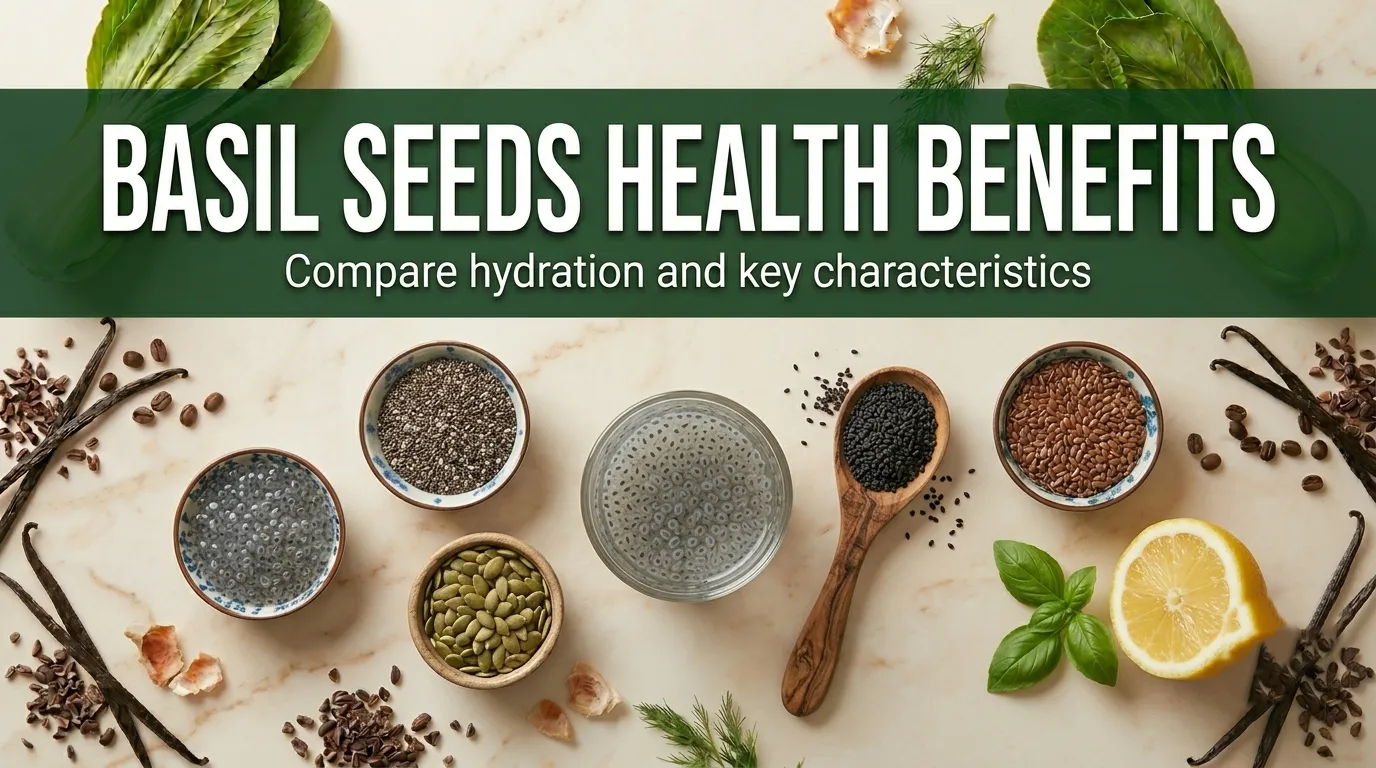
Basil Seeds Health Benefits: Fiber, Skin, and Weight Loss
Basil seeds are a fiber-rich, omega-3-containing seed that forms a gelatinous hydrocolloid when soaked, and the best-documented health benefits relate to digestion, satiety, and blood sugar regulation. The basil seeds health benefits you see on social media are a mix of genuine science and wellness hype. The soluble fiber works. The cooling effect is real and culturally documented. The skin and hair claims have less direct evidence and rely on the nutritional logic of the seed’s mineral and antioxidant content.
Why this matters now is that functional foods with documented fiber effects are one of the few nutrition trends that consistently deliver. The USDA FoodData Central database and independent analyses published in the Journal of Food Science and Technology confirm that basil seeds contain a unique polysaccharide called glucomannan that absorbs up to 30 times its weight in water. This physical property is the mechanism behind most of the seed’s health effects. It’s not magic. It’s a hydrocolloid.
This article walks you through each documented benefit, names the specific compound responsible, and rates the strength of the evidence behind the claim. You’ll see a direct comparison to chia seeds, learn the safe way to soak and consume basil seeds, and get clear guidance on who should avoid them. You’re about to understand basil seeds as a functional food, not a miracle cure.
What Are the Proven Basil Seeds Health Benefits?
The proven basil seeds health benefits with the strongest scientific backing are improved digestion through soluble fiber, increased satiety for weight management, and a moderate blood glucose-lowering effect when consumed with a carbohydrate-containing meal. Weaker but plausible evidence supports benefits for skin hydration, mineral supplementation, and cardiovascular health through the omega-3 fatty acid alpha-linolenic acid.
The evidence for basil seeds is not equally strong across all claims. The table below rates each benefit based on the type and quality of available research. A rating of “Strong” indicates at least one human randomized controlled trial or a well-established physiological mechanism with consistent observational data. “Emerging” means the evidence is primarily from animal studies, in vitro work, or small preliminary human trials. “Traditional” means the benefit is documented in systems like Ayurveda but has not been rigorously studied in modern clinical trials.
| Health Benefit | Primary Compound | Evidence Rating |
|---|---|---|
| Digestive regularity | Glucomannan (soluble fiber) | Strong |
| Satiety and weight management | Soluble fiber, protein | Strong |
| Blood sugar regulation | Soluble fiber (delays gastric emptying) | Moderate |
| Hydration and cooling | Water-holding hydrocolloid | Strong (mechanistic) |
| Skin hydration and aging | Antioxidants (orientin, vicenin) | Emerging |
| Heart health (omega-3) | Alpha-linolenic acid | Moderate |
| Bone health (calcium) | Calcium carbonate | Moderate |
A 2020 study published in the Journal of Food Science and Technology characterized the basil seed hydrocolloid and confirmed its high water-absorption capacity and stability under acidic conditions similar to the human stomach. This mechanistic work underpins the digestive and satiety benefits. The clinical trial data for blood sugar and weight loss are smaller but consistent. The skin and anti-aging claims, while biologically plausible given the antioxidant content, lack direct human trial evidence specific to basil seed consumption.
Key Takeaway: The fiber-driven benefits of basil seeds are well-documented. The skin and anti-aging claims are plausible but not yet proven in human trials.
What Are Basil Seeds? Nutritional Profile at a Glance
Basil seeds are the small, black, tear-shaped seeds of the Ocimum basilicum plant, and a one-tablespoon dry serving provides approximately 60 calories, 2 grams of protein, 2.5 grams of mostly polyunsaturated fat, and a full 7 grams of dietary fiber. The nutritional profile is dominated by the fiber fraction, which is almost entirely soluble fiber in the form of a polysaccharide hydrocolloid located in the outer seed coat. When the seed contacts water, this outer layer swells into a translucent, gelatinous capsule.
The fat profile is predominantly polyunsaturated, with a notable contribution of the omega-3 fatty acid alpha-linolenic acid. The protein is incomplete but contains a range of amino acids. The seeds also contain plant sterols, which may contribute to their mild cholesterol-lowering effect observed in some animal studies. The caloric density is moderate, but the expansion upon soaking means a tablespoon of dry seeds creates a significant volume of food.
| Nutrient | Per 1 Tbsp (13g) Dry | % Daily Value |
|---|---|---|
| Calories | 60 | N/A |
| Total Fat | 2.5 g | 3% |
| Saturated Fat | 0.2 g | 1% |
| Dietary Fiber | 7 g | 25% |
| Protein | 2 g | 4% |
| Calcium | 100 mg | 8% |
| Magnesium | 40 mg | 10% |
| Iron | 1.5 mg | 8% |
The vitamin and mineral content is modest per serving. Basil seeds are not a multivitamin. They are a fiber and healthy fat supplement that happens to come packaged with trace minerals. A tablespoon provides about 8 percent of the daily calcium requirement and 10 percent of the magnesium requirement, which is meaningful but not transformative. The seed’s value is in its functional properties, not its micronutrient density.
Basil Seeds Fiber and Digestion Mechanism
Basil seeds contain a soluble fiber called glucomannan that absorbs water and forms a viscous gel in the stomach and small intestine, slowing gastric emptying and adding bulk to stool. The basil seeds fiber and digestion mechanism is the foundation of nearly every other health benefit. This is a physical effect, not a pharmacological one. The gel matrix physically traps carbohydrates and slows their release into the small intestine.
The glucomannan in basil seeds is structurally similar to the fiber in konjac root. It is a polysaccharide composed of glucose and mannose units linked by beta-1,4 glycosidic bonds. Human digestive enzymes cannot cleave these bonds, so the fiber passes intact into the colon. There, resident bacteria in the gut microbiome partially ferment it, producing short-chain fatty acids including butyrate, acetate, and propionate. Butyrate is the primary fuel source for colonocytes, the cells lining the colon, and research suggests it plays a role in maintaining the integrity of the gut barrier.
A tablespoon of dry basil seeds provides 7 grams of dietary fiber, which is 25 percent of the Daily Value. This is a significant fiber contribution from a single ingredient. The FDA recognizes fiber as a nutrient of public health concern because most adults in the United States consume less than half the recommended amount. Adding a soaked tablespoon of basil seeds to a daily smoothie or water bottle addresses this gap directly. The practical effect for digestion is softer, more regular bowel movements and reduced symptoms of constipation when combined with adequate water intake.
Basil Seeds Omega-3 and Heart Health
Basil seeds contain alpha-linolenic acid, the plant-based omega-3 fatty acid, which has been associated with a modest reduction in cardiovascular risk in large observational studies. The basil seeds omega-3 and heart health connection is real but should be understood in context. The conversion of alpha-linolenic acid to the long-chain omega-3s eicosapentaenoic acid and docosahexaenoic acid is inefficient in humans, estimated at 5 to 15 percent.
The omega-3 content of basil seeds is roughly 1.5 grams of alpha-linolenic acid per tablespoon of dry seeds. The Adequate Intake for alpha-linolenic acid set by the NIH is 1.6 grams per day for men and 1.1 grams for women. A tablespoon of basil seeds meets or exceeds that recommendation. This is an unusually concentrated plant source of omega-3.
The mechanism by which alpha-linolenic acid may reduce cardiovascular risk is thought to involve the modulation of inflammatory eicosanoid production and a mild reduction in serum triglycerides. A 2014 meta-analysis published in the American Journal of Clinical Nutrition found that higher dietary alpha-linolenic acid intake was associated with a 10 percent lower risk of total cardiovascular disease. This is an association, not a randomized trial of basil seeds specifically, but it supports the biological plausibility of the benefit. Basil seeds are a practical way to increase plant omega-3 intake without fish oil supplementation.
Key Takeaway: Basil seeds are a concentrated plant source of omega-3 ALA. One tablespoon meets the daily Adequate Intake. The cardiovascular benefit is supported by epidemiology but has not been tested in a basil seed-specific clinical trial.
Basil Seeds for Weight Loss and Satiety
Basil seeds support weight loss by expanding in the stomach into a bulky gel that delays gastric emptying and triggers the release of satiety hormones like cholecystokinin and peptide YY. The basil seeds for weight loss mechanism is not about burning fat. It is about creating a physical sense of fullness that reduces calorie intake at the next meal. This is a well-established principle of soluble fiber.
A 2017 study published in the journal Appetite found that a preload of a viscous fiber supplement before a meal reduced ad libitum energy intake by an average of 11 percent compared to a low-fiber control. Basil seeds function through the same physiological pathway. The gel matrix occupies space in the stomach, and the stretching of the stomach wall activates vagal afferent nerves that signal the brainstem to terminate the hunger drive. The delayed gastric emptying prolongs the post-meal sensation of fullness.
The practical application is straightforward. A tablespoon of dry basil seeds, fully soaked in 8 ounces of water and consumed 15 to 20 minutes before a meal, creates a low-calorie preload that reduces the amount of food you eat at the meal itself. This strategy works within a calorie deficit. It does not override the laws of thermodynamics. A person who adds basil seeds to their diet without reducing other calorie sources will not lose weight. A person who uses basil seeds as a satiety tool within a planned deficit may find adherence easier.
Basil Seeds Blood Sugar Regulation Science
Basil seeds can blunt the post-meal rise in blood glucose when consumed alongside a carbohydrate-containing meal, an effect mediated entirely by the soluble fiber gel slowing the rate of glucose absorption in the small intestine. The basil seeds blood sugar regulation science is consistent and predictable. This is the same mechanism by which any viscous soluble fiber reduces the glycemic response.
When basil seed mucilage mixes with a meal in the stomach, it increases the viscosity of the chyme, the semi-fluid mass of partially digested food. This thicker chyme is released more slowly into the duodenum, where carbohydrate absorption occurs. The glucose molecules enter the bloodstream at a more gradual rate, reducing the peak blood glucose concentration and the corresponding insulin spike. A 2019 study in the Journal of Nutrition demonstrated that 10 grams of soluble fiber consumed with 50 grams of carbohydrate reduced the postprandial glucose area under the curve by approximately 20 percent.
For a person with type 2 diabetes or prediabetes, this effect is clinically meaningful. It is not a replacement for medication, but it is a dietary tool that can be integrated into a meal plan. A certified diabetes educator might recommend basil seeds as a practical fiber source for a patient who struggles to meet their fiber goals. The effect is dose-dependent. A full tablespoon provides a stronger glucose-buffering effect than a half-tablespoon.
Key Takeaway: Basil seeds slow carbohydrate absorption and reduce post-meal glucose spikes. This is a fiber effect, not a drug effect, and it works consistently if the seeds are consumed with the meal.
Basil Seeds Hydration and Cooling Effect
Basil seeds support hydration by holding water in a gel matrix that slowly releases fluid during digestion, and the seeds have a documented cooling effect in traditional Ayurvedic medicine that aligns with their use in hot climates. The basil seeds hydration and cooling effect is why they are a staple ingredient in falooda and lemonade-style drinks across South Asia. The water trapped in the seed’s mucilage is absorbed more gradually than free water, potentially extending the hydration window.
In Ayurveda, basil seeds are classified as a cooling food that pacifies the Pitta dosha, which is associated with heat, inflammation, and metabolic fire. This traditional use is not a clinical trial, but it is consistent across centuries of documented practice. The seeds are consumed during summer months specifically to reduce body heat and prevent heat-related digestive upset. The cooling effect is likely multifactorial: the hydration support, the electrolyte content, and the anti-inflammatory polyphenols.
For an athlete or someone working outdoors in heat, a basil seed drink offers an advantage over plain water. The sodium, potassium, and magnesium in the seeds contribute to electrolyte balance. The gel slows gastric emptying, preventing the uncomfortable sloshing sensation that can occur when large volumes of plain water are consumed rapidly. A practical basil seed hydration drink is one tablespoon of soaked seeds in water with a pinch of salt, a squeeze of lemon, and a teaspoon of honey or a sugar-free sweetener.
Basil Seeds Skin Health: Antioxidants Explained
Basil seeds contain the flavonoid antioxidants orientin and vicenin, which scavenge free radicals and reduce oxidative stress in skin cells when applied topically or consumed, though the direct evidence for skin appearance benefits from dietary intake is limited. The basil seeds skin health connection is one of the most searched benefits, and it’s important to separate the mechanistic plausibility from the clinical evidence.
Orientin and vicenin are flavone C-glycosides with documented antioxidant activity. A 2016 study in the Journal of Agricultural and Food Chemistry characterized the polyphenol profile of basil seeds and confirmed the presence of these compounds at concentrations comparable to those found in basil leaves. In vitro, orientin has been shown to protect fibroblasts from ultraviolet radiation-induced oxidative damage. Rosmarinic acid, another polyphenol in basil seeds, has anti-inflammatory properties that may reduce the redness and swelling associated with acne when applied topically.
The gap in the evidence is the lack of a human clinical trial where participants consumed basil seeds and had their skin hydration, elasticity, or wrinkle depth measured. The nutrients that support skin health are present. The collagen-building cofactors, including vitamin C, zinc, and copper, are present in trace amounts. The omega-3 fatty acids support the skin’s lipid barrier. A registered dietitian might reasonably include basil seeds in a skin-supportive dietary pattern alongside fatty fish, colorful vegetables, and adequate water. The seeds are a contributor, not a standalone treatment.
Key Takeaway: Basil seeds contain antioxidants that protect skin cells in lab studies. There are no human trials confirming that eating basil seeds improves skin appearance. The biological logic is sound, but the proof is pending.
Basil Seeds Mineral Content: Calcium, Magnesium, Iron
Basil seeds provide approximately 100 milligrams of calcium, 40 milligrams of magnesium, and 1.5 milligrams of iron per tablespoon of dry seeds, making them a modest but meaningful contributor to daily mineral intake. The basil seeds mineral content is not sufficient to treat a diagnosed deficiency, but it is a helpful addition to a varied diet.
The calcium in basil seeds is in the form of calcium carbonate and other mineral salts. The NIH Office of Dietary Supplements states that the bioavailability of calcium from plant seeds is generally good, though the presence of phytates in some seeds can reduce absorption. Basil seeds have a lower phytate content than sesame seeds or flax seeds, making their calcium more accessible. For a person following a dairy-free or vegan diet, the 100 milligrams of calcium from a tablespoon of basil seeds is a useful contribution to the 1,000 milligram daily target.
The magnesium content is particularly relevant because dietary surveys consistently show that many adults do not meet the Recommended Dietary Allowance of 310 to 420 milligrams per day. Magnesium is a cofactor for ATP energy metabolism, muscle relaxation, and neurotransmitter regulation. The 40 milligrams in a tablespoon of basil seeds is roughly 10 percent of the daily requirement. The iron content is modest and is non-heme iron, which is less bioavailable than heme iron from animal sources. Pairing basil seeds with a source of vitamin C, like the lemon juice in a traditional basil seed drink, enhances iron absorption.
Basil Seeds vs Chia Seeds: Full Comparison
Basil seeds and chia seeds are functionally similar in their gel-forming properties, but basil seeds have a higher fiber content per tablespoon and a different omega-3 to omega-6 ratio, while chia seeds are richer in protein and calcium. The basil seeds vs chia seeds full comparison is the most practical information for a consumer choosing between the two.
| Feature | Basil Seeds | Chia Seeds |
|---|---|---|
| Fiber per 1 Tbsp | 7 g | 4 g |
| Protein per 1 Tbsp | 2 g | 3 g |
| Omega-3 ALA per 1 Tbsp | 1.5 g | 2.5 g |
| Calcium per 1 Tbsp | 100 mg | 80 mg |
| Soaking Time | 10-15 minutes | 30 minutes to overnight |
| Soaked Texture | Translucent, slippery | Uniform gel, thicker |
| Flavor | Neutral, slightly herbal | Neutral, nutty |
Basil seeds soak faster because their outer mucilage layer is thinner and more rapidly hydrated. They are translucent when soaked, with a visible black seed center and a gelatinous halo. Chia seeds form a more uniform, thicker gel that some people find off-putting. The flavor of both is neutral, allowing them to blend into smoothies, yogurt, and beverages without altering the taste.
The nutritional differences are notable but not decisive. Basil seeds have more fiber per tablespoon. Chia seeds have more omega-3 and protein. The cost is another factor. Basil seeds are typically less expensive per pound than chia seeds, particularly when purchased from Indian or Asian grocery stores where they are sold as sabja or falooda seeds. The choice is often a matter of texture preference and availability.
Key Takeaway: Basil seeds soak faster, have more fiber, and are cheaper. Chia seeds have more omega-3 and protein. Both are excellent fiber sources. The best one is the one you’ll actually use.
How to Soak and Eat Basil Seeds Correctly
To soak basil seeds correctly, combine one tablespoon of dry seeds with 8 ounces of room-temperature water, stir immediately to prevent clumping, and let them sit for 10 to 15 minutes until each seed has developed a translucent, gelatinous coating. Never eat basil seeds dry. Dry seeds absorb water from the esophagus and can swell, creating a serious choking hazard.
The correct soaking method prevents the seeds from sticking together in a solid mass. When basil seeds hit water, the outer hydrocolloid begins to swell within seconds. If you do not stir immediately, the seeds clump together, and the outer seeds in the clump hydrate first, creating a gel barrier that prevents water from reaching the interior seeds. The result is a lumpy, uneven texture with dry cores.
To use basil seeds in your daily routine, follow these steps:
- Place 1 tablespoon of dry basil seeds in a tall glass or jar.
- Pour 8 ounces of room-temperature water over the seeds all at once.
- Stir vigorously for 15 seconds with a spoon or small whisk.
- Let the mixture sit undisturbed for 10 to 15 minutes.
- Add the soaked seeds to lemonade, a smoothie, yogurt, or drink them directly with the soaking water and a squeeze of citrus.
Soaked basil seeds can be stored in the refrigerator in water for up to 3 days. The gel does not degrade significantly during this time. Pre-soaking a batch and keeping it in a jar in the refrigerator makes daily use more convenient.
Basil Seeds Dosage: How Much Per Day
The recommended daily dosage of basil seeds is 1 to 2 tablespoons of dry seeds, fully soaked before consumption. Starting with one tablespoon per day for the first week allows your digestive system to adjust to the significant fiber increase. The basil seeds dosage is determined by fiber tolerance.
Two tablespoons of dry basil seeds provide 14 grams of dietary fiber, which is 37 percent of the Daily Value for men and 56 percent for women. Adding that much fiber to a diet that was previously low in fiber can cause temporary bloating, gas, and abdominal cramping as the gut microbiome adapts to the increased substrate. Starting with one tablespoon and drinking adequate water throughout the day minimizes these symptoms.
The timing of consumption depends on the goal. For appetite control, consume the soaked seeds 15 to 20 minutes before a meal. For blood sugar management, consume them with or immediately before a carbohydrate-containing meal. For hydration support, consume them throughout the day mixed into a water bottle. There is no evidence that consuming more than 2 tablespoons per day provides additional benefit, and the excess fiber could interfere with the absorption of fat-soluble vitamins and certain medications.
Basil Seeds Side Effects and Who Should Avoid Them
The primary side effects of basil seeds are bloating, gas, and abdominal discomfort from the high fiber content, and the most serious risk is esophageal obstruction if the seeds are consumed dry. The basil seeds side effects profile is similar to any concentrated fiber source. The risk is manageable with proper preparation and gradual introduction.
Certain groups should avoid basil seeds or seek medical guidance before using them. People with dysphagia, or difficulty swallowing, are at increased risk of the seeds swelling in the esophagus. People with known strictures or narrowing of the gastrointestinal tract should avoid the seeds entirely. Individuals on anticoagulant medications like warfarin should consult their physician because basil seeds contain vitamin K, which plays a role in the coagulation cascade, and the omega-3 fatty acids have a mild antiplatelet effect.
- People with swallowing disorders or esophageal strictures
- Individuals taking warfarin or other blood thinners
- People with low blood pressure (basil seeds may cause a mild additional drop)
- Anyone with a known basil or mint family allergy
- Pregnant and breastfeeding women should discuss with their obstetrician
The estrogenic activity of basil seeds is a topic of online discussion with minimal human data. In vitro studies have suggested that basil seed extracts can bind to estrogen receptors, but the concentration used in these studies is far higher than what dietary consumption provides. No human study has demonstrated a hormonal effect from eating basil seeds. The concern is theoretical.
Key Takeaway: Soak the seeds, start with one tablespoon, and drink plenty of water. Avoid entirely if you have swallowing difficulties or take blood thinners.
Basil Seeds During Pregnancy: Safety Guidelines
Basil seeds are generally recognized as safe by the FDA and have been consumed traditionally during pregnancy in South Asian cultures, but a pregnant woman should discuss any new functional food with her obstetrician. The basil seeds during pregnancy safety question is not about a documented harm. It is about the absence of rigorous safety trials in pregnant populations.
The nutritional benefits of basil seeds during pregnancy are relevant. The fiber helps prevent the constipation that is common in the second and third trimesters. The calcium supports fetal skeletal development. The magnesium can help reduce the frequency of leg cramps. The iron, while modest, contributes to the increased blood volume of pregnancy. These are real nutritional contributions.
The caution is about sourcing and contamination. Basil seeds purchased from bulk bins or unregulated sources could be contaminated with heavy metals, pesticides, or microbial pathogens. A pregnant woman should only purchase basil seeds from a reputable, packaged brand with clear labeling. The seeds should be thoroughly soaked and consumed as part of a food or beverage, not taken as a dry supplement. An obstetrician or certified nurse-midwife should be informed about any new dietary supplement or functional food added during pregnancy.
Where to Buy and How to Store Basil Seeds
Basil seeds are available at Indian and Asian grocery stores under the names sabja seeds, falooda seeds, or tukmaria, and they are increasingly stocked in the natural foods section of mainstream supermarkets. Online retailers carry them in bulk at prices ranging from eight to fifteen dollars per pound.
When purchasing, look for uniformly black, unbroken seeds with no signs of moisture or clumping, which indicate improper storage. The seeds should have a neutral, slightly nutty smell. A musty or rancid odor means the polyunsaturated fats have oxidized and the seeds should be discarded. Organic certification is a reasonable quality indicator but not a guarantee of freshness.
Store dry basil seeds in an airtight container in a cool, dark pantry. The polyunsaturated fat content makes them susceptible to rancidity when exposed to heat, light, and oxygen. Properly stored, dry basil seeds have a shelf life of 18 to 24 months. Soaked seeds should be stored in the refrigerator and used within 3 days. The gel will eventually break down and develop an off-flavor. Freezing soaked seeds is not recommended, as the ice crystals rupture the gel structure and create a watery, separated texture upon thawing.
Key Takeaway: Buy from a reputable source. Store in a cool, dark pantry in an airtight container. Use soaked seeds within 3 days.
Frequently Asked Questions About Basil Seeds
What are basil seeds good for?
Basil seeds are most effective for improving digestive regularity, increasing dietary fiber intake, and creating satiety for weight management.
They also provide a plant-based source of omega-3 fatty acids, calcium, and magnesium.
The strongest evidence supports their use as a soluble fiber supplement for digestion and blood sugar regulation.
How do you eat basil seeds?
Basil seeds must always be soaked in water for at least 10 to 15 minutes before eating.
Add 1 tablespoon of dry seeds to 8 ounces of water, stir immediately, and let them sit until each seed develops a gelatinous coating.
Eat them in smoothies, lemonade, yogurt, or falooda-style drinks. Never consume them dry.
Can I drink basil seeds every day?
Yes, consuming 1 to 2 tablespoons of soaked basil seeds daily is safe for most adults.
Start with 1 tablespoon per day to allow your digestive system to adapt to the fiber increase.
Consistent daily intake provides the most reliable digestive and satiety benefits.
What is the difference between basil seeds and chia seeds?
Basil seeds have more fiber per tablespoon, soak faster, and are typically less expensive.
Chia seeds have more protein and omega-3 fatty acids per serving and form a thicker, more uniform gel.
The choice depends on texture preference, nutritional goals, and budget.
Do basil seeds help with weight loss?
Yes, basil seeds can support weight loss by expanding in the stomach and creating a physical sensation of fullness that reduces calorie intake at the next meal.
This works when the seeds are consumed 15 to 20 minutes before a meal as part of a planned calorie deficit.
The seeds alone do not cause fat loss. They are a satiety tool within a broader weight management plan.
Are there any side effects of basil seeds?
The most common side effects are bloating and gas, which result from the high fiber content and usually resolve as the gut adapts.
The most serious risk is esophageal choking if the seeds are consumed dry without soaking.
People taking blood thinners or those with swallowing disorders should consult a healthcare provider before use.
Basil seeds are a genuine functional food. The fiber works. The hydration gel works. The satiety effect is real and physically measurable. The antioxidant and skin health claims are promising but still waiting for their definitive human trial.
You don’t need a complicated recipe or a special protocol to use basil seeds. A tablespoon in a glass of water, a squeeze of lemon, and 15 minutes of patience. That’s the entire habit. Start with one tablespoon a day, let your body adjust, and use them as a fiber anchor in a diet that already includes vegetables, protein, and healthy fat. The seeds are a tool. The consistent pattern is what delivers the result.