Chicken Gizzards Health Benefits: What Science Says in 2026
Chicken gizzards deliver one of the densest packages of bioavailable protein, heme iron, zinc, and vitamin B12 you will find in any affordable animal food. They are genuinely healthy, but your preparation method, your individual health status, and how often you eat them determine whether they belong in your regular rotation. This is not a superfood story. It is a nutrient-density story with specific physiological mechanisms behind it, backed by USDA data and NIH reference values.
The World Health Organization lists iron deficiency as the most common nutritional deficiency worldwide, affecting roughly 30% of the global population, with the highest rates among menstruating women and people in low-resource settings. A single 100-gram serving of braised chicken gizzards provides about 2.5 milligrams of heme iron, the form your body absorbs most efficiently. That matters. It is not just about the number on a nutrition panel. It is about whether the iron actually reaches your red blood cell production pathways.
This article walks you through exactly what the nutritional science says about chicken gizzards in 2026. You will learn what compounds in gizzards trigger each specific health effect, how strong the evidence is for each benefit, what changes when you fry versus braise, how gizzards compare to liver and breast meat, who should limit their intake, and how often it is safe to eat them. You will walk away knowing the numbers, the mechanisms, and the practical cooking and safety guidance to decide whether gizzards fit your eating pattern.
Chicken Gizzards Health Benefits: An Evidence-Based Overview
Chicken gizzards provide four well-documented health benefits supported by named nutrient data and known physiological mechanisms: high-quality complete protein for muscle maintenance, highly absorbable heme iron for oxygen transport, zinc for immune cell function, and vitamin B12 for neurological health and energy metabolism. The strength of evidence for each benefit varies, with iron and B12 support backed by decades of clinical nutrition research, while connective tissue and collagen peptide benefits remain an emerging area with less direct human trial data specific to gizzard consumption. What follows is an assessment based on the current state of nutritional science rather than marketing claims.

Think of a chicken gizzard as a biological workhorse organ. It is the muscular stomach responsible for grinding food, and that constant work requires dense muscle tissue rich in myoglobin, contractile proteins, and the micronutrients that support sustained muscular function. Unlike the liver, which serves as a metabolic processing center and storage depot, the gizzard is primarily a muscle. That is why its nutritional profile looks more like a very lean steak than a typical organ meat. It is also why, gram for gram, it delivers protein and heme iron in amounts that rival or exceed many familiar cuts of red meat.
According to the USDA FoodData Central database, 100 grams of cooked braised chicken gizzard contains 30 grams of complete protein, 2.7 grams of total fat, 370 milligrams of cholesterol, and zero carbohydrates. It also provides approximately 2.5 milligrams of iron, 3.8 milligrams of zinc, and 41 micrograms of selenium. These numbers matter because they place gizzards firmly in the category of nutrient-dense animal foods that can meaningfully contribute to daily micronutrient targets without pushing you over on saturated fat or total calories. A serving of gizzards has fewer calories and less saturated fat than the same weight of ribeye steak, while packing more iron and nearly equivalent protein.
The caveat, and there is always one, is that gizzards are not a complete nutritional replacement for other organ meats or for muscle meats. They lack the extremely high vitamin A and copper content of liver, and they do not contain meaningful amounts of vitamin D or calcium. You will need other foods to round out your micronutrient intake. Gizzards are a specific tool in the nutritional toolbox, not a standalone dietary solution.
Key Takeaway: Chicken gizzards have strong evidence backing their protein, iron, zinc, and B12 benefits, with connective tissue benefits less directly established, making them a nutrient-dense addition to a balanced diet rather than a standalone solution.
Are Chicken Gizzards Healthy to Eat?
Yes, chicken gizzards are healthy to eat when prepared by braising, simmering, or stewing and consumed as part of a balanced dietary pattern that includes a variety of protein sources, vegetables, and whole grains. The question of whether any single food is healthy depends entirely on context: how you prepare it, how much you eat, and what else you eat. Gizzards are not healthy when fried in refined oils and served alongside heavily processed sides, but prepared well, they represent one of the most nutrient-dense, affordable animal proteins available.
The Academy of Nutrition and Dietetics position on organ meats acknowledges that they provide exceptional concentrations of essential micronutrients that can be difficult to obtain in adequate quantities from plant foods alone. Gizzards specifically fill a gap that even some regular meat eaters experience: adequate heme iron intake. Many people who regularly eat chicken breast or pork loin still fall short on iron and zinc, especially women of childbearing age. Adding gizzards one to two times per week can shift those numbers meaningfully without a significant increase in saturated fat or total calorie intake.
Nutrition density per calorie is a helpful framework for evaluating gizzards. A 100-gram serving provides 154 calories while delivering meaningful percentages of your daily iron, zinc, selenium, and B12 needs. Compare that to a slice of cheese pizza, which might deliver similar calories but far less protein and micronutrient density per bite. Gizzards pack a nutritional punch that few other foods match at the price point. For people managing food budgets, gizzards offer a low-cost route to high-quality nutrition.
There is nuance here worth addressing directly. The health value of gizzards is not universal. Their high cholesterol and purine content means they are not a blanket yes for everyone. But for a generally healthy adult without gout, hemochromatosis, or advanced kidney disease, chicken gizzards are a healthy food that can be part of a regular eating rotation.
- Lean, complete protein comparable to chicken breast
- Heme iron with 15-35% absorption rate
- Zinc and selenium in highly bioavailable forms
- Lower fat than most red meat cuts
- Affordable per gram of protein and micronutrient delivered
Chicken Gizzard Nutrition Facts
Chicken gizzard nutrition centers on a macronutrient profile of approximately 30 grams of protein and under 3 grams of fat per 100-gram cooked serving, with zero carbohydrates and a micronutrient suite dominated by heme iron, zinc, selenium, phosphorus, and B vitamins including B12, niacin, and riboflavin. The precise numbers shift slightly depending on whether the gizzards are braised, boiled, or fried, but the core nutritional identity remains consistent: extremely lean, extremely protein-dense, and rich in minerals that support oxygen transport, immune function, and cellular metabolism.
The following table shows the complete nutritional breakdown of braised chicken gizzards per 100 grams, sourced directly from the USDA FoodData Central database, with comparison to the recommended daily intake for adults where applicable.
| Nutrient | Amount per 100g | % Daily Value (Adult) |
|---|---|---|
| Calories | 154 | N/A |
| Protein | 30.0 g | 60% (based on 50g DV) |
| Total Fat | 2.7 g | 3% |
| Saturated Fat | 0.9 g | 5% |
| Monounsaturated Fat | 0.7 g | N/A |
| Polyunsaturated Fat | 0.6 g | N/A |
| Cholesterol | 370 mg | 123% |
| Carbohydrates | 0 g | 0% |
| Iron | 2.5 mg | 14% (men), 14% (women) |
| Zinc | 3.8 mg | 35% |
| Selenium | 41.0 mcg | 75% |
| Vitamin B12 | 1.2 mcg | 50% |
| Phosphorus | 210 mg | 17% |
| Niacin (B3) | 5.4 mg | 34% |
| Riboflavin (B2) | 0.2 mg | 18% |
| Vitamin B6 | 0.2 mg | 12% |
| Potassium | 210 mg | 4% |
| Magnesium | 18 mg | 4% |
The cholesterol number, 370 milligrams per 100 grams, is the figure most likely to catch attention. Current dietary guidance from the Dietary Guidelines for Americans 2020-2025 acknowledges that dietary cholesterol does not raise serum cholesterol as dramatically as once believed, and that saturated fat intake is the more significant dietary driver of blood cholesterol for most people. Gizzards are low in saturated fat at under 1 gram per serving. This makes the cholesterol number less concerning for most healthy adults than it first appears. Context matters. A food high in cholesterol but low in saturated fat affects blood lipids differently than a food high in both.
Pay attention to what is missing from this profile. Gizzards contain no vitamin C, no vitamin A, no vitamin D, no vitamin E, no vitamin K, and essentially no calcium. They are not a multivitamin replacement. They deliver specific nutrients exceptionally well, and you will need fruits, vegetables, dairy or fortified alternatives, and possibly other organ meats like liver to complete your micronutrient picture.
Key Takeaway: Chicken gizzards provide 30 grams of complete protein and highly meaningful amounts of iron, zinc, selenium, and B12 per 154-calorie serving, making them one of the most nutrient-dense animal proteins available per calorie.
Chicken Gizzards Protein Content
Chicken gizzards contain 30 grams of complete protein per 100-gram cooked serving, which means they deliver all nine essential amino acids in proportions the human body requires for muscle protein synthesis, enzyme production, and tissue repair. That protein density exceeds chicken breast on a per-calorie basis. Chicken breast provides roughly 31 grams of protein per 100 grams but at around 165 calories compared to 154 calories for gizzards. The protein efficiency ratio is slightly higher in gizzards because of the lower fat content. For someone who tracks protein per calorie, gizzards sit near the top of the animal protein hierarchy.
What makes gizzard protein structurally distinct from breast meat protein is the connective tissue component. A chicken gizzard is a muscular organ wrapped in a significant amount of collagen-rich connective tissue, elastin, and glycoprotein matrix. During slow, moist cooking, that collagen breaks down into gelatin and releases the amino acids glycine, proline, and hydroxyproline into the cooking liquid and the meat itself. These amino acids are not essential in the strict nutritional sense because your body synthesizes them, but modern dietary patterns often undersupply them relative to the demand created by skin, joint, and gut tissue maintenance. Adding glycine-rich foods like properly cooked gizzards may help correct that imbalance for people whose diets are heavy in muscle meats and light in connective tissue and bone broth.
The practical takeaway is straightforward. If you are an athlete, a bodybuilder, someone recovering from surgery, or an older adult concerned about preserving muscle mass, the protein in gizzards is complete and highly usable. The amino acid profile supports the same anabolic signaling pathways that any other high-quality animal protein does. The added glycine and proline, while not directly muscle-building in the way leucine is, contribute to the structural proteins that hold muscle tissue in place and support joint function.
- Complete protein: all nine essential amino acids present
- 30 grams of protein per 154 calories
- Contains glycine, proline, and hydroxyproline from connective tissue
- Higher protein per calorie than chicken breast
- Suitable for muscle maintenance, recovery, and satiety goals
Chicken Gizzards Iron and Zinc
Chicken gizzards deliver 2.5 milligrams of heme iron and 3.8 milligrams of zinc per 100-gram serving, two minerals that share a reputation for being difficult to absorb from plant foods but highly bioavailable from animal sources. The iron figure represents roughly 14 percent of the daily recommended intake for adult men and women, but the absorption rate makes that number more meaningful than it looks. Heme iron, found only in animal flesh and organ meats, absorbs through a dedicated intestinal transport channel called divalent metal transporter 1 at rates between 15 and 35 percent. Non-heme iron from spinach, beans, or fortified grains absorbs at 2 to 20 percent, and its uptake is significantly affected by phytates, oxalates, polyphenols, and calcium consumed at the same meal. Heme iron absorption faces far fewer obstacles. If you are trying to raise your serum ferritin, gizzards move the needle more reliably than a spinach salad.
The zinc in gizzards contributes 35 percent of the daily value per serving in a form that also benefits from high animal-source bioavailability. Zinc is a cofactor in over 300 enzymatic reactions, including those governing DNA synthesis, immune cell signaling, and wound healing. The NIH Office of Dietary Supplements notes that animal-based zinc is absorbed more efficiently than zinc from legumes and whole grains because plant phytates bind zinc and reduce uptake. For people who avoid red meat, gizzards offer a zinc source with absorption characteristics similar to beef but with far less saturated fat and total calories.
The synergy between iron and zinc in the same food source matters. Both minerals compete for some of the same absorption pathways when taken in high-dose supplement form, but whole-food sources at normal serving sizes do not present the same competitive interference risk. Eating gizzards provides both minerals in the natural matrix of protein and trace compounds they evolved with, which supports balanced absorption. This is one reason why food-based mineral intake tends to produce more stable serum levels with fewer gastrointestinal side effects than isolated supplements.
| Mineral | Amount per 100g Gizzard | RDA (Men) | RDA (Women) | Absorption Rate |
|---|---|---|---|---|
| Iron (heme) | 2.5 mg | 8 mg | 18 mg | 15-35% |
| Zinc | 3.8 mg | 11 mg | 8 mg | 20-40% |
Pregnant people need nearly 27 milligrams of iron daily, and gizzards can be a useful contributor when fully cooked to safe internal temperatures. The same goes for people with heavy menstrual bleeding, frequent blood donors, and endurance athletes who lose iron through gastrointestinal microbleeding and foot-strike hemolysis. The specific population that benefits most from gizzard iron is anyone with documented iron-deficiency anemia who can tolerate and digest animal protein and does not have a condition like hemochromatosis that requires restricting iron.
How Chicken Gizzards Support Energy Metabolism
Chicken gizzards support energy metabolism primarily through their vitamin B12, niacin, and riboflavin content, all of which function as coenzymes in the mitochondrial pathways that convert the food you eat into adenosine triphosphate, the energy currency your cells run on. This is not the kind of energy boost you feel 20 minutes after a cup of coffee. It is the sustained, cellular-level metabolic machinery that keeps your brain, muscles, and organs functioning hour after hour, day after day. Deficiencies in any of these B vitamins can produce fatigue that no amount of sleep corrects, because the problem is not rest deprivation but a literal inability to extract energy from the nutrients already in your bloodstream.
Vitamin B12, which gizzards supply at 1.2 micrograms per 100 grams or 50 percent of the daily value, is structurally essential for two specific metabolic reactions in human cells. The first is the conversion of methylmalonyl-CoA to succinyl-CoA, a step required for the breakdown of certain fatty acids and amino acids into usable energy. The second is the remethylation of homocysteine to methionine, which supports DNA synthesis and red blood cell formation. When B12 runs low, methylmalonic acid and homocysteine accumulate in the blood, red blood cell production falters, and the result is the deep, bone-tired exhaustion characteristic of pernicious anemia. Eating gizzards provides B12 in the same food matrix that delivered it to the chicken’s own metabolic pathways, and your body recognizes it.
Niacin and riboflavin play parallel roles. Niacin, at 5.4 milligrams per serving, is a precursor for nicotinamide adenine dinucleotide, a coenzyme that shuttles electrons through the electron transport chain inside mitochondria. Without NAD, the chain stalls, and ATP production collapses. Riboflavin is the precursor for flavin adenine dinucleotide, another electron carrier working upstream of NAD in the chain. A 100-gram serving of gizzards delivers roughly a third of your daily niacin need and nearly a fifth of your riboflavin need, contributing directly to the enzymatic infrastructure your mitochondria depend on every second.
The practical implication is not that eating gizzards will make you feel wired or energetic in an acute sense. It is that consistently including gizzards in your diet helps maintain the baseline metabolic machinery that prevents the creeping fatigue of subclinical B-vitamin insufficiency. For vegans and vegetarians who do not consume B12-fortified foods, gizzards are obviously not an option, but for omnivores who have drifted into eating mostly muscle meats and processed foods, gizzards can plug a nutritional gap that is easy to miss until fatigue symptoms start.
Key Takeaway: The B12, niacin, and riboflavin in gizzards function as essential coenzymes in your mitochondrial energy production pathways, and consistent intake helps maintain the baseline metabolic function that prevents deficiency-related fatigue.
Chicken Gizzards for Anemia Prevention
Chicken gizzards prevent iron-deficiency anemia by supplying heme iron, the form of dietary iron with the highest absorption rate and the fewest inhibitory interactions from other food components. Iron-deficiency anemia develops when your body lacks sufficient iron to produce hemoglobin, the oxygen-carrying protein inside red blood cells. The World Health Organization identifies iron deficiency as the leading cause of anemia globally, affecting an estimated 30 percent of non-pregnant women of reproductive age and 37 percent of pregnant people worldwide. Gizzards are not a cure and they are not medicine, but they are a practical dietary intervention with a clear physiological rationale and supporting evidence from decades of iron absorption research.
The mechanism works like this. Heme iron from the myoglobin and hemoglobin remnants in gizzard muscle tissue enters the intestinal enterocyte through a specific transport protein called heme carrier protein 1. Inside the cell, heme oxygenase-1 cleaves the heme ring to release elemental iron, which then binds to ferritin for storage or passes into the bloodstream through ferroportin channels. This pathway operates independently of the divalent metal transporter 1 channel that absorbs non-heme iron from plants. That independence is the key advantage. It means the phytates in your whole wheat bread, the polyphenols in your coffee, and the calcium in your yogurt do not block heme iron uptake the way they interfere with non-heme absorption. When someone with low serum ferritin asks a registered dietitian what to eat, animal-based heme sources like lean red meat, dark poultry, and organ meats consistently top the list because they work.
The iron content of one 100-gram serving of gizzards, 2.5 milligrams, may sound modest compared to the 18-milligram daily recommendation for women of reproductive age. But because heme iron absorbs at up to 35 percent versus the 5 to 15 percent typical of non-heme iron in a mixed meal, the net usable iron from a gizzard serving can match or exceed the absorbable iron from a much larger serving of spinach or lentils. The numbers on a nutrition label do not tell the whole story. Absorption efficiency matters at least as much as total content.
- Contains heme iron with up to 35% absorption efficiency
- Absorption pathway unaffected by phytates, tannins, and calcium
- Provides zinc and B12, which also support red blood cell production
- Clinically relevant for menstruating women, donors, and athletes
- Not a replacement for medical iron supplementation in diagnosed anemia
Chicken Gizzards Collagen and Connective Tissue Benefits
Chicken gizzards contain collagen, elastin, and the specific amino acids glycine, proline, and hydroxyproline that form the structural foundation of your own skin, joints, tendons, and gut lining. This is the benefit that separates gizzards from chicken breast and other muscle cuts. A breast is almost entirely myofibrillar protein: actin, myosin, and the proteins that make muscle contract. A gizzard is muscle wrapped in connective tissue designed to withstand constant grinding forces. That connective tissue, when cooked low and slow, breaks down into gelatin and releases its amino acid building blocks into the food you eat.
Your body synthesizes its own collagen, and eating collagen does not directly become collagen inside you in a one-to-one way. The ingested collagen and gelatin are digested into free amino acids and dipeptides, primarily glycine-proline-hydroxyproline sequences, which enter the bloodstream and circulate to the tissues that need them. Research published in the Journal of Agricultural and Food Chemistry and reviewed by the European Food Safety Authority has examined whether consuming these peptides increases collagen synthesis rates, reduces joint pain, or improves skin hydration. The evidence is mixed and inconsistent. Some studies show modest improvements in skin elasticity and joint comfort. Others show no effect. The National Institutes of Health does not issue collagen intake recommendations the way it does for iron or vitamin C, because the science is not settled enough to quantify a specific requirement.
What is clear is that glycine and proline are conditionally essential under certain metabolic stress conditions. Your body’s synthesis capacity may not keep pace with demand during wound healing, burn recovery, or in aging individuals whose collagen production has naturally declined. A 100-gram serving of gizzards provides approximately 3 to 4 grams of glycine and 2 to 3 grams of proline, depending on the specific cooking method and how much connective tissue remains intact. For someone whose diet consists mostly of muscle meats like chicken breast, ground turkey, and lean pork, which contain little glycine or proline relative to their total protein, gizzards can rebalance the amino acid profile in a direction that supports connective tissue maintenance more effectively than an all-muscle-meat diet.
| Amino Acid | Approximate per 100g Gizzard | Role in Human Connective Tissue |
|---|---|---|
| Glycine | 3.5 g | Primary component of collagen triple helix |
| Proline | 2.8 g | Stabilizes collagen structure |
| Hydroxyproline | 0.9 g | Unique to collagen, marker of collagen turnover |
| Lysine | 2.5 g | Cross-links collagen fibers for tensile strength |
How to Cook Chicken Gizzards for Maximum Nutrition
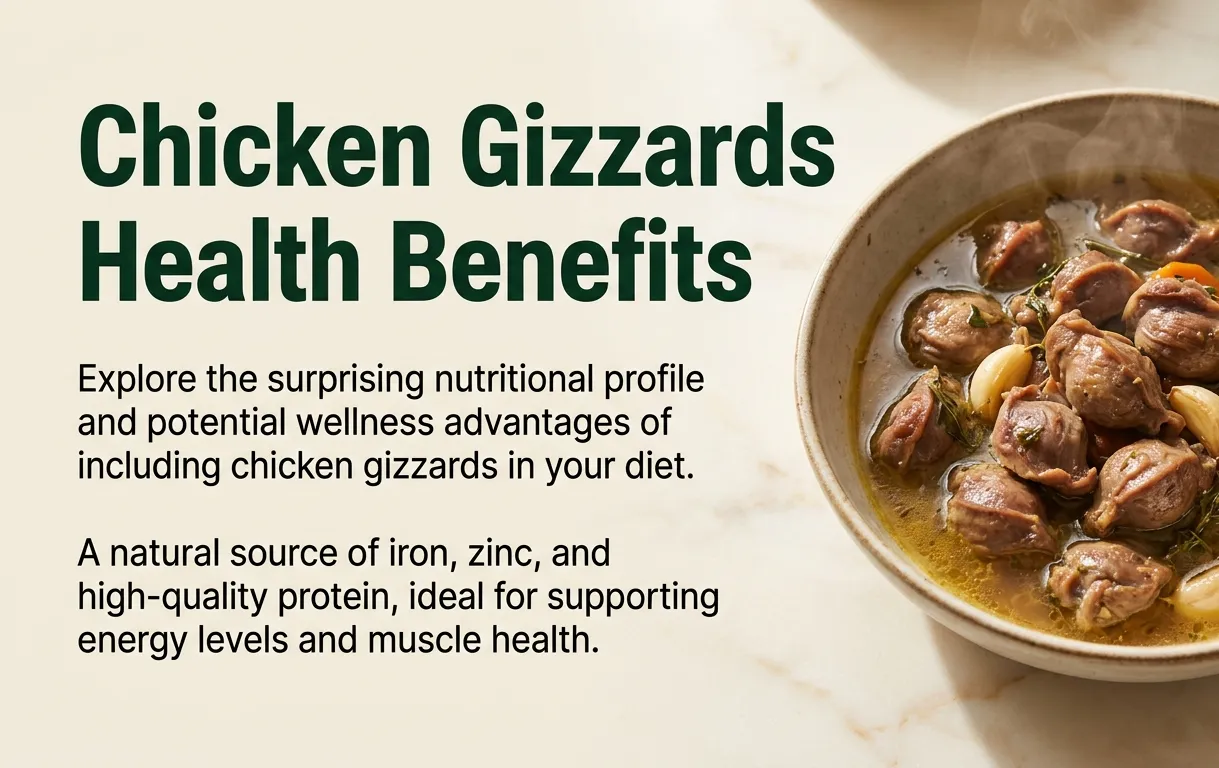
Braising, stewing, or pressure-cooking chicken gizzards in liquid at low to moderate heat for an extended period maximizes nutrient retention, renders connective tissue into digestible gelatin, and produces a tender texture without the nutritional damage caused by high-heat frying. The goal of nutrition-preserving gizzard preparation is to cook them thoroughly enough to break down the tough connective tissue they are built from, while keeping water-soluble B vitamins from leaching into cooking liquid that gets discarded, and avoiding the formation of advanced glycation end-products and oxidized lipids that high-heat dry cooking creates.
Step one is cleaning and trimming. Most gizzards sold in stores come partially cleaned, but you will want to rinse them, remove any remaining yellow lining or grit, and trim away excess fat and silverskin. A clean gizzard surface allows even heat transfer and reduces off-flavors.
Step two is choosing your cooking method. Braising involves searing the gizzards briefly in a small amount of stable cooking fat, then submerging them in broth, water, or a mixture with aromatics and cooking them covered at a low simmer for 1.5 to 2.5 hours. This method keeps the internal temperature around 185 to 200 degrees Fahrenheit, which is hot enough to melt collagen into gelatin without boiling the meat violently enough to toughen the muscle fibers. A pressure cooker achieves the same result in 25 to 35 minutes at high pressure with the significant advantage of retaining more volatile nutrients within the sealed environment.
Step three is never discarding the cooking liquid. The water-soluble B vitamins, released minerals, and gelatin all end up in the braising liquid. If you pour it down the drain, you lose a significant fraction of the nutrition you set out to capture. Use the liquid as a base for a sauce, a soup, a grain cooking liquid, or simply serve the gizzards in their own broth.
Quick Tip: Do not boil gizzards rapidly in unseasoned water. That method leaches nutrients, yields a rubbery texture, and discards the cooking water that holds much of the water-soluble nutrition. Do not fry gizzards if your primary goal is nutritional quality. Frying introduces oxidized vegetable oils, adds unnecessary calories from breading and absorbed fat, and generates advanced glycation end-products that contribute to oxidative stress in the body.
| Cooking Method | Protein Retention | B Vitamin Retention | Collagen Conversion | Fat Added |
|---|---|---|---|---|
| Braised (2 hrs) | ~95% | ~70-80% | Excellent (gelatin formed) | Minimal |
| Pressure Cooked | ~95% | ~85-90% | Excellent | Minimal |
| Boiled (water discarded) | ~90% | ~50-60% | Moderate | None |
| Fried | ~85-90% | ~40-50% | Poor (tough, not rendered) | High (added oil, breading) |
| Grilled/Broiled | ~90% | ~60-70% | Poor (tough, dry) | Low |
Key Takeaway: Braise or pressure-cook gizzards in liquid and keep the cooking broth to maximize nutrition, collagen conversion, and tenderness while avoiding the nutrient losses and toxic byproducts of frying.
Chicken Gizzards vs Chicken Liver Nutrition
Chicken gizzards and chicken liver occupy completely different positions on the organ meat nutrition spectrum, and comparing them directly highlights why eating a variety of animal foods matters more than crowning one superior. Chicken liver is a nutritional powerhouse for fat-soluble vitamins, providing over 300 percent of the daily value for vitamin A in a 100-gram serving, along with extreme amounts of copper, folate, and riboflavin. Gizzards provide essentially no vitamin A. Liver is also high in cholesterol and significantly higher in total fat. Gizzards are leaner, higher in protein by weight, and deliver their nutritional value through minerals and B12 rather than through the fat-soluble vitamin route liver dominates.
The table below makes the differences explicit. Both are nutritious. Neither replaces the other. If you eat only gizzards and never liver, you miss vitamin A, copper, and folate. If you eat only liver and never gizzards, you get less protein per calorie and a higher risk of exceeding the tolerable upper intake level for vitamin A if you consume large portions frequently.
| Nutrient per 100g | Chicken Gizzards (Braised) | Chicken Liver (Pan-Fried) |
|---|---|---|
| Calories | 154 | 172 |
| Protein | 30 g | 25 g |
| Total Fat | 2.7 g | 6.5 g |
| Cholesterol | 370 mg | 563 mg |
| Iron | 2.5 mg | 11.6 mg |
| Zinc | 3.8 mg | 3.9 mg |
| Vitamin A | 0 IU | 13,328 IU (267% DV) |
| Vitamin B12 | 1.2 mcg | 21.1 mcg (878% DV) |
| Copper | 0.1 mg | 0.5 mg |
| Folate | 5 mcg | 560 mcg |
The safety consideration that separates these two is vitamin A toxicity risk from chronic liver overconsumption. The Tolerable Upper Intake Level for preformed vitamin A is 3,000 micrograms of retinol activity equivalents per day for adults. A single 100-gram serving of liver can approach or exceed that number depending on the animal source and cooking method. Gizzards carry no such toxicity concern. You could eat gizzards daily for a week without approaching any micronutrient upper limit except perhaps cholesterol intake if you are in the minority of people who are dietary cholesterol hyper-responders. For most people, the safety profile of gizzards is straightforward: high in a few minerals and B12, low in almost everything else, and free of the fat-soluble vitamin overdose risk that makes liver a food to eat with more careful portion control.
Chicken Gizzards Cholesterol and Heart Health
Chicken gizzards contain 370 milligrams of cholesterol per 100-gram serving, which exceeds the old 300-milligram daily limit that the Dietary Guidelines for Americans removed in the 2015-2020 edition, but the relationship between dietary cholesterol and cardiovascular risk is more nuanced than a single number suggests. The current scientific consensus, reflected in the 2020-2025 Dietary Guidelines, is that dietary cholesterol does not need to be restricted to an absolute number for the general population because saturated fat intake is the stronger dietary driver of serum LDL cholesterol for most individuals. Gizzards contain under 1 gram of saturated fat per 100-gram serving. The math shifts significantly when you consider the saturated fat context.
The American Heart Association continues to recommend that dietary cholesterol intake be kept as low as possible within a healthy eating pattern, but this recommendation exists alongside the guidance to prioritize reducing saturated fat, trans fat, and added sugar. A 100-gram serving of gizzards has a saturated fat content comparable to a skinless chicken thigh and significantly less than a ribeye steak, a cheeseburger, or a serving of full-fat cheese. The cholesterol is there, and it is real. It is not irrelevant. But it travels with a saturated fat profile that does not amplify its effect on blood lipids the way the cholesterol in a fried egg and bacon breakfast might.
Individual variation matters here. An estimated 25 to 30 percent of the population are cholesterol hyper-responders, meaning their serum LDL cholesterol rises more significantly in response to dietary cholesterol intake than the average person. There is no way to know if you are a hyper-responder without blood work. If you have elevated LDL cholesterol, a family history of early heart disease, or known cardiovascular risk factors, a conversation with your physician or a registered dietitian about whether high-cholesterol organ meats belong in your diet is appropriate. For generally healthy adults with normal lipid panels, the cholesterol in gizzards eaten one to two times per week is unlikely to present a significant cardiovascular risk independent of the rest of the diet.
Quick Tip: If you enjoy gizzards and want to minimize any potential cholesterol impact, prepare them braised or stewed without added butter or cream, serve them alongside high-fiber vegetables and whole grains, and limit fried versions that add oxidized oils and refined carbohydrates to the nutritional package.
Chicken Gizzards for Weight Loss and Satiety
Chicken gizzards support weight loss goals by providing 30 grams of complete protein for only 154 calories per serving, a combination that triggers strong satiety signaling through the release of gut hormones including cholecystokinin and peptide YY while imposing a high thermic effect that burns roughly 20 to 30 percent of the protein calories during digestion. This is not a magic metabolic trick. It is the documented effect of high-protein, low-fat, low-carbohydrate animal foods on the appetite regulation and energy expenditure systems that govern whether you feel full, how long you stay full, and how much energy your body expends processing what you ate.
The satiety mechanism operates through multiple pathways. Protein in the stomach stimulates the release of cholecystokinin, which slows gastric emptying and signals fullness to the brain. In the small intestine, protein digestion products trigger peptide YY release, which reduces appetite for several hours after eating. At the same time, protein suppresses ghrelin, the hunger hormone, more effectively than an equivalent calorie load from carbohydrates or fat. A meal centered around braised gizzards with vegetables keeps you fuller longer than an equivalent-calorie meal of refined carbohydrates and added fats because the protein density engages these hormonal satiety pathways more robustly.
Diet-induced thermogenesis is the second piece. Your body uses energy to digest, absorb, and metabolize food, and protein demands more of that energy than fat or carbohydrates. About 20 to 30 percent of the calories from protein are burned off in the processing. For a 154-calorie serving of gizzards, approximately 31 to 46 of those calories go straight to thermogenesis. You net around 108 to 123 usable calories from the serving. That is a small metabolic advantage per meal, but over weeks and months of consistent high-protein eating, it contributes to the total energy balance equation that drives weight loss or maintenance.
- 30g protein per 154 calories: among the highest protein-to-calorie ratios available
- Stimulates CCK and PYY release for extended satiety
- Suppresses ghrelin more than carbohydrate or fat
- 20-30% of calories burned through thermogenesis
- Zero carbohydrates: compatible with low-carb and ketogenic eating patterns
- Portion-controlled serving is naturally self-limiting due to richness
Key Takeaway: Gizzards are one of the most protein-dense foods per calorie you can eat, and they trigger multiple hormonal and metabolic satiety mechanisms that support weight management more effectively than many common diet foods.
Who Should Not Eat Chicken Gizzards
People with gout, hyperuricemia, hemochromatosis, advanced chronic kidney disease, or a confirmed poultry allergy should not eat chicken gizzards, or should limit their intake only under the guidance of a physician or registered dietitian who understands their specific lab values and medical history. This is not a list of vague cautions. Each condition involves a specific physiological mechanism that interacts directly with a component of gizzards: purines for gout, heme iron for hemochromatosis, high protein and phosphorus for kidney disease, and poultry proteins for allergy.
Gout and hyperuricemia are driven by elevated uric acid in the blood, which forms monosodium urate crystals that deposit in joints and cause severe inflammatory pain. Purine compounds from the diet break down into uric acid. Organ meats, including gizzards, are among the highest-purine foods available. A person with a history of gout flares who eats a large serving of gizzards is consuming a significant purine load that may raise uric acid enough to trigger symptoms. The American College of Rheumatology dietary guidance for gout management identifies organ meats as a food to avoid during active disease and to limit strictly during remission. This is not negotiable in the same way the cholesterol discussion is nuanced. High purine plus gout history equals a food to skip.
Hemochromatosis, a genetic condition affecting iron absorption regulation, causes the body to absorb too much iron from the diet and deposit it in organs including the liver, heart, and pancreas. Heme iron is absorbed more efficiently than non-heme iron, and gizzards supply heme iron. Someone with hemochromatosis who eats gizzards regularly is adding a highly absorbable iron source to an already overloaded system. Therapeutic phlebotomy is the primary treatment, and dietary iron restriction supports it. A physician monitoring serum ferritin and transferrin saturation can advise on whether any heme iron from animal foods is acceptable in an individual case.
- People with gout or hyperuricemia: high purine content triggers flares
- People with hemochromatosis: high heme iron absorption worsens iron overload
- People with advanced CKD: high protein and phosphorus burden on kidneys
- People with poultry allergy: direct allergen exposure risk
- People on strict very-low-cholesterol diets: 370mg per serving exceeds common limits
Chicken Gizzards Vitamin B12 and Selenium
Chicken gizzards provide 1.2 micrograms of vitamin B12 and 41 micrograms of selenium per 100-gram serving, covering 50 percent and 75 percent of the adult daily value respectively. These two nutrients sit at the center of neurological function and antioxidant defense, and the amounts present in a modest serving of gizzards make this food one of the most concentrated common dietary sources of both outside of liver and certain seafood.
Vitamin B12, chemically cyanocobalamin in the form present in animal tissues, is required for the maintenance of the myelin sheath that insulates nerve fibers and enables rapid signal transmission between neurons and between neurons and muscles. It is also required for red blood cell formation and DNA synthesis. The 1.2 micrograms in a gizzard serving represents a significant contribution to the 2.4 microgram RDA for adults. B12 deficiency causes demyelination of nerve fibers, producing numbness, tingling, cognitive fog, gait disturbances, and in severe prolonged cases, irreversible neurological damage. The body stores several years’ worth of B12 in the liver, which means deficiency develops slowly, but when it does, the neurological consequences can be permanent. Consistent dietary intake from foods like gizzards, shellfish, and other animal products is the primary prevention strategy for omnivores.
Selenium is incorporated into selenoproteins through a unique genetic encoding mechanism that inserts selenocysteine, sometimes called the 21st amino acid, into specific protein chains. The glutathione peroxidase family of selenoproteins is central to the body’s endogenous antioxidant defense system, neutralizing hydrogen peroxide and lipid hydroperoxides before they can damage cell membranes, DNA, and proteins. The thyroid gland also concentrates selenium for the synthesis of iodothyronine deiodinases, enzymes that activate thyroid hormone from its inactive precursor. A 41-microgram selenium contribution per gizzard serving covers a substantial portion of the 55-microgram RDA and supports both antioxidant and thyroid function through well-characterized biochemical pathways.
The Selenium Tolerable Upper Intake Level is 400 micrograms per day. A 100-gram gizzard serving provides about 10 percent of that ceiling. You would need to eat roughly one kilogram, or 2.2 pounds, of gizzards in a day to approach the UL from gizzards alone. Selenium toxicity from food sources is extremely rare, and gizzards at normal consumption levels present no risk.
Fried vs Braised Chicken Gizzards Nutrition
Fried chicken gizzards deliver more calories, more oxidized fat, fewer water-soluble B vitamins, and a less bioavailable protein structure compared to braised gizzards, and the nutritional downgrade is significant enough that frying transforms gizzards from a health-supporting food into one you should treat as an occasional indulgence. The mechanism of nutritional damage is straightforward. Submerging gizzards in hot oil at 350 to 375 degrees Fahrenheit for several minutes destroys thiamin, folate, and a portion of the vitamin B12 content because these vitamins are heat-labile and water-soluble, leaching into the oil and degrading. The high heat also causes the muscle proteins to contract violently, squeezing out moisture and making the connective tissue tough rather than gelatinized.
The breading and oil absorption add calories without meaningful nutrition. A 100-gram serving of fried gizzards can contain 220 to 280 calories, 12 to 18 grams of fat, and significant amounts of refined carbohydrate from the flour or breadcrumb coating. The oil used in frying, especially if it is reused multiple times as in many commercial kitchens and home deep fryers, contains lipid peroxides and polar compounds that contribute to oxidative stress in the body. These compounds are not inert calories. They are metabolically active stressors that the body must process through detoxification pathways and antioxidant defenses, the same defenses partially supported by the selenium and glutathione systems that braised gizzards help maintain.
The table below summarizes the nutritional shift. Braising preserves the nutritional identity of the gizzard as a lean, protein-dense, micronutrient-rich food. Frying turns it into something closer to a fast-food item with a nutrient profile that resembles fried chicken more than organ meat.
| Nutritional Factor | Braised Gizzards (100g) | Fried Gizzards (100g) |
|---|---|---|
| Calories | 154 | 220-280 |
| Protein | 30 g | 20-25 g |
| Total Fat | 2.7 g | 12-18 g |
| Saturated Fat | 0.9 g | 3-5 g |
| Carbohydrate | 0 g | 10-15 g |
| Vitamin B12 Retention | ~90% | ~50-70% |
| Collagen Conversion | Excellent | Poor |
| Oxidized Lipid Presence | Minimal | Significant |
Key Takeaway: Fried gizzards lose their nutritional identity as a lean protein-dense organ meat and become a high-calorie, high-fat, pro-inflammatory food with significantly degraded micronutrient content.
How Often to Eat Chicken Gizzards Safely
Eating chicken gizzards one to three times per week in a 100-gram serving size is a safe and nutritionally beneficial frequency for most healthy adults, as it provides meaningful micronutrient contributions without approaching the Tolerable Upper Intake Levels for iron, zinc, or selenium and without exceeding the practical cholesterol intake range consistent with current dietary guidelines. This recommendation is not based on an arbitrary limit but on the math of how the nutrients in gizzards accumulate across the week relative to established safety ceilings and dietary recommendations.
Calculate the iron contribution. A 100-gram serving provides 2.5 milligrams. Eaten three times per week, that is 7.5 milligrams of highly absorbable heme iron spread across seven days. The RDA for iron is 8 milligrams for adult men, 18 milligrams for women of reproductive age, and 27 milligrams during pregnancy. Three servings of gizzards per week supply most of a man’s RDA and a substantial portion of a woman’s requirement without coming close to the 45-milligram Tolerable Upper Intake Level. Even daily consumption of 100 grams would provide 17.5 milligrams of iron per week on average, still below the UL but potentially excessive for men and postmenopausal women who do not lose iron through menstruation and whose iron stores can accumulate over time.
The cholesterol math works similarly when placed in the context of a whole dietary pattern. Three servings of gizzards per week contribute 1,110 milligrams of dietary cholesterol from this food source. Spread across seven days that averages 159 milligrams per day from gizzards. This fits within a total daily cholesterol intake that most people can accommodate without significantly elevating serum LDL, provided saturated fat intake from other sources remains controlled. The American Heart Association has shifted its emphasis from counting cholesterol milligrams to improving overall dietary fat quality, which suggests that the cholesterol in gizzards matters less than whether you are eating them fried with high-saturated-fat sides or braised with vegetables and whole grains.
Pregnant people, athletes with high iron turnover, people with diagnosed iron-deficiency anemia, and older adults at risk for B12 deficiency may benefit from the higher end of the frequency range. People with gout, hemochromatosis, or advanced kidney disease belong on the avoidance or strict limitation end. Everyone else falls somewhere in the middle, and the one-to-three-times-per-week range reflects a reasonable balance of nutrient benefit and safety precaution.
- Healthy adults: 1-3 times per week, 100g portions
- People with diagnosed iron deficiency: discuss frequency with a physician monitoring serum ferritin
- People with gout or hemochromatosis: avoid or strictly limit under medical guidance
- Pregnant people: 1-2 times per week, thoroughly cooked to 165°F internal temperature
- Older adults with B12 absorption concerns: 2-3 times per week may help maintain status
Frequently Asked Questions About Chicken Gizzards
Are chicken gizzards high in cholesterol?
Yes, chicken gizzards contain 370 milligrams of cholesterol per 100-gram serving, which is higher than most muscle meats but not a health concern for most people when eaten in the context of a diet low in saturated fat. The 2020-2025 Dietary Guidelines for Americans no longer set an absolute daily cholesterol limit, as research shows saturated fat intake is a stronger driver of blood cholesterol levels than dietary cholesterol itself. People with specific lipid disorders or known cholesterol hyper-response should discuss organ meat intake with their physician.
Is eating chicken gizzards good for weight loss?
Yes, chicken gizzards support weight loss because they provide 30 grams of protein for only 154 calories per 100-gram serving, which increases satiety through gut hormone signaling and raises diet-induced thermogenesis by 20 to 30 percent of the protein calories consumed. Their zero-carbohydrate content also makes them suitable for low-carb and ketogenic eating patterns. The key is preparation: braised or stewed gizzards support weight loss goals, while fried gizzards add unnecessary fat and refined carbohydrates that work against them.
Can I eat chicken gizzards every day?
Eating chicken gizzards daily is nutritionally safe for most healthy adults in 100-gram portions, providing substantial protein, iron, zinc, selenium, and B12 without approaching the Tolerable Upper Intake Levels for any contained nutrient. The primary concern with daily consumption is dietary variety rather than toxicity risk, as relying too heavily on one food can crowd out other nutrient sources. People with gout, hemochromatosis, or kidney disease should not eat gizzards daily and should seek individualized guidance from a registered dietitian or physician.
How do I cook gizzards so they are tender and nutritious?
Braise gizzards in broth or water at a low simmer for 1.5 to 2.5 hours, or pressure-cook them for 25 to 35 minutes, keeping the cooking liquid to preserve water-soluble B vitamins and released minerals. This low-and-slow method converts tough connective tissue collagen into soft gelatin while maintaining the highest nutrient retention of any cooking method. Avoid boiling rapidly and discarding the liquid, which leaches nutrients and yields a rubbery texture, and avoid frying, which adds oxidized oils and degrades the nutritional profile.
Are chicken gizzards healthier than chicken breast?
Chicken gizzards and chicken breast serve different nutritional purposes, and neither is universally healthier. Gizzards provide more iron, zinc, selenium, and B12 per calorie and contain connective tissue amino acids like glycine and proline that breast meat lacks. Chicken breast provides slightly more protein per gram and contains less cholesterol. Gizzards are the better choice for iron and mineral density, while breast meat is the leaner, lower-cholesterol option. Eating both as part of a varied protein intake gives you the advantages of each.
Do chicken gizzards count as organ meat?
Yes, chicken gizzards are organ meat, specifically the muscular stomach or ventriculus responsible for grinding food, but they are nutritionally distinct from metabolic organs like liver or kidney. Gizzards function as muscle tissue and share more nutritional characteristics with lean meat than with storage or filtration organs. They do not contain the high vitamin A, copper, or folate concentrations found in liver, and they carry none of the vitamin A toxicity risk associated with excessive liver consumption.
Closing a piece like this is not about repeating bullet points. It is about one thing: if you were standing in a grocery store or looking at a menu right now, what would a nutrition researcher actually tell you to do? Here it is.
Buy chicken gizzards when you see them at a good price, braise them low and slow with aromatics and vegetables, and eat them once or twice a week as part of a varied protein rotation that also includes fatty fish, legumes, and the occasional serving of liver for the fat-soluble vitamins gizzards lack. Keep the cooking liquid. That broth holds the B vitamins and gelatin you just spent two hours extracting, and pouring it away is throwing nutrition down the drain.
The evidence says gizzards are worth eating. The evidence also says they are not magic, not a replacement for other nutrient sources, and not safe for everyone. If you have gout, hemochromatosis, or kidney disease, skip them or ask your physician for your specific numbers. For everyone else, gizzards represent an affordable, nutrient-dense, protein-packed food that deserves a place in your kitchen more often than it currently occupies one.