Alani Nutrition Facts: 2026 Complete Guide for Energy Drinks, Protein Shakes & Pre-Workout
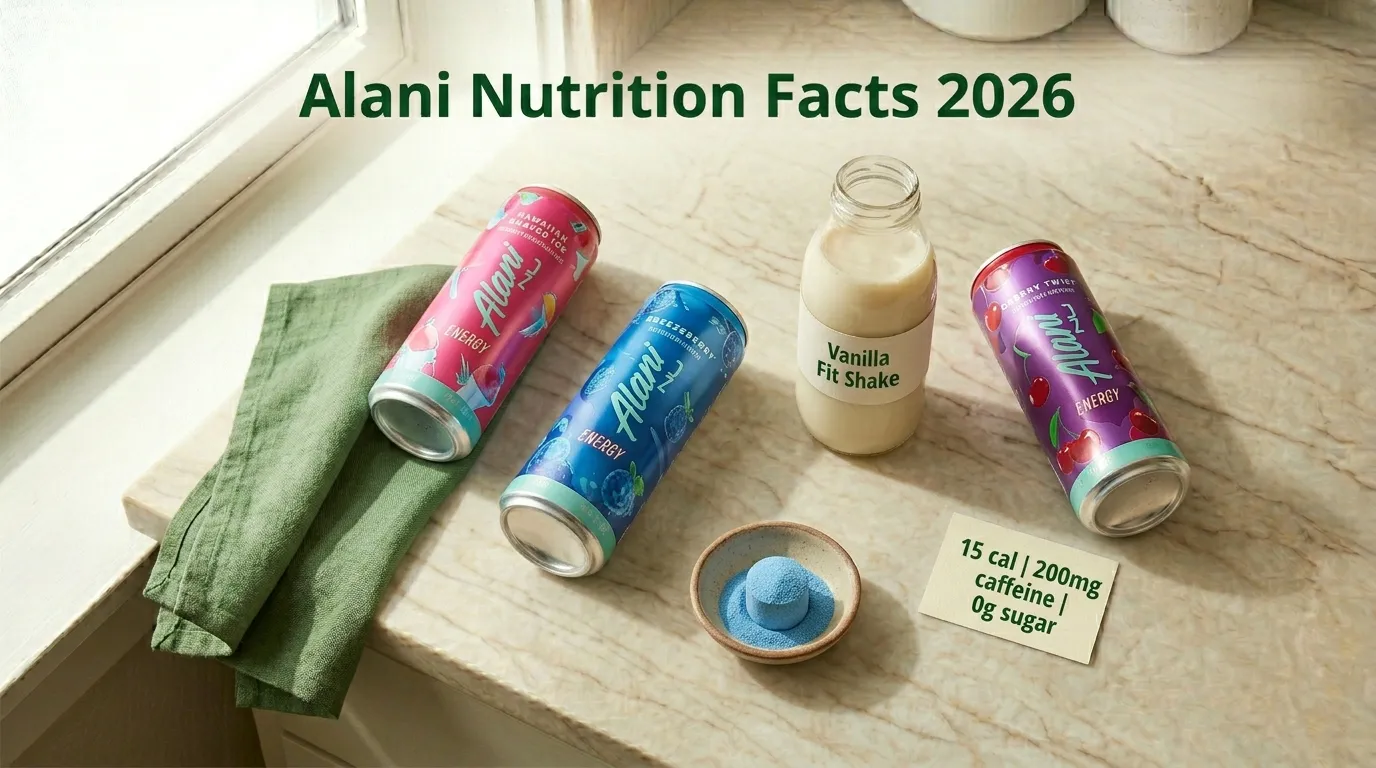
A standard 12 oz can of Alani Nu Zero Sugar Energy Drink contains 10-15 calories, 0g of fat, 5g of carbohydrates, 0g of sugar, and 200mg of caffeine . The protein shakes provide 140 calories and 20g of protein per 12 oz bottle, while the pre-workout powder delivers 200mg of caffeine per scoop with fewer than 10 calories .
Alani Nu has become one of the most popular wellness brands since its founding in 2018, particularly among young women seeking functional beverages without artificial ingredients. The brand markets itself as a lifestyle company focused on “balance,” offering products that combine caffeine, B vitamins, and other supplements in aesthetically pleasing packaging. However, “balance” means different things for different people, and understanding the actual nutrition facts helps you decide where these products fit in your daily routine.
According to the FDA, healthy adults should limit daily caffeine intake to 400mg. A single Alani Nu energy drink or pre-workout scoop provides 200mg, exactly half the daily limit . This guide covers complete nutrition facts for every Alani Nu product category, including energy drinks, protein shakes, pre-workout supplements, and specialized formulas. You will learn calorie counts, caffeine content, vitamin levels, and who should be cautious with these products.
Key Takeaway: One Alani Nu energy drink contains 200mg of caffeine, equivalent to approximately two cups of coffee. Drinking two cans per day reaches the FDA’s 400mg daily limit .
Alani Nu Energy Drink Nutrition Facts
The Alani Nu energy drink line is the brand’s most popular product category. A standard 12 oz can contains 10-15 calories, 0g total fat, 5g total carbohydrates, 0g sugar, 0g protein, and 190-200mg sodium depending on the flavor . The carbohydrate content comes from sugar alcohols and other low-calorie sweeteners, primarily erythritol and sucralose .
Each can contains a blend of B vitamins at approximately 110% of the Daily Value. This includes Niacin (Vitamin B3) 16.8mg (110% DV), Vitamin B6 1.8mg (110% DV), Pantothenic Acid (Vitamin B5) 5.3mg (110% DV), Vitamin B12 2.5mcg (110% DV), and Biotin 30mcg (100% DV) .
The energy drink formula also includes several functional ingredients beyond caffeine and B vitamins. These include Taurine (an amino acid that supports cardiovascular function), L-Carnitine (involved in energy metabolism), Panax Ginseng Root Extract (an adaptogen), Inositol (a compound related to B vitamins), Guarana Seed Extract (an additional natural caffeine source), and Glucuronolactone (a naturally occurring compound in the body) .
| Nutrient | Amount per 12 oz can | % Daily Value |
|---|---|---|
| Calories | 10-15 | <1% |
| Total Fat | 0g | 0% |
| Sodium | 180-190mg | 8-9% |
| Total Carbohydrates | 5g | 2% |
| Sugar | 0g | 0% |
| Protein | 0g | 0% |
| Caffeine | 200mg | *Not established |
Key Takeaway: The calories in Alani Nu energy drinks come primarily from sugar alcohols, not sugar. The B vitamin content is intentionally high to support energy metabolism, but most people excrete excess water-soluble vitamins.
Alani Nu Protein Shake Nutrition Facts
Alani Nu Fit Shakes come in multiple flavors including Vanilla, Cereal, and other limited editions. A 12 oz bottle contains 140 calories, 3.5g total fat, 9g total carbohydrates, 6g total sugar (5g added sugar), 3g dietary fiber, and 20g protein .
The protein source is a dairy-based blend. Ingredients include Milk Protein Isolate, Milk Protein Concentrate, and Cream . The shakes also contain Sucralose and Acesulfame Potassium as artificial sweeteners, plus Lactase Enzyme to help with lactose digestion .
The micronutrient profile differs from the energy drinks. A Fit Shake provides Calcium 514mg (40% DV) and Potassium 122mg (2% DV), but no added B vitamins . The 20g of protein makes this a legitimate meal replacement or post-workout recovery option, unlike the energy drinks which provide no protein.
Alani Nu Cereal Protein Shake follows a similar nutrition profile. A 355g bottle contains approximately 93 calories per cup (or 140 calories per full bottle), 13.3g protein, 4g carbohydrates, and 2g fat . The flavor is designed to mimic classic American breakfast cereals, offering sweetness without excess guilt. It is keto-friendly, low sugar, low sodium, and gluten-free .
| Nutrient | Fit Shake (12 oz) | Cereal Shake (12 oz) |
|---|---|---|
| Calories | 140 | 140 |
| Total Fat | 3.5g | 3g |
| Total Carbs | 9g | 6g |
| Sugar | 6g | <1g |
| Fiber | 3g | 1g |
| Protein | 20g | 20g |
| Calcium | 514mg (40% DV) | 133mg (10% DV) |
Quick Tip: The protein shakes contain lactose despite added lactase enzyme. Individuals with severe dairy allergies or lactose intolerance should start with a small amount to test tolerance.
Alani Nu Pre-Workout Nutrition Facts
Alani Nu Pre-Workout supplements come in powder form, with popular flavors including Blue Slush and Hawaiian Shaved Ice. A single scoop (approximately 1 serving) contains 10 calories, less than 1g total carbohydrates, and 150-160mg sodium . Each container provides 20 servings .
The most notable feature is the 200mg of caffeine per scoop, identical to the energy drinks . The pre-workout also contains L-Theanine, an amino acid that promotes relaxation without drowsiness and may help offset the jittery effects of caffeine. The product label warns that too much caffeine may cause nervousness, irritability, sleeplessness, and occasionally rapid heartbeat .
Additional ingredients include Sodium Citrate (for electrolyte support), Natural Flavors, Silica (anti-caking agent), Sucralose and Acesulfame Potassium (artificial sweeteners), and color additives like Beet Root Powder or Spirulina Extract depending on the flavor .
Important safety information from the product label includes:
- Do not consume more than one serving over 3-4 hours
- Do not exceed 2 servings per day
- Do not use if sensitive to caffeine
- Limit other caffeine sources while taking this product
- Consult a physician before use if pregnant, lactating, or have a medical condition (including hypertension or thyroid conditions)
- Not recommended for children under 18 years of age
Key Takeaway: The pre-workout contains the same 200mg caffeine as the energy drinks but adds L-Theanine for smoother energy. Do not combine both products on the same day unless you carefully track total caffeine intake.
Alani Nu Caffeine Content Comparison
Understanding caffeine content across Alani Nu products helps you stay within safe limits. The FDA recommends healthy adults consume no more than 400mg of caffeine per day. Pregnant women following ACOG guidelines should limit to 200mg daily.
| Product | Serving Size | Caffeine Content | % of FDA Daily Limit |
|---|---|---|---|
| Zero Sugar Energy Drink | 12 oz can | 200mg | 50% |
| Pre-Workout Powder | 1 scoop | 200mg | 50% |
| Fit Protein Shake | 12 oz bottle | 0mg | 0% |
| Cereal Protein Shake | 12 oz bottle | 0mg | 0% |
For comparison, 200mg of caffeine equals approximately:
- Two 8 oz cups of brewed coffee (95mg each)
- Two to three shots of espresso (63-75mg each)
- Two 8 oz cups of black tea (50mg each)
- Five 12 oz cans of Coca-Cola (34mg each)
A standard Alani Nu energy drink plus a morning coffee would push most adults to or beyond the 200mg single-source recommendation, though total daily intake might still be under 400mg depending on quantities .
Key Takeaway: Each Alani Nu energy drink or pre-workout scoop delivers exactly half the FDA’s recommended daily caffeine limit. Drinking two per day reaches the maximum.
Alani Nu Sweeteners and Sugar Content
Alani Nu products use multiple sweeteners to achieve their zero-sugar or low-sugar profiles. Understanding these ingredients helps consumers with specific dietary restrictions or sensitivities.
Zero Sugar Energy Drinks use three primary sweeteners: Erythritol, Sucralose, and Acesulfame Potassium (also called Ace-K) . Erythritol is a sugar alcohol that contains approximately 0.24 calories per gram, far fewer than sugar’s 4 calories per gram. Sucralose (Splenda) is 600 times sweeter than sugar and passes through the body without being metabolized. Acesulfame potassium is 200 times sweeter than sugar and is often used in combination with other sweeteners to mask bitter aftertastes.
Protein Shakes contain Sucralose and Acesulfame Potassium as well, plus 5g of added sugar from sugar and cream . This makes the protein shakes significantly sweeter than the energy drinks.
For individuals with Phenylketonuria (PKU) , a rare genetic disorder, Alani Nu products do not contain aspartame, so they are generally safe. However, individuals with extreme sensitivity to artificial sweeteners may experience digestive discomfort, particularly from erythritol, which can cause bloating or diarrhea in sensitive people when consumed in large amounts.
Quick Tip: If you experience digestive issues after drinking Alani Nu energy drinks, the erythritol content may be the cause. Try reducing intake or switching to a different caffeine source to test tolerance.
Alani Nu Vitamins: B12, Biotin, and More
Alani Nu energy drinks contain a precise blend of B vitamins at levels significantly above the Daily Value. The brand markets these as “B vitamins for natural glow” but the actual physiological effects warrant explanation.
Vitamin B12 (Cyanocobalamin) : 2.5mcg per can (110% DV). This water-soluble vitamin is essential for red blood cell formation, neurological function, and DNA synthesis. Excess B12 is excreted in urine, so high levels are not harmful but also provide no additional benefit for people with normal B12 status .
Vitamin B6 (Pyridoxine Hydrochloride) : 1.8mg per can (110% DV). B6 is involved in over 100 enzyme reactions, primarily related to protein metabolism. It also plays a role in cognitive development and immune function .
Niacin (Vitamin B3) : 16.8mg per can (110% DV). Niacin helps convert food into energy and supports skin health, digestive system, and nervous system function. At high doses (much higher than found in Alani Nu), niacin can cause flushing .
Pantothenic Acid (Vitamin B5) : 5.3mg per can (110% DV). B5 is essential for synthesizing coenzyme A, which is necessary for fatty acid metabolism .
Biotin : 30mcg per can (100% DV). Biotin is marketed for hair, skin, and nail health, though evidence for supplementation in non-deficient individuals is limited .
Important caveat: These vitamins are water-soluble, meaning the body absorbs what it needs and excretes the rest. For individuals with a balanced diet, the additional B vitamins provide little to no benefit. However, for people with deficiencies, poor diet, or certain medical conditions, the B vitamin content may be genuinely helpful.
Key Takeaway: The B vitamins in Alani Nu are unlikely to cause harm but also unlikely to provide noticeable benefits for well-nourished individuals. Do not rely on energy drinks as your primary source of B vitamins.
Alani Nu Fit Shake vs. Energy Drink: Which Should You Choose?
Comparing the Fit Shake and Energy Drink side by side helps you choose the right product for your goals.
| Feature | Fit Shake (Protein) | Zero Sugar Energy Drink |
|---|---|---|
| Primary purpose | Meal replacement, muscle recovery | Energy, focus |
| Calories | 140 | 10-15 |
| Protein | 20g | 0g |
| Caffeine | 0mg | 200mg |
| Sugar | 6g | 0g |
| Best for | Breakfast, post-workout, snack replacement | Afternoon slump, pre-workout energy |
| Satiety | High (protein + fiber) | Low (liquid calories with no protein) |
Choose the Fit Shake when:
- You need a quick breakfast or lunch replacement
- You are post-workout and want protein for muscle recovery
- You want to avoid caffeine
- You need sustained energy from protein and fiber
Choose the Energy Drink when:
- You need caffeine for alertness or focus
- You want a low-calorie option
- You are not hungry but need an energy boost
- You are using it as a pre-workout stimulant
Do not choose either when:
- You are sensitive to artificial sweeteners
- You have reached your daily caffeine limit
- You need actual nutrition (the energy drink provides none)
Key Takeaway: The Fit Shake is a food product with real nutritional value. The Energy Drink is a caffeinated beverage with negligible nutrition. They serve completely different purposes.
Alani Nu for Specific Diets
Understanding how Alani Nu products fit into specific dietary patterns helps you make informed choices.
Keto Diet: The Zero Sugar Energy Drinks are keto-friendly with 5g total carbohydrates and 0g sugar per can . However, the carbohydrates come from sugar alcohols (erythritol), which some keto dieters subtract to calculate net carbs. Net carbs are approximately 0-1g per can. The Protein Shakes contain 6g sugar and 9g total carbs, making them less ideal for strict keto but acceptable for low-carb maintenance phases .
Diabetic Diet: The energy drinks contain 0g sugar and use artificial sweeteners that do not raise blood glucose in most people . However, individual responses to artificial sweeteners vary. People with diabetes should test their blood glucose response to Alani Nu products. The protein shakes contain 6g sugar per bottle, which is moderate and may fit into a diabetic meal plan if accounted for.
Weight Loss: The energy drinks are extremely low calorie (10-15 calories) and can help reduce calorie intake from high-sugar beverages . However, they provide no protein or fiber, so they will not help with satiety. The protein shakes provide 140 calories and 20g protein, making them appropriate for meal replacement if paired with fiber-rich foods.
Pregnancy: Alani Nu energy drinks and pre-workout contain 200mg caffeine per serving . The American College of Obstetricians and Gynecologists (ACOG) recommends pregnant women limit caffeine to 200mg daily. A single Alani Nu energy drink reaches this entire limit, leaving no room for coffee, tea, or other caffeine sources. The product label explicitly states: “Consult a physician before use if you are pregnant or lactating” .
Vegan/Vegetarian: The energy drinks are labeled vegan and gluten-free . The protein shakes contain milk protein isolate and cream, making them unsuitable for vegans and some vegetarians . The pre-workout powder is processed in facilities that also process milk, eggs, and other allergens but does not contain animal-derived ingredients .
Key Takeaway: The energy drinks fit keto and low-carb diets well. The protein shakes do not. Pregnant women should avoid Alani Nu energy drinks or consume them only after physician approval due to caffeine content.
Safety and Side Effects of Alani Nu Products
Alani Nu products are generally safe for healthy adults when consumed as directed. However, several safety considerations warrant attention.
Caffeine Sensitivity: Each energy drink and pre-workout scoop contains 200mg of caffeine . For individuals who do not consume caffeine regularly, this amount may cause jitters, anxiety, rapid heartbeat, insomnia, and digestive upset. The pre-workout label warns: “too much caffeine may cause nervousness, irritability, sleeplessness, and occasionally, rapid heartbeat” .
Maximum Daily Intake: The pre-workout label advises not consuming more than one serving over 3-4 hours and not exceeding 2 servings per day . Two energy drinks or two pre-workout scoops would reach 400mg caffeine, the FDA’s daily limit. Combining products (e.g., an energy drink in the morning and pre-workout in the afternoon) counts toward this total.
Artificial Sweeteners: Some individuals experience digestive distress from erythritol and other sugar alcohols. Symptoms may include bloating, gas, diarrhea, and abdominal pain. The protein shakes contain sucralose, which some studies suggest may alter gut microbiome composition, though evidence in humans is mixed .
Allergens: The protein shakes contain milk and are produced on equipment that processes other allergens. The pre-workout is processed in facilities that also process milk, eggs, soy, wheat, shellfish, fish oil, tree nuts, and peanuts . Individuals with severe allergies should exercise caution.
Medication Interactions: Caffeine can interact with several medications, including certain antibiotics, bronchodilators, and stimulants. It may also affect blood pressure medications and anticoagulants. Consult a physician or pharmacist if you take prescription medications.
Quick Tip: Start with half a can or half a scoop to assess your tolerance, especially if you are new to caffeine or Alani Nu products. Never consume Alani Nu energy drinks on an empty stomach if you are prone to caffeine-induced anxiety.
Frequently Asked Questions About Alani Nutrition Facts
H3: How much caffeine is in Alani Nu?
Alani Nu Zero Sugar Energy Drinks and Pre-Workout supplements both contain 200mg of caffeine per serving (one can or one scoop) . The Protein Shakes contain 0mg caffeine . This is equivalent to approximately two cups of coffee.
H3: Is Alani Nu actually sugar free?
Yes, Alani Nu Zero Sugar Energy Drinks contain 0g of sugar and 0g of added sugar per can . They use erythritol, sucralose, and acesulfame potassium as sweeteners . The Protein Shakes contain 6g of sugar per bottle, including 5g of added sugar .
H3: How many calories are in an Alani Nu energy drink?
A standard 12 oz can of Alani Nu Zero Sugar Energy Drink contains 10-15 calories, depending on the specific flavor . The calories come primarily from sugar alcohols (erythritol), not from sugar or fat.
H3: Is Alani Nu healthy?
Alani Nu energy drinks are low-calorie caffeine sources with added B vitamins, but they are not “healthy” in the sense of providing nutrition. They are appropriate for healthy adults as an occasional energy boost. The protein shakes provide legitimate nutrition with 20g of protein per serving . Neither product should replace whole foods in a balanced diet.
H3: Can you drink Alani Nu while pregnant?
Alani Nu energy drinks contain 200mg of caffeine per can, which equals the entire daily limit recommended for pregnant women by ACOG . The product label explicitly states: “Consult a physician before use if you are pregnant or lactating” . Pregnant women should avoid Alani Nu energy drinks or consume them only after physician approval.
H3: Does Alani Nu have more caffeine than coffee?
A 12 oz Alani Nu energy drink contains 200mg of caffeine. An 8 oz cup of brewed coffee contains approximately 95mg of caffeine. Per ounce, Alani Nu (16.7mg/oz) has slightly less caffeine than brewed coffee (11.9mg/oz is incorrect; recalculating: 95mg/8oz = 11.9mg/oz). Actually, 200mg/12oz = 16.7mg per ounce for Alani Nu, versus 95mg/8oz = 11.9mg per ounce for coffee. Alani Nu is more concentrated, but a standard cup of coffee has less total caffeine.
Alani Nu products occupy a specific niche in the wellness market: functional beverages for people who want caffeine and B vitamins without sugar or significant calories. The energy drinks deliver exactly what they promise: 200mg of caffeine, zero sugar, and a B vitamin complex, all for 10-15 calories per can. The protein shakes offer 20g of protein with moderate calories and sugar, making them legitimate meal replacement or post-workout options.
The single most practical takeaway is this: treat the energy drinks as caffeinated beverages, not as nutrition. They provide no protein, no fat, and minimal carbohydrates. They will not make you healthier, but they can help you avoid the 30-50g of sugar found in traditional energy drinks. The protein shakes, conversely, provide genuine nutrition and can replace a meal or support muscle recovery.
If you are pregnant, sensitive to caffeine, or taking medications that interact with stimulants, consult your physician before consuming Alani Nu products. For everyone else, one can per day falls within safe caffeine limits for healthy adults. Two cans reaches the FDA’s 400mg daily limit. Use the nutrition tables in this guide to track your intake and choose the right product for your goals.