Do Bananas Have Vitamin D? The Full Nutrition Facts Breakdown for 2026
Bananas contain zero International Units of vitamin D. A medium 118-gram banana provides absolutely no cholecalciferol, no ergocalciferol, and no measurable vitamin D activity of any kind. If you are eating bananas with the hope of improving your vitamin D status, you are aiming at the wrong dietary target entirely.
This matters because vitamin D insufficiency is one of the most common nutrient gaps globally. The NIH Office of Dietary Supplements estimates that roughly 35% of adults in the United States have serum 25-hydroxyvitamin D levels below 20 ng/mL, the threshold for inadequacy. At the same time, bananas remain one of the most consumed fruits in America, and people genuinely want to know if their daily banana is doing anything for their vitamin D status. The answer is no, but the banana is doing something else that is equally worth understanding.
This article gives you the exact micronutrient breakdown of a banana, confirms the vitamin D content of apples, strawberries, and oranges, explains the biochemical reason fruits cannot make vitamin D, and provides a ranked list of the actual foods that will raise your serum levels. You will walk away knowing not just the answer to the banana question, but exactly what to eat instead.
do bananas have vitamin d
No, bananas do not contain vitamin D. According to the USDA FoodData Central database, a raw medium banana weighing 118 grams contains 0 IU of vitamin D, representing 0% of the Daily Value. This number is not an estimate, a rounding error, or a trace amount below the reporting threshold. It is a confirmed zero across every entry in the federal nutrient database for the fruit Musa acuminata.
The nutritional data on bananas is remarkably consistent across varieties and growing conditions. Cavendish bananas, the standard yellow banana sold in grocery stores, show zero vitamin D activity in laboratory analysis. Red bananas, burro bananas, and manzano bananas also register at 0 IU. The plantain, a close botanical relative, is similarly devoid of vitamin D. This is not a case of a nutrient being present in small amounts that could add up over time. You cannot eat enough bananas in a single sitting to register a single International Unit of vitamin D on a blood chemistry panel.
The reason is biochemical, not agricultural. Vitamin D is not a vitamin that plants make, store, or require for their own metabolism. It is a secosteroid hormone produced in the skin of vertebrates when ultraviolet B radiation hits a cholesterol precursor called 7-dehydrocholesterol. Plants do not have skin. They do not have 7-dehydrocholesterol. They do not undergo the photochemical reaction that produces previtamin D3. The banana plant has zero evolutionary need to manufacture a calcium-regulating hormone, and so it simply does not. The genetic instructions for the enzymes in the vitamin D synthesis pathway do not exist in the banana genome.
Key Takeaway: The 0 IU reading on a banana’s vitamin D content is not a nutritional flaw; it is a biological impossibility for a fruit that evolved without skin, cholesterol, or a calcium skeleton.
is there vitamin d in bananas
There is no vitamin D in bananas, regardless of how you prepare, slice, freeze, blend, or cook them. Freezing bananas for smoothies does not create vitamin D. Baking banana bread does not generate vitamin D through the heat of the oven. Drying bananas into chips concentrates the natural sugars and potassium, but the vitamin D content remains stubbornly, permanently zero. No form of culinary processing adds what the fruit never contained.
The confusion often arises because people associate “healthy food” with “contains all vitamins,” as if nutrient density is a binary property distributed evenly across the produce aisle. A banana is a nutrient-dense food. It delivers a meaningful percentage of your daily potassium, vitamin B6, and vitamin C. But nutrient density is specific, not universal. A food can be excellent for one nutrient and entirely absent in another. Spinach delivers iron, calcium, and vitamin K but zero vitamin B12. Almonds deliver vitamin E and magnesium but zero vitamin C. Bananas deliver potassium and B6 but zero vitamin D. This is how whole foods work. No single food covers every dietary need, and bananas are not designed to cover the fat-soluble vitamin category at all.
The “vitamin D in bananas” search query sometimes originates from parents trying to address a pediatrician’s recommendation for vitamin D supplementation. A well-meaning caregiver might wonder if adding a banana to the child’s breakfast solves the vitamin D problem without needing the dropper of liquid supplement. The answer is a clear, data-backed no. A child would need to eat an infinite number of bananas to get 400 IU of vitamin D, the Adequate Intake for infants. The banana is a wonderful food for potassium and carbohydrate energy. It is a useless food for cholecalciferol.
banana nutrition facts vitamins and minerals
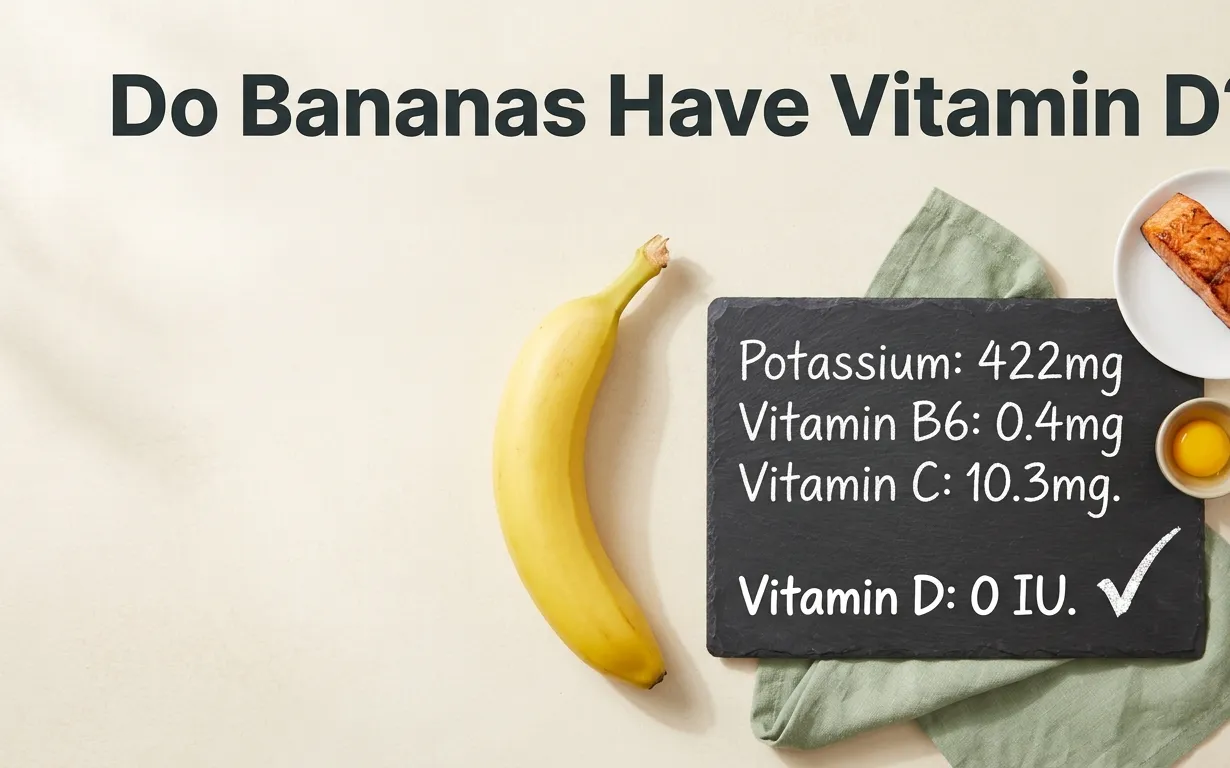
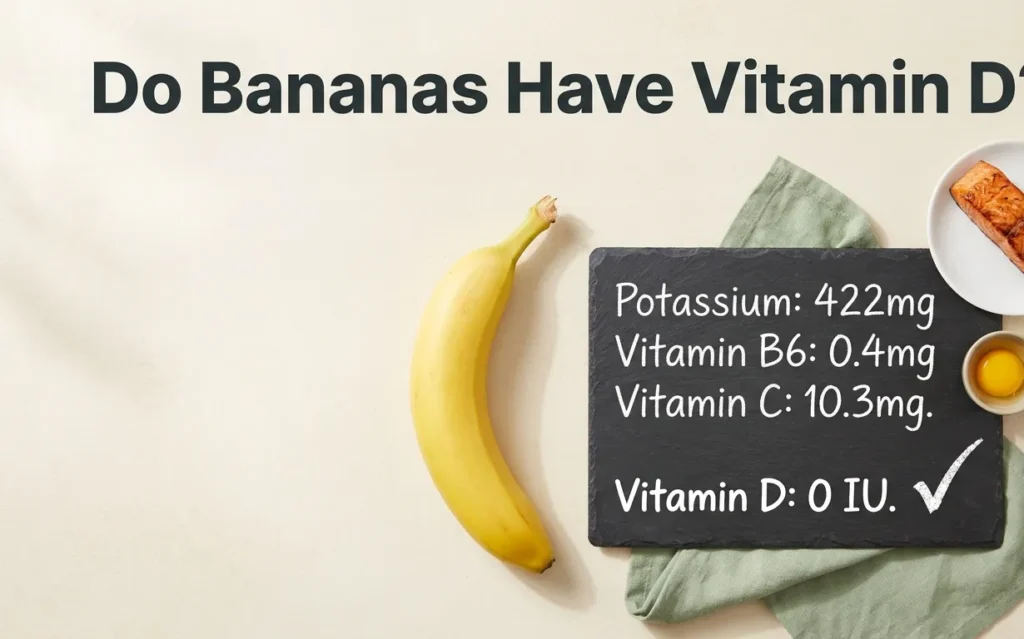
A single medium raw banana, weighing 118 grams, delivers 105 calories primarily from 27 grams of carbohydrate, including 3.1 grams of dietary fiber and 14.4 grams of naturally occurring sugars. The protein content is minimal at 1.3 grams. The fat content is negligible at 0.4 grams. The vitamin D content is 0 IU.
The micronutrient profile of a banana is centered on three specific compounds: potassium, vitamin B6, and vitamin C. A medium banana provides 422 milligrams of potassium, which is 9% of the Daily Value set by the Dietary Guidelines for Americans 2020-2025. Potassium functions as the primary intracellular cation, maintaining the electrochemical gradient across cell membranes that powers nerve impulse transmission and muscle fiber contraction. Every time your heart beats, potassium moving through ion channels in the sinoatrial node cells generates the electrical rhythm. The banana’s potassium contribution is real and physiologically relevant.
The banana provides 0.4 milligrams of vitamin B6 (pyridoxine) , which is 25% of the Daily Value. Vitamin B6 serves as a coenzyme for over 100 reactions in amino acid metabolism, including the transamination and decarboxylation steps that convert one amino acid into another. It is also required for the synthesis of heme, the iron-containing porphyrin ring inside hemoglobin. The 10.3 milligrams of vitamin C (ascorbic acid) in a banana, 11% of the Daily Value, contributes to collagen synthesis and acts as an antioxidant in the aqueous compartments of the cell. The banana also provides 32 milligrams of magnesium, which is 8% of the Daily Value, and trace amounts of folate, niacin, riboflavin, and iron.
what vitamins are in bananas
Bananas contain measurable amounts of vitamin B6, vitamin C, folate, riboflavin, niacin, and small traces of vitamin A as beta-carotene. They contain zero vitamin D, zero vitamin B12, and zero vitamin K. The vitamin profile of a banana is that of a fruit designed by evolution to be eaten and dispersed by animals: high in water-soluble vitamins that support energy metabolism and antioxidant defense, and completely absent in the fat-soluble vitamins that animals can synthesize or obtain from other dietary sources.
The standout vitamin in a banana is unquestionably vitamin B6. At 0.4 milligrams per medium fruit, a single banana covers a quarter of the adult daily requirement. Pyridoxal phosphate, the active coenzyme form of B6, binds to glycogen phosphorylase, the enzyme that cleaves glucose units off stored glycogen in the liver and muscle. This is partly why bananas have a reputation as an athletic food. The B6 in the fruit literally supports the enzymatic machinery that mobilizes stored carbohydrate during exercise. The vitamin C in bananas, at 10.3 milligrams, contributes to the regeneration of tetrahydrobiopterin, a cofactor for the enzyme tyrosine hydroxylase that produces the neurotransmitter dopamine.
The absence of vitamin B12 is notable for anyone considering a vegan diet. Bananas are plant material, and vitamin B12 is synthesized exclusively by bacteria and archaea, not by plants, animals, or fungi. No fruit on earth contains B12 unless it is contaminated with soil bacteria or fortified after harvest. The absence of vitamin D is, as explained earlier, a universal trait of fruits. The absence of vitamin K is similarly expected, as phylloquinone, the plant form of vitamin K, concentrates in leafy green chloroplasts, not in the starchy parenchyma cells of a banana fruit.
Key Takeaway: Bananas are a B6, vitamin C, and potassium delivery system disguised as a convenient yellow snack; they were never supposed to carry fat-soluble vitamins, and they do not.
do any fruits have vitamin d
No commonly consumed fruit in the standard American diet contains vitamin D. The USDA FoodData Central database records 0 IU of vitamin D for raw apples, bananas, oranges, strawberries, blueberries, grapes, watermelon, pineapple, mango, peaches, pears, and plums. The universal zero across the fruit category is not a coincidence. It is a biochemical consequence of the plant kingdom’s evolutionary separation from the vertebrate cholesterol-based vitamin D synthesis pathway.
The only exception to the no-fruit rule is not technically a fruit at all. Mushrooms, which are fungi and belong to an entirely different biological kingdom than plants, can contain significant vitamin D when exposed to ultraviolet light. Commercially available UV-treated portobello, maitake, and white button mushrooms can deliver between 400 and 1,000 IU of vitamin D2 per serving. The mushroom is the produce-aisle outlier, and it is not a fruit.
Some nutrition articles will suggest that “wild-picked fruits” might contain vitamin D from surface contamination with fungal spores or insect residue. This is nutrition trivia, not dietary strategy. A wild blackberry with trace fungal growth on its surface is not a reliable source of 400 IU. Fortified orange juice is the closest thing to a fruit-based vitamin D source, but the vitamin D in that carton was added as a supplement during processing, not produced by the orange tree. You are drinking a supplement mixed into juice, not a naturally occurring fruit vitamin.
do apples have vitamin d
Apples contain 0 IU of vitamin D per 100 grams, per the USDA FoodData Central database, matching the same zero reading as bananas. A medium 182-gram apple with skin provides fiber, vitamin C, and various polyphenol antioxidants including quercetin-3-glucoside, but no cholecalciferol or ergocalciferol. The apple tree (Malus domestica) does not possess the genetic coding for the enzymes that convert cholesterol precursors to vitamin D.
An apple’s nutritional value is centered on its fiber and polyphenol content, not its vitamin profile. A medium apple provides 4.4 grams of dietary fiber, approximately 15% of the Daily Value, with a roughly 70/30 split of insoluble to soluble fiber. The soluble fiber fraction, primarily pectin, undergoes fermentation by gut bacteria in the colon, producing short-chain fatty acids including butyrate, acetate, and propionate. These metabolites nourish colonocyte cells and signal satiety hormones through the enteroendocrine system. The apple is doing something real for your health, but vitamin D delivery is not part of that reality.
The culinary pairing of apples with vitamin D-rich foods is coincidentally smart. Sliced apples with a cheese plate provide the fiber and polyphenols from the fruit alongside the small amount of vitamin D in full-fat cheese, which contains roughly 10 to 20 IU per ounce. Apples baked with salmon, an unusual but not unheard-of combination in some regional cuisines, would indirectly correct the vitamin D absence. But the apple itself, eaten alone, contributes zero International Units to your daily total.
do strawberries have vitamin d
Strawberries provide 0 IU of vitamin D per 100 grams according to USDA FoodData Central. A cup of whole strawberries, approximately 144 grams, delivers vitamin C, manganese, folate, and a set of polyphenols including pelargonidin and ellagic acid, but zero vitamin D activity. The strawberry plant (Fragaria × ananassa) is as biochemically incapable of vitamin D synthesis as the banana tree.
The nutritional power of strawberries lies in their vitamin C content. A single cup provides 89 milligrams of ascorbic acid, which is 99% of the Daily Value. This vitamin C concentration dwarfs the 10.3 milligrams in a banana and even surpasses the amount in a medium orange. Vitamin C is required for the hydroxylation of proline and lysine residues during collagen synthesis, the most abundant protein in the human body. The hydroxylation reaction adds oxygen atoms to specific amino acids, creating the cross-links that give collagen fibrils their tensile strength in skin, tendons, and blood vessel walls.
The complete absence of vitamin D in strawberries, despite their bright sun-ripened appearance, is a useful illustration of the photosynthesis versus vitamin D synthesis distinction. A strawberry plant spends months in direct sunlight, absorbing photons through chlorophyll in its leaves to convert carbon dioxide into glucose. The sunlight exposure is genuine. But the photochemical reaction that produces vitamin D requires a sterol precursor that plant cells do not contain. Sunlight hitting a strawberry does not generate vitamin D any more than sunlight hitting a rock does. The photosynthesis machinery and the vitamin D synthesis machinery are two entirely separate biochemical pathways, and plants only possess the first one.
do oranges have vitamin d
Oranges contain zero IU of vitamin D in their natural state, per the USDA FoodData Central database. A medium navel orange weighing 140 grams provides vitamin C, folate, potassium, and thiamin, but no vitamin D. The only oranges that contribute vitamin D to your diet are those sold in cartons labeled “fortified with vitamin D,” where the manufacturer has added cholecalciferol during processing.
Fortified orange juice represents an interesting nutritional workaround to the produce-aisle vitamin D problem. An 8-ounce glass of fortified orange juice typically provides 100 IU of vitamin D, which is 15% of the Daily Value for adults. The fortification process adds vitamin D3 dissolved in a carrier oil that emulsifies into the juice. Because vitamin D is fat-soluble, its absorption from fortified juice is enhanced if you drink it alongside a meal containing some dietary fat, like eggs or toast with butter. A glass of fortified orange juice on an empty stomach will absorb less efficiently than the same glass consumed with breakfast.
The distinction between a whole orange and a fortified orange juice carton is the central lesson of this section. The orange tree does not make vitamin D. No amount of sunshine, soil quality, or organic farming practice changes this fact. The vitamin D in the juice carton comes from a supplement manufacturer, not the fruit. When you see “vitamin D” on an orange juice label, you are reading an ingredient added after pressing, the same way vitamin D is added to milk. The fruit itself remains at zero.
Key Takeaway: The entire produce section, from apples to strawberries to oranges, is a vitamin D desert; fortified juices and UV-treated mushrooms are the only grocery-aisle exceptions, and both rely on human intervention, not plant biology.
why do fruits not have vitamin d
Fruits do not contain vitamin D because plants lack the precursor molecule 7-dehydrocholesterol in their cell membranes and do not express the enzyme CYP11A1 that cleaves the cholesterol side chain to initiate vitamin D synthesis. The entire biochemical pathway, from the sterol precursor in the membrane lipid bilayer to the final secosteroid hormone, requires animal cell machinery. Plant cells use ergosterol as their primary membrane sterol, not cholesterol, and the enzymes that hydroxylate ergosterol lead to brassinosteroids, which are plant growth hormones, not vitamin D.
Think of the difference as two separate factory assembly lines operating in two different biological kingdoms. The animal cell factory takes cholesterol, hits it with UVB radiation in the skin to break open the B-ring of the steroid backbone, producing previtamin D3, which then thermally isomerizes to cholecalciferol. The liver and kidney then hydroxylate this molecule into the active hormone calcitriol. The plant cell factory takes a completely different starting material, campesterol, and runs it through a separate set of cytochrome P450 enzymes to produce brassinolide, a hormone that tells the plant to grow stems and leaves. Neither factory has the tools to run the other’s production line.
The practical takeaway is that you cannot look to the plant kingdom for preformed vitamin D. Eating fruits and vegetables is excellent for fiber, vitamin C, potassium, folate, and hundreds of bioactive polyphenols. But vitamin D is an animal product, and when it appears in plant foods like fortified cereal or fortified orange juice, it was put there by a food scientist, not by the plant. The only partial exception is the fungi kingdom, specifically mushrooms, which use ergosterol as their membrane sterol and can convert it to vitamin D2 when exposed to UV light. This is why mushrooms are the lone non-animal natural source of dietary vitamin D.
what food has vitamin d
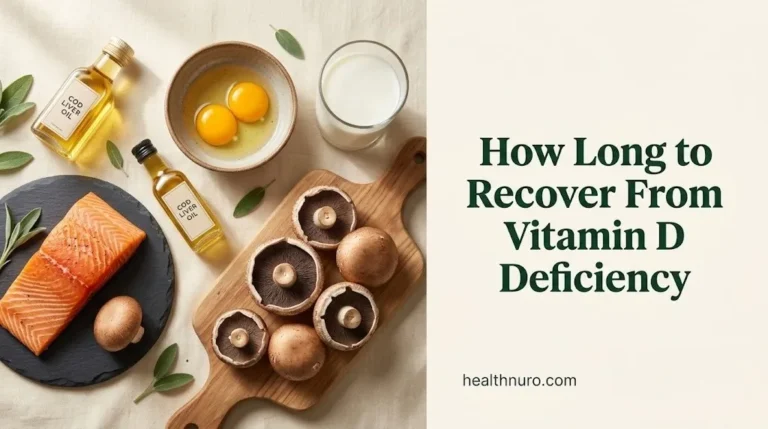
Foods that contain vitamin D are almost exclusively animal products or fortified foods. Fatty fish species provide the highest natural concentrations. Organ meats like beef liver contain modest amounts. Egg yolks from pasture-raised hens contribute small but measurable quantities. Fortified cow’s milk, fortified soy milk, and fortified orange juice provide vitamin D added during processing. The list is short, specific, and dominated by animal sources.
The vitamin D content of fatty fish is the standout dietary fact in this category. A 3-ounce serving of cooked sockeye salmon delivers approximately 526 IU of vitamin D3, which is 88% of the 600 IU Recommended Dietary Allowance for adults under 70. Wild-caught salmon tends to have higher levels than farmed salmon because wild salmon feed on vitamin D-rich zooplankton and small fish, accumulating the vitamin in their muscle tissue and fat. Farmed salmon are fed a controlled pellet diet, and their vitamin D content reflects the fortification of that feed. Canned sardines packed in oil provide roughly 193 IU per 3-ounce serving. Canned tuna in water provides about 154 IU per 3-ounce serving.
Cod liver oil is the most concentrated natural source, providing 1,360 IU of vitamin D per tablespoon. This is 227% of the adult RDA in a single swallow. The potency of cod liver oil is both its advantage and its danger. Because the Tolerable Upper Intake Level for vitamin D is 4,000 IU per day, a single tablespoon does not approach toxicity, but combining daily cod liver oil with a vitamin D supplement and a high-fish diet could push cumulative intake above the safety threshold. Anyone taking cod liver oil regularly should track total daily vitamin D from all sources and have a physician check a serum 25-hydroxyvitamin D level at the next physical.
best dietary sources of vitamin d
The best dietary sources of vitamin D ranked by International Units per standard serving are cod liver oil, wild sockeye salmon, UV-treated portobello mushrooms, canned sardines, fortified cow’s milk, fortified soy milk, egg yolks, and beef liver. The list is short, repetitive across food categories, and heavily weighted toward marine animals.
The following table organizes these sources by IU per serving.
| Food Source | Serving Size | Vitamin D (IU) | Percentage of RDA (600 IU) |
|---|---|---|---|
| Cod liver oil | 1 tablespoon | 1,360 IU | 227% |
| Sockeye salmon, cooked | 3 ounces | 526 IU | 88% |
| UV-treated portobello mushrooms | 3 ounces, grilled | 446 IU | 74% |
| Canned sardines in oil | 3 ounces | 193 IU | 32% |
| Fortified whole cow’s milk | 8 ounces | 120 IU | 20% |
| Fortified soy milk | 8 ounces | 120 IU | 20% |
| Egg yolk, large | 1 yolk | 37 IU | 6% |
| Beef liver, cooked | 3 ounces | 42 IU | 7% |
The table reveals a practical reality: achieving 600 IU daily from food alone requires intentional planning. You must either eat fatty fish multiple times per week, consume fortified dairy or plant milk at every meal, or use cod liver oil as a supplement. The Dietary Guidelines for Americans 2020-2025 identify vitamin D as a nutrient of public health concern precisely because so few commonly consumed foods provide meaningful amounts. The average American diet, without fortification or supplementation, falls well short of the 600 IU target.
For someone who eats no fatty fish, drinks no fortified milk, and spends most daylight hours indoors, dietary vitamin D intake may be less than 100 IU per day, a level that puts serum 25-hydroxyvitamin D on a slow, steady decline into the insufficient range. This is why the banana question matters. People are looking for vitamin D in the wrong foods because they do not know how short the real source list actually is.
vitamin d in mushrooms the only exception
Mushrooms are the only non-animal, non-fortified food that naturally contains vitamin D, but only when the mushrooms have been exposed to ultraviolet light during growth or post-harvest processing. Wild mushrooms and commercially sold UV-treated mushrooms contain vitamin D2, or ergocalciferol, which is produced when ultraviolet B radiation converts the fungal membrane sterol ergosterol into previtamin D2, which then isomerizes to ergocalciferol. This chemical sequence is nearly identical to the animal skin synthesis of vitamin D3, but it uses ergosterol instead of 7-dehydrocholesterol as the starting material.
Mushrooms grown in dark commercial grow houses contain essentially no vitamin D because they never see UVB light. A portobello mushroom grown in the dark contains 10 to 40 IU per serving at most. A portobello mushroom of the same strain grown under a UV lamp during the fruiting cycle contains 400 to 1,000 IU per serving, a 25-fold difference. This is a nutritional engineering success, not a natural property of the mushroom. The UV treatment mimics what would happen if the mushroom grew in sunlight on a forest floor, but it is a controlled industrial process.
The vitamin D2 in mushrooms has a shorter half-life in human circulation than the vitamin D3 from salmon or sunlight. A 2012 study by Heaney et al. in the Journal of Clinical Endocrinology and Metabolism found that ergocalciferol is metabolized and cleared from the blood faster than cholecalciferol, meaning the same number of International Units from mushrooms maintains serum levels for a shorter duration than D3 from an animal source. This does not mean mushroom vitamin D is ineffective. It means that if your only dietary vitamin D source is UV-treated mushrooms, you may need to consume them more frequently to maintain the same serum concentration. For a vegan who avoids all animal products, regularly eating UV-treated mushrooms is the strongest natural dietary intervention available.
Key Takeaway: Mushrooms are the produce-aisle vitamin D miracle, but they require UV light exposure to activate that status, and the resulting D2 clears from your blood faster than animal D3.
are bananas good for vitamin d deficiency
Bananas are not a treatment for vitamin D deficiency. A person with a serum 25-hydroxyvitamin D level below 12 ng/mL, the deficiency threshold per the NIH Office of Dietary Supplements, will not correct that deficiency by eating any number of bananas. The correction requires targeted high-dose supplementation with cholecalciferol, typically 1,000 to 5,000 IU per day, supervised by a physician who orders follow-up blood work.
The reason to keep bananas in the diet of someone correcting a vitamin D deficiency is not the vitamin D itself, which remains zero, but the supporting nutrients that assist with the downstream effects of vitamin D. The potassium in a banana helps regulate the sodium-potassium balance that the kidneys manage, and the kidneys are the organ that performs the final hydroxylation step converting 25-hydroxyvitamin D into active 1,25-dihydroxyvitamin D. The vitamin B6 in bananas serves as a coenzyme for enzymes that process amino acids into the collagen matrix that vitamin D, through its role in calcium absorption, is working to mineralize. The banana’s micronutrients are complementary to vitamin D’s function, but they are not a substitute for the hormone itself.
The practical protocol for vitamin D deficiency is straightforward and does not involve bananas. A physician orders a 25-hydroxyvitamin D blood test. If the result is below 20 ng/mL, the physician prescribes a cholecalciferol supplement at a dose calibrated to the severity of the deficiency and the patient’s body weight. The patient returns in 8 to 12 weeks for a repeat blood test to confirm that serum levels have risen into the 30 to 50 ng/mL range considered sufficient. During this correction phase, the patient should also increase dietary calcium intake because vitamin D’s primary job is to absorb calcium from the gut, and calcium intake without vitamin D is poorly absorbed, while vitamin D supplementation without adequate calcium pulls calcium from the skeleton.
how to get enough vitamin d in 2026
To achieve the 600 IU Recommended Dietary Allowance for vitamin D in 2026, you have three reliable options: eat fatty fish like salmon or sardines three to four times per week, consume fortified milk or fortified plant milk at most meals, or take a daily vitamin D3 supplement containing 400 to 2,000 IU of cholecalciferol. Sun exposure can contribute, but it depends entirely on latitude, season, skin melanin content, age, and sunscreen use, making it an unreliable sole source for most people living above the 35th parallel.
The food-first approach works but demands planning. A weekly meal rotation that includes two servings of salmon, one can of sardines on a salad, a daily glass of fortified milk, and eggs at breakfast provides roughly 400 to 500 IU per day on average. This falls slightly short of the 600 IU RDA but keeps most people above the deficiency threshold. Adding a serving of UV-treated mushrooms once or twice a week closes the remaining gap. This is achievable but requires consistent execution, which is why public health agencies recognize that dietary intake alone often fails.
The supplement approach is the most reliable. A daily 1,000 IU vitamin D3 supplement costs pennies per dose and eliminates the weekly dietary math. The NIH Office of Dietary Supplements states that the Tolerable Upper Intake Level is 4,000 IU per day for adults, so a 1,000 to 2,000 IU daily dose provides a wide safety margin. Anyone considering supplementation should check their current multivitamin for overlapping vitamin D content and inform their physician at the next visit so the next 25-hydroxyvitamin D test can confirm the dose is achieving the target serum range without overshooting into the upper quintile.
Frequently Asked Questions About Bananas and Vitamin D
Does one banana a day give you enough vitamin D?
No, a banana a day provides zero IU of vitamin D, which is 0% of the 600 IU Recommended Dietary Allowance.
You would need to eat an infinite number of bananas to meet your vitamin D requirement because they contain none at all.
Relying on bananas for vitamin D will result in a deficiency over time if no other sources are consumed.
What fruit has the most vitamin D?
No standard fruit contains vitamin D naturally; the edible fungus mushroom is the only produce-aisle item that provides vitamin D, specifically vitamin D2 from UV exposure.
UV-treated portobello mushrooms can deliver over 400 IU per 3-ounce serving, making them the top non-animal, non-fortified source.
Fortified orange juice provides vitamin D3 from an added supplement, not from the orange itself.
Do frozen bananas have less vitamins than fresh ones?
Frozen bananas retain their potassium, vitamin B6, and vitamin C content with minimal loss because commercial flash freezing halts enzymatic degradation.
The vitamin C content may decline slightly during the initial blanching process before freezing, but vitamin B6 and potassium are heat-stable enough to remain intact.
Vitamin D content remains zero in both fresh and frozen bananas.
Can I take vitamin D supplements with a banana?
You can take a vitamin D supplement with a banana, but the banana alone does not provide the dietary fat required for optimal absorption of the fat-soluble vitamin D.
To maximize absorption, take your vitamin D supplement with a meal that contains at least 5 to 10 grams of fat, such as eggs, yogurt, or toast with butter, not just a banana.
The banana contributes potassium and B6 that indirectly support the physiological systems vitamin D regulates.
What are the symptoms of vitamin D deficiency?
Symptoms include bone pain, muscle weakness, increased fracture risk, and in severe cases, hypocalcemic tetany or rickets in children and osteomalacia in adults.
Low serum 25-hydroxyvitamin D is confirmed by a blood test ordered by a physician, with deficiency defined as a level below 12 ng/mL per the NIH Office of Dietary Supplements.
Symptoms often develop gradually and may go unnoticed until a fracture or a blood test reveals the deficiency.
Do cooked bananas have vitamin D?
Cooked bananas contain zero vitamin D, just like raw bananas, because heat from cooking does not create vitamin D from the fruit’s components.
Baking banana bread or frying plantains concentrates sugars and may degrade the heat-sensitive vitamin B6 and vitamin C, but it does not generate cholecalciferol or ergocalciferol.
The thermal energy of an oven is not a substitute for the UVB photon energy required for vitamin D synthesis.
Bananas are an excellent fruit, loaded with potassium, vitamin B6, and vitamin C, and they deserve their place in your daily diet. But they hold a firm, unchangeable zero in the vitamin D column. You now know exactly why that zero sits there, that every other common fruit shares it, and precisely which eight foods carry the 600 IU you need.
Grab a banana for the potassium. Grab a salmon fillet for the D. Keep both on the plate, and keep both roles straight in your head.