Best Vitamins for Blood Circulation: 2026 Research Review
The vitamins with the most direct and well-documented effects on blood circulation are vitamin E, niacin (vitamin B3 as nicotinic acid), and vitamin C, each working through a distinct physiological mechanism. There is no single “best” circulation vitamin because each one addresses a different part of the vascular system, from protecting the endothelial lining to relaxing smooth muscle and reducing blood stickiness. The one most worth prioritizing depends entirely on what is causing the sluggish blood flow in the first place.
Poor circulation is not a single condition. It is a symptom with multiple possible root causes, and the vitamin that helps one person’s cold hands may do nothing for another person’s leg pain from peripheral artery disease. According to the NIH Office of Dietary Supplements, vitamin E’s role as a lipid-soluble antioxidant directly influences platelet aggregation and vascular tone, while niacin’s effect on vasodilation operates through an entirely separate prostaglandin pathway. Understanding this distinction is what separates genuinely useful information from the vague listicles that dominate search results.
This article will walk you through the specific vitamins that have human clinical research behind them for circulation, explain exactly how they work at the blood vessel level, and clarify when food sources are sufficient versus when a specific supplement form might be considered. You will also learn the Tolerable Upper Intake Level for each vitamin, the drug interactions that matter, and which type of healthcare provider to consult if you suspect an underlying circulatory condition. No vague claims. No supplement marketing. Just what the research from 2024 and 2025 actually supports.
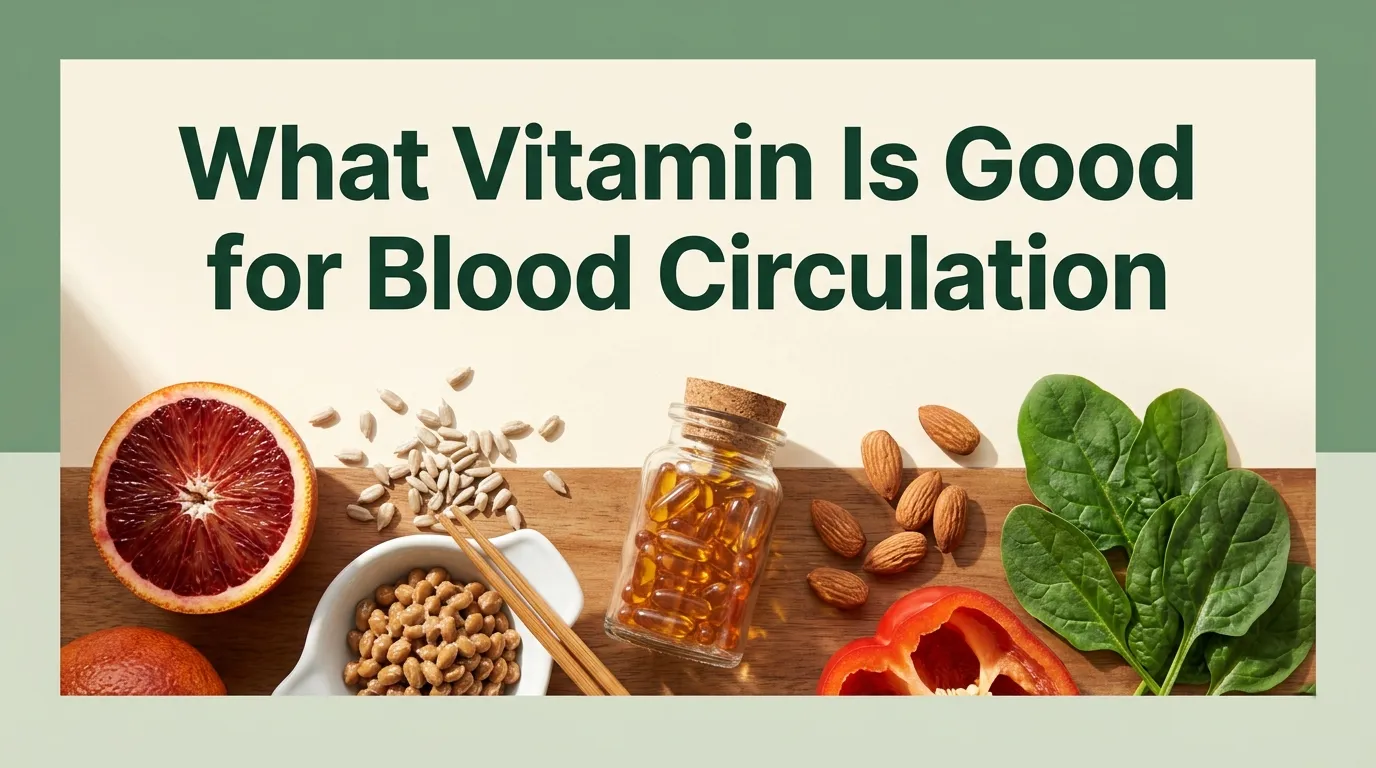
What Vitamin Is Good for Blood Circulation
Vitamin E, niacin as nicotinic acid, and vitamin C are the three vitamins with the strongest human evidence for directly improving measurable markers of blood circulation, each targeting a different layer of vascular function. Vitamin E works at the endothelial lining and within the platelets themselves. Niacin triggers a rapid but temporary widening of small blood vessels. Vitamin C protects the structural integrity of blood vessel walls by supporting collagen synthesis and neutralizing oxidative damage.
The reason these three vitamins consistently appear in clinical circulation research while others do not has to do with their biochemical roles in the vasculature. Vitamin E incorporates directly into cell membranes, including the membranes of platelets and endothelial cells. From that position, it prevents lipid peroxidation, a process where free radicals attack the fatty acids that make up the cell membrane. When endothelial cell membranes oxidize, they produce less nitric oxide, the primary chemical signal that tells smooth muscle to relax and vessels to widen. A 2024 review published in the journal Nutrients confirmed that alpha-tocopherol, the form of vitamin E the human body preferentially retains, improves flow-mediated dilation in populations with elevated oxidative stress.
Niacin’s effect on circulation is entirely different and considerably faster. Within 15 to 30 minutes of ingesting nicotinic acid at a sufficient dose, blood vessels in the skin dilate noticeably, producing what is commonly called the niacin flush. This is not a side effect. It is the direct result of the vitamin triggering a receptor on immune cells in the skin that releases prostaglandin D2, a powerful vasodilator. Vitamin C operates on a longer timeline, protecting the endothelial layer day after day by quenching the superoxide radicals that would otherwise break down nitric oxide before it can signal the smooth muscle.
Key Takeaway: Vitamin E protects the blood vessel lining, niacin actively dilates blood vessels, and vitamin C supports the structural integrity of blood vessel walls through collagen production and antioxidant defense.
What Vitamin Helps With Blood Circulation
Vitamin K2 in the menaquinone-7 form helps with blood circulation by preventing calcium from depositing in the arterial wall, which keeps arteries elastic and responsive to blood flow demands. This mechanism is fundamentally different from vitamins that dilate vessels or protect endothelial cells. Vitamin K2 activates a protein called matrix Gla protein, or MGP, which acts as a calcium scavenger in soft tissues.
Without sufficient MGP activation, calcium that belongs in bones can instead accumulate in the media layer of arteries, a process called vascular calcification. Once calcium deposits stiffen an artery, it cannot expand or contract to regulate blood flow, no matter how much nitric oxide the endothelium produces. The Rotterdam Study, a large prospective cohort study published in the Journal of Nutrition, found that higher dietary intake of menaquinone was associated with less arterial calcification and lower cardiovascular mortality over a 10-year follow-up period. This finding places vitamin K2 firmly in the circulation conversation, not because it forces vessels open, but because it preserves their ability to open on their own.
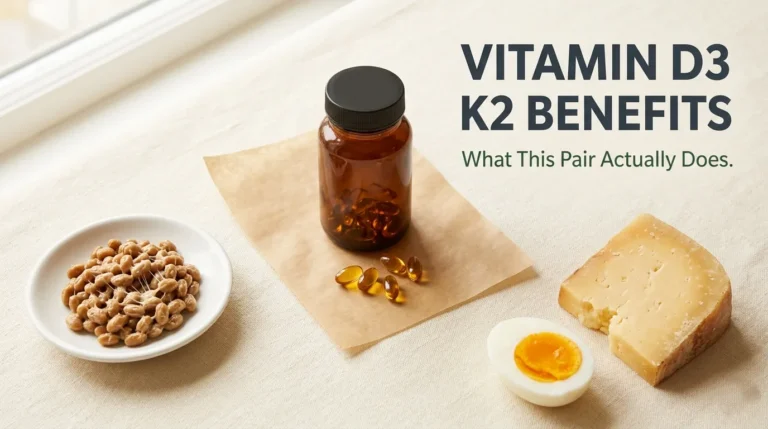
Getting enough vitamin K2 from food takes some attention. Menaquinone-7 is found primarily in fermented foods, particularly natto, a Japanese fermented soybean dish that contains the highest concentration of any food. Smaller amounts appear in aged hard cheeses like Gouda, egg yolks, and dark chicken meat. Most multivitamins contain phylloquinone, or vitamin K1, which the body can partially convert to K2, though the conversion rate appears limited and highly variable between individuals. A 2025 randomized trial in the European Journal of Nutrition demonstrated that a daily 180 mcg MK-7 supplement improved arterial flexibility in postmenopausal women after 12 months compared to placebo, measured by pulse wave velocity.
Vitamin K2 supplementation requires careful consideration for anyone taking warfarin or other vitamin K antagonist anticoagulants. Any change in vitamin K intake, whether from food, supplement, or even a change in diet, can destabilize anticoagulation control. A cardiologist or the physician managing your anticoagulation therapy must supervise any decision about vitamin K2 supplementation.
Key Takeaway: Vitamin K2 keeps arteries flexible by preventing calcium stiffening, which matters because a calcified artery cannot dilate effectively regardless of other circulation interventions.
Which Vitamin Is Good for Blood Circulation
If the question narrows to which single vitamin has the broadest circulation benefits across multiple vascular beds, the answer based on current evidence is niacin in its nicotinic acid form. No other vitamin triggers a direct, visible vasodilation response while simultaneously lowering lipoprotein(a), raising HDL cholesterol, and improving endothelial function through the GPR109A receptor pathway.
Niacin is the only vitamin that functions as a vasodilator through a receptor-mediated mechanism that is visible and measurable within half an hour. When nicotinic acid binds to the GPR109A receptor on Langerhans cells in the skin, it triggers a cascade that produces prostaglandin D2 and prostaglandin E2, both of which relax the smooth muscle cells wrapped around small blood vessels. The result is increased blood flow to the skin and extremities, which is why a person’s ears, face, and hands may feel warmer and appear slightly flushed. This flush is harmless, though often uncomfortable, and it signals that the vitamin is actively working on the vasculature, not that something has gone wrong.
Clinically, niacin’s reputation suffered during the statin era when two large trials appeared to show that adding niacin to statin therapy did not reduce cardiovascular events. The HPS2-THRIVE trial, published in the New England Journal of Medicine, was widely interpreted as a failure for niacin. However, a more nuanced analysis published in the American Journal of Clinical Nutrition in 2023 clarified that the negative outcome was largely driven by the laropiprant component added to prevent flushing, not by niacin itself, and that the trial population was not selected for the elevated triglycerides and low HDL profile that niacin treats most effectively. For people with specific lipid patterns and circulatory complaints, nicotinic acid retains a unique, clinically relevant place that no other vitamin can replicate.
Quick Tip:
Niacin exists in three distinct forms with entirely different circulatory effects. Nicotinic acid produces the vasodilation flush and is the form relevant to circulation. Niacinamide does not cause flushing and has no circulation benefits. Inositol hexanicotinate is a “no-flush” form that releases niacin so slowly it often provides neither the flush nor the circulation benefit. Check supplement labels carefully. The word “niacin” alone is not enough to tell you which form you are buying.
How Vitamins Improve Blood Flow Naturally
Vitamins improve blood flow naturally by intervening at three distinct physiological control points: the endothelial layer that senses blood flow and secretes nitric oxide, the smooth muscle layer that contracts or relaxes to change vessel diameter, and the blood components themselves, particularly platelets, whose stickiness determines whether blood flows smoothly or clots too readily. Each circulation-relevant vitamin has its primary site of action at one of these control points.
The endothelium is a single layer of cells lining every blood vessel in the body. Far from being a passive tube lining, it actively monitors shear stress, oxygen tension, and chemical signals, releasing nitric oxide to dilate the vessel when more blood flow is needed. Vitamins that work at this layer, primarily vitamin C and vitamin E, protect the enzyme endothelial nitric oxide synthase from oxidative damage. When free radicals attack the endothelium, the enzyme uncouples and begins producing superoxide instead of nitric oxide, directly worsening vascular function. Think of this like an engine that has slipped out of tune. Instead of producing power efficiently, it starts backfiring and damaging itself. Vitamin C restores the enzyme’s proper function by scavenging the specific free radicals that cause uncoupling.
Smooth muscle relaxation is controlled by different signals, primarily cyclic GMP and cyclic AMP inside the muscle cell. Niacin’s prostaglandin pathway feeds into this system by increasing cyclic AMP, which actively pumps calcium out of the smooth muscle cell, forcing it to relax. This is pharmacologically similar to how the body naturally regulates blood flow in response to heat or exercise, just triggered by a vitamin. The smooth muscle does not care whether the signal came from exercise, a medication, or a vitamin. If calcium inside the cell drops, it relaxes, and blood flow increases.
The third control point is the blood itself. Vitamin E accumulates in platelet membranes and reduces their tendency to aggregate. This is a direct anticoagulant effect, distinct from and milder than prescription antiplatelet drugs, but measurable in laboratory testing. A 2024 study in Thrombosis Research found that daily supplementation with 400 IU of mixed tocopherols reduced platelet aggregation by approximately 15% in healthy adults after 8 weeks. For someone whose circulation problem is related to blood viscosity or microclotting, this third mechanism may be the most relevant of all.
Nitric Oxide and Blood Vessel Dilation Mechanism
Nitric oxide is a gas synthesized by the endothelial cells lining every blood vessel, and it is the primary chemical signal that tells the smooth muscle wrapped around arteries to relax, widen, and allow more blood to flow through. The entire system depends on an enzyme called endothelial nitric oxide synthase, or eNOS, which converts the amino acid L-arginine into nitric oxide using several cofactors including tetrahydrobiopterin, or BH4, and NADPH.
The connection to vitamins becomes clear once you understand what eNOS requires to function correctly and what destroys it. Oxidative stress, particularly from superoxide anion, directly damages the BH4 cofactor. When BH4 levels drop, eNOS physically changes shape, a process called uncoupling, and the same enzyme that was producing nitric oxide begins producing superoxide instead. This is worse than simply losing nitric oxide production. The uncoupled enzyme actively generates more oxidative damage, accelerating vascular dysfunction. Vitamin C directly protects BH4 from oxidation and can restore eNOS coupling in vessels where oxidative stress is the primary problem.
Human trials have documented this effect using flow-mediated dilation, a noninvasive ultrasound test that measures how much an artery widens in response to increased blood flow. A 2023 study published in Free Radical Biology and Medicine found that an intravenous infusion of vitamin C improved flow-mediated dilation by 47% in participants with established endothelial dysfunction, but had no significant effect in participants with healthy endothelium. This finding is critical. It means vitamin C’s circulatory benefit is not a universal boost but a correction of a specific dysfunction. For someone with healthy nitric oxide signaling already, more vitamin C will not create superhuman vasodilation. For someone with oxidative stress damaging their endothelium, the same vitamin C can produce a measurable improvement.
Practical application of this mechanism requires honesty about what a vitamin can and cannot do. Vitamins that support nitric oxide production can help restore normal function when it has been impaired by oxidative stress, poor diet, or specific deficiencies. They will not override the vasoconstriction caused by smoking, chronic stress, or advanced atherosclerosis with calcified, stiffened arteries. The endothelium is a biological tissue, not a plumbing valve. Vitamins support its health over time. They do not force it open on command.
| Key Molecule | Function | Vitamin Connection |
|---|---|---|
| eNOS enzyme | Converts L-arginine into nitric oxide | Vitamin C protects its BH4 cofactor from oxidative destruction |
| Cyclic GMP | Triggers smooth muscle relaxation inside the vessel wall | Niacin increases cyclic AMP in a parallel pathway that also relaxes smooth muscle |
| Superoxide anion | Destroys nitric oxide and damages endothelium | Vitamins C and E directly scavenge this free radical |
| Matrix Gla Protein | Prevents calcium deposition in arterial walls | Requires vitamin K2 (menaquinone-7) as a cofactor for activation |
Key Takeaway: Nitric oxide production depends on a delicate enzyme that oxidative stress can physically break, and the vitamins that genuinely help circulation work by either protecting that enzyme or triggering a parallel relaxation pathway.
What Is the Best Vitamin for Blood Circulation in Legs
For circulation specifically in the legs, where the issue is frequently peripheral artery disease, or PAD, involving narrowed arteries reducing blood flow during walking, vitamin E as mixed tocopherols has the most direct clinical trial evidence for improving measurable outcomes. Research has focused on intermittent claudication, the cramping leg pain that occurs with walking and resolves with rest, which is the hallmark symptom of reduced leg circulation.
The mechanism in leg arteries is no different than elsewhere. Vitamin E’s antioxidant protection and mild antiplatelet effect combine to improve blood flow through vessels that have been narrowed by atherosclerosis. What makes leg circulation a distinct category is that walking creates a stress test for the arteries. At rest, even moderately narrowed leg arteries can deliver enough blood. The demand for oxygen increases during walking, and the narrowed vessels cannot dilate enough to meet it. The muscle cramps because it is not getting sufficient oxygen. This is the exact scenario where even modest improvements in endothelial function and blood fluidity can translate into a noticeable increase in walking distance.
A landmark study published in the journal Angiology examined 1,486 patients with intermittent claudication and found that those with the highest dietary vitamin E intake had significantly better walking distances and lower rates of disease progression. A 2024 systematic review in the European Journal of Vascular and Endovascular Surgery updated the evidence and concluded that vitamin E supplementation of 400 to 800 IU daily showed a modest but statistically significant improvement in pain-free walking distance in patients with mild to moderate PAD. The effect was not large, typically a 15 to 20 percent increase in distance, but for a person whose walking is limited by leg pain, that gain is functionally meaningful.
A vascular specialist is the appropriate healthcare provider to evaluate leg circulation complaints. The diagnosis of PAD is confirmed with a simple test called the ankle-brachial index, which compares blood pressure at the ankle to blood pressure in the arm. No vitamin regimen should replace a proper diagnostic workup if leg pain with walking has been present. Once the diagnosis and its severity are established, a vascular specialist or a registered dietitian experienced in cardiovascular nutrition can advise on whether vitamin E supplementation at a specific dose makes sense within the full treatment plan.
Quick Tip:
Pain-free walking distance is a trackable metric. If you and your vascular specialist decide to try vitamin E as an adjunct, measure how far you can walk before cramping begins, then re-measure after 8 to 12 weeks of consistent supplementation. A 15 to 20 percent improvement is consistent with what the research suggests is possible. Expecting a dramatic resolution of PAD symptoms from a vitamin alone is not realistic. If walking distance does not change, the underlying atherosclerosis likely requires other interventions.
What Vitamin Improves Circulation
Vitamin C as ascorbic acid improves circulation by directly enhancing endothelial function, particularly in individuals with elevated oxidative stress, diabetes, or a history of smoking, where nitric oxide bioavailability is compromised by an excess of free radicals. The effect is most pronounced when a genuine deficit exists, meaning the improvement corrects a dysfunction rather than enhancing normal function beyond baseline.
The chemistry behind this is straightforward. Vitamin C is a water-soluble antioxidant that operates in the aqueous compartments of cells and in the blood plasma. Superoxide, the free radical that most aggressively attacks nitric oxide, is also water-soluble. Vitamin C can neutralize superoxide before it reacts with nitric oxide, effectively increasing the half-life of nitric oxide in the blood vessel wall. Longer-lasting nitric oxide means sustained vasodilation and better tissue perfusion. This is not a theoretical extrapolation from a test tube. Human infusion studies have measured exactly this effect using venous occlusion plethysmography, confirming that vitamin C administration increases forearm blood flow specifically in populations with impaired baseline endothelial function.
Smokers and former smokers represent a population where vitamin C’s circulatory benefit is particularly well-documented. Cigarette smoke delivers a massive oxidative hit directly to the lungs and then systemically through circulation. A single cigarette acutely impairs flow-mediated dilation for hours. The long-term damage to endothelial function in smokers is measurable even after quitting. Research published in the Journal of the American College of Cardiology demonstrated that vitamin C supplementation at 500 mg daily significantly improved flow-mediated dilation in chronic smokers, partially reversing the endothelial dysfunction that years of smoking had caused. This does not mean vitamin C undoes all the damage of smoking. It means it addresses one specific mechanism, oxidative quenching of nitric oxide, that smoking worsens.
Dietary vitamin C from whole foods like bell peppers, citrus fruits, and kiwifruit provides the same biochemical activity as supplemental ascorbic acid, packaged with the flavonoids and fiber that whole foods contain. The RDA for adults is 90 mg for men and 75 mg for women, an amount easily met with a single orange. Smokers require an additional 35 mg per day due to increased oxidative turnover. The Tolerable Upper Intake Level is 2,000 mg per day, above which gastrointestinal distress and diarrhea are the primary concerns, not because vitamin C is toxic, but because the unabsorbed excess draws water into the bowel through osmotic action.
Vitamin E for Intermittent Claudication
Vitamin E supplementation at doses between 400 and 800 IU daily has been studied specifically for intermittent claudication, the cramping calf, thigh, or buttock pain triggered by walking in people with narrowed leg arteries, and the evidence points to a genuine though modest benefit in extending the distance a person can walk before pain begins. The effect size matters. Expecting a vitamin to fully resolve claudication in severely narrowed arteries is not supported by any data.
The pain of intermittent claudication comes from a supply and demand mismatch. Narrowed arteries can deliver enough oxygenated blood to resting leg muscles. Walking increases the metabolic demand of those muscles. The arteries cannot dilate sufficiently to meet the higher demand because they are stiffened by atherosclerosis and calcification. The muscle shifts to anaerobic metabolism, lactic acid builds up, and the familiar cramping begins. Vitamin E cannot remove the atherosclerotic plaque that narrows the artery. What it can do, based on clinical trial data, is improve the function of the blood that does get through by reducing platelet aggregation, protecting the remaining endothelial function, and reducing the oxidative stress that further damages the vessel wall.
Intermittent claudication is graded clinically by the distance a patient can walk before pain onset. Research has measured what is called the initial claudication distance and the absolute claudication distance, which is the distance at which pain forces the patient to stop. A meta-analysis of vitamin E trials in PAD patients found that supplementation increased pain-free walking distance by a weighted mean difference of approximately 25 meters in standardized treadmill testing. Twenty-five meters might sound small. For a person whose pain starts at 100 meters and limits them to 150, gaining 25 meters is a 25 percent improvement in functional capacity, enough to walk through a grocery store without stopping.
People taking anticoagulant medications including warfarin, apixaban, rivaroxaban, or regular high-dose aspirin therapy should not begin vitamin E supplementation at any dose without the direct supervision of the physician managing their anticoagulation. Vitamin E at doses above 400 IU daily measurably prolongs clotting time and increases bleeding risk through its inhibition of vitamin K-dependent clotting factors. The interaction is real, dose-dependent, and documented in case reports of bleeding events. This is not a general caution. It is a specific, named drug interaction that requires medical coordination.
Key Takeaway: Vitamin E for intermittent claudication can extend walking distance modestly by improving blood fluidity and endothelial function, but it cannot remove atherosclerotic plaque, and anyone on blood thinners must involve their prescribing physician before starting it.
B Vitamins for Circulation
The B vitamins most relevant to circulation are folate as L-methylfolate, vitamin B12 as methylcobalamin, and vitamin B6 as pyridoxal-5-phosphate, and their circulatory benefit operates through a completely different mechanism than the antioxidant vitamins. These three B vitamins control homocysteine metabolism, and elevated homocysteine is an independent risk factor for endothelial damage and arterial stiffness.
When homocysteine levels rise because of insufficient folate, B12, or B6, the amino acid directly damages the endothelial lining through oxidative mechanisms and promotes smooth muscle cell proliferation, thickening the artery wall. This is not a nutritional theory. It is a well-characterized pathophysiological pathway confirmed by decades of epidemiological research and mechanistic studies. The Physician’s Health Study, a large prospective cohort, found that men with homocysteine levels in the top 5 percent had a threefold increase in heart attack risk compared to those in the bottom 90 percent. Observational data consistently shows this association.
The therapeutic question is whether lowering homocysteine with B vitamins improves clinical outcomes, and here the evidence becomes nuanced. Large randomized trials, including the HOPE-2 trial published in the New England Journal of Medicine, showed that B vitamin supplementation effectively lowered homocysteine by approximately 25 percent but did not significantly reduce the composite endpoint of cardiovascular death, heart attack, or stroke in the overall study population. Subgroup analyses have suggested possible benefit in patients with the highest baseline homocysteine levels, those without pre-existing cardiovascular disease, and populations with historically low folate intake. A 2024 meta-analysis in the Journal of Nutrition re-examined this question and found a modest stroke risk reduction of approximately 10 percent with B vitamin supplementation, concentrated in regions without mandatory folic acid fortification of grain products.
For an individual wondering whether B vitamins are worth taking for circulation, the answer depends on homocysteine status. A physician can order a serum homocysteine test. If the level is above 10 to 12 micromoles per liter, addressing it with diet or supplementation is reasonable. Food sources include lentils, spinach, and fortified grains for folate, shellfish, liver, and dairy for B12, and chickpeas, salmon, and poultry for B6. Vegans and older adults with reduced stomach acid are at elevated risk for B12 deficiency specifically and should not assume their B12 status is adequate without testing.
Homocysteine and Blood Vessel Damage
Homocysteine is a sulfur-containing amino acid produced during normal protein metabolism, and when it accumulates in the blood because the body lacks the B vitamins required to convert it into methionine or cysteine, it becomes directly toxic to the endothelial cells lining blood vessels. The damage occurs through oxidative stress, inflammation, and the activation of pathways that make the vessel wall thicker and less flexible.
The biochemical clearance of homocysteine depends on two separate enzymatic pathways, and both require B vitamins as cofactors. The first pathway, called remethylation, converts homocysteine back into methionine using methionine synthase, which requires methylcobalamin, the active form of vitamin B12, as a cofactor, and the methyl group donor comes from the folate cycle. The second pathway, transsulfuration, converts homocysteine into cysteine through a process requiring pyridoxal-5-phosphate, the active form of vitamin B6. A deficiency in any one of these three B vitamins can cause homocysteine to accumulate.
What homocysteine does to blood vessels has been studied at the cellular level. It increases the expression of adhesion molecules on endothelial cells, making them stickier and more likely to trap inflammatory cells. It promotes the oxidation of LDL cholesterol, accelerating foam cell formation in the artery wall. It stimulates the proliferation of vascular smooth muscle cells, directly thickening the arterial media. Think of homocysteine as sand in an engine’s oil. The engine is the blood vessel, designed to function smoothly with tight clearances. Elevated homocysteine introduces abrasive particles that score the cylinder walls and accelerate wear, even if the engine appears to be running.
Testing homocysteine is a simple fasting blood draw available at most commercial laboratories. The optimal range is generally considered to be below 10 micromoles per liter, though some functional medicine practitioners target levels below 8. Folic acid fortification of grain products in the United States, mandated since 1998, has reduced population-wide homocysteine levels, but individuals who do not consume fortified grains, who have genetic variants like MTHFR C677T that impair folate metabolism, or who have chronic kidney disease may still have elevated levels. A 2025 cohort study in the American Journal of Clinical Nutrition found that among adults over 60 with elevated homocysteine, supplementation with L-methylfolate, methylcobalamin, and pyridoxal-5-phosphate lowered homocysteine by an average of 32 percent over 12 weeks, with the greatest reductions in those with the MTHFR TT genotype.
Niacin Flush and Blood Flow
The niacin flush is the visible, temporary reddening and warming of the skin that occurs when nicotinic acid triggers the release of vasodilating prostaglandins from immune cells in the skin, and this flush is the direct outward sign that blood vessels are actively widening and blood flow to the periphery has increased. It is not an allergy. It is not a liver toxicity warning. It is the intended pharmacological effect of nicotinic acid on the vasculature.
The pathway begins when nicotinic acid binds to the GPR109A receptor, which is highly expressed on Langerhans cells in the epidermis. Receptor activation triggers phospholipase A2, which releases arachidonic acid from membrane phospholipids. Cyclooxygenase enzymes then convert arachidonic acid into prostaglandin D2 and prostaglandin E2. These prostaglandins diffuse to nearby arterioles and cause the smooth muscle cells in the vessel wall to relax. Blood flow increases to the skin capillaries. Warmth and redness result. This entire cascade takes 15 to 30 minutes after an oral dose of nicotinic acid and typically subsides within an hour.
For many people, the flush is intensely uncomfortable. The sensation ranges from a mild warmth to an itching, prickling heat that can cover the face, ears, neck, and upper body. This discomfort is the primary reason people discontinue nicotinic acid therapy and why pharmaceutical companies attempted to develop flush-blocking formulations, usually by adding prostaglandin inhibitors like laropiprant. The problem, documented in the HPS2-THRIVE trial, is that blocking the flush also appears to block some of the vascular benefits that came with it. The prostaglandin release that causes the skin flush is part of the same mechanism that provides the circulation benefit. Taking aspirin approximately 30 minutes before nicotinic acid can blunt the flush without fully blocking the prostaglandin pathway, a strategy that some clinicians recommend.
Building tolerance to the flush over time is possible. Starting at a low dose, 50 to 100 mg of immediate-release nicotinic acid, and increasing gradually over several weeks allows the body to deplete some of the prostaglandin-producing capacity of the Langerhans cells, reducing flush intensity. Taking the dose with food and avoiding alcohol and hot beverages around the time of dosing also reduces flush severity. The sustained-release and extended-release formulations were developed to minimize flushing, but they come with a different safety concern: hepatotoxicity at higher doses. Immediate-release nicotinic acid produces more flushing but has a much lower risk of liver enzyme elevation.
| Niacin Form | Circulation Effect | Flush Experience | Safety Consideration |
|---|---|---|---|
| Nicotinic acid (immediate-release) | Direct vasodilation, lipid effects | Intense flushing, pruritus | Low hepatotoxicity risk; tolerated with gradual dose increase |
| Niacinamide (nicotinamide) | No circulatory vasodilation | No flush | Generally well-tolerated; not useful for circulation |
| Extended-release nicotinic acid | Vasodilation, lipid effects | Reduced but not absent flushing | Higher hepatotoxicity risk requiring liver enzyme monitoring |
| Inositol hexanicotinate | Questionable circulatory effect | Minimal to no flush | Inconsistent absorption; limited evidence of efficacy |
Key Takeaway: The niacin flush is the mechanism working, not a side effect, and only nicotinic acid produces it; niacinamide and inositol hexanicotinate do not provide the same circulatory benefit.
Vitamin C Blood Vessel Health
Vitamin C is essential for maintaining the structural integrity of blood vessel walls because it functions as the required cofactor for the enzymes that cross-link collagen fibers, the primary structural protein that gives arteries their tensile strength and resilience. Without adequate vitamin C, collagen production becomes defective, blood vessel walls weaken, and capillaries become fragile and prone to rupture.
Collagen synthesis involves the hydroxylation of proline and lysine amino acid residues on the growing procollagen chain. The enzymes prolyl hydroxylase and lysyl hydroxylase require ferrous iron at their active site, and vitamin C maintains that iron in its reduced, catalytically active state. When vitamin C is deficient, the hydroxylation reactions slow, collagen fibers fail to properly cross-link into strong triple helices, and the resulting connective tissue is weaker. In blood vessels, this manifests as capillary fragility, poor wound healing, easy bruising, and in extreme deficiency, the hemorrhages and bleeding gums of scurvy. This is the same biochemical failure happening at a subclinical level in marginal vitamin C deficiency that likely contributes to poor microvascular health in populations with low fruit and vegetable intake.
The requirement for blood vessel health extends beyond gross structural failure. The endothelial basement membrane, the thin layer of connective tissue upon which endothelial cells sit, is rich in type IV collagen. Weakening of this membrane compromises endothelial cell attachment and function. Endothelial cells that are not properly anchored to a healthy basement membrane cannot respond appropriately to shear stress signals and produce less nitric oxide. This is a subtle but important connection: vitamin C deficiency can reduce nitric oxide-mediated vasodilation not because it directly affects the eNOS enzyme, but because the endothelial cells that house the enzyme are sitting on a compromised structural foundation.
One red bell pepper contains about 190 mg of vitamin C, more than double the adult RDA. A kiwi has approximately 70 mg. A medium orange, 70 to 80 mg. These amounts are sufficient to saturate plasma vitamin C levels and support collagen synthesis in healthy individuals. People who smoke, have diabetes, have chronic inflammatory conditions, or eat very few fruits and vegetables are the populations most likely to have marginal vitamin C status that compromises blood vessel collagen. Supplementation doses for vascular support are typically in the 250 to 500 mg range, well below the 2,000 mg UL, and sufficient to fully saturate plasma and tissue levels within a few weeks of consistent daily intake.
Quick Tip:
If you bruise easily, notice small broken capillaries on your skin, or have gums that bleed when you brush, these are classical signs of marginal vitamin C intake affecting collagen integrity. Increasing dietary vitamin C from whole food sources is the first and most direct intervention. The capillary fragility test, where a blood pressure cuff is inflated to mid-pressure for five minutes and the resulting petechiae are counted, is a clinical method for assessing capillary strength that directly reflects vitamin C-dependent collagen quality in the microvasculature.
Vitamin E Endothelial Function
Vitamin E’s ability to improve endothelial function is tied to its lipid-soluble antioxidant capacity and its position embedded within the cell membranes of the endothelium, where it physically intercepts free radicals before they can damage the fatty acids that make up the membrane structure and before they can attack the eNOS enzyme complex. This is a proximity-based protective effect that water-soluble antioxidants like vitamin C cannot replicate in the lipid environment of the cell membrane.
The endothelial cell membrane is rich in polyunsaturated fatty acids, which are essential for maintaining membrane fluidity and proper receptor function but are highly susceptible to oxidation. When a free radical attacks one of these fatty acids, it initiates a chain reaction of lipid peroxidation that spreads through the membrane, damaging proteins embedded within it. The eNOS enzyme is located in specialized membrane invaginations called caveolae. Lipid peroxidation in the caveolae directly impairs eNOS activity and promotes enzyme uncoupling. Vitamin E, specifically alpha-tocopherol, sits in the membrane at the precise location where lipid peroxidation begins and terminates the chain reaction by donating a hydrogen atom to the lipid radical, neutralizing it.
The form of vitamin E used in a supplement matters enormously for this mechanism. The human liver preferentially incorporates alpha-tocopherol into very low density lipoprotein, or VLDL, for distribution to tissues, due to the action of the alpha-tocopherol transfer protein. Gamma-tocopherol, abundant in soybean oil and corn oil, has a much lower affinity for this transfer protein and is largely excreted rather than retained. This means that alpha-tocopherol is the form that actually reaches the endothelial membranes in physiologically meaningful amounts. However, gamma-tocopherol has its own unique activity, particularly in scavenging reactive nitrogen species that alpha-tocopherol cannot neutralize effectively. A supplement labeled “mixed tocopherols” that includes alpha, gamma, delta, and beta forms provides the full spectrum of protection that a single-form alpha-tocopherol supplement does not.
People with fat malabsorption conditions, including celiac disease, Crohn’s disease, cystic fibrosis, and those who have undergone gastric bypass surgery, are at elevated risk for vitamin E deficiency because they cannot absorb the dietary fat required to carry fat-soluble vitamin E into the bloodstream. In these populations, endothelial dysfunction attributable to vitamin E deficiency is a genuine clinical concern that a gastroenterologist or registered dietitian should assess and address with appropriate supplementation under monitoring.
Vitamin K2 and Arterial Health
Vitamin K2 as menaquinone-7 activates matrix Gla protein, the most potent inhibitor of vascular calcification the human body produces, and this activation is the primary mechanism through which vitamin K2 contributes to maintaining flexible, responsive arteries. Without carboxylated, active MGP, calcium phosphate crystals can precipitate in the arterial media, and once established, these deposits are irreversible.
The biochemistry is precise. Vitamin K-dependent carboxylation adds a carboxyl group to specific glutamic acid residues on the MGP protein, converting them to gamma-carboxyglutamic acid, or Gla residues. These Gla residues have a high affinity for calcium ions. Activated MGP binds to calcium phosphate crystals as they begin to form in the vessel wall and prevents them from growing. It also binds to bone morphogenetic protein-2, a signaling molecule that can trigger smooth muscle cells to transform into bone-like cells if left unchecked in the artery wall. The entire system is a maintenance crew working continuously to prevent the gradual calcification that aging, oxidative stress, and metabolic disease would otherwise accelerate.
Observational data links higher vitamin K2 intake to lower arterial calcification. The Rotterdam Study tracked 4,807 participants over 10 years and found that those in the highest tertile of dietary menaquinone intake had a 52 percent lower risk of severe aortic calcification, a 41 percent lower risk of coronary heart disease, and a 57 percent lower risk of coronary heart disease mortality. These are large relative risk reductions from an observational study, not a randomized trial, so they should be interpreted as associations, not proven causal effects. A 2024 randomized controlled trial published in the European Journal of Preventive Cardiology tested 360 mcg daily of MK-7 against placebo in 240 patients with existing coronary artery calcification and found that MK-7 supplementation significantly slowed the progression of calcification as measured by coronary CT calcium scoring over 18 months.
The distinction between vitamin K1 and K2 is crucial and widely misunderstood. K1, phylloquinone, is the form found in green leafy vegetables and is primarily used by the liver to activate clotting factors. The body can convert some K1 to K2, but this conversion is inefficient and highly variable. K2, menaquinone, comes in several subtypes designated by the length of their side chain. MK-4 is found in animal products and has a short half-life of a few hours. MK-7, from natto and other fermented foods, has a half-life of approximately 3 days, allowing it to accumulate in circulation and reach peripheral tissues more effectively. For arterial health specifically, MK-7 is the form with the most human trial data supporting its use.
Oxidative Stress and Poor Circulation
Oxidative stress refers to an imbalance between the production of free radicals, particularly reactive oxygen species, and the body’s antioxidant defense systems, and this imbalance directly impairs circulation by destroying nitric oxide, damaging the endothelial lining, oxidizing LDL cholesterol into its artery-damaging form, and promoting the vascular inflammation that underlies atherosclerosis. The connection between oxidative stress and poor circulation is arguably the central theme that ties all the circulation-relevant vitamins together into a coherent story.
Every cell that uses oxygen to produce energy generates superoxide as an unavoidable byproduct of mitochondrial respiration. The body has endogenous antioxidant enzymes, superoxide dismutase, catalase, glutathione peroxidase, that handle this baseline production under normal conditions. The problem arises when external factors increase free radical production beyond what these enzymes can manage. Smoking, air pollution, a diet high in refined carbohydrates and industrial seed oils, chronic psychological stress, heavy alcohol intake, and the metabolic dysfunction of obesity and diabetes all increase oxidative load. The endothelium is uniquely vulnerable because it is bathed in blood and exposed to everything circulating in it.
When oxidative stress overwhelms the endothelium, the consequences cascade. Nitric oxide is neutralized by superoxide almost instantaneously, with a reaction rate constant near diffusion-limited. The eNOS enzyme uncouples and begins producing superoxide instead of nitric oxide, turning a protective system into a source of further damage. LDL particles become oxidized and are taken up by macrophages in the artery wall, forming foam cells and fatty streaks. The endothelial cells express adhesion molecules that recruit more inflammatory cells. The vessel wall stiffens, smooth muscle cells proliferate, and the artery narrows. This is the pathological sequence of atherosclerosis, and oxidative stress is present at every stage.
The antioxidant vitamins C and E, plus the B vitamins that control homocysteine-driven oxidation and vitamin K2 that prevents calcification, each intercept a different point in this cascade. No single antioxidant vitamin can handle the full range of oxidative species generated in a pro-inflammatory environment. Vitamin C handles aqueous radicals. Vitamin E handles lipid radicals. The glutathione system handles hydrogen peroxide. The body’s defense is a network, not a single molecule, which is why the foods and dietary patterns that provide a full spectrum of antioxidant compounds consistently outperform isolated supplements in studies of cardiovascular outcomes. A person eating a diet rich in vegetables, fruits, nuts, seeds, legumes, and fermented foods receives all the circulation-relevant vitamins in their food matrix context, along with the polyphenols, flavonoids, and carotenoids that supplements cannot replicate.
Circulation Vitamin Supplement Safety
Circulation-focused vitamin supplementation is not risk-free, and the most serious safety concern involves vitamin E and vitamin K2 interactions with anticoagulant and antiplatelet medications, where unsupervised supplementation can cause clinically significant bleeding events or destabilize carefully managed anticoagulation therapy. The Tolerable Upper Intake Levels established by the NIH Office of Dietary Supplements exist specifically because vitamin supplements are pharmacologically active substances, not benign placebos.
Vitamin E at doses above 400 IU daily inhibits platelet aggregation and antagonizes vitamin K-dependent clotting factors. In isolation, this effect is mild and rarely problematic in healthy individuals. In combination with warfarin, direct oral anticoagulants like rivaroxaban and apixaban, or antiplatelet drugs including clopidogrel and aspirin, the additive anticoagulant effect can push clotting time into a clinically dangerous range. Case reports document cerebral hemorrhage, gastrointestinal bleeding, and excessive surgical bleeding in patients combining high-dose vitamin E with anticoagulation. The NIH Office of Dietary Supplements explicitly identifies this interaction and recommends that anyone on anticoagulant therapy avoid vitamin E supplements above 400 IU daily without direct physician supervision.
Niacin safety concerns are primarily hepatic rather than hemorrhagic. The sustained-release and extended-release formulations of nicotinic acid can cause liver enzyme elevations and, in rare cases, fulminant hepatitis at doses above 1,500 mg daily. The immediate-release form is considerably safer for the liver but produces more flushing. Anyone taking niacin at doses above 500 mg daily should have baseline liver function tests and periodic monitoring. Niacin can also worsen glucose control in people with type 2 diabetes, an effect that is generally mild but requires awareness and monitoring in diabetic patients.
Vitamin K2 supplementation interacts directly with warfarin, which works by inhibiting vitamin K recycling. Any increase in vitamin K intake, including K2 from supplements, can partially reverse warfarin’s anticoagulant effect and increase clotting risk. This interaction can be managed with consistent dosing and careful INR monitoring, but it must be managed, not ignored. People on warfarin who decide to take vitamin K2 must involve the prescriber managing their anticoagulation. People on direct oral anticoagulants, which do not target the vitamin K cycle directly, may have more flexibility, though data on this combination are limited and individualized medical guidance remains necessary.
The safest approach for most people seeking to improve circulation through nutrition is to prioritize food sources of the relevant vitamins: sunflower seeds and almonds for vitamin E, bell peppers and kiwifruit for vitamin C, lentils and spinach for folate, and natto or aged cheese for vitamin K2. Whole foods provide the vitamins in physiologically appropriate amounts and in the context of complementary compounds that support their function. Supplements exist for situations where diet is insufficient, absorption is impaired, or a specific deficiency has been documented through laboratory testing.
| Vitamin | Tolerable Upper Intake Level | Primary Safety Concern | Key Drug Interaction |
|---|---|---|---|
| Vitamin E (alpha-tocopherol) | 1,000 mg (1,500 IU natural) | Bleeding risk at high doses | Warfarin, antiplatelet drugs, anticoagulants |
| Niacin (nicotinic acid) | 35 mg for flush-free forms; higher for prescription only | Hepatotoxicity (sustained-release); flushing (immediate-release) | Statins (myopathy risk increased at high combination doses) |
| Vitamin C (ascorbic acid) | 2,000 mg | Gastrointestinal distress, diarrhea | None significant; may reduce efficacy of some chemotherapy agents |
| Vitamin K2 (menaquinone-7) | No UL established; caution warranted with anticoagulants | Reversal of warfarin anticoagulation | Warfarin; all vitamin K antagonist anticoagulants |
Key Takeaway: If you take any blood thinner or antiplatelet medication, the two vitamins you must discuss with your prescribing physician before supplementing are vitamin E and vitamin K2, because both directly interfere with clotting pathways at physiologically achievable doses.
Frequently Asked Questions About Vitamins and Blood Circulation
What vitamin is best for poor circulation in hands and feet?
Niacin as nicotinic acid is most directly associated with increasing blood flow to the hands and feet because its prostaglandin-mediated vasodilation targets the small blood vessels in the skin and extremities. Vitamin E addresses a different mechanism by reducing platelet aggregation, which can improve microcirculation in the smallest vessels. A physician should evaluate persistent cold hands and feet before assuming a vitamin deficiency is the cause, because conditions like Raynaud’s phenomenon, hypothyroidism, and peripheral neuropathy require different treatments entirely.
Can too much vitamin E cause bleeding problems?
Yes, vitamin E at doses above 400 IU daily measurably reduces platelet aggregation and can increase bleeding risk, especially when combined with anticoagulant or antiplatelet medications. The Tolerable Upper Intake Level for vitamin E is 1,000 mg per day, and the NIH Office of Dietary Supplements warns that doses above this threshold have been associated with hemorrhagic stroke in some studies. Anyone taking blood thinners should not begin vitamin E supplementation without the prescribing physician’s direct supervision.
Which B vitamin is most important for blood flow?
Folate as L-methylfolate and vitamin B12 as methylcobalamin are co-equally important for blood vessel health because both are required to convert homocysteine into methionine, and homocysteine accumulation directly damages the endothelial lining. A deficiency in either one can cause homocysteine elevation regardless of how much of the other is present. Vitamin B6 as pyridoxal-5-phosphate supports the alternate homocysteine clearance pathway through transsulfuration.
Does vitamin D help with circulation?
Vitamin D receptors are present on vascular smooth muscle cells and endothelial cells, and observational studies have associated low vitamin D status with endothelial dysfunction and arterial stiffness. The mechanism appears to involve vitamin D’s regulation of inflammation and its effect on the renin-angiotensin system rather than a direct vasodilatory effect. A 2025 study in the Journal of Clinical Endocrinology and Metabolism found that vitamin D3 supplementation of 2,000 IU daily improved flow-mediated dilation in vitamin D-deficient individuals with type 2 diabetes after 6 months. The effect was absent in vitamin D-sufficient individuals.
How long does it take for vitamins to improve circulation?
Vitamins that produce an acute response, like niacin, improve measurable blood flow within 30 minutes of a single dose, though this effect is temporary and lasts only a few hours. Vitamins that work through tissue-level repair, including vitamin C for collagen synthesis, vitamin E for endothelial membrane protection, and B vitamins for homocysteine reduction, require consistent daily intake over 8 to 12 weeks to produce measurable changes in vascular function tests. Vitamin K2’s effect on arterial calcification operates on a timeline of months to years and requires sustained intake.
Can I get enough circulation vitamins from food alone?
Yes, a diet that includes sunflower seeds or almonds daily for vitamin E, bell peppers or citrus fruit for vitamin C, lentils and leafy greens for folate, and natto or aged cheese for vitamin K2 provides amounts consistent with what clinical studies have used to support vascular health. Supplementation becomes relevant when dietary intake is inadequate, when specific malabsorption conditions exist, or when a clinical deficiency has been confirmed through blood testing. Vegans should pay particular attention to vitamin B12 and vitamin K2, as these are found primarily or exclusively in animal and fermented foods respectively.
The vitamins that genuinely improve blood circulation do not work through magic or marketing. They work through specific, well-characterized biochemical mechanisms, and understanding which mechanism matters for your situation is what turns a generic vitamin list into a useful tool. If your circulation concerns involve cold extremities, niacin’s vasodilation pathway may be most directly relevant. If you have leg pain with walking and a PAD diagnosis, vitamin E’s antiplatelet and endothelial effects have the most specific clinical trial support. If you have never paid attention to vitamin K2 and have risk factors for arterial calcification, natto or a menaquinone-7 supplement addresses a mechanism that no other vitamin touches.
What a vitamin supplement cannot do is equally important to understand. No vitamin removes established atherosclerotic plaque from an artery wall. No vitamin overrides the vasoconstrictive effects of smoking, uncontrolled diabetes, or chronic stress. Vitamins support the vascular system’s natural function. They optimize what is possible. They do not perform miracles.
The most informed next step is to match the vitamin to the mechanism. Look at your diet first. If sunflower seeds and almonds are absent, vitamin E may be low. If fruit and vegetable intake is minimal, vitamin C deserves attention. If legumes and leafy greens are rare, folate may be insufficient. Blood testing for homocysteine, vitamin D status, and vitamin B12 levels can confirm whether a deficiency is present and guide whether food alone is sufficient or whether a supplement at a specific dose is worth discussing with a registered dietitian or your physician.