What Vitamin Is Good for Teeth: 2026 Science Review
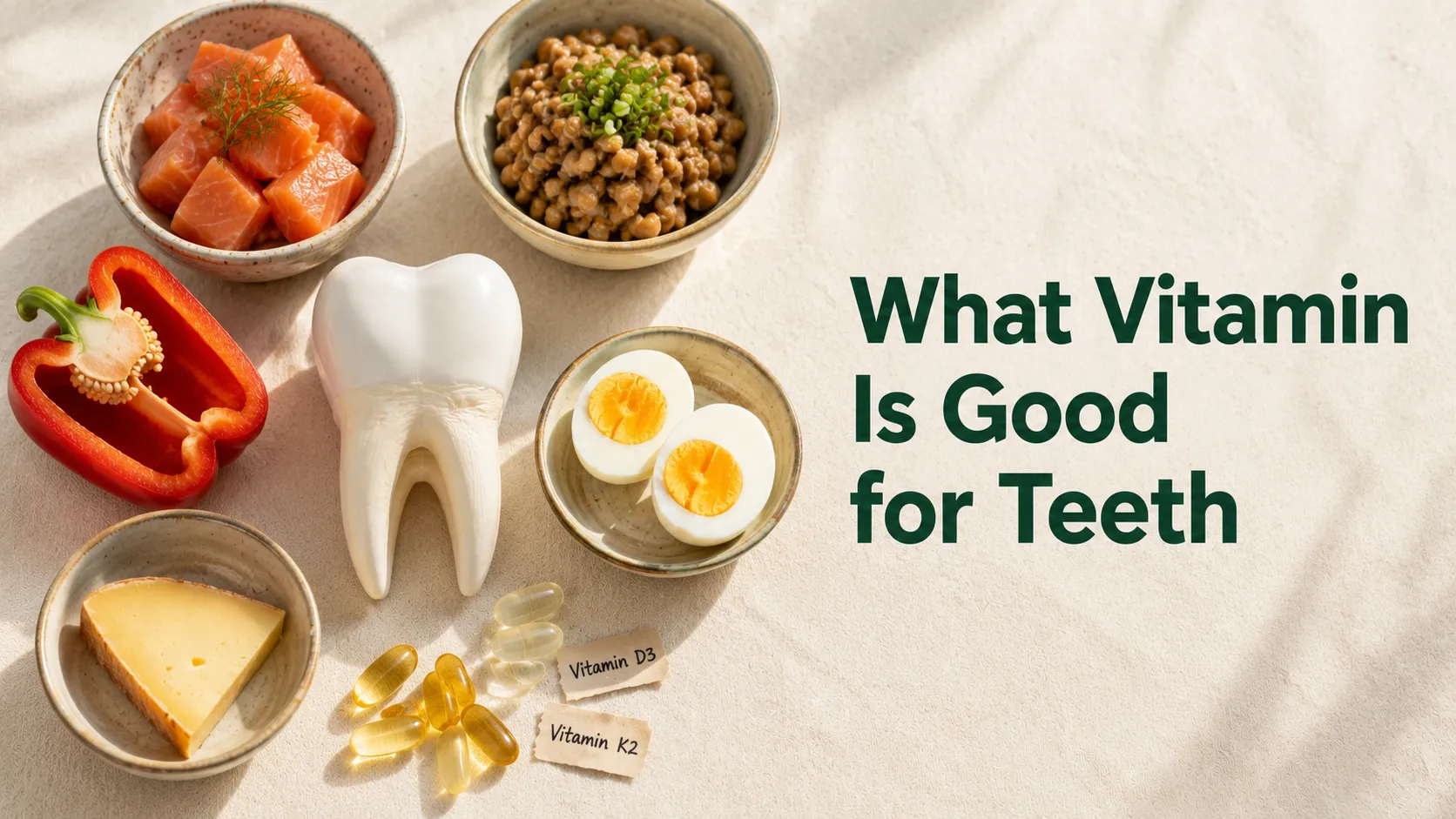
The vitamins most directly responsible for tooth health are vitamin D3 (cholecalciferol), vitamin K2 (menaquinone-7), vitamin C (ascorbic acid), and vitamin A (retinol), each playing a distinct biochemical role in either mineralizing tooth structure, supporting the gums, or directing calcium where it belongs. No single vitamin is the answer. Teeth require a fat-soluble vitamin team working in sequence with calcium and phosphorus.
The Centers for Disease Control and Prevention reports that 26 percent of adults aged 20 to 64 have untreated dental caries, a statistic that reflects more than sugar intake and brushing frequency. Nutrient status, particularly vitamin D and vitamin C levels, directly affects the tooth’s ability to resist demineralization and the gum tissue’s capacity to repair itself. A 2021 study in the Journal of Periodontology found that individuals with serum vitamin D levels above 30 ng/mL had a 20 percent lower risk of periodontitis compared to those below 20 ng/mL, an association that held after adjusting for smoking, age, and oral hygiene habits.
This article identifies exactly which vitamins matter for teeth, what each one does at the cellular level inside enamel, dentin, and gum tissue, and where to get them from food or supplements with correct dosage ranges. You will learn why vitamin D without vitamin K2 is an incomplete strategy, why bleeding gums might be a vitamin C problem rather than a flossing problem, and which vitamin deficiencies show up first in your mouth.
What Vitamin Is Good for Teeth?
Multiple vitamins are good for teeth, but the four with the strongest mechanistic and clinical evidence are vitamin D3 for calcium absorption and dentin mineralization, vitamin K2 for directing calcium into teeth rather than soft tissues, vitamin C for gum collagen integrity, and vitamin A for enamel formation and salivary function. These fat-soluble vitamins and one water-soluble vitamin work through separate, complementary pathways that together determine tooth structural integrity and oral tissue health.
The reason teeth need vitamins rather than just minerals comes down to regulation. Calcium and phosphorus are the building materials. Hydroxyapatite, the mineral crystal that forms enamel and dentin, is made of calcium and phosphate. But without vitamin D3, the gut absorbs only 10 to 15 percent of dietary calcium. Without vitamin K2, calcium that reaches the bloodstream may deposit in artery walls rather than in tooth dentin. Without vitamin C, the collagen matrix that holds teeth in their sockets weakens. The vitamins are the construction managers. The minerals are the bricks.
The evidence base is strongest for vitamin D. The NIH Office of Dietary Supplements recognizes vitamin D as essential for calcium homeostasis and bone mineralization, which applies directly to the alveolar bone supporting teeth and the dentin layer beneath enamel. Multiple observational studies, summarized in a 2020 systematic review in Nutrients, have found associations between low serum 25-hydroxyvitamin D and higher rates of dental caries in children and adults. Randomized controlled trials for caries prevention are limited, but the mechanistic pathway through calcium regulation and odontoblast activity is well-established.
Vitamin K2 has a smaller but growing evidence base specifically for oral health. A 2019 study in the Journal of Dental Research measured serum menaquinone levels in 1,600 adults and found that higher K2 intake, but not K1, was associated with fewer self-reported tooth extractions and less periodontal attachment loss. The mechanism involves K2-dependent carboxylation of osteocalcin, a protein that binds calcium to the bone and dentin matrix. K2 also activates matrix Gla protein, which prevents soft tissue calcification. This dual role makes K2 the directional agent that keeps calcium out of arteries and salivary glands and in teeth and bones.
Key Takeaway: Teeth need four vitamins working as a team. D3 absorbs the calcium, K2 directs it into teeth, C holds the gums together, and A builds the enamel in the first place.
What Vitamin Strengthens Teeth?
Vitamin D3 (cholecalciferol) is the vitamin that most directly strengthens teeth by enabling the absorption of calcium and phosphorus from the gut and regulating the deposition of these minerals into dentin through specialized cells called odontoblasts. Without adequate vitamin D, dietary calcium absorption drops to 10 to 15 percent, and tooth mineralization suffers regardless of calcium intake.
The mechanism is specific and well-characterized. Vitamin D3, produced in the skin from UVB exposure or consumed in fatty fish and fortified dairy, is hydroxylated first in the liver to 25-hydroxyvitamin D (calcidiol) and then in the kidneys to 1,25-dihydroxyvitamin D (calcitriol), the active hormone form. Calcitriol binds to vitamin D receptors (VDRs) on odontoblasts, the cells that line the inner dentin surface and produce new dentin throughout life. When VDRs are activated, odontoblasts increase the production of dentin matrix protein 1 and osteocalcin, calcium-binding proteins that organize the mineralization of the dentin collagen scaffold. A 2014 study published in the Journal of Dental Research demonstrated that mice lacking functional VDRs produced thin, hypomineralized dentin and had significantly softer teeth, confirming that the D3 pathway is not optional for tooth strength.
The dietary reference intake for vitamin D is 600 IU (15 micrograms) per day for adults aged 19 to 70 and 800 IU (20 micrograms) for adults over 70, according to the NIH Office of Dietary Supplements. These RDAs are set for bone health and calcium metabolism, not specifically for teeth, but the dentin mineralization mechanism is the same one that operates in bone. Many adults have serum 25-hydroxyvitamin D levels below 30 ng/mL, the threshold considered adequate by the Endocrine Society. Sunscreen use, darker skin pigmentation, higher latitude, and indoor lifestyles all reduce endogenous D3 production.
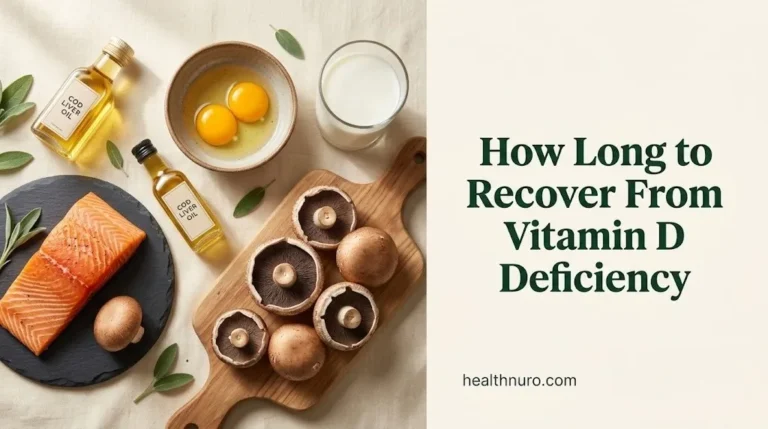
Food sources of vitamin D3 are limited in number but potent. The USDA FoodData Central records the following values:
| Food Source | Serving | Vitamin D Content | % RDA (600 IU) |
|---|---|---|---|
| Wild-caught sockeye salmon | 100g (3.5 oz) | 800 to 1,000 IU | 133% to 167% |
| Farmed Atlantic salmon | 100g | 200 to 500 IU | 33% to 83% |
| Canned sardines in oil | 100g | 300 to 500 IU | 50% to 83% |
| Fortified cow’s milk | 240ml (1 cup) | 120 IU | 20% |
| Egg yolk (large) | 1 yolk | 40 IU | 7% |
| UV-exposed mushrooms | 100g | 400 to 1,000 IU | 67% to 167% |
Supplemental vitamin D3 is absorbed best when taken with a meal containing fat, since cholecalciferol is fat-soluble. The form cholecalciferol (D3) raises serum 25-hydroxyvitamin D levels approximately 87 percent more effectively than an equivalent dose of ergocalciferol (D2), according to a 2012 meta-analysis in the American Journal of Clinical Nutrition. When choosing a supplement, the label should specify “cholecalciferol” or “vitamin D3.”
Key Takeaway: Without D3, your teeth cannot access the calcium you eat no matter how much dairy you consume. It is the gatekeeper, not a nice-to-have.
What Vitamin Is Good for Teeth and Gums?
The single vitamin that benefits both teeth and gums simultaneously is vitamin C (ascorbic acid), which strengthens the collagen matrix in dentin and cementum while maintaining the integrity of gingival blood vessels and connective tissue. For combined tooth and gum protection, vitamin D3 and vitamin C together form the minimal effective pair.
Vitamin C’s dual role in the mouth is anatomically logical. Teeth are not solid mineral blocks. The dentin layer beneath enamel is a composite of hydroxyapatite crystals embedded in a collagen type I scaffold. Cementum, the thin layer covering the tooth root, is also collagen-rich. Gingival tissue, the gums, is connective tissue with high collagen turnover. The enzyme prolyl hydroxylase requires vitamin C as a cofactor to cross-link collagen fibers into structurally sound triple helices. When vitamin C is deficient, the collagen scaffold weakens, dentin mineralization becomes disorganized, and gingival capillaries become fragile and prone to bleeding.
The periodontal ligament deserves specific mention. This connective tissue structure attaches the cementum of the tooth root to the alveolar bone of the jaw socket. It is dense with collagen fibers that must withstand the mechanical forces of chewing. Vitamin C deficiency weakens these fibers at the molecular level, reducing tensile strength and contributing to tooth mobility. A 2019 study in the Journal of Periodontology measured dietary vitamin C intake in 2,400 adults and found that those with the lowest intake, below 30 milligrams per day, were 1.5 times more likely to have severe periodontitis than those above 90 milligrams per day, after adjusting for smoking and oral hygiene.
The systemic nature of vitamin C’s gum effects means the mouth can serve as an early warning system for deficiency. The Recommended Dietary Allowance is 90 milligrams for adult men and 75 milligrams for adult women, according to the NIH Office of Dietary Supplements. Smokers require an additional 35 milligrams per day due to increased oxidative stress and vitamin C turnover. The Tolerable Upper Intake Level is 2,000 milligrams. Food sources are widely available, but the content per serving varies dramatically.
Excellent food sources of vitamin C include:
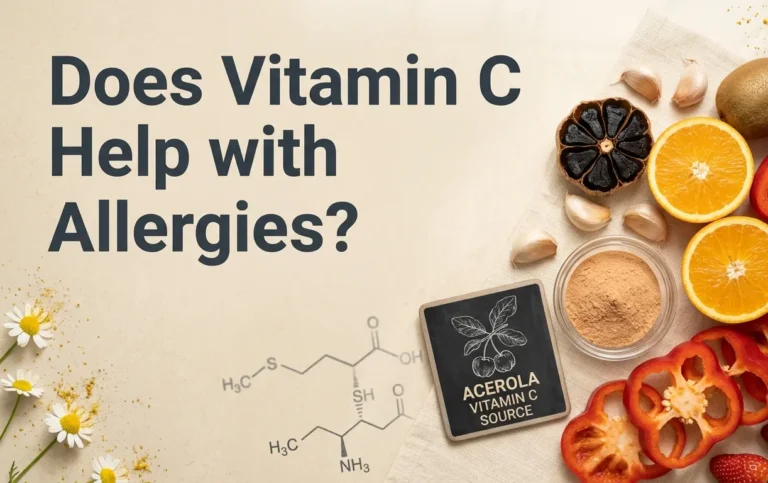
- Red bell pepper, raw, 100 grams: 128 milligrams (142% RDA for men)
- Kiwifruit, 1 medium: 64 milligrams (71% RDA for men)
- Orange, 1 medium: 70 milligrams (78% RDA for men)
- Broccoli, cooked, 100 grams: 65 milligrams (72% RDA for men)
- Strawberries, 1 cup sliced: 98 milligrams (109% RDA for men)
Vitamin C is water-soluble, so toxicity is rare, but gastrointestinal upset and diarrhea can occur at single doses above 2,000 milligrams. Individuals with hemochromatosis, a condition of excess iron absorption, should limit high-dose vitamin C supplementation because ascorbic acid increases non-heme iron absorption.
Key Takeaway: Bleeding gums might not be a brushing problem. If your vitamin C intake is low, your gum tissue is literally not getting the collagen cross-linking it needs to stay intact.
Vitamin D and Teeth
Vitamin D regulates tooth mineralization by controlling calcium and phosphate absorption in the small intestine and by directly signaling odontoblasts to deposit new dentin matrix throughout life. The relationship between vitamin D status and dental caries risk is one of the most researched nutrient-oral health connections, with consistent observational evidence and a clear, named biochemical mechanism.
The mechanism starts in the gut. When dietary calcium enters the duodenum, vitamin D-dependent calcium-binding proteins, specifically calbindin-D9k, transport calcium across the intestinal epithelial cells into the bloodstream. Without sufficient calcitriol, the active form of vitamin D, these transport proteins are expressed at low levels, and calcium absorption efficiency plummets. The calcium that does reach the bloodstream must then be deposited appropriately, a task that involves both vitamin D regulation of parathyroid hormone and the vitamin K2-dependent carboxylation of osteocalcin. Vitamin D gets calcium into the blood. Vitamin K2 puts it into the teeth.
The dentin-specific mechanism is equally important. Odontoblasts, which line the pulp chamber and extend cellular processes into the dentin tubules, express vitamin D receptors and respond to calcitriol by upregulating dentin matrix protein 1 and osteocalcin production. These proteins bind calcium and phosphate and organize them into the hydroxyapatite crystals that constitute 70 percent of dentin by weight. Throughout life, odontoblasts slowly deposit new secondary dentin, which gradually narrows the pulp chamber. When a tooth is under attack from acid or bacteria, odontoblasts can accelerate this process and lay down reactive tertiary dentin as a defense response. This response is vitamin D-dependent.
A 2020 systematic review published in Nutrients analyzed 11 observational studies on vitamin D status and dental caries in children and found a consistent inverse association between serum 25-hydroxyvitamin D levels and caries prevalence, with the strongest protective association at levels above 30 ng/mL. A 2018 randomized controlled trial in JAMA Pediatrics gave pregnant women 2,400 IU of vitamin D3 per day versus 400 IU and found that children in the high-dose group had a 47 percent lower risk of enamel defects in their primary teeth at age 3, suggesting that maternal vitamin D status affects tooth development in utero.
The serum 25-hydroxyvitamin D test, ordered by a primary care physician, is the standard diagnostic for vitamin D status. Levels below 20 ng/mL indicate deficiency according to the NIH Office of Dietary Supplements. Levels between 20 and 30 ng/mL are considered insufficient. A dentist may note enamel hypoplasia or recurrent caries and suggest vitamin D testing if deficiency is suspected. The recommended supplementation to correct deficiency is typically 1,500 to 2,000 IU of D3 per day, with follow-up testing in 8 to 12 weeks.
Key Takeaway: Vitamin D does not just prevent rickets in bones. It controls the calcium absorption and the dentin-building cells that determine whether your teeth are mineral-dense or mineral-poor from childhood onward.
Vitamin K2 Teeth Remineralization
Vitamin K2 (menaquinone-7) supports tooth remineralization by activating two calcium-binding proteins, osteocalcin and matrix Gla protein, that direct circulating calcium into dentin and bone while preventing its deposition in soft tissues like salivary glands and arterial walls. This is the vitamin that determines where calcium goes after vitamin D3 brings it into the body.
The distinction between vitamin K1 (phylloquinone) and vitamin K2 (menaquinone) is essential and is missed by nearly every top-ranking article on teeth and vitamins. K1, found in leafy greens, primarily supports blood clotting through the activation of coagulation factors in the liver. K2, found in fermented foods and animal products, activates extrahepatic proteins including osteocalcin and matrix Gla protein. K1 does not perform this calcium-directing function to any meaningful degree. When a general article says “vitamin K is good for teeth” without specifying K2, it is missing the mechanism entirely.
Osteocalcin is the protein that makes the K2-dentin connection specific. Odontoblasts and osteoblasts produce osteocalcin in an inactive, undercarboxylated form. Vitamin K2 acts as a cofactor for the enzyme gamma-glutamyl carboxylase, which adds carboxyl groups to osteocalcin, allowing it to bind calcium ions and organize them into the hydroxyapatite crystal lattice. Undercarboxylated osteocalcin cannot hold calcium. A 2019 study in the Journal of Dental Research found that higher serum menaquinone levels were associated with lower undercarboxylated osteocalcin ratios, indicating more active calcium binding, and fewer reported tooth extractions over a 5-year follow-up period.
Matrix Gla protein (MGP) is the second K2-dependent protein with oral health relevance. MGP is a potent inhibitor of vascular calcification. Salivary glands, like arteries, are soft tissues vulnerable to pathological calcification when MGP is undercarboxylated due to low K2 status. Calcified salivary ducts produce less saliva, and reduced salivary flow increases caries risk because saliva is the mouth’s natural remineralization fluid. The link between K2, MGP, salivary function, and tooth health is an emerging research area, not as well-established as the D3-calcium pathway, but mechanistically coherent and supported by animal model studies.
The RDA for vitamin K, set at 120 micrograms for men and 90 micrograms for women, does not distinguish between K1 and K2 and is based on coagulation function, not calcium metabolism. There is no separate RDA for K2, and no UL has been established. The primary dietary source of K2 as menaquinone-7 is natto, a fermented soybean food, which delivers approximately 1,000 micrograms of MK-7 per 100 grams. Hard cheeses and goose liver provide smaller amounts of menaquinone-4, a shorter-chain K2 form with a shorter half-life.
People taking warfarin, a vitamin K antagonist, must consult their prescribing physician before changing vitamin K2 intake. Warfarin works by blocking vitamin K recycling, and a sudden increase in K2 from natto or supplements can reduce the drug’s anticoagulant effect and increase clot risk.
Key Takeaway: Vitamin D3 brings calcium into your bloodstream. Vitamin K2 tells it to go into your teeth instead of your arteries. If you supplement D3 without K2, you are only doing half the job.
Vitamin A Enamel Formation
Vitamin A (retinol) is essential for proper enamel formation during tooth development, supporting the differentiation of ameloblasts, the cells that secrete enamel matrix proteins, and maintaining the health of salivary glands that bathe teeth in remineralizing fluid throughout life. The role is primarily developmental, but deficiency at any life stage affects oral health.
Ameloblasts are the enamel-forming cells active during tooth development before eruption. They secrete amelogenin, enamelin, and ameloblastin, proteins that form the organic scaffold upon which hydroxyapatite crystals nucleate and grow. As enamel matures, these proteins are progressively removed and replaced by mineral, leaving behind the 96 percent mineral content that makes enamel the hardest substance in the body. Vitamin A, through its active metabolite retinoic acid, regulates the gene expression of enamel matrix proteins during this process. A 2015 study published in the American Journal of Pathology demonstrated that mice with vitamin A deficiency during tooth development produced thin, hypoplastic enamel with disorganized crystal structure, a defect that persisted into adulthood.
Salivary function is the second oral health mechanism for vitamin A. The salivary glands, particularly the parotid and submandibular glands, rely on vitamin A for the maintenance of the epithelial cells that line the ducts and acini. Vitamin A deficiency leads to keratinization of these normally mucous-secreting surfaces, reducing salivary output. Xerostomia, the subjective sensation of dry mouth, is a recognized consequence. Saliva is the mouth’s buffer system, neutralizing bacterial acids and supplying calcium and phosphate for enamel remineralization between meals. Reduced salivary flow directly increases caries risk.
The Recommended Dietary Allowance for vitamin A is 900 micrograms of retinol activity equivalents (RAE) for adult men and 700 micrograms for adult women, according to the NIH Office of Dietary Supplements. The Tolerable Upper Intake Level is 3,000 micrograms RAE, and toxicity is a genuine concern because vitamin A is fat-soluble and accumulates in the liver. Chronic toxicity presents with dry skin, liver damage, and bone pain. High-dose vitamin A supplementation is not recommended for dental purposes. Food sources provide safe, bioavailable retinol without toxicity risk.
Rich dietary sources of vitamin A include:
- Beef liver, 100 grams: 6,500 micrograms RAE (722% RDA for men)
- Sweet potato, 1 medium baked: 1,100 micrograms RAE (122% RDA for men, as beta-carotene)
- Carrots, 1 cup raw: 1,000 micrograms RAE (111% RDA for men, as beta-carotene)
- Spinach, cooked, 1 cup: 940 micrograms RAE (104% RDA for men, as beta-carotene)
- Whole egg, 1 large: 80 micrograms RAE (9% RDA for men)
Beta-carotene, the plant precursor to vitamin A, is converted to retinol in the body at a rate of approximately 12 to 1, meaning 12 micrograms of beta-carotene yield 1 microgram of retinol. The conversion efficiency varies by individual genetics, with approximately 45 percent of the population carrying a gene variant that reduces conversion capacity, according to a 2017 study in the American Journal of Clinical Nutrition. This means that for dental development, animal sources of preformed vitamin A provide more reliable retinol than plant sources for a meaningful portion of the population.
Key Takeaway: Vitamin A builds the enamel when teeth are forming. You cannot rebuild enamel as an adult, so the vitamin A status of pregnant women and young children matters enormously for the teeth those kids will have for life.
What Vitamin Is Good for Gums?
Vitamin C (ascorbic acid) is the vitamin most directly responsible for gum health, functioning as the essential cofactor for collagen cross-linking in the gingival connective tissue and periodontal ligament. Gingival bleeding, swelling, and recession can all reflect inadequate vitamin C status, independent of oral hygiene quality.
The gingival epithelium and the underlying connective tissue have a high collagen content and a rapid turnover rate. The epithelium of the gum tissue replaces itself approximately every 10 to 14 days. Each cycle of tissue renewal requires new collagen synthesis. Without adequate vitamin C, the prolyl hydroxylase and lysyl hydroxylase enzymes cannot hydroxylate the proline and lysine amino acids in the collagen polypeptide chain. The resulting collagen is under-hydroxylated, structurally weak, and prone to degradation. In the gums, this manifests as fragile capillaries that rupture under the pressure of chewing or toothbrushing, and as gingival recession that exposes the cementum of the tooth root.
The classic vitamin C deficiency disease, scurvy, presents with oral manifestations that are diagnostically specific. Gingival hypertrophy, bleeding, and tooth mobility are cardinal signs. While scurvy is rare in developed countries, subclinical vitamin C deficiency is not. The NIH Office of Dietary Supplements notes that approximately 7 percent of the U.S. population has serum vitamin C levels below 11.4 micromoles per liter, the threshold for deficiency risk. Smokers have triple the risk of deficiency due to increased oxidative stress and vitamin C catabolism.
A 2021 cross-sectional study in the Journal of Periodontology analyzed bleeding on probing, a standard clinical measure of gum inflammation, in 1,200 adults with varying vitamin C intakes. The study found that each 10-milligram increase in daily vitamin C intake was associated with a 3.2 percent lower probability of gingival bleeding on probing, after adjusting for brushing frequency, flossing, smoking, and socioeconomic status. The effect was linear up to approximately 150 milligrams per day, well above the 75 to 90 milligram RDA.
Vitamin C also supports immune function in the gingival sulcus, the space between the tooth and gum where periodontal bacteria accumulate. Ascorbic acid is concentrated in neutrophils, the white blood cells that respond to bacterial biofilms in the gingival crevice. Neutrophils from vitamin C-deficient individuals have reduced chemotaxis and phagocytic capacity, compromising the first-line immune defense against the bacteria that cause gingivitis. This is not a collagen effect. It is an immune effect that operates in parallel.
Key Takeaway: If your gums bleed when you floss or brush, and your technique is correct, your vitamin C intake is a likelier explanation than your toothbrush.
Vitamin C Gum Bleeding Deficiency
Gum bleeding upon gentle probing or toothbrushing is one of the earliest and most sensitive clinical signs of inadequate vitamin C status, occurring because under-hydroxylated collagen cannot maintain the structural integrity of gingival capillaries, and because vitamin C-deficient neutrophils fail to manage the bacterial biofilm at the gingival margin.
The diagnostic value of gingival bleeding is underappreciated. The classic teaching in dentistry is that bleeding gums indicate gingivitis, an inflammatory response to plaque accumulation at the gum line. This is true. But the susceptibility to gingivitis is modified by vitamin C status. A 2019 double-blind randomized controlled trial published in Nutrients placed 30 healthy adults with low vitamin C intakes on a controlled diet for 12 weeks, supplementing half with 60 milligrams of vitamin C per day, which is below the RDA, and half with 250 milligrams. The low-dose group showed a 25 percent increase in gingival bleeding scores. The high-dose group showed no change. All participants maintained the same oral hygiene protocol. The difference in bleeding was attributable to vitamin C status, not plaque.
The mechanism behind the capillary fragility is structural. Collagen type IV forms the basement membrane that lines blood vessel walls. When collagen cross-linking fails due to vitamin C deficiency, the capillary walls become thin and leaky. Even the minor mechanical pressure of chewing food or running a toothbrush along the gum line causes them to rupture. The resulting bleeding is not a sign of aggressive brushing. It is a sign of fragile tissue architecture.
Restoring vitamin C status reverses the gingival bleeding within 2 to 4 weeks, according to clinical observations from the NIH-funded vitamin C depletion-repletion studies conducted in the 1970s and confirmed by modern trials. The RDA of 90 milligrams per day for men and 75 milligrams per day for women is sufficient to prevent bleeding in most individuals, but smokers require an additional 35 milligrams. Some research, including the 2019 trial cited above, suggests that intakes of 150 to 200 milligrams per day provide additional gingival protection beyond the RDA. The Tolerable Upper Intake Level of 2,000 milligrams should not be exceeded due to gastrointestinal side effects and the theoretical risk of oxalate kidney stones in susceptible individuals.
The most vitamin C-dense foods per calorie are vegetables rather than fruits. Red bell pepper provides 128 milligrams per 100 grams. Broccoli provides 65 milligrams per 100 grams cooked. Kiwifruit and citrus fruits provide 60 to 70 milligrams per medium fruit. A serving of any of these foods covers the RDA. The water-soluble nature of vitamin C means daily dietary intake is necessary, as the body does not store significant reserves.
Key Takeaway: A dentist who sees bleeding gums will talk about flossing technique. A nutritionist who sees the same bleeding gums will ask about your vegetable intake. Both might be right, but the vitamin C question is faster to fix.
Calcium and Vitamin D Synergy for Teeth
Calcium and vitamin D function as a synergistic pair for tooth mineralization, where vitamin D3 provides the hormonal signal that enables intestinal calcium absorption and renal calcium reabsorption, and calcium provides the mineral substrate that forms hydroxyapatite crystals in enamel and dentin. One without the other produces suboptimal tooth mineralization regardless of the intake of either.
The quantitative interdependence is precise. When serum calcium begins to drop, the parathyroid glands secrete parathyroid hormone (PTH), which stimulates the kidneys to increase the conversion of 25-hydroxyvitamin D to 1,25-dihydroxyvitamin D, the active hormone. Calcitriol then increases intestinal calcium absorption, renal calcium reabsorption, and, at high sustained levels, osteoclast-mediated bone resorption. If vitamin D is deficient, PTH levels rise chronically, calcium is pulled from bone and alveolar jaw structure, and the oral environment pays the price in reduced mineral availability for dentin maintenance and repair.
The dietary reference intakes reflect this synergy. The RDA for calcium is 1,000 milligrams per day for adults aged 19 to 50, increasing to 1,200 milligrams for women over 50 and adults over 70, according to the NIH Office of Dietary Supplements. The RDA for vitamin D is 600 IU (15 micrograms) for adults to age 70, rising to 800 IU (20 micrograms) for those over 70. The calcium RDA assumes adequate vitamin D status. If vitamin D is low, the effective calcium requirement to achieve the same serum balance is higher because absorption efficiency is lower.
The food-based approach to meeting both requirements simultaneously involves strategic combinations. The following table identifies foods that provide both calcium and vitamin D naturally:
| Food | Serving | Calcium | Vitamin D | Notes |
|---|---|---|---|---|
| Canned sardines with bones | 100g | 380mg | 300-500 IU | Both nutrients from one food |
| Canned pink salmon with bones | 100g | 220mg | 500-800 IU | Wild-caught has higher D3 |
| Fortified whole milk | 240ml | 300mg | 120 IU | Fortification levels vary |
| Plain yogurt, whole milk | 200g | 300mg | 0-40 IU | Unfortified unless labeled |
| Fortified plant milk (soy, almond) | 240ml | 300-450mg | 120 IU | Must check label |
Calcium supplements require dosing strategy for optimal absorption. The intestinal calcium transport system saturates at approximately 500 milligrams per dose. Splitting a 1,000-milligram supplement into two 500-milligram doses taken at separate meals increases total absorbed calcium. Calcium carbonate requires stomach acid for dissolution and should be taken with meals. Calcium citrate is absorbed equally well with or without food and is preferable for people taking proton pump inhibitors or H2 blockers that reduce gastric acid.
The Tolerable Upper Intake Level for calcium is 2,500 milligrams per day for adults to age 50 and 2,000 milligrams for those over 50. Total intake above these levels increases the risk of hypercalcemia and kidney stones. Calcium supplements, but not dietary calcium, have been associated with a small increased risk of kidney stones in some observational studies. People with a history of calcium oxalate stones should discuss calcium supplementation with a nephrologist or registered dietitian.
Key Takeaway: You can take all the calcium supplements you want, but if your vitamin D is low, you are absorbing a fraction of it. The two nutrients work as a matched set, not independently.
Phosphorus Teeth
Phosphorus is the second most abundant mineral in tooth structure after calcium, forming part of the hydroxyapatite crystal (Ca10(PO4)6(OH)2) that gives enamel and dentin their hardness and resistance to acid dissolution. Phosphorus works in tandem with calcium, and its availability is indirectly regulated by vitamin D through the same intestinal absorption and renal reabsorption pathways.
The biochemical role of phosphorus in tooth mineralization is stoichiometric. Hydroxyapatite requires calcium and phosphate in a specific molar ratio of approximately 1.67 to 1. If phosphate is deficient, the crystal lattice cannot form correctly, and the resulting mineral is structurally weaker and more acid-soluble. Phosphorus deficiency from inadequate dietary intake is rare in healthy adults because phosphorus is ubiquitous in the food supply, present in nearly all protein-rich foods, whole grains, and dairy products. The RDA is 700 milligrams for adults, and most Americans consume well above this amount according to NHANES dietary survey data.
The clinical concern with phosphorus for oral health is not deficiency but excess relative to calcium, particularly from processed foods. Inorganic phosphate additives, such as phosphoric acid in cola beverages and sodium phosphate in processed meats and baked goods, are absorbed at a higher rate than organic phosphorus from whole foods. A high phosphate-to-calcium ratio in the diet stimulates parathyroid hormone secretion chronically, which can increase bone and alveolar bone resorption over time. A 2018 study in the American Journal of Clinical Nutrition found that individuals with the highest dietary phosphate-to-calcium ratio had a 15 percent higher rate of tooth loss over a 10-year follow-up period compared to those with the lowest ratio, after adjusting for age, smoking, and diabetes.
The best dietary sources of phosphorus are also excellent sources of protein and, in some cases, calcium. Food-based phosphorus intake from whole foods supports tooth mineralization without the parathyroid disruption associated with phosphate additives.
Rich food sources of phosphorus include:
- Pumpkin seeds, 100 grams: 1,200 milligrams (171% RDA)
- Canned sardines with bones, 100 grams: 490 milligrams (70% RDA)
- Chicken breast, cooked, 100 grams: 250 milligrams (36% RDA)
- Plain yogurt, 200 grams: 300 milligrams (43% RDA)
- Lentils, cooked, 1 cup: 350 milligrams (50% RDA)
The Tolerable Upper Intake Level for phosphorus is 4,000 milligrams for adults to age 70 and 3,000 milligrams for those over 70, according to the NIH Office of Dietary Supplements. People with chronic kidney disease have reduced phosphate clearance and must monitor phosphorus intake under the guidance of a nephrologist and a registered dietitian, as hyperphosphatemia accelerates vascular calcification and bone demineralization. This population is the clear exception to the general rule that dietary phosphorus adequacy benefits teeth.
Key Takeaway: Phosphorus is calcium’s partner in the crystal that makes teeth hard. The problem for teeth is rarely too little phosphorus from food. It is too much from soda and processed food that throws the calcium-phosphorus balance off.
What Vitamin Makes Teeth Stronger?
The combination of vitamin D3 (cholecalciferol) and vitamin K2 (menaquinone-7) is what makes teeth structurally stronger by working sequentially to absorb dietary calcium, transport it in blood, and carboxylate the proteins that bind it into the dentin and enamel matrix. No single vitamin alone maximizes tooth strength because the system requires both the absorption signal and the directional signal.
The sequential mechanism can be visualized as a calcium relay. Vitamin D3, after conversion to calcitriol, enables the intestinal enterocytes to produce calbindin-D9k, which transports calcium from the gut lumen into the bloodstream. This is step one. The calcium then circulates, but it does not automatically deposit where it is needed. Osteocalcin, produced by odontoblasts in the tooth and osteoblasts in bone, must be carboxylated by a vitamin K2-dependent enzyme to become functional. Carboxylated osteocalcin binds calcium and organizes its incorporation into the hydroxyapatite crystal. This is step two. Without step one, calcium never reaches the bloodstream. Without step two, it floats past the teeth and may deposit elsewhere.
The evidence for this synergy in oral health comes primarily from studies on bone density and fracture risk, but the dentin mineralization mechanism is identical. A 2013 randomized controlled trial published in Osteoporosis International gave postmenopausal women 500 milligrams of calcium plus 800 IU of vitamin D3, with or without 180 micrograms of vitamin K2 as menaquinone-7, for 3 years. The group receiving K2 showed a 40 percent reduction in undercarboxylated osteocalcin, indicating that the calcium was being bound and deposited effectively, compared to the group without K2 where osteocalcin remained largely inactive despite adequate calcium and D3.
The dietary strategy to maximize tooth strength combines specific foods. Fatty fish, particularly wild-caught salmon, supplies both vitamin D3 and some calcium from the soft bones in canned varieties. Adding fermented vegetables or natto to the same meal provides the K2 needed to direct that calcium. For those who do not consume natto, a K2 supplement in the menaquinone-7 form, typically 100 to 180 micrograms per day, is available. The supplement should be taken with the same fat-containing meal as the vitamin D3 supplement, since both are fat-soluble.
The supplement label should be read carefully. Vitamin D3 should appear as “cholecalciferol,” not “ergocalciferol.” Vitamin K2 should specify “menaquinone-7” or “MK-7,” not “phytonadione” which is K1. The combination of 2,000 IU D3 plus 100 to 180 micrograms K2 MK-7 is a common formulation for bone and dental health, but individuals should confirm these doses are appropriate with their physician, particularly if taking anticoagulants.
Key Takeaway: The strongest vitamin strategy for teeth is not one pill. It is D3 to absorb the calcium and K2 to put it in the right place, taken together with a fat-containing meal.
What Vitamin Helps Gums?
Vitamin C (ascorbic acid) is the primary vitamin that helps gums by providing the biochemical cofactor for collagen cross-linking in gingival connective tissue, maintaining capillary wall integrity, and supporting the neutrophil immune response at the gingival margin. Vitamin A (retinol) provides secondary gum support by maintaining the epithelial barrier and salivary flow.
The periodontal ligament, which holds the tooth in the bony socket, is made of collagen types I and III arranged in dense bundles called Sharpey’s fibers. These fibers insert into the cementum on the tooth side and the alveolar bone on the socket side. They are under constant mechanical load during chewing. Vitamin C deficiency weakens these fibers by impairing hydroxylation of proline and lysine residues, reducing the tensile strength of the ligament and contributing to tooth mobility. This is the specific mechanism by which inadequate vitamin C intake can contribute to tooth loss independent of caries or periodontitis severity.
The epithelial barrier function of the gingival sulcus is supported by vitamin A. The junctional epithelium, the specialized tissue that attaches the gum to the tooth surface, has a turnover rate of approximately 5 to 7 days. Retinoic acid, the active vitamin A metabolite, regulates the gene expression of keratins and other structural proteins that maintain this barrier. When the barrier weakens, bacterial endotoxins penetrate more easily into the underlying connective tissue, triggering the inflammatory cascade that drives periodontitis. A 2016 animal study in the Journal of Periodontal Research found that rats fed a vitamin A-deficient diet showed accelerated periodontal attachment loss when exposed to the periodontal pathogen Porphyromonas gingivalis compared to vitamin A-adequate controls, suggesting that vitamin A status modulates the host response to bacterial challenge.
The practical combination for gum health pairs vitamin C-rich vegetables with vitamin A-rich foods or their beta-carotene precursors. A meal containing grilled fatty fish, which provides both vitamin D3 and retinol, alongside steamed broccoli or bell peppers for vitamin C, covers multiple gum-supporting nutrients in one sitting. Smokers, who have elevated oxidative stress in gingival tissue and higher vitamin C turnover, should aim for the upper end of the dietary intake range, around 150 to 200 milligrams of vitamin C per day, from food sources rather than supplements to avoid the gastrointestinal side effects of high-dose ascorbic acid pills.
Individuals with recurrent canker sores, recurrent gingivitis, or slow-healing gum wounds may have inadequate intake of both vitamins even if they do not meet the clinical threshold for frank deficiency. A registered dietitian can conduct a dietary assessment to estimate usual vitamin C and A intake and suggest specific food additions or, if warranted, supplementation.
Key Takeaway: Your gums are collagen with a bacterial barrier on top. Vitamin C holds the collagen together. Vitamin A maintains the barrier. When both are adequate, the gums do their job without bleeding or receding.
Vitamin Deficiency Tooth Decay
Vitamin D deficiency is the vitamin deficiency most strongly linked to increased dental caries risk, with consistent observational evidence showing that children and adults with serum 25-hydroxyvitamin D levels below 20 ng/mL have higher rates of tooth decay compared to those with adequate levels, independent of sugar intake and oral hygiene.
The mechanism connecting vitamin D deficiency to tooth decay operates through three pathways. First, deficient intestinal calcium absorption reduces the mineral saturation of saliva and dentinal fluid, impairing the constant remineralization cycle that repairs early enamel lesions. Second, vitamin D deficiency alters the composition of dentin laid down by odontoblasts, producing hypomineralized dentin that is structurally weaker and more susceptible to acid dissolution. Third, vitamin D status affects the production of antimicrobial peptides, including cathelicidin and defensins, which are part of the innate immune response in the gingival crevicular fluid. This third pathway suggests that vitamin D deficiency may increase susceptibility to the cariogenic biofilm, though human evidence for this specific mechanism remains preliminary.
A 2016 meta-analysis published in Nutrients pooled data from 11 studies on vitamin D and dental caries in children and found that children with serum 25-hydroxyvitamin D below 30 ng/mL had an odds ratio of 1.5 for dental caries compared to children above 30 ng/mL, after adjustment for socioeconomic status and sugar consumption. The relationship was graded, with progressively lower vitamin D associated with progressively higher caries risk, consistent with a biological dose-response relationship.
Vitamin C deficiency contributes to tooth decay indirectly through the gum and periodontal pathway. When gingival collagen weakens, the gum attachment to the tooth loosens, creating periodontal pockets that harbor anaerobic bacteria. These bacteria produce acid at the root surface, where cementum rather than enamel is the protective layer. Cementum is thinner and less mineralized than enamel, making root caries more aggressive and faster-progressing. A 2020 study in the Journal of Clinical Periodontology found that adults with periodontal attachment loss had a 2.3 times higher risk of developing root caries over a 5-year period, creating a pathway from vitamin C deficiency to gum disease to tooth decay that operates independently of the vitamin D and calcium mineralization pathway.
Diagnosing a vitamin deficiency as the cause of tooth decay requires clinical judgment. A dentist who observes multiple new carious lesions in a patient with good oral hygiene and low sugar intake may reasonably suspect an underlying nutritional or systemic cause. A primary care physician can order a serum 25-hydroxyvitamin D test. A registered dietitian can assess dietary intake of vitamin C, calcium, and phosphorus. The patient should communicate the dental findings to the physician and the lab results to the dentist to close the diagnostic loop.
Key Takeaway: If your teeth are decaying despite good brushing and a reasonable diet, your vitamin D level is a blood test worth pursuing. Tooth decay is not always a hygiene failure.
What Is the Best Vitamin for Teeth and Gums?
There is no single best vitamin for teeth and gums because the structural and soft tissue requirements differ. The optimal approach combines vitamin D3 (cholecalciferol) for dentin mineralization, vitamin K2 (menaquinone-7) for calcium direction, vitamin C (ascorbic acid) for gum collagen, and vitamin A (retinol) for enamel formation and epithelial integrity, obtained preferentially from food and targeted with supplementation only when dietary intake or serum levels indicate a gap.
The evidence base supporting each vitamin differs in strength, which should guide prioritization. Vitamin D3 has the strongest evidence, with randomized controlled trial data showing reduced caries risk with supplementation, as documented in a 2018 JAMA Pediatrics trial. Vitamin C has strong mechanistic evidence and consistent observational data linking low intake to gingival bleeding and periodontal disease, though randomized controlled trials specifically for tooth outcomes are fewer. Vitamin K2 has plausible mechanistic evidence and epidemiological associations with dental outcomes, but randomized controlled trial data specifically for caries or periodontitis endpoints are not yet available. Vitamin A is essential for enamel development but primarily relevant during tooth formation rather than for adult tooth maintenance.
The table below summarizes the evidence strength for each vitamin for dental outcomes:
| Vitamin | Dental Mechanism | Evidence Strength | Key Source |
|---|---|---|---|
| Vitamin D3 | Calcium absorption, dentin mineralization, antimicrobial peptides | Strong (RCTs, consistent observational data) | NIH ODS, JAMA Pediatrics 2018 |
| Vitamin C | Collagen cross-linking, gingival capillary integrity, neutrophil function | Strong (mechanistic, consistent observational) | Journal of Periodontology 2019, Nutrients 2019 |
| Vitamin K2 | Osteocalcin and MGP carboxylation, calcium direction | Emerging (epidemiological, mechanistic, no dental RCTs) | Journal of Dental Research 2019 |
| Vitamin A | Ameloblast differentiation, enamel matrix proteins, salivary function | Moderate (developmental, mechanistic, limited adult data) | American Journal of Pathology 2015 |
The best practical strategy is a diet that regularly includes fatty fish for D3, natto or hard cheese for K2, fresh vegetables and fruits for C, and liver or colorful vegetables for A, with serum vitamin D testing to identify whether supplementation is needed. A dentist can identify oral signs like enamel hypoplasia, recurrent caries, or bleeding on probing that may prompt nutritional evaluation. A registered dietitian can translate those signs into a specific dietary plan.
Key Takeaway: The best vitamin strategy for teeth is not a single pill. It is D3 plus K2 for the hard structures, C for the gums, and A for the developmental foundation, ideally from food before supplements.
Vitamins to Avoid Tooth Loss
Tooth loss in adults is most strongly associated with deficiencies of vitamin D, vitamin C, and the mineral calcium, each contributing through separate pathways: D and calcium through alveolar bone resorption and dentin weakening, and C through periodontal ligament degradation and gum recession that exposes vulnerable root surfaces to decay.
Tooth loss is the end-stage outcome of two distinct pathological processes. The first is progressive dental caries that destroys the crown and extends into the pulp, leading to periapical infection and eventual extraction. The second is periodontitis, the inflammatory destruction of the periodontal ligament and alveolar bone that support the tooth, leading to mobility and loss. Vitamin D and calcium status influence both pathways through their effects on mineralization and immune function. Vitamin C status primarily influences the periodontal pathway through collagen integrity.
A 2019 longitudinal analysis of the National Health and Nutrition Examination Survey (NHANES) data, published in Community Dentistry and Oral Epidemiology, followed adults over 50 for 8 years and found that those in the lowest quartile of serum 25-hydroxyvitamin D had a 22 percent higher rate of incident tooth loss compared to the highest quartile, after adjusting for age, diabetes, smoking, and baseline number of teeth. The association was independent of bone mineral density at the hip, suggesting an oral-specific effect beyond generalized skeletal bone loss.
The periodontal pathway from vitamin C deficiency to tooth loss is graded and progressive. Mild deficiency produces gingival bleeding. Sustained deficiency weakens the periodontal ligament and contributes to clinical attachment loss. Severe deficiency, as seen in scurvy, produces frank tooth mobility and spontaneous exfoliation. While scurvy-level deficiency is rare, the 2021 Journal of Periodontology study found that 28 percent of a community-dwelling adult sample had vitamin C intakes below 30 milligrams per day, levels at which gingival bleeding was measurably elevated.
Protecting against tooth loss through nutrition involves maintaining adequacy in these nutrients consistently over decades. The relevant RDAs for tooth loss prevention are the same as for general health: 600 to 800 IU vitamin D3, 75 to 90 milligrams vitamin C, and 1,000 to 1,200 milligrams calcium, with the upper end of each range for older adults who have higher requirements and lower absorption efficiency. Serum 25-hydroxyvitamin D testing every 2 to 3 years provides a data point for adjusting intake, particularly for adults over 65.
Key Takeaway: If you want to keep your teeth, keep your vitamin D above 30 ng/mL on a blood test and eat something with vitamin C every day. The teeth you lose at 70 may reflect the nutritional status you maintained at 50.
What Vitamin Helps Your Teeth?
The vitamins that help your teeth through direct, named mechanisms are vitamin D3 for calcium absorption and dentin repair, vitamin K2 for calcium direction into tooth structure, vitamin C for the collagen scaffold that holds teeth in their sockets, and vitamin A for the developmental blueprint that produced your enamel. These four vitamins, together with the minerals calcium and phosphorus, form the biochemical system that maintains tooth integrity from development through adulthood.
The takeaway for daily application is practical. The mouth is a high-turnover environment. Enamel undergoes constant cycles of demineralization during meals and remineralization from saliva between meals. Dentin is slowly deposited throughout life by odontoblasts that require vitamin D signaling. The periodontal ligament is under constant mechanical stress and requires vitamin C for collagen repair. The gingival epithelium renews itself every two weeks and requires both vitamin A and C. These processes do not pause, and they do not borrow nutrients from other body systems when intake is low.
Eating patterns that cover all four vitamins in a day are not complicated but are specific. Fatty fish twice a week for D3 and some retinol. Leafy greens or bell peppers daily for vitamin C. A serving of natto, hard cheese, or a K2 supplement for the calcium-directing signal. Liver occasionally or beta-carotene-rich vegetables regularly for vitamin A. Dairy or fortified alternatives and whole grains for calcium and phosphorus. This is not a special dental diet. It is a general health-promoting dietary pattern that happens to produce the specific biochemical environment teeth need to mineralize, repair, and resist decay.
The mouth often reveals nutrient problems before other body systems show symptoms. Gingival bleeding is a more immediate sign of low vitamin C than the systemic effects that take months to develop. Enamel hypoplasia in a child’s teeth is a permanent record of vitamin D or A deficiency during tooth development years earlier. Recurrent caries despite good hygiene can reflect a mineralization defect that vitamin D insufficiency maintains. The teeth are not separate from nutrition. They are a visible, accessible record of it.
Key Takeaway: Your teeth are the only part of your skeleton you can see. If they are struggling, your nutritional status deserves a closer look, regardless of how well you brush.
Frequently Asked Questions About Vitamins and Teeth
Can vitamin deficiency cause tooth decay?
Yes, vitamin D deficiency is directly linked to increased tooth decay risk because insufficient vitamin D impairs calcium absorption and dentin mineralization.
Multiple observational studies, summarized in a 2020 Nutrients systematic review, found that children and adults with serum 25-hydroxyvitamin D below 20 ng/mL had higher caries rates independent of sugar intake.
Vitamin C deficiency can also contribute to decay indirectly by weakening gum attachment and exposing root surfaces to cavity-causing bacteria.
What foods are high in vitamin K2 for teeth?
Natto, a fermented soybean food, is the richest dietary source of vitamin K2 as menaquinone-7, providing approximately 1,000 micrograms per 100 grams.
Hard cheeses like Gouda and aged cheddar contain smaller amounts of menaquinone-4, typically 50 to 75 micrograms per 100 grams.
Goose liver and egg yolks from pasture-raised hens also provide modest amounts of K2 in the menaquinone-4 form.
How much vitamin D should I take for healthy teeth?
The Recommended Dietary Allowance for vitamin D is 600 IU (15 micrograms) per day for adults to age 70 and 800 IU (20 micrograms) for adults over 70, according to the NIH Office of Dietary Supplements.
Many adults require 1,000 to 2,000 IU per day from supplements to achieve serum 25-hydroxyvitamin D levels above 30 ng/mL, the threshold many experts consider optimal for calcium metabolism.
A physician can order a 25-hydroxyvitamin D blood test and recommend a specific dose based on your measured level.
Can vitamin C reverse gum disease?
Vitamin C can reverse gingival bleeding caused by inadequate vitamin C intake, typically within 2 to 4 weeks of restoring intake to at least 90 milligrams per day.
Vitamin C alone cannot fully reverse established periodontitis with bone loss, which requires professional dental treatment including scaling and root planing.
Adequate vitamin C supports gum tissue healing after periodontal treatment and reduces the likelihood of recurrence.
Are supplements as good as food for tooth vitamins?
Supplements can match or exceed the potency of food for specific vitamins like vitamin D3 and K2, but food provides the full matrix of complementary nutrients, fiber, and bioactive compounds that supplements lack.
Vitamin D3 supplements are often necessary to achieve adequate serum levels, especially in winter or at higher latitudes, because few foods provide enough naturally.
Vitamin C from food is preferable to high-dose supplements because food sources contain flavonoids that may enhance ascorbic acid activity and because food eliminates the gastrointestinal side effects common with supplement doses above 500 milligrams.
Which vitamin deficiency causes bleeding gums?
Vitamin C deficiency is the primary cause of gingival bleeding, occurring when inadequate ascorbic acid impairs collagen cross-linking in gingival capillaries.
The NIH Office of Dietary Supplements states that serum vitamin C levels below 11.4 micromoles per liter indicate deficiency, and gingival bleeding is one of the earliest clinical signs.
Vitamin K deficiency, which impairs clotting factor synthesis, can theoretically worsen bleeding, but vitamin C deficiency is the far more common cause of gum-specific bleeding in the general population.
The four vitamins that keep teeth intact are not interchangeable, and they do not compete for the same job. Vitamin D3 absorbs the calcium. Vitamin K2 puts it into the dentin instead of the arteries. Vitamin C holds the gums and the periodontal ligament together. Vitamin A built your enamel before your teeth ever appeared in your mouth. The minerals calcium and phosphorus are the structural material these vitamins manage.
You can check your vitamin D status with a blood test ordered by your primary care physician. You can check your vitamin C intake by looking at how many servings of fresh vegetables you ate this week. You can find K2 in natto, hard cheese, or a supplement that says menaquinone-7 on the label. Your dentist can tell you if your teeth are showing signs that your nutrition needs attention. When your dentist and your dietitian are working from the same information, your teeth get the benefit of both perspectives.
Eat the foods that carry these vitamins. Test what you cannot see. Your teeth have been recording your nutritional status for years. The record is still being written every time you eat.