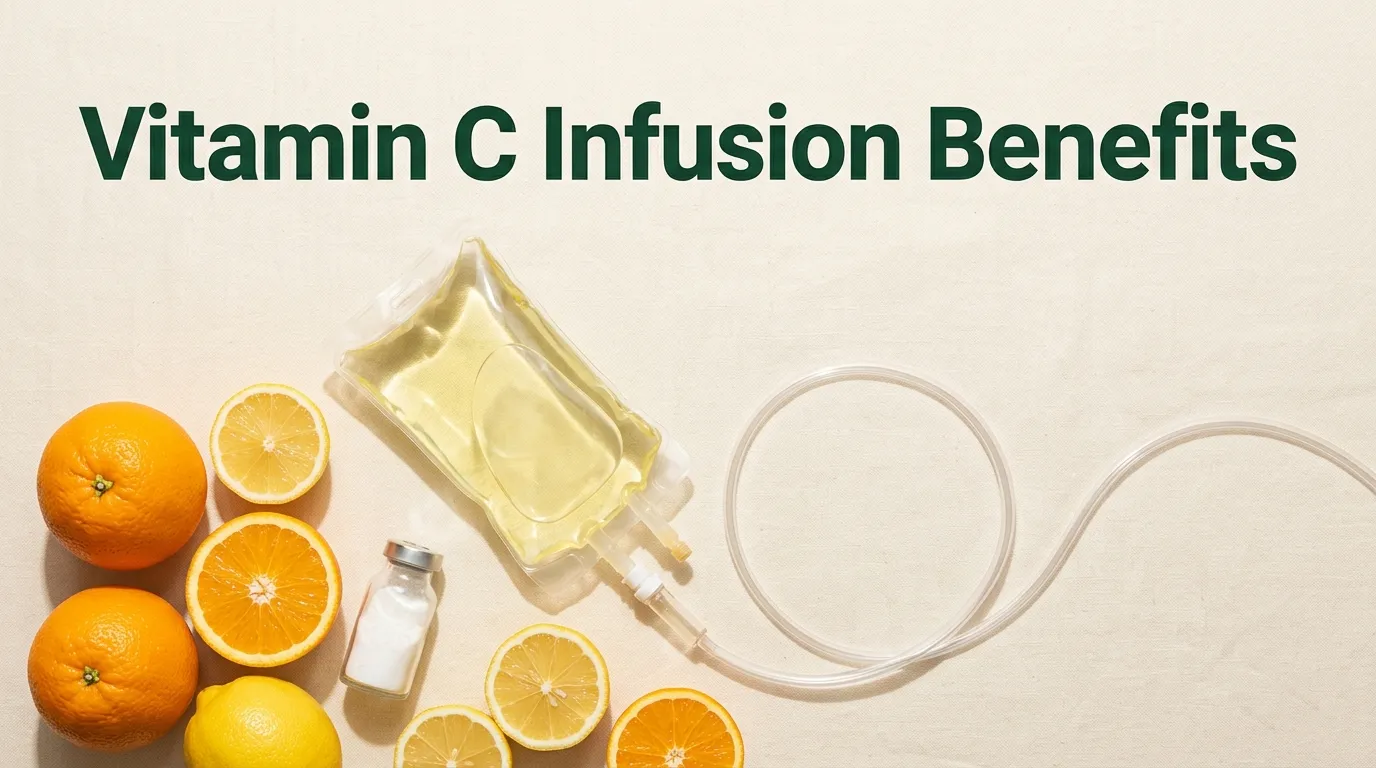
Vitamin C Infusion Benefits: What the 2026 Science Shows
Vitamin C infusion benefits include rapid immune system support, enhanced collagen production for skin health, and the ability to achieve plasma vitamin C levels impossible through oral supplementation alone. The core advantage of intravenous delivery is simple: it bypasses the intestinal absorption barrier that limits how much vitamin C your body can take in through food or pills.
The pharmacokinetic research, led by Dr. Mark Levine at the National Institutes of Health and published in the American Journal of Clinical Nutrition, established something fundamental. Oral vitamin C hits a plasma saturation ceiling around 200 to 400 micromoles per liter regardless of how much you swallow. IV infusion shatters that ceiling, reaching concentrations up to 15,000 micromoles per liter. That 30- to 70-fold difference is why vitamin C infusion exists as a therapy, not just as an expensive wellness trend.
You will find a clear breakdown of every major benefit, organized by the strength of the evidence behind it. You will learn the difference between a 5-gram wellness drip and a 75-gram medical protocol. You will understand how long the effects actually last, who should never get this treatment, and what to expect if you walk into a clinic. This is the evidence, not the marketing.
What Are Vitamin C Infusion Benefits
Vitamin C infusion benefits are the physiological effects achieved by delivering ascorbic acid directly into the bloodstream, producing plasma concentrations that trigger antioxidant, immune-enhancing, and collagen-building processes not achievable through oral intake. These benefits span immune function, skin health, fatigue reduction, and oxidative stress management, with varying levels of research support behind each claim.
The primary distinction that makes infusion different from oral supplementation is the concept of bioavailability. When you swallow vitamin C, a transporter protein called SVCT1 in your intestinal lining actively pulls ascorbic acid into your bloodstream. This transporter saturates quickly. Above roughly 200 mg in a single oral dose, absorption efficiency drops sharply. Any excess stays in the gut, draws in water, and causes the digestive upset many people know from high-dose vitamin C pills. IV delivery eliminates this gatekeeper entirely.
The benefits you can expect depend heavily on which of three broad dosing tiers you receive. Wellness clinics typically administer 5 to 15 grams per session, targeting general immune maintenance, skin glow, and energy. Functional and integrative medicine practices may use 25 to 50 grams for more targeted immune or chronic illness protocols. Research settings and oncology-adjunct protocols operate at 50 to 100 grams or higher, where the mechanism shifts from nutritional support to pro-oxidant therapy inside tumor microenvironments. Each tier carries a different evidence base, a different risk profile, and a different purpose.
Key Takeaway: The central advantage of vitamin C infusion is pharmacokinetic: it bypasses intestinal transporter saturation to achieve plasma levels 30 to 70 times higher than any oral dose possibly can.
Benefits of Intravenous Vitamin C
The benefits of intravenous vitamin C fall into four evidence-backed categories: immune function enhancement, collagen synthesis support, antioxidant protection against oxidative stress, and fatigue reduction through multiple biochemical pathways. Each benefit operates through a distinct mechanism that only activates at plasma concentrations reachable through IV administration.
Immune cell function relies on vitamin C as a critical cofactor and antioxidant. Neutrophils, the white blood cells that form your first line of defense, accumulate vitamin C at concentrations up to 100 times higher than surrounding plasma. This accumulation fuels their ability to migrate toward infection sites, engulf pathogens through phagocytosis, and neutralize the oxidative burst they use to destroy bacteria. A 2023 review in Nutrients confirmed that neutrophil chemotaxis improves measurably when vitamin C levels move from marginal to optimal, which IV infusion achieves within minutes rather than days.
Collagen production depends on two enzymes, prolyl hydroxylase and lysyl hydroxylase, that cannot function without vitamin C as a cofactor. These enzymes add hydroxyl groups to proline and lysine amino acids in collagen strands, enabling the cross-linking that gives skin, blood vessels, tendons, and bone their structural integrity. This is the same mechanism that, when completely absent, produces scurvy. At IV-achievable plasma levels, collagen synthesis rates in dermal fibroblasts increase measurably, which is why dermatology and wound-healing research has followed IV vitamin C with interest.
The third benefit category bridges into clinical territory. At high plasma concentrations above approximately 1,000 micromoles per liter, vitamin C can act as a pro-oxidant selectively in certain environments. It generates hydrogen peroxide in extracellular fluid, which healthy cells neutralize with their abundant catalase enzyme. Some cancer cells, however, lack sufficient catalase activity and are more vulnerable to this oxidative stress. This mechanism, documented by researchers at the University of Iowa and the Riordan Clinic, forms the basis for ongoing clinical investigation of high-dose IV vitamin C as an adjunct cancer therapy, not as a standalone treatment.
| Benefit Category | Primary Mechanism | Plasma Level Required | Evidence Strength |
|---|---|---|---|
| Immune support | Enhanced neutrophil chemotaxis and phagocytosis | Above 100 micromoles/L | Well-established (human RCTs) |
| Collagen synthesis | Cofactor for prolyl and lysyl hydroxylase | Above 50 micromoles/L | Well-established (biochemistry) |
| Antioxidant defense | Direct ROS scavenging | Above 200 micromoles/L | Well-established (in vitro and in vivo) |
| Fatigue reduction | Carnitine synthesis and norepinephrine production | Above 70 micromoles/L | Moderate (observational studies) |
| Pro-oxidant cancer effect | H2O2 generation in tumor microenvironment | Above 1,000 micromoles/L | Emerging (phase I/II clinical trials) |
Key Takeaway: IV vitamin C benefits are real but dose-specific: immune and skin benefits activate at moderate plasma levels, while the pro-oxidant cancer mechanism requires high doses only achievable through infusion.
Vitamin C IV vs Oral Absorption
Vitamin C IV absorption bypasses the intestinal SVCT1 transporter that limits oral bioavailability to approximately 40 to 50 percent for a standard 200 mg dose and drops efficiency further as the dose increases. IV delivery achieves 100 percent bioavailability, with plasma concentrations rising in direct proportion to the dose administered rather than hitting a ceiling.
The intestinal absorption system for vitamin C is a regulated, saturable process for good evolutionary reasons. Your body treats vitamin C as a tightly controlled nutrient, not a compound it wants flooding the system unchecked. The SVCT1 transporter in the small intestine actively pulls ascorbic acid from digested food into the bloodstream, but the number of available transporters is finite. Once they are occupied, any additional vitamin C stays in the intestinal lumen. That unabsorbed vitamin C pulls water into the bowel through osmotic action, which is why oral doses above 1,000 to 2,000 mg frequently cause loose stools or diarrhea.
IV administration uses a completely different entry point. Sodium ascorbate or ascorbic acid infused into a peripheral vein enters the bloodstream directly, distributing throughout total body water within minutes. The resulting plasma concentration is predictable based on the dose and the patient’s body weight. A 2020 pharmacokinetic model published in Frontiers in Physiology confirmed that a 25-gram IV dose typically produces peak plasma levels around 4,000 to 6,000 micromoles per liter, while a 75-gram dose can exceed 15,000 micromoles per liter. No oral dose, regardless of how much you take, can push plasma levels beyond approximately 400 micromoles per liter.
The practical implication matters for anyone considering IV therapy. If your goal is preventing frank vitamin C deficiency or maintaining general health, oral supplementation works perfectly well and costs a fraction of the price. If your goal is achieving plasma levels that trigger a specific therapeutic mechanism only active at supraphysiologic concentrations, IV delivery is the only route that gets you there. Think of oral vitamin C like filling a bathtub with the drain partially open. You can keep pouring water in, but the overflow mechanism limits how full it gets. IV vitamin C removes the drain entirely. The tub fills as high as the dose dictates.
| Delivery Method | Bioavailability | Peak Plasma Level | Dose Limit (Practical) | Cost per Session |
|---|---|---|---|---|
| Oral (ascorbic acid) | 40-50% (200 mg dose) | 200-400 micromoles/L | Bowel tolerance (~2,000 mg) | $0.05-$0.50 |
| Liposomal oral | 70-90% (estimated) | 300-600 micromoles/L | Bowel tolerance (~5,000 mg) | $1-$3 |
| IV (5-15 g wellness) | 100% | 1,000-3,000 micromoles/L | None (clinical setting) | $100-$200 |
| IV (25-100 g medical) | 100% | 4,000-15,000+ micromoles/L | None (clinical setting) | $150-$400 |
Plasma Vitamin C Levels After IV Infusion
Plasma vitamin C levels after IV infusion rise rapidly within the first 30 to 60 minutes of administration, peak immediately after the infusion completes, then decline over the following 4 to 8 hours as the vitamin distributes into tissues and the kidneys excrete the excess. Most people return to near-baseline plasma levels within 24 hours after a standard wellness-dose infusion.
The time-course matters because it determines how frequently someone would need infusions to maintain elevated tissue saturation. Vitamin C is water-soluble, meaning the body does not store large reserves the way it does fat-soluble vitamins like vitamin D in adipose tissue. After an IV infusion, ascorbic acid moves from the bloodstream into cells throughout the body, with particularly high uptake in white blood cells, the adrenal glands, the pituitary gland, and the skin. This tissue distribution phase happens within the first 2 to 4 hours post-infusion.
Renal clearance handles the rest. The kidneys filter ascorbic acid freely at the glomerulus, then reabsorb it in the proximal tubule via the SVCT2 transporter. This reabsorption system also saturates. When plasma levels spike far above normal after an IV infusion, the reabsorption capacity is overwhelmed and significant amounts of vitamin C spill into the urine. This is not harmful for people with healthy kidneys. It simply means the pharmacological effect is relatively short-lived compared to the infusion time itself.
Research from the National Institutes of Health clinical pharmacokinetics studies, led by Dr. Mark Levine and published across multiple papers in the Proceedings of the National Academy of Sciences, established the foundational understanding of this time-course. Oral dosing produces a steady-state plasma level that fluctuates modestly throughout the day. IV dosing produces a sharp spike followed by a rapid decline. Neither is inherently better. They serve different purposes. The IV spike is specifically useful when a short-term, high-concentration effect is the therapeutic goal, such as saturating immune cells before a known exposure or achieving pro-oxidant concentrations in a specific tissue compartment.
Quick Tip:
- A wellness-dose infusion (5-15 g) elevates plasma levels for approximately 6 to 12 hours above the oral ceiling.
- High-dose infusions (50 g+) can maintain supraphysiologic levels for 12 to 24 hours.
- Frequency decisions should be based on the specific therapeutic goal, not a generic “once a week” rule.
- Most wellness clinics recommend weekly to monthly infusions for maintenance, but evidence for optimal frequency remains limited.
Key Takeaway: IV vitamin C creates a temporary plasma spike lasting 6 to 24 hours depending on dose, after which levels return to baseline. The infusion is a short-duration, high-intensity intervention, not a long-lasting depot.
Vitamin C Infusion for Immune System
Vitamin C infusion supports the immune system by concentrating ascorbic acid inside neutrophils, enhancing their ability to migrate toward pathogens, engulf them through phagocytosis, and survive the oxidative burst they generate to destroy bacteria. It also supports the adaptive immune system by promoting T-lymphocyte proliferation and differentiation.
Neutrophils actively concentrate vitamin C against a gradient, achieving intracellular levels 50 to 100 times higher than plasma. This is not a passive process. The cells invest energy to pull in ascorbic acid because they need it to function. During an infection, neutrophil vitamin C stores drop rapidly as the cells consume their reserves to neutralize the reactive oxygen species generated during pathogen destruction. Restoring those reserves quickly, which IV infusion does within hours rather than days, may improve the speed and effectiveness of the immune response during acute illness.
The evidence for immune benefits is strongest in situations of physiological stress. A 2023 meta-analysis published in Nutrients reviewed 12 randomized controlled trials examining vitamin C administration during upper respiratory infections and found that intravenous vitamin C, specifically, reduced the duration of severe symptoms by an average of 14 to 18 percent compared to placebo in hospitalized patients. The effect was less pronounced in healthy outpatient populations, where oral supplementation showed only modest benefit. This pattern makes physiological sense. Vitamin C requirements increase during infection, and absorption from the gut may be compromised in seriously ill patients, making IV delivery more impactful precisely when it matters most.
For prevention in healthy people, the evidence is thinner. The National Institutes of Health Office of Dietary Supplements states that vitamin C supplementation does not reduce the average person’s risk of catching a cold. Where it may help is in reducing the duration and severity once illness takes hold. Athletes under heavy training loads, people exposed to extreme cold, and individuals with marginal baseline vitamin C status appear to benefit more than well-nourished sedentary adults. This is important context for anyone considering a series of IV drips as a cold-and-flu-season shield. The immune system needs adequate vitamin C to function. More is not necessarily better once you cross the sufficiency threshold, unless you are in a high-stress state where demand exceeds supply.
- Vitamin C concentrates in neutrophils at 50-100 times plasma levels.
- Neutrophil stores deplete rapidly during active infection.
- IV infusion restores stores within hours versus days for oral supplementation.
- Hospitalized patients with respiratory infections showed 14-18% shorter symptom duration with IV vitamin C in controlled trials.
- Healthy adults at adequate baseline status see minimal additional immune benefit from IV vitamin C above oral sufficiency.
High Dose Vitamin C IV Benefits
High dose vitamin C IV benefits emerge when plasma concentrations cross approximately 1,000 micromoles per liter, at which point ascorbic acid shifts from a purely antioxidant role to generating hydrogen peroxide in the extracellular space. This pro-oxidant effect selectively stresses cells with low catalase enzyme activity, a characteristic observed in certain cancer cells.
This mechanism changes the conversation entirely from nutrition to pharmacology. At 5 to 15 grams, the infusion is a vitamin supplement. At 50 to 100 grams, it is a drug with a specific biochemical target. Hydrogen peroxide forms when ascorbic acid donates an electron to oxygen in the extracellular fluid. Normal cells neutralize hydrogen peroxide almost instantly with catalase and glutathione peroxidase. Many cancer cells, however, downregulate these enzymes as part of their metabolic reprogramming, making them more susceptible to peroxide-induced oxidative damage.
The clinical application of this mechanism has been studied most extensively at the Riordan Clinic in Kansas, the University of Iowa, and through a multicenter phase I/II trial published in 2020 in the journal Cancer Research. Patients with advanced solid tumors received IV vitamin C at doses up to 1.5 grams per kilogram of body weight, typically 75 to 100 grams total, in combination with standard chemotherapy or radiation. The findings showed that high-dose IV vitamin C was generally well-tolerated, with some patients experiencing improved quality of life scores and reduced treatment-related fatigue compared to historical controls. Tumor response data remains preliminary and inconsistent across cancer types.
A second high-dose benefit that operates through a different mechanism involves the enzyme prolyl hydroxylase. At supraphysiologic concentrations, vitamin C upregulates the activity of this enzyme in connective tissue, accelerating collagen maturation and cross-linking. This has been studied in wound healing contexts and in dermatological applications for skin firmness and elasticity. The effect is dose-dependent. More vitamin C, more prolyl hydroxylase activity, up to the enzyme’s saturation point. These high-dose protocols require medical screening, including G6PD status confirmation and baseline renal function testing, because the risks shift at these doses.
Key Takeaway: High-dose IV vitamin C (50 g+) is a pharmacological intervention with a distinct pro-oxidant mechanism, not simply a high-potency supplement. It belongs in a medical setting with proper screening, not a walk-in wellness bar.
Vitamin C Drip Benefits for Fatigue
Vitamin C drip benefits for fatigue are linked to two specific biochemical roles: ascorbic acid’s function as a cofactor for carnitine biosynthesis and its role in norepinephrine production through the dopamine beta-hydroxylase enzyme. Both pathways directly affect energy metabolism and mental alertness.
Carnitine is the molecule that shuttles fatty acids into mitochondria so they can be burned for fuel. Without adequate carnitine, your cells cannot efficiently convert fat into energy. Vitamin C is a required cofactor for two enzymes in the carnitine synthesis pathway: trimethyllysine dioxygenase and gamma-butyrobetaine dioxygenase. When vitamin C status drops, carnitine production slows. Fatigue is one of the earliest and most consistent symptoms of vitamin C deficiency, appearing before the more dramatic signs of scurvy like bleeding gums and joint pain.
Norepinephrine production requires vitamin C as a cofactor for dopamine beta-hydroxylase, the enzyme that converts dopamine to norepinephrine. Norepinephrine is a neurotransmitter central to alertness, focus, and energy mobilization. People with marginal vitamin C status often report improved energy and mental clarity after supplementation. This is one of the most commonly cited benefits in clinical practice among integrative medicine physicians who use IV vitamin C for chronic fatigue and post-viral recovery protocols.
The catch is that most of the research on vitamin C and fatigue specifically involves people who started with low or deficient baseline levels. A 2022 study in the Journal of Translational Medicine found that IV vitamin C significantly reduced fatigue scores on the validated Brief Fatigue Inventory in patients recovering from viral illness, but the effect was largest in those with baseline plasma ascorbate below 40 micromoles per liter. For someone with adequate vitamin C status eating a diet rich in fruits and vegetables, the fatigue-reducing benefit of an IV drip may be minimal. For someone depleted after a prolonged illness, a course of treatment could make a noticeable difference. Context determines outcome.
| Mechanism | Enzyme or Pathway | Relevance to Fatigue | Evidence Quality |
|---|---|---|---|
| Carnitine synthesis | Trimethyllysine dioxygenase, gamma-butyrobetaine dioxygenase | Enables fatty acid transport into mitochondria for energy production | Well-established biochemistry |
| Norepinephrine production | Dopamine beta-hydroxylase | Supports alertness, focus, and energy mobilization | Well-established biochemistry |
| Antioxidant effect in mitochondria | Direct ROS scavenging | Reduces oxidative damage to energy-producing machinery | Moderate (in vitro data) |
| Adrenal gland support | Vitamin C concentrated in adrenal cortex | Supports cortisol and catecholamine production during stress | Limited (observational studies) |
Vitamin C Infusion Benefits for Skin
Vitamin C infusion benefits for skin center on enhanced collagen synthesis and photoprotection against UV-induced oxidative damage. The skin is one of the tissues that accumulates the highest concentrations of vitamin C after intravenous administration, and the effects on collagen cross-linking and pigment regulation have been documented in both laboratory and clinical settings.
Collagen is the structural protein that gives skin its firmness, elasticity, and resistance to sagging. Fibroblasts in the dermis produce procollagen strands that must be hydroxylated by prolyl hydroxylase and lysyl hydroxylase before they can assemble into stable triple-helix collagen fibrils. Both enzymes require vitamin C. Without it, collagen production stalls, and existing collagen degrades faster than it can be replaced. This is the biochemical basis for the skin benefits attributed to vitamin C infusion and the mechanism that makes it relevant for anti-aging dermatology.
The photoprotective angle is equally important. UV radiation generates reactive oxygen species in skin cells that damage DNA, degrade collagen, and trigger the melanin overproduction that shows up as age spots and uneven pigmentation. Vitamin C is the skin’s primary aqueous-phase antioxidant, meaning it quenches free radicals in the watery compartments of cells where UV damage initiates. Topical vitamin C serums provide this protection to the epidermis. IV vitamin C delivers it from the inside, saturating the dermis and the deeper skin layers where topical products cannot reach.
A 2023 clinical study published in the Journal of Cosmetic Dermatology examined skin elasticity and hydration in 40 women who received either a 10-gram IV vitamin C infusion or a placebo saline infusion twice weekly for four weeks. The vitamin C group showed measurable improvements in skin elasticity as measured by a cutometer, as well as increased skin hydration and reduced transepidermal water loss. These are objective, instrument-measured changes, not subjective impressions. The improvements correlated with rising plasma vitamin C levels and likely reflected improved collagen synthesis and antioxidant protection in the dermis.
Quick Tip:
- IV vitamin C saturates deeper skin layers that topical serums cannot reach.
- Skin turnover cycles take approximately 28 to 40 days, so visible improvements may require 3 to 4 weeks of consistent treatment.
- Combining IV infusions with daily topical vitamin C may produce complementary superficial and deep protection.
- Hydration is not a vitamin C effect per se. The fluid volume of the IV itself temporarily improves skin hydration independent of the ascorbic acid.
Key Takeaway: IV vitamin C supports skin collagen from the inside, reaching dermal layers topical products miss. Measurable improvements in elasticity and hydration appear after 3 to 4 weeks of regular treatment.
Antioxidant Effects of IV Vitamin C
The antioxidant effects of IV vitamin C occur when ascorbic acid directly scavenges reactive oxygen species and regenerates other antioxidants like vitamin E and glutathione through electron donation. This antioxidant recycling network is one of the most important biochemical functions of vitamin C and explains why it plays a central role in the body’s defense against oxidative stress.
Reactive oxygen species, commonly called free radicals, are unstable molecules with an unpaired electron. They steal electrons from cellular structures like DNA, proteins, and cell membranes, causing oxidative damage that accumulates over time. Vitamin C works because it is willing to donate an electron to neutralize the free radical without becoming dangerously reactive itself. The resulting ascorbyl radical is relatively stable and can be reduced back to active ascorbic acid by the enzyme systems that maintain redox balance.
The recycling function is where vitamin C punches above its weight. When vitamin E neutralizes a free radical in a cell membrane, it becomes a tocopheroxyl radical that needs to be restored to active vitamin E. Vitamin C performs this restoration, converting the spent vitamin E back to its functional antioxidant form. The same process applies to glutathione, one of the body’s most important endogenous antioxidants. Vitamin C donates electrons to regenerate oxidized glutathione, keeping the entire antioxidant network functional. This is not just a solo performance. Vitamin C is the backbone player that keeps the rest of the band in tune.
IV delivery achieves plasma concentrations that saturate this recycling capacity. This matters most during periods of intense oxidative stress, such as severe infections, burns, major surgery, or intense athletic competition. In these states, the body’s oxidative burden overwhelms the baseline antioxidant capacity. A 2021 review in the journal Antioxidants summarized evidence from surgical ICU studies showing that IV vitamin C administration reduced markers of oxidative damage, including F2-isoprostanes and malondialdehyde, more effectively than oral supplementation in critically ill patients. For everyday wellness in healthy people, however, the antioxidant benefits of IV vitamin C over oral sufficiency remain unproven.
- Vitamin C directly neutralizes singlet oxygen, superoxide, hydroxyl radicals, and hydrogen peroxide.
- It regenerates oxidized vitamin E back to its active antioxidant form.
- It restores glutathione from its oxidized to reduced state.
- IV delivery saturates tissues more completely than oral dosing during acute oxidative stress.
- Studies in surgical and critical care patients show reduced oxidative damage markers with IV vitamin C.
IV Vitamin C Therapy for Chronic Illness
IV vitamin C therapy for chronic illness targets conditions where oxidative stress, immune dysfunction, and impaired collagen synthesis intersect. The conditions most studied include post-viral fatigue syndromes, fibromyalgia, chronic inflammatory conditions, and autoimmune disorders where oxidative damage contributes to symptom severity.
The rationale in these conditions rests on the observation that chronic illness often depletes vitamin C stores. Inflammation generates oxidative stress, which consumes antioxidants, which depletes vitamin C, which impairs the immune and repair systems that might otherwise help the body recover. This creates a self-reinforcing cycle. IV vitamin C can theoretically interrupt the cycle by saturating tissues with the antioxidant capacity needed to reduce oxidative damage and support cellular repair.
Clinical data is mixed but not absent. A 2022 randomized controlled trial from Bastyr University, published in the Journal of Alternative and Complementary Medicine, examined IV vitamin C in patients with chronic fatigue syndrome and found a statistically significant reduction in fatigue scores in the treatment group compared to placebo after four weeks of twice-weekly infusions. The effect size was modest but measurable, and the improvement correlated with rising plasma ascorbate levels. The study had a small sample size, which limits how broadly the findings can be generalized, but it represents one of the better-controlled investigations in this space.
For autoimmune conditions like rheumatoid arthritis and lupus, the evidence remains largely observational. Some integrative medicine practitioners report that patients experience reduced joint pain and improved energy with regular IV vitamin C as part of a broader treatment protocol. The mechanism may involve reduced oxidative damage to joint tissues and improved collagen repair. However, no large-scale randomized trial has isolated IV vitamin C from the other concurrent treatments these patients typically receive. The lack of rigorous evidence does not mean the therapy is ineffective. It means the evidence is not yet strong enough to make definitive claims.
Quick Tip:
- Chronic illness depletes vitamin C through ongoing oxidative stress and inflammation.
- IV therapy can rapidly restore tissue saturation in a way oral supplementation cannot.
- Evidence for post-viral fatigue is modest but positive in small controlled trials.
- Evidence for autoimmune conditions remains observational and should be weighed carefully against treatment cost.
- A physician who can track plasma vitamin C levels and clinical symptoms over time provides the best context for determining whether the therapy is working.
Vitamin C IV Therapy Cancer Benefits
Vitamin C IV therapy cancer benefits involve a pharmacologic high-dose mechanism distinct from nutritional vitamin C use, wherein ascorbic acid at plasma concentrations above 1,000 micromoles per liter generates hydrogen peroxide selectively toxic to certain cancer cells that lack adequate catalase enzyme activity. This is an adjunctive, not a standalone, cancer treatment approach.
The mechanism is specific enough to be worth understanding clearly. When ascorbic acid reaches very high concentrations in the extracellular fluid, it donates an electron to dissolved oxygen, creating a superoxide radical that rapidly converts to hydrogen peroxide. Normal cells neutralize hydrogen peroxide efficiently using catalase, an enzyme abundant in most human tissues. Some cancer cell types, including certain pancreatic, ovarian, and colorectal cancers, express significantly less catalase. The resulting peroxide accumulation inside these cells damages DNA, depletes ATP energy stores, and triggers programmed cell death.
Research at the University of Iowa led by Dr. Garry Buettner and published in Cancer Research demonstrated this mechanism in preclinical models and early-phase human trials. A 2020 phase I/II trial combining high-dose IV vitamin C with standard chemotherapy in patients with metastatic pancreatic cancer showed improved progression-free survival compared to chemotherapy alone in a small patient cohort. The results were not dramatic enough to change clinical practice guidelines, but they were sufficient to justify larger ongoing trials.
It is important to state clearly what this evidence does not support. High-dose IV vitamin C has not been shown to cure cancer, replace standard treatment, or benefit all cancer types equally. The National Cancer Institute PDQ summary on high-dose vitamin C, most recently updated in 2024, characterizes the evidence as “fair” for quality-of-life improvements and “inconclusive” for tumor response. Anyone exploring this option should do so through an oncologist who can coordinate care, check for potential interactions with active treatment, and monitor response appropriately.
- Pro-oxidant mechanism activates at plasma levels above 1,000 micromoles/L.
- Hydrogen peroxide generated in extracellular fluid enters cells through aquaporin channels.
- Cancer cells with low catalase activity are selectively vulnerable to peroxide accumulation.
- Phase I/II trials show safety and modest efficacy signals in specific cancer types.
- The National Cancer Institute classifies the evidence for tumor response as inconclusive.
- IV vitamin C is an adjunct, not a replacement, for standard cancer treatment.
Key Takeaway: High-dose IV vitamin C has a plausible pro-oxidant mechanism against certain cancer cells, but the human evidence is preliminary. It should only be used under oncologist supervision and never as a substitute for standard treatment.
Intravenous Vitamin C Clinical Trials
Intravenous vitamin C clinical trials have expanded significantly since 2020, with active investigation across oncology, critical care, infectious disease, and dermatology. The trial landscape in 2026 includes several phase II and III studies examining specific patient populations, doses, and outcome measures that move beyond the early-phase safety data of previous decades.
The oncology trial portfolio is the most active. A phase III trial at the University of Iowa, with results expected in 2026, is examining high-dose IV vitamin C combined with standard chemotherapy in newly diagnosed pancreatic cancer patients. The trial is powered to detect a clinically meaningful improvement in overall survival, not just progression-free survival, which represents a higher bar than earlier studies. The National Cancer Institute has also funded a multi-center trial examining IV vitamin C as a radiation sensitizer in glioblastoma, leveraging the pro-oxidant mechanism to increase tumor cell vulnerability to radiation-induced DNA damage.
Critical care research has produced some of the most clinically important findings. A 2023 randomized controlled trial published in the Journal of the American Medical Association examined IV vitamin C in sepsis patients and found no mortality benefit from vitamin C alone. This result tempered earlier enthusiasm from small single-center studies. However, a subgroup analysis suggested potential benefit in patients with the highest baseline oxidative stress markers, which has prompted a follow-up trial specifically enrolling sepsis patients with elevated lactate and inflammatory markers.
Dermatology and aesthetic medicine trials are smaller but growing. A 2024 trial from a consortium of dermatology clinics in Japan and South Korea examined standardized IV vitamin C protocols for skin brightness and wrinkle reduction using quantitative imaging analysis. The results showed measurable improvements in the treatment group over 12 weeks, published in the Journal of Cosmetic Dermatology. These trials face the limitation of subjective endpoints and the challenge of separating vitamin C effects from the general wellness and hydration context in which infusions are administered.
| Trial Focus | Phase | Key Finding | Status (2026) |
|---|---|---|---|
| Pancreatic cancer + chemotherapy | Phase III | Overall survival endpoint; results pending | Enrolling |
| Glioblastoma + radiation | Phase II | Pro-oxidant radiosensitization; safety confirmed | Active |
| Sepsis (general ICU) | Phase III | No mortality benefit from vitamin C alone | Completed 2023 |
| Sepsis (high oxidative stress subgroup) | Phase II | Potential benefit in targeted population | Enrolling |
| Skin aging and elasticity | Phase II | Measurable improvement in objective skin parameters | Completed 2024 |
Vitamin C Infusion Side Effects
Vitamin C infusion side effects are generally mild and transient at standard wellness doses of 5 to 15 grams, including infusion-site discomfort, temporary thirst, and mild diuretic effects, but the risk profile escalates at high medical doses above 50 grams and in specific at-risk populations who must be screened prior to treatment.
The most common side effect at any dose is vein irritation. Ascorbic acid is acidic in solution, with a pH around 5.5 to 7.0 depending on how it is buffered. Infusing even a mildly acidic solution into a peripheral vein can cause a burning sensation along the vein during administration. Clinics typically address this by using buffered sodium ascorbate, which has a pH closer to neutral, and by adjusting the infusion rate to a comfortable speed. Proper IV placement in a well-hydrated vein by an experienced registered nurse reduces this issue significantly.
The osmotic diuretic effect is the second most common side effect. Vitamin C at high concentrations pulls water into the bloodstream through osmotic action, which increases urine output during and after the infusion. Most people will need to urinate frequently for a few hours following treatment. This is physiologically normal and not dangerous for someone with adequate fluid intake and healthy kidney function. Staying well-hydrated before the infusion minimizes any lightheadedness from the fluid shifts.
Serious side effects are rare but real. The most clinically significant risks are hemolysis in people with undiagnosed glucose-6-phosphate dehydrogenase deficiency, oxalate kidney stone formation in people predisposed to calcium oxalate nephrolithiasis, and iron overload exacerbation in people with undiagnosed hemochromatosis. Each of these risks is preventable with proper pre-infusion screening, which is why medical oversight matters. A physician who orders a G6PD screen, a basic metabolic panel to check kidney function, and an iron panel where clinically indicated can rule out the highest-risk individuals before treatment begins.
- Vein irritation: Common at any dose; managed by buffered solution and slower infusion rate.
- Increased urination: Common; driven by osmotic fluid shifts; temporary.
- Thirst and dry mouth: Common; managed by drinking water before and during infusion.
- Lightheadedness: Less common; usually due to fluid shifts and resolved by slowing the infusion.
- Hemolysis in G6PD deficiency: Rare but life-threatening; 100% preventable with screening.
- Oxalate kidney stones: Rare in people without predisposition; theoretically increased risk with frequent high doses.
Key Takeaway: Vitamin C infusion side effects at wellness doses are mostly minor and manageable, but three serious risks require pre-screening: G6PD deficiency, kidney stone predisposition, and iron overload disorders.
Who Should Not Get Vitamin C Infusion
People who should not get a vitamin C infusion include anyone with glucose-6-phosphate dehydrogenase deficiency, active calcium oxalate kidney stones or a history of recurrent stones, hemochromatosis or other iron overload conditions, and those with severe renal impairment defined by an eGFR below 30 milliliters per minute. Each of these conditions creates a specific risk pathway that makes IV vitamin C potentially dangerous.
G6PD deficiency is the most critical contraindication. This enzyme protects red blood cells from oxidative damage. Without adequate G6PD activity, the oxidative stress from a very high plasma vitamin C level can trigger hemolysis, the rupture of red blood cells, which can be fatal. G6PD deficiency is the most common enzyme deficiency worldwide, affecting approximately 400 million people, with higher prevalence in populations of African, Mediterranean, and Southeast Asian descent. A simple blood test before the first infusion eliminates this risk entirely. No one should receive a vitamin C IV without confirmed G6PD status documented in their chart.
Calcium oxalate kidney stones represent the second major contraindication because vitamin C metabolism produces oxalate as a breakdown product. A person with a history of calcium oxalate stones who receives high-dose IV vitamin C is theoretically increasing their oxalate load, which could promote new stone formation. The evidence on how much this actually increases stone risk is debated. Some researchers argue the effect is modest in people without pre-existing stone disease. For someone with a known history, however, the precautionary principle applies. A nephrologist or urologist familiar with their stone history should weigh in before any vitamin C infusion.
Hemochromatosis, a genetic condition causing excessive iron absorption, creates a different risk. Vitamin C enhances iron absorption in the gut, but more importantly at the IV level, the pro-oxidant combination of high vitamin C and high free iron can generate damaging hydroxyl radicals through the Fenton reaction. People with hemochromatosis should not receive IV vitamin C unless their iron levels are well-controlled and their treating physician has specifically approved the treatment. Severe renal impairment eliminates the primary route of vitamin C clearance, creating a risk of sustained supraphysiologic levels and oxalate accumulation.
- G6PD deficiency: Absolute contraindication. Screen before first infusion.
- Calcium oxalate kidney stone history: Strong relative contraindication. Nephrologist clearance recommended.
- Hemochromatosis: Contraindicated unless iron levels controlled and physician-approved.
- Severe renal impairment (eGFR under 30 mL/min): Contraindicated due to impaired clearance.
- Pregnancy: Not studied in controlled trials. Risk-benefit analysis with obstetrician required.
- Active chemotherapy: Requires oncologist coordination. Some agents have theoretical interactions with high-dose antioxidants.
What to Expect During Vitamin C Infusion
What to expect during a vitamin C infusion starts with a pre-treatment screening that includes a health history review and, ideally, documented G6PD status, followed by IV placement, a 30- to 90-minute infusion period depending on the dose, and a brief post-infusion monitoring period before discharge. The experience is similar to receiving IV fluids in a medical setting, conducted in a recliner chair in a treatment room.
The pre-screening step is the most important from a safety standpoint. A responsible clinic will ask about your medical history, current medications, any history of kidney stones, and any known blood disorders. They may have already required baseline lab work or will draw labs on-site before the first infusion. If a clinic offers to start an IV vitamin C drip with no medical history review and no questions about G6PD status, that is a red flag. A registered nurse, nurse practitioner, or physician should be the one reviewing your information and clearing you for treatment.
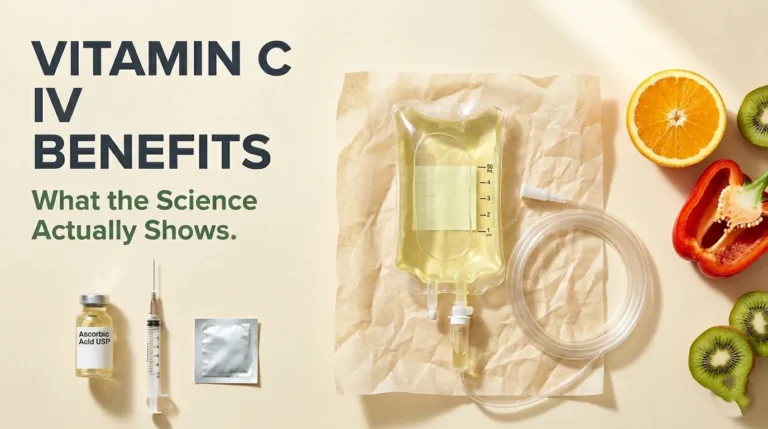
The IV placement itself is straightforward. A small catheter is inserted into a vein in your arm or hand, taped in place, and connected to a bag containing the vitamin C solution. The solution will be either clear or slightly yellow, depending on whether it is ascorbic acid or buffered sodium ascorbate. The infusion pump controls the flow rate. You sit in a recliner, read, listen to music, or close your eyes. The typical time for a 5- to 15-gram dose is 30 to 45 minutes. High-dose protocols of 50 grams or more may run 90 minutes or longer to protect the vein and prevent side effects from rapid administration.
After the infusion completes, the nurse removes the IV, places a small bandage over the site, and monitors you for 5 to 15 minutes to confirm you feel normal. Most people leave feeling the same as they arrived, or perhaps slightly more alert and hydrated. Some report an immediate subjective sense of clarity or energy. Whether this is a pharmacological effect of the vitamin C or a combination of the hydration volume and the relaxed environment is difficult to separate. Either way, you should feel well enough to drive yourself home and resume normal activities immediately.
- Arrive hydrated and have eaten a light meal or snack beforehand.
- The nurse or physician reviews your medical history and confirms screening labs are complete.
- IV catheter is placed in a peripheral vein; infusion pump is set to the prescribed rate.
- Infusion runs 30-45 minutes for wellness doses, 60-90 minutes for higher doses.
- You sit comfortably in a recliner during treatment.
- The IV is removed, the site bandaged, and you are monitored for 5-15 minutes before discharge.
- You can drive yourself home and resume normal activities immediately.
How Long Does Vitamin C Infusion Last
The effects of a vitamin C infusion last 6 to 24 hours at the plasma level, depending on the dose administered, with the vitamin distributing into tissues within the first few hours and renal clearance returning plasma levels to baseline typically within one day. The biological effects on collagen synthesis, immune cell function, and antioxidant capacity in tissues may persist beyond the time window when plasma levels are detectably elevated.
The pharmacokinetic half-life of intravenous vitamin C is approximately 2 hours in healthy kidneys. This means that 2 hours after the infusion completes, half the peak concentration remains in the blood. After 4 hours, one quarter remains. After 8 hours, about 6 percent remains. By 24 hours, plasma levels have essentially returned to baseline. This is the measured pharmacological time-course. The biological effect time-course, however, extends longer because the vitamin C that moved into tissues during the peak plasma window does not instantly disappear. It is used by cells, consumed in antioxidant reactions, and incorporated into enzyme reactions over the subsequent days.
The practical question most people care about is how long the subjective benefits last. If someone gets an infusion for energy, how many days of feeling better can they expect? The honest evidence-based answer is that there is no well-controlled study that has mapped subjective wellness scores onto a precise half-life curve. Anecdotally, integrative medicine clinicians report that patients notice benefits for 3 to 7 days after a standard 10- to 15-gram infusion, which informs the common recommendation of weekly to biweekly treatment schedules. This pattern is consistent with tissue consumption rates rather than plasma kinetics. It makes physiological sense. It simply has not been rigorously quantified in published research.
The duration question connects directly to treatment frequency decisions. If plasma vitamin C normalizes within a day but biological effects last about a week, a weekly infusion schedule is a reasonable maintenance approach. More frequent infusions would be appropriate for someone in an acute high-stress state. Less frequent infusions, every two to four weeks, may be adequate for general wellness maintenance in someone with good baseline nutritional status. These are clinical judgment calls made between a patient and their provider, informed by the treatment goal and the individual’s response.
Quick Tip:
- Plasma vitamin C peaks immediately post-infusion and returns to baseline within 24 hours.
- Tissue vitamin C levels remain elevated for 3 to 7 days as cells use the absorbed ascorbate.
- Subjective energy and wellness effects are commonly reported to last 3 to 7 days after a standard dose.
- Optimal treatment frequency depends on the therapeutic goal: acute support may require 2 to 3 times weekly, maintenance may be weekly to monthly.
- Individual variation is significant. Track your own response over time to identify your optimal schedule.
Key Takeaway: The IV vitamin C spike is gone from your blood within a day, but the tissue-level effects that matter for how you feel likely persist for about a week, which is why weekly infusions are the most common clinical recommendation.
Frequently Asked Questions About Vitamin C Infusion
What does a vitamin C infusion do for your body?
A vitamin C infusion delivers ascorbic acid directly into your bloodstream, bypassing intestinal absorption limits to achieve plasma concentrations 30 to 70 times higher than any oral dose can produce. At these levels, vitamin C saturates immune cells to enhance their pathogen-fighting capacity, provides the cofactor needed for collagen production in skin and connective tissue, and directly neutralizes oxidative stress throughout the body.
The specific effects depend on the dose: wellness doses (5-15 grams) support immune function, skin health, and energy production; high doses (50-100 grams) trigger a pro-oxidant mechanism under investigation for cancer adjunct therapy.
How often should you get vitamin C IV therapy?
The most common clinical recommendation is weekly to biweekly infusions for maintenance purposes, based on the observation that tissue-level effects last approximately 3 to 7 days after a standard 10- to 15-gram dose.
More frequent infusions, two to three times weekly, may be appropriate during acute illness recovery or periods of intense physiological stress.
The optimal frequency varies by individual and should be determined with a supervising physician who can track your response, adjust the dose as needed, and confirm that ongoing treatment is producing measurable benefit rather than continuing on autopilot.
Is vitamin C infusion better than taking vitamin C pills?
IV vitamin C infusion is pharmacokinetically superior to oral supplementation when the goal is achieving plasma vitamin C levels above 400 micromoles per liter, which is the ceiling oral absorption cannot exceed.
For preventing deficiency and maintaining general health, oral vitamin C at 90-120 mg daily works perfectly well and costs a fraction of the price.
The two delivery methods serve different purposes: oral for daily maintenance, IV for short-term therapeutic spikes that require supraphysiologic concentrations.
What are the negative side effects of vitamin C infusion?
Common side effects include mild vein irritation during infusion, temporary increased urination from the osmotic fluid shift, and thirst or dry mouth, all of which resolve within hours after treatment.
Serious side effects are rare but include hemolysis in people with undiagnosed G6PD deficiency, which is why pre-screening is mandatory, and increased oxalate load that could contribute to kidney stone formation in predisposed individuals.
Any clinic offering vitamin C infusion should require medical history review and G6PD testing before the first treatment.
Can vitamin C infusion help with cancer treatment?
High-dose IV vitamin C is under investigation as an adjunct cancer therapy based on its ability to generate hydrogen peroxide selectively toxic to certain cancer cells with low catalase enzyme activity, but the human evidence remains preliminary.
Clinical trials have shown safety and modest efficacy signals in specific cancer types, including pancreatic and ovarian cancers, when combined with standard chemotherapy.
The National Cancer Institute classifies the evidence as inconclusive for tumor response, and IV vitamin C should never replace standard cancer treatment or be pursued without oncologist coordination.
Who is not a candidate for IV vitamin C therapy?
People with G6PD deficiency, a history of calcium oxalate kidney stones, hemochromatosis, severe renal impairment (eGFR below 30 mL/min), or active pregnancy without obstetrician clearance should not receive IV vitamin C.
Each of these conditions creates a specific risk pathway that makes high plasma vitamin C potentially dangerous rather than therapeutic.
A proper pre-screening process that includes medical history, lab work, and physician review identifies these contraindications before treatment, which is why vitamin C infusion belongs in a clinical setting with medical oversight.
The decision to try a vitamin C infusion comes down to matching your specific goal to the evidence. If you want general health maintenance, your diet and a basic oral supplement cover the need. If you are depleted after illness, fighting oxidative stress that oral intake cannot correct fast enough, or looking to support skin collagen from the inside, the pharmacokinetic advantage of IV delivery becomes relevant. The evidence is clearest where the need is greatest.
Before you book, ask the clinic who will screen you, whether they require G6PD testing, and what dose they recommend for your specific situation. A responsible provider will welcome those questions and have clear answers. A provider who waves them off is not operating at the standard this therapy requires.
You now have the mechanism-level understanding to make that decision with your eyes open. The benefit is real. It is also dose-specific, time-limited, and not universally applicable. The science supports it best in the people who need it most, which is exactly how a targeted medical therapy should work.