Texas Superfoods Health Benefits Explained 2026
Texas superfoods health benefits are backed by real nutritional science, and the six foods covered in this article — pecans, prickly pear cactus, Ruby Red grapefruit, black-eyed peas, Texas olive oil, and Texas sweet onions — each contain specific bioactive compounds with documented effects on cardiovascular health, blood sugar regulation, and oxidative stress reduction. These are not marketing terms; they are foods with measurable nutrient profiles and, in several cases, clinical research behind them.
The Dietary Guidelines for Americans 2020-2025 emphasize plant-based eating patterns rich in fruits, vegetables, legumes, nuts, and healthy oils as the foundation of long-term health. Texas happens to grow or produce all of these in commercially significant quantities, and several of its native or regionally developed foods rank among the most nutritionally dense options in their respective food categories.
This article covers what each Texas superfood actually contains, which specific compounds drive its documented benefits, how strong the evidence is for each claim, where the science is still preliminary, and what safety considerations apply to specific health conditions and medications. You’ll walk away knowing exactly what to eat, why it works, and who should be careful.
Texas Superfoods Health Benefits: The Science Behind the Buzz
Texas superfoods health benefits are real, but they depend on which specific food you are eating, how much you eat, and which bioactive compounds your body can actually absorb from that food.
The word “superfood” does not appear in any official dietary guideline or regulatory definition from the FDA, the USDA, or the Academy of Nutrition and Dietetics. It is a marketing descriptor. What the term usefully signals, when applied accurately, is a food with an exceptionally high concentration of specific nutrients or bioactive compounds relative to its caloric load. By that standard, several Texas-grown foods genuinely earn the label.
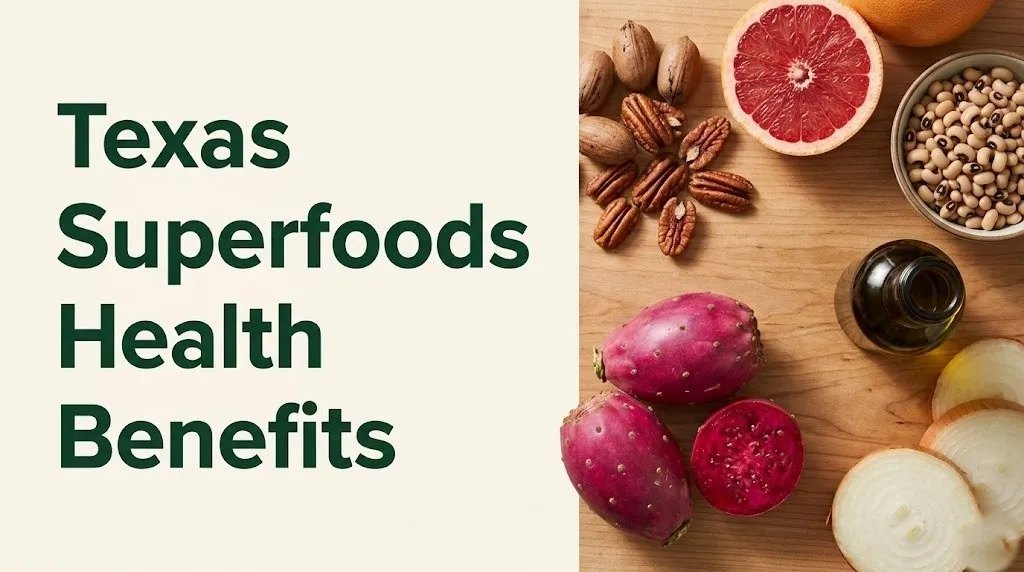
Texas is the largest agricultural producer in the continental United States by land area, and its climate supports a remarkable diversity of crops: pecan orchards in central and west Texas, prickly pear cactus across the Edwards Plateau, Ruby Red and Rio Star grapefruit in the Rio Grande Valley, black-eyed peas throughout East Texas, high-polyphenol olive orchards in the Hill Country, and sweet onions in the sandy soils of South Texas. Each of these environments produces foods with distinct nutritional fingerprints.
The key to understanding Texas superfoods is moving past general claims like “rich in antioxidants” to asking: which antioxidants, at what amounts per serving, with what documented effect on which body system, and what does the research quality actually look like?
Key Facts on Texas Superfood Research:
- Most benefit claims for Texas superfoods are supported by a combination of in vitro studies, animal model research, and a smaller number of human clinical trials
- The strongest human clinical evidence exists for pecan consumption and LDL cholesterol reduction, and for grapefruit flavonoids and lipid metabolism
- Prickly pear and blood sugar effects have emerging human trial support but require more large-scale randomized controlled trials
- Olive oil (including Texas-produced) has the most extensive human clinical research base of any food in this group, largely from Mediterranean diet trials
What Makes a Food a Superfood
A food qualifies as a nutritional standout when it delivers a high concentration of health-relevant compounds per serving relative to its total caloric load, and when those compounds have documented biological activity in the human body.
No regulatory body has defined “superfood” with legal precision. The Academy of Nutrition and Dietetics has explicitly noted that the term is not a scientific classification. What nutrition researchers actually measure are antioxidant capacity, polyphenol content, specific vitamin and mineral concentrations, dietary fiber amounts, and the demonstrated effects of these components in controlled studies.
A genuinely valuable way to evaluate any food’s superfood claim is to apply three questions. First: does it contain specific named compounds with documented biological activity? Second: is there human clinical evidence, not just cell culture or animal model data, supporting a meaningful health effect? Third: does the amount found in a realistic serving actually deliver a therapeutically relevant dose?
By these three standards, Texas-grown pecans, prickly pear, Ruby Red grapefruit, and Texas olive oil all make a credible case. Black-eyed peas and Texas sweet onions make a strong case primarily on fiber, folate, and flavonoid content rather than single breakthrough compounds.
| Evaluation Criterion | Pecans | Prickly Pear | Ruby Red Grapefruit | Black-Eyed Peas | Texas Olive Oil |
|---|---|---|---|---|---|
| Named bioactive compounds | Yes (ellagitannins) | Yes (betalains) | Yes (naringenin, lycopene) | Moderate (flavonoids, folate) | Yes (oleocanthal, oleuropein) |
| Human clinical trial support | Yes | Emerging | Yes | Yes (fiber/CVD) | Strong |
| Meaningful dose per serving | Yes | Yes | Yes | Yes | Yes |
| Overall evidence strength | Moderate-Strong | Moderate | Moderate-Strong | Moderate | Strong |
Healthiest Foods Grown in Texas
The healthiest foods grown in Texas span six distinct food categories: tree nuts, cactus fruit, citrus, legumes, culinary oils, and allium vegetables.
The USDA FoodData Central database documents the nutritional profiles of all six foods discussed in this article. Texas is the only U.S. state where all six can be commercially produced within its own borders, which makes this a uniquely regional nutritional story with national relevance.
Texas pecans (Carya illinoinensis) are the state’s official native tree nut and are commercially grown across 70 counties. Prickly pear cactus (Opuntia ficus-indica) is both a wild and cultivated plant across the Edwards Plateau and South Texas. Ruby Red grapefruit, developed through a natural mutation discovered in a Weslaco, Texas orchard in 1929, is grown almost exclusively in the Rio Grande Valley. Black-eyed peas (Vigna unguiculata) are a staple legume crop of East Texas. Olive oil production has expanded rapidly in the Texas Hill Country, with Texas-grown oil often tested at higher polyphenol concentrations than many imported varieties. The Texas 1015 sweet onion, developed by Texas A&M AgriLife Research, is one of the lowest-pungency, highest-sugar onion varieties in U.S. commerce.
Together, these six foods cover every major macronutrient role: healthy fats (pecans, olive oil), complex carbohydrates and fiber (black-eyed peas, prickly pear), lean plant protein (black-eyed peas), vitamins C and E and folate (grapefruit, sweet onions, black-eyed peas), and a remarkably diverse polyphenol array.
Key Takeaway: Texas superfoods health benefits are driven by specific named compounds — not vague “antioxidant” claims — and the strongest overall evidence base belongs to pecans for LDL cholesterol reduction and Texas olive oil for cardiovascular and anti-inflammatory effects.
Pecan Health Benefits
Pecans deliver documented cardiovascular benefits primarily through their ellagitannin content, their high monounsaturated fat profile, and their manganese concentration, with the strongest human clinical support coming from lipid panel improvements.
Pecans are among the highest antioxidant-capacity nuts measured by the USDA. The specific compounds responsible are ellagitannins — a class of polyphenols that the gut microbiota converts to urolithins, which have demonstrated anti-inflammatory and antioxidative activity in cell and animal studies. The conversion efficiency varies significantly between individuals based on their unique gut microbiome composition, which means the actual benefit from ellagitannins differs from person to person.
A study published in the Journal of Nutrition found that consuming approximately 1.5 ounces (42 grams) of pecans per day for eight weeks produced a statistically measurable reduction in LDL cholesterol and total cholesterol in adults with elevated lipid levels. The mechanism involves pecan’s oleic acid content (a monounsaturated fatty acid also found in olive oil), which replaces saturated fat in the diet and reduces LDL particle oxidation.
Per 1 ounce (28g) serving, pecans provide:
| Nutrient | Amount per 1 oz (28g) | % Daily Value |
|---|---|---|
| Calories | 196 kcal | — |
| Total fat | 20.4g | 26% |
| Monounsaturated fat | 11.6g | — |
| Dietary fiber | 2.7g | 10% |
| Protein | 2.6g | 5% |
| Manganese | 1.3mg | 57% |
| Copper | 0.3mg | 35% |
| Magnesium | 34mg | 8% |
| Vitamin E (tocopherol) | 0.4mg | 3% |
| Zinc | 1.3mg | 12% |
People with tree nut allergies must avoid pecans entirely. The FDA classifies tree nuts as one of the nine major food allergens under the Food Allergen Labeling and Consumer Protection Act. Even small exposures can trigger severe allergic reactions in sensitized individuals. If you have a known nut allergy, discuss safe alternatives with an allergist before adding any nut-based foods to your diet.
Prickly Pear Cactus Health Benefits
Prickly pear cactus (Opuntia ficus-indica) delivers health benefits primarily through its betalain pigments — a unique class of water-soluble antioxidants not found in most other fruits — along with meaningful amounts of dietary fiber, magnesium, and potassium.
Betalains are the compounds that give prickly pear its deep magenta-red color. They exist in two subclasses: betacyanins (red-violet pigments) and betaxanthins (yellow-orange pigments). Both subclasses have demonstrated antioxidant and anti-inflammatory activity in human cell studies, and betacyanins in particular have shown the ability to reduce lipid peroxidation — a process where free radicals damage LDL cholesterol particles, making them more likely to contribute to arterial plaque formation.
A review published in the journal Nutrients (2020) summarized several small human trials in which prickly pear consumption was associated with reductions in fasting blood glucose and improvements in insulin sensitivity in adults with type 2 diabetes or metabolic syndrome. The proposed mechanism involves the fruit’s high soluble fiber content slowing gastric emptying and glucose absorption, combined with potential direct effects of betalains on glucose transporter activity. Evidence quality: moderate. Larger randomized controlled trials are still needed.
Per 100g of raw prickly pear fruit:
| Nutrient | Amount | % Daily Value |
|---|---|---|
| Calories | 41 kcal | — |
| Dietary fiber | 3.6g | 13% |
| Vitamin C (ascorbic acid) | 14mg | 16% |
| Magnesium | 85mg | 20% |
| Potassium | 220mg | 5% |
| Calcium | 56mg | 4% |
| Betalains | Approximately 40 to 100mg | No DV established |
People taking hypoglycemic medications (including metformin, glipizide, or insulin) should discuss prickly pear consumption with a physician, as the combined blood glucose-lowering effect could push glucose levels lower than intended. Individuals with chronic kidney disease should also be cautious given the fruit’s potassium content, as impaired kidneys may struggle to excrete excess potassium.
Ruby Red Grapefruit Health Benefits
Ruby Red grapefruit (Citrus paradisi) offers health benefits anchored in three specific compounds: naringenin (a flavanone with lipid-lowering and anti-inflammatory properties), lycopene (a carotenoid with antioxidant activity), and vitamin C (ascorbic acid), with meaningful clinical research supporting effects on LDL cholesterol and oxidative stress markers.
Naringenin is the aglycone form of naringin, the flavonoid responsible for grapefruit’s characteristic bitter taste. Research published in the American Journal of Clinical Nutrition has associated naringenin consumption with reduced LDL cholesterol and reduced triglycerides through its effect on hepatic lipid metabolism — specifically, naringenin appears to inhibit VLDL secretion from the liver, which reduces circulating triglycerides and their downstream conversion to LDL particles.
Ruby Red and Rio Star grapefruit varieties contain substantially more lycopene than white grapefruit varieties — approximately 1,419 to 3,362 micrograms per 100g, according to the USDA FoodData Central database. Lycopene is a carotenoid antioxidant that has been studied for its association with reduced risk of cardiovascular disease and prostate cancer in observational research, though causation has not been established in randomized controlled trials.
Per half medium Ruby Red grapefruit (154g):
| Nutrient | Amount | % Daily Value |
|---|---|---|
| Calories | 52 kcal | — |
| Vitamin C (ascorbic acid) | 38mg | 42% |
| Dietary fiber | 2g | 7% |
| Potassium | 166mg | 4% |
| Folate | 12mcg | 3% |
| Lycopene | Approximately 2,200mcg | No DV established |
| Naringenin | Approximately 15 to 40mg | No DV established |
Blood oranges (Citrus sinensis) provide a viable alternative for people who cannot eat grapefruit due to medication interactions. They deliver vitamin C, anthocyanins, and hesperidin without the furanocoumarin content that causes grapefruit’s enzyme-inhibiting drug interactions.
Key Takeaway: Prickly pear’s betalains and Ruby Red grapefruit’s naringenin are among the most chemically distinctive compounds in any Texas superfood — neither is found in significant amounts in commonly eaten U.S. fruits, which makes these two foods worth including specifically for their unique bioactive profiles rather than as generic vitamin C sources.
Black-Eyed Peas Health Benefits
Black-eyed peas (Vigna unguiculata) deliver health benefits primarily through their high dietary fiber content, their folate (vitamin B9) concentration, their plant-based protein, and their supply of potassium, magnesium, and iron — making them one of the most nutritionally complete legumes in the Texas food tradition.
The Dietary Guidelines for Americans 2020-2025 identify legumes as one of the key foods underconsumed by most American adults, specifically noting their role in increasing dietary fiber and potassium — two nutrients identified as public health concerns because typical U.S. diets fall well below recommended intakes. A single half-cup serving of cooked black-eyed peas provides 5.6 grams of dietary fiber (22% of the daily value for women, 15% for men) and 105 micrograms of dietary folate equivalents (26% of the adult daily value).
Folate plays a central role in one-carbon metabolism, the biochemical pathway responsible for DNA synthesis, repair, and methylation. Adequate folate intake is associated with reduced plasma homocysteine levels, and elevated homocysteine is a documented independent risk factor for cardiovascular disease, according to research reviewed in the American Journal of Clinical Nutrition. Evidence quality for the folate-homocysteine-cardiovascular link: well-established in observational and intervention research.
Per 1/2 cup cooked black-eyed peas (86g):
| Nutrient | Amount | % Daily Value |
|---|---|---|
| Calories | 100 kcal | — |
| Protein | 6.7g | 13% |
| Dietary fiber | 5.6g | 20% |
| Folate (B9) | 105mcg DFE | 26% |
| Potassium | 239mg | 5% |
| Magnesium | 46mg | 11% |
| Iron | 2.2mg | 12% |
| Zinc | 1.3mg | 12% |
People with chronic kidney disease who need to limit potassium or phosphorus intake should work with a registered dietitian who specializes in renal nutrition before significantly increasing legume consumption, as both minerals are present in meaningful amounts per serving. Individuals with the MTHFR gene variant may absorb dietary folate less efficiently and could benefit from a physician’s guidance on whether supplemental methylfolate (5-methyltetrahydrofolate) is appropriate alongside dietary sources.
Texas Olive Oil Health Benefits
Texas-produced olive oil delivers health benefits through its high oleic acid content (a monounsaturated fatty acid), its oleocanthal concentration (a phenolic compound with COX-inhibiting anti-inflammatory activity), and its oleuropein content (a secoiridoid with antioxidant and antihypertensive properties documented in clinical research).
Texas Hill Country olive oil has been measured in independent laboratory analyses at polyphenol concentrations exceeding 400mg per kilogram, placing many Texas-produced oils in the “high polyphenol” category by standards used in Mediterranean diet research. Polyphenol concentration in olive oil declines with heat, light exposure, and age, which is why storage and freshness matter as much as origin.
Oleocanthal is the compound responsible for the characteristic throat-burn sensation of high-quality extra virgin olive oil. Research published in Nature (2005, Beauchamp et al.) identified oleocanthal as a natural phenolic compound that inhibits cyclooxygenase (COX-1 and COX-2) enzymes — the same enzymes targeted by ibuprofen. This COX inhibition reduces the production of prostaglandins, which are signaling molecules involved in the inflammatory cascade. Evidence quality: strong mechanistic evidence in vitro; human trial data for oleocanthal specifically is still accumulating.
Per 1 tablespoon (14g) Texas extra virgin olive oil:
| Nutrient | Amount | % Daily Value |
|---|---|---|
| Calories | 119 kcal | — |
| Total fat | 13.5g | 17% |
| Monounsaturated fat (oleic acid) | 9.8g | — |
| Saturated fat | 1.9g | 10% |
| Vitamin E (tocopherol) | 1.9mg | 13% |
| Vitamin K (phylloquinone) | 8.1mcg | 7% |
| Oleocanthal | Varies: 50 to 250mg/kg oil | No DV established |
People taking warfarin (an anticoagulant) should be aware that olive oil’s vitamin K (phylloquinone) content can affect INR stability if consumption changes dramatically. Consistent rather than variable intake is the practical guidance. A physician managing anticoagulation therapy or a clinical pharmacist can advise on the appropriate daily olive oil intake within an anticoagulation management plan.
Key Takeaway: Texas olive oil’s oleocanthal content gives it a specific anti-inflammatory mechanism that goes beyond generic “healthy fat” claims — but polyphenol content varies significantly between brands, so looking for certified extra virgin oils with a harvest date (not just a best-by date) is the practical step that actually matters.
Texas Sweet Onion Health Benefits
Texas 1015 sweet onions (Allium cepa) offer health benefits anchored primarily in their quercetin and kaempferol content — two flavonols with documented antioxidant and anti-inflammatory activity — along with a modest but consistent contribution of vitamin C, dietary fiber, and prebiotic fructooligosaccharides that feed beneficial gut bacteria.
Quercetin is one of the most studied dietary flavonoids. Research published in the British Journal of Nutrition has associated quercetin intake with reduced markers of systemic inflammation, including C-reactive protein (CRP) and interleukin-6 (IL-6), in adults with cardiovascular risk factors. The proposed mechanism involves quercetin’s inhibition of NF-kB signaling, a transcription factor that drives the expression of inflammatory genes. Evidence quality: moderate. Human trial data shows directional effects on inflammatory markers, but the magnitude varies based on dose and baseline inflammatory status.
Texas 1015 sweet onions are lower in pungency than yellow or white storage onions due to their reduced organosulfur compound concentration, which also means they have a slightly lower total quercetin content than more pungent varieties. The trade-off is palatability: people who would otherwise avoid raw onions can consume 1015 onions raw in salads or salsas, which preserves heat-sensitive quercetin better than cooking does.
Per 1/2 cup raw Texas 1015 sweet onion (80g):
- Calories: 32 kcal
- Dietary fiber: 1.4g
- Vitamin C (ascorbic acid): 5.6mg (6% DV)
- Quercetin: approximately 4 to 8mg (varies by growing conditions)
- Kaempferol: approximately 0.5 to 1.5mg
- Folate: 12mcg (3% DV)
- Potassium: 112mg (2% DV)
Individuals taking quinolone antibiotics (such as ciprofloxacin) should note that high-dose quercetin supplementation has shown potential inhibition of CYP1A2 enzyme activity, which could theoretically affect drug clearance. This concern applies primarily to concentrated quercetin supplements, not the amounts found in a typical serving of sweet onions, but people on long-term antibiotic regimens should mention quercetin supplement use to their prescribing physician.
Antioxidants and Bioactive Compounds in Texas Superfoods
Texas superfoods contain six distinct classes of bioactive compounds, each working through a different biochemical mechanism, which means combining these foods in a diet provides broader antioxidant coverage than any single food can deliver alone.
Think of these bioactive compounds like a security team where each member covers a different sector. Betalains in prickly pear patrol the lipid oxidation corridor. Naringenin in grapefruit monitors hepatic lipid metabolism. Ellagitannins in pecans — once converted to urolithins by gut bacteria — handle inflammatory signaling. Oleocanthal in Texas olive oil directly blocks the COX enzyme pathway. Quercetin in sweet onions suppresses NF-kB, the master switch for inflammatory gene expression. No single compound covers all of these pathways, which is exactly why dietary diversity across these foods matters more than eating any one of them in large amounts.
| Compound | Food Source | Mechanism | Evidence Level |
|---|---|---|---|
| Ellagitannins / Urolithins | Pecans | Gut-converted anti-inflammatory; LDL oxidation reduction | Moderate (human trials) |
| Betalains (betacyanin, betaxanthin) | Prickly pear | Lipid peroxidation inhibition; antioxidant activity | Moderate (small human trials) |
| Naringenin / Naringin | Ruby Red grapefruit | Hepatic lipid metabolism; VLDL secretion inhibition | Moderate-Strong (human trials) |
| Lycopene | Ruby Red grapefruit | Carotenoid antioxidant; lipid peroxidation reduction | Moderate (observational) |
| Oleocanthal / Oleuropein | Texas olive oil | COX-1 and COX-2 inhibition; antihypertensive effects | Strong (mechanistic + human) |
| Quercetin / Kaempferol | Sweet onions | NF-kB inhibition; CRP reduction | Moderate (human trials) |
Bioavailability matters as much as concentration. Lycopene from Ruby Red grapefruit absorbs better when eaten with a fat-containing food, because lycopene is a fat-soluble carotenoid. Eating half a Ruby Red grapefruit alongside a handful of pecans or a salad dressed with Texas olive oil is not just aesthetically sensible — it is biochemically strategic.
Texas Superfoods for Heart Health
Texas superfoods contribute to heart health through four distinct mechanisms: LDL cholesterol reduction, triglyceride lowering, reduction of oxidative stress on arterial walls, and anti-inflammatory effects on vascular endothelium.
The American Heart Association recommends a dietary pattern that emphasizes fruits, vegetables, whole grains, legumes, and unsaturated fats, and limits saturated fat, trans fat, sodium, and added sugar. All six Texas superfoods discussed in this article align with that recommendation, and several have specific documented effects on lipid panels.
Pecans, in a controlled clinical trial published in the Journal of Nutrition, reduced LDL cholesterol by approximately 6 to 10% in adults who replaced saturated fat-containing snacks with a 1.5-ounce daily pecan serving over eight weeks. Texas olive oil’s oleic acid, when substituted for saturated fat in the diet, consistently reduces LDL cholesterol and reduces LDL oxidation in human trials. Ruby Red grapefruit’s naringenin has shown triglyceride-lowering effects in human studies by reducing VLDL output from the liver. Black-eyed peas’ soluble fiber forms a gel in the digestive tract that binds bile acids — which are made from cholesterol — and carries them out of the body, effectively lowering LDL through increased cholesterol clearance.
Heart Health Benefits by Texas Superfood:
- Pecans: LDL cholesterol reduction via oleic acid and ellagitannin-derived urolithins; evidence level: moderate-strong (human clinical trials)
- Texas olive oil: LDL reduction and COX inhibition reducing vascular inflammation; evidence level: strong (multiple randomized controlled trials including PREDIMED study)
- Ruby Red grapefruit: triglyceride and LDL reduction via naringenin’s hepatic lipid effects; evidence level: moderate (human trials)
- Black-eyed peas: LDL reduction via soluble fiber binding of bile acids; evidence level: strong for soluble fiber mechanism (well-established)
- Prickly pear: preliminary evidence for reduced LDL and triglycerides; evidence level: emerging (small human trials only)
- Texas sweet onions: quercetin associated with reduced CRP and improved endothelial function; evidence level: moderate (human trials with variable results)
Key Takeaway: For heart health specifically, the combination of Texas olive oil (COX inhibition and LDL reduction), pecans (LDL oxidation reduction), and black-eyed peas (bile acid binding and fiber-driven LDL clearance) represents the strongest evidence-supported trio in the Texas superfood group.
Texas Superfoods for Blood Sugar Management
Texas superfoods support blood sugar management through two primary mechanisms: slowing the rate of glucose absorption into the bloodstream, and improving insulin sensitivity through specific bioactive compounds.
Dietary fiber is the most consistently documented nutrient for blunting post-meal blood glucose spikes. Black-eyed peas provide 5.6 grams of fiber per half-cup cooked serving, including both soluble and insoluble types. Soluble fiber forms a viscous gel that slows gastric emptying and reduces the speed at which digested carbohydrates reach the small intestine, smoothing the glucose curve after meals. The Academy of Nutrition and Dietetics identifies legumes as one of the highest-priority foods for blood sugar management in its dietary guidance for people with type 2 diabetes.
Prickly pear cactus shows perhaps the most intriguing blood sugar effects of any Texas superfood. A review in Nutrients (2020) summarized multiple small human trials in which prickly pear fruit or cactus paddle (nopal) consumption was associated with reduced fasting blood glucose and improved insulin response in adults with type 2 diabetes or prediabetes. The proposed mechanisms include both the fruit’s high pectin content (a soluble fiber) and possible direct activity of betalain compounds on glucose transport.
Blood Sugar Effects by Texas Superfood:
- Black-eyed peas: soluble fiber slows glucose absorption; glycemic index approximately 33 (low); evidence level: strong
- Prickly pear: pectin and betalains associated with reduced fasting glucose; evidence level: moderate (small human trials)
- Texas olive oil: monounsaturated fat replacement of refined carbohydrates lowers glycemic load of meals; evidence level: strong
- Ruby Red grapefruit: naringenin has shown improvement in insulin resistance markers in animal models; human evidence: emerging
- Pecans: low glycemic index; fat and fiber content slows glucose absorption; evidence level: moderate
- Texas sweet onions: quercetin may improve insulin sensitivity via AMPK activation; human evidence: preliminary
People taking sulfonylureas, meglitinides, or insulin for blood sugar management who significantly increase their intake of prickly pear or black-eyed peas should work with a physician or certified diabetes care and education specialist to monitor glucose levels and adjust medication dosing if needed, as the combined glucose-lowering effect could cause hypoglycemia.
Texas Superfoods for Weight Management
Texas superfoods support weight management by providing high satiety per calorie, reducing appetite-driving blood sugar swings, and delivering dietary fiber that slows digestion and prolongs the sensation of fullness.
Weight management is not about any single food. The mechanism by which Texas superfoods contribute is through their cumulative effect on caloric density, satiety signaling, and dietary fiber intake. Foods that are high in fiber and protein relative to their calorie content help regulate appetite by slowing gastric emptying and stimulating the release of satiety hormones including peptide YY (PYY) and glucagon-like peptide-1 (GLP-1).
Black-eyed peas are particularly effective in this role. At 100 calories per half-cup cooked serving with 6.7 grams of protein and 5.6 grams of fiber, they deliver a satiety-to-calorie ratio that few other foods match. A research review in the American Journal of Clinical Nutrition found that replacing refined carbohydrate servings with equivalent calorie amounts of legumes reduced overall caloric intake and improved satiety scores in weight management trials.
Pecans seem counterintuitive for weight management given their 196-calorie-per-ounce profile, but several studies suggest that a meaningful portion of pecan fat is not fully absorbed due to the physical structure of pecan cell walls. Research published in the Journal of Nutrition found that the metabolizable energy from whole pecans was approximately 20% lower than the calculated calorie count, suggesting that calorie calculators may overestimate pecan calories in practice.
Satiety and Weight Management Profile by Texas Superfood:
- Black-eyed peas: high protein (6.7g) + high fiber (5.6g) per 100 calories = strong satiety per calorie
- Pecans: high fat and fiber delay gastric emptying; some fat not fully absorbed; evidence of reduced actual caloric yield
- Texas olive oil: oleic acid stimulates production of oleoylethanolamide (OEA), a lipid signal that promotes satiety
- Prickly pear: low caloric density (41 kcal per 100g) with high water and fiber content; practical appetite buffer
- Ruby Red grapefruit: 52 kcal per half fruit with 2g fiber and high water content; low energy density
- Texas sweet onions: 32 kcal per half cup; high water content; prebiotic fructooligosaccharides feed satiety-supporting gut bacteria
Key Takeaway: For weight management, black-eyed peas and prickly pear deliver the best satiety-to-calorie ratio of any Texas superfood — not because of any exotic compound, but because of their combination of fiber, water content, and protein that genuinely reduces appetite between meals.
How to Eat Texas Superfoods Daily
Incorporating Texas superfoods into a daily eating pattern requires no specialty products, no complicated preparation, and no dramatic dietary overhaul — the practical goal is regular, moderate inclusion of these specific foods across the week.
Here is a structured daily and weekly framework:
- Morning: Add 1 ounce (28g) of pecans to breakfast — stirred into oatmeal, eaten alongside eggs, or added to plain yogurt. This delivers 2.7g of fiber, 1.3mg of manganese, and a meaningful ellagitannin dose before your day begins.
- Midday: Use 1 tablespoon of Texas extra virgin olive oil as your primary cooking fat or salad dressing base for lunch. Look for bottles marked “extra virgin” with a harvest date (not just a best-by date) to ensure higher oleocanthal and polyphenol content.
- Lunch or dinner: Include a half-cup serving of black-eyed peas three to four times per week. They work in soups, grain bowls, salads, and Texas-style cowboy caviar (a no-cook relish with black-eyed peas, sweet onion, jalapeño, and olive oil).
- Afternoon snack or breakfast side: Eat half a Ruby Red grapefruit two to three times per week. Pair it with a small handful of pecans to improve lycopene absorption from the grapefruit’s fat-soluble carotenoids.
- Weekly: Seek out fresh or jarred prickly pear fruit, prickly pear juice (no added sugar), or fresh nopal cactus paddles at Mexican grocery stores or farmers markets. Include two to three servings per week.
- Daily: Slice or dice Texas 1015 sweet onions raw into salsas, salads, or on top of grilled fish or chicken. Raw preparation preserves quercetin better than high-heat cooking, which degrades heat-sensitive flavonoids.
- Label check for olive oil: Look for USDA certified extra virgin, a harvest or pressing date within the past 18 months, and storage in a dark glass bottle or tin. These are the three practical markers of a polyphenol-rich oil.
Safety Considerations and Drug Interactions
The most clinically important safety consideration for any Texas superfood is Ruby Red grapefruit’s interaction with over 85 medications through its inhibition of the CYP3A4 metabolic enzyme, a drug-processing enzyme found in the liver and the wall of the small intestine.
Furanocoumarins are the compounds in grapefruit responsible for this interaction. They irreversibly inhibit CYP3A4, meaning the enzyme cannot recover until the body synthesizes new enzyme molecules — a process that takes 24 to 72 hours. Because CYP3A4 breaks down many medications before they fully enter circulation, inhibiting it causes drug blood levels to rise, sometimes to levels that produce toxicity.
Drug classes affected by grapefruit furanocoumarin interaction:
- Statins: atorvastatin, simvastatin, lovastatin (but NOT pravastatin or rosuvastatin, which do not use CYP3A4)
- Calcium channel blockers: felodipine, nifedipine, amlodipine (for blood pressure and angina)
- Immunosuppressants: cyclosporine, tacrolimus (used after organ transplants)
- Psychiatric medications: buspirone, certain benzodiazepines, some antidepressants
- Antiretrovirals: certain HIV medications
If you take any of these drug classes, discuss grapefruit consumption with the physician who prescribes your medication or a clinical pharmacist before eating Ruby Red grapefruit regularly. Blood orange is a safe substitute that does not contain furanocoumarins.
Additional safety notes for other Texas superfoods:
- Prickly pear can lower blood glucose; use with caution alongside diabetes medications
- Pecans are a major tree nut allergen; complete avoidance required for sensitized individuals
- Black-eyed peas are high in potassium and phosphorus; people with chronic kidney disease should consult a renal dietitian
- Texas olive oil contains vitamin K (phylloquinone); consistent daily intake (not sudden large increases) is advisable for people on warfarin therapy
Key Takeaway: Grapefruit’s CYP3A4 drug interaction is not a minor footnote — it is a clinically real and potentially serious issue for anyone on statins, blood pressure medications, or immunosuppressants, and it applies to both fresh grapefruit and grapefruit juice.
Who Benefits Most from Texas Superfoods
Adults with cardiovascular risk factors, people managing blood sugar, older adults seeking anti-inflammatory dietary support, and anyone whose current diet falls short on fiber and plant-based variety stand to benefit most from adding Texas superfoods to their eating pattern.
More specifically, the research support is strongest for these groups:
| Population Group | Most Relevant Texas Superfood(s) | Documented Benefit | Evidence Level |
|---|---|---|---|
| Adults with elevated LDL cholesterol | Pecans, Texas olive oil, black-eyed peas | LDL reduction, bile acid binding, LDL oxidation reduction | Moderate-Strong |
| Adults with type 2 diabetes or prediabetes | Prickly pear, black-eyed peas, Texas olive oil | Blood glucose moderation, insulin sensitivity | Moderate |
| Adults with metabolic syndrome | All six Texas superfoods combined | Lipid improvement, glucose moderation, anti-inflammatory effects | Moderate |
| People managing body weight | Black-eyed peas, prickly pear, Ruby Red grapefruit | High satiety per calorie, fiber-driven appetite regulation | Moderate |
| Older adults (65+) | Texas olive oil, pecans, sweet onions | Anti-inflammatory effects; brain health associations in olive oil research | Moderate |
| Pregnant individuals | Black-eyed peas (folate), Texas olive oil (vitamin E), Ruby Red grapefruit (vitamin C) | Folate for neural tube development; antioxidant support | Strong for folate specifically |
| People on plant-based diets | Black-eyed peas, pecans, Texas olive oil | Complete amino acid complementarity with grains; plant iron and zinc; healthy fat | Moderate-Strong |
Groups who should be particularly careful or should discuss these foods with a relevant healthcare provider first:
- People taking statins, calcium channel blockers, or immunosuppressants (grapefruit interaction; discuss with prescribing physician or clinical pharmacist)
- People on warfarin anticoagulation therapy (olive oil’s vitamin K content; discuss with anticoagulation clinic or prescribing physician)
- People with diagnosed tree nut allergies (pecans; consult with an allergist)
- People with chronic kidney disease stage 3 or higher (potassium in black-eyed peas and prickly pear; consult with a renal registered dietitian)
- People with type 1 or type 2 diabetes on insulin or secretagogue medications (prickly pear blood glucose effects; consult with an endocrinologist or certified diabetes care and education specialist)
Frequently Asked Questions About Texas Superfoods Health Benefits
What are the best superfoods grown in Texas?
The best superfoods grown in Texas are pecans, prickly pear cactus, Ruby Red grapefruit, black-eyed peas, Hill Country olive oil, and Texas 1015 sweet onions, each with distinct documented bioactive compounds and health effects.
These foods cover a wide range of nutrients, including ellagitannins, betalains, naringenin, oleocanthal, folate, and quercetin, which work through different biological mechanisms.
No single Texas superfood delivers all benefits; eating a variety across the week provides the broadest nutritional coverage.
Is prickly pear cactus actually good for you?
Prickly pear cactus is genuinely nutritious, containing betalain antioxidants, dietary fiber, magnesium, and potassium in amounts meaningful per serving.
Small human trials reviewed in the journal Nutrients suggest it may help moderate blood glucose and reduce inflammatory markers, particularly in people with metabolic syndrome.
The evidence is promising but not yet definitive; larger randomized controlled trials are still needed before strong clinical recommendations can be made.
Are pecans really healthy or are they too high in fat?
Pecans are high in fat, but approximately 57% of that fat is monounsaturated oleic acid, the same heart-healthy fat found in olive oil, which is associated with LDL cholesterol reduction rather than elevation.
A study published in the Journal of Nutrition found that eating 1.5 ounces of pecans daily for eight weeks reduced LDL cholesterol in adults with elevated lipid levels.
Research also suggests that the calorie yield from whole pecans may be approximately 20% lower than calculated values due to incomplete fat absorption from the nut’s intact cell structure.
Can I eat Ruby Red grapefruit if I take medication?
Ruby Red grapefruit contains furanocoumarins that irreversibly inhibit the CYP3A4 enzyme, which is responsible for metabolizing over 85 medications including several statins, blood pressure drugs, and immunosuppressants.
If you take atorvastatin, simvastatin, felodipine, cyclosporine, or similar medications, you should discuss grapefruit consumption specifically with the physician who manages your prescription or a clinical pharmacist before eating it regularly.
Blood orange is a safe alternative that provides vitamin C and flavonoids without furanocoumarin content.
How many pecans should I eat per day to get health benefits?
The amount used in clinical research that produced LDL cholesterol reductions is approximately 1 to 1.5 ounces (28 to 42 grams) per day, which equals roughly 15 to 20 pecan halves.
This serving size fits within the Academy of Nutrition and Dietetics’ guidance on nut consumption as part of a heart-healthy dietary pattern.
People with tree nut allergies must avoid pecans entirely regardless of serving size; a board-certified allergist can help identify safe nut alternatives.
Are black-eyed peas considered a superfood?
Black-eyed peas qualify as a nutritional standout because they deliver exceptional amounts of dietary fiber, folate, plant-based protein, potassium, and magnesium relative to their calorie content.
The Dietary Guidelines for Americans 2020-2025 identify legumes as one of the most underconsumed food groups in American diets, specifically for their fiber and potassium contributions.
While they lack a single breakthrough bioactive compound like betalains or naringenin, their overall nutrient density makes them one of the most cost-effective and evidence-supported foods in the Texas superfood group.
The real value of Texas superfoods lies not in any single food’s miracle compound, but in what happens when you eat several of them regularly. Pecans replacing a bag of chips, black-eyed peas replacing refined carbohydrates, Texas olive oil replacing butter, and prickly pear as an occasional addition to a smoothie or salad — these are not dramatic interventions. They are small, consistent substitutions that the available research genuinely supports.
Start with the two that fit most naturally into how you already eat. Add a third after two to three weeks. Check the safety notes relevant to any medications you take. That practical sequence — informed choice, gradual inclusion, safety awareness — is what separates eating with real nutritional intention from chasing whatever the next superfood headline says.
You now have the specific compounds, the serving sizes, the evidence quality ratings, and the safety information to make those choices accurately.