Anti-Inflammatory Eating, Island Style: Poke, ʻUlu, Greens, and More
When people hear the phrase “anti-inflammatory diet,” they often picture expensive superfood powders, imported berries, or complicated meal plans. Here in Hawaii, some of the most powerful anti-inflammatory foods are already growing in backyards, sold at farmers markets, and served at family gatherings.
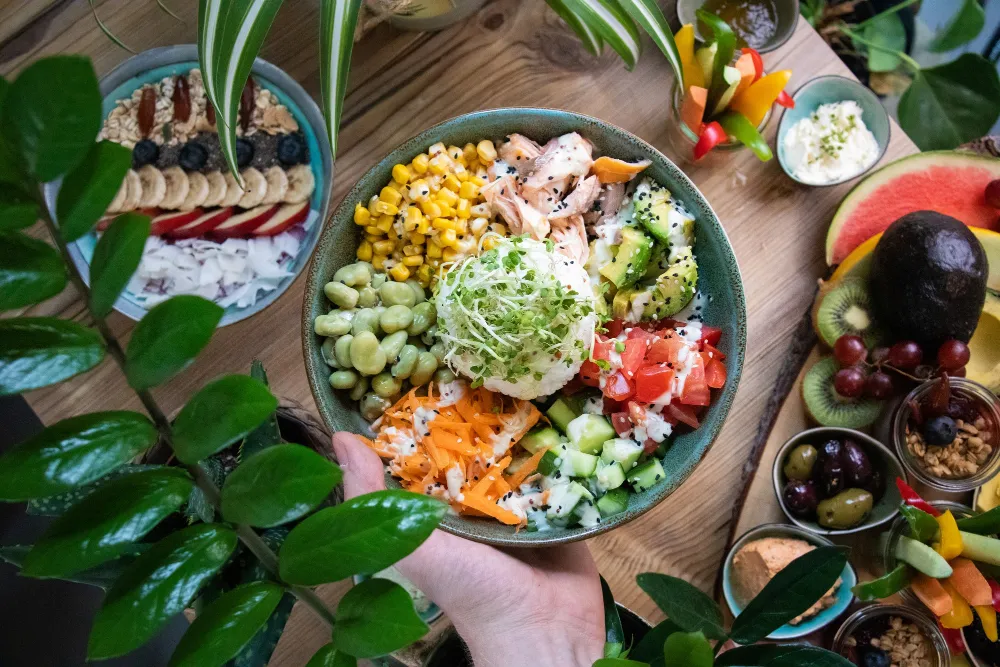
Traditional island foods such as fresh fish, kalo, ʻulu, sweet potato, and leafy greens fit beautifully into an eating style that helps calm inflammation and support long-term health.
Many patients who come to see a nutritionist Hawaii families trust are surprised to learn that eating well does not mean giving up the foods they grew up with. It often means returning to them.
Why Inflammation Matters
Inflammation is a normal part of how the body heals. When you sprain an ankle or fight off a cold, short-term inflammation helps repair tissue and defend against invaders. Problems arise when inflammation becomes low-grade and constant.
Chronic inflammation has been linked to many common health concerns, including heart disease, type 2 diabetes, joint pain, digestive problems, and fatigue. Diet is one of the most important daily influences on this process. Highly processed foods, sugary drinks, refined starches, and fried foods tend to promote inflammation, while whole plant foods, healthy fats, and fiber help keep it in check.
The Island Plate Advantage
Long before packaged foods arrived in the islands, Native Hawaiians thrived on a diet built around fish, kalo, ʻulu, ʻuala, limu, and greens. These foods are naturally rich in fiber, vitamins, minerals, and healthy fats. Reconnecting with them offers a practical, culturally meaningful way to eat for better health.
Poke: Omega-3s From the Ocean
Fresh fish such as ahi, salmon, and other local catch provide omega-3 fatty acids, which are well known for their anti-inflammatory effects. Omega-3s support heart health, brain function, and joint comfort.
To keep poke as healthy as possible, choose versions dressed lightly with sesame oil, green onion, limu, and a modest amount of shoyu. Heavy mayonnaise-based sauces and very salty preparations can reduce the benefits. Serving poke over greens or brown rice instead of a large scoop of white rice also helps balance the meal. Because larger fish like ahi can contain mercury, enjoying a variety of seafood throughout the week is a sensible approach.
ʻUlu: The Versatile Breadfruit
ʻUlu is one of the most underappreciated foods in the islands. This starchy fruit is rich in fiber, potassium, and complex carbohydrates that digest more slowly than refined grains. That slower digestion supports steadier blood sugar, which is closely tied to inflammation.
ʻUlu can be steamed, roasted, mashed, or added to curries and stews. It makes a satisfying substitute for potatoes, white rice, or bread.
Kalo and Poi: Gut-Friendly Staples
Kalo is packed with fiber and nutrients, and poi, made from cooked and pounded kalo, has long been valued as an easy-to-digest food. When poi is allowed to ferment for a day or two, it develops a tangy flavor and may offer additional benefits for gut health. A healthy gut plays a central role in regulating inflammation throughout the body.
ʻUala: Purple Sweet Potato
The deep purple color of Okinawan sweet potato comes from anthocyanins, antioxidant compounds also found in blueberries. These pigments help protect cells from oxidative stress. Sweet potatoes also deliver fiber and vitamin A, making them a nourishing alternative to processed snacks and refined starches.
Greens and Limu: Nutrient Powerhouses
Leafy greens are some of the most anti-inflammatory foods available, and Hawaii offers an excellent variety.
- Lūʻau leaves are rich in vitamins A and C, along with calcium and iron. They must be cooked thoroughly to remove natural compounds that irritate the mouth and throat.
- Watercress is grown locally and adds a peppery bite to soups and salads, along with vitamin K and antioxidants.
- Bok choy and other Asian greens are easy to stir-fry and provide fiber, folate, and protective plant compounds.
- Moringa, also known as malunggay, is common in local Filipino cooking and is packed with vitamins and minerals.
- Limu, or seaweed, provides iodine, minerals, and fiber, and pairs naturally with poke and soups.
Spices and Fruits That Fight Inflammation
Ginger and ʻōlena, or turmeric, have been used for generations in island and Asian cooking. Both contain compounds studied for their anti-inflammatory properties. Fresh ginger brightens stir-fries and teas, while turmeric adds warmth to curries and soups. Pairing turmeric with black pepper and a little healthy fat improves how well the body absorbs it.
Local fruits also earn a place on the anti-inflammatory plate. Papaya provides vitamin C and digestive enzymes, guava is exceptionally rich in vitamin C, and lilikoʻi and mango contribute antioxidants and fiber. Enjoying whole fruit rather than juice keeps the fiber intact and limits blood sugar spikes.
Foods to Enjoy Less Often
Island life also comes with plenty of foods that are delicious but best kept occasional. Fried plate lunches, heavily processed meats, sugary drinks, sweetened shave ice, and large portions of white rice can all contribute to inflammation and blood sugar swings when eaten regularly. The goal is not perfection or giving up family favorites. It is about making whole, traditional foods the foundation and treating the rest as occasional extras.
Building an Island-Style Anti-Inflammatory Plate
A simple framework can help:
- Fill half your plate with cooked or raw greens and colorful vegetables
- Add a palm-sized portion of fish, chicken, tofu, or beans
- Include a serving of ʻulu, kalo, poi, sweet potato, or brown rice
- Finish with a source of healthy fat, such as avocado, sesame oil, or macadamia nuts
- Season generously with ginger, garlic, turmeric, and fresh herbs
Drinking plenty of water, staying active, and getting enough rest round out the picture, since sleep and stress strongly influence inflammation as well.
Personalized Guidance Makes the Difference
Every body responds a little differently to food. Some people have sensitivities, digestive concerns, blood sugar challenges, or health conditions that call for a more tailored approach. A personalized plan takes your health history, lab results, and cultural food traditions into account so that healthy eating feels natural and sustainable.
If you are ready to reduce inflammation, support steady energy, and protect your long-term health through the foods of the islands, Dr. Diana Joy Ostroff and the team at the Center for Natural Healing Hawaii can help you build an eating plan that honors both your health goals and your island roots.