Which Vitamin Helps With Dry Skin? 2026 Evidence Review
Vitamin D and omega-3 fatty acids have the strongest research support for improving dry skin, followed closely by vitamin E, vitamin C, niacinamide (vitamin B3), and zinc. The vitamin that helps your dry skin most depends on whether your dryness stems from a genuine deficiency, environmental damage, or an underlying skin barrier dysfunction.
According to the American Academy of Dermatology, chronically dry skin affects approximately one in four adults at any given time, with incidence rising sharply during winter months and among older adults. The National Institutes of Health Office of Dietary Supplements reports that vitamin D insufficiency alone, defined as serum 25-hydroxyvitamin D below 30 ng/mL, affects roughly 40 percent of the U.S. population. This overlap between widespread dry skin and widespread suboptimal nutrient status is not a coincidence.
This article evaluates the actual evidence behind every vitamin and mineral connected to dry skin in published research. You will learn which nutrients have randomized controlled trial support, which are promising but preliminary, which blood tests confirm a deficiency before you supplement, exactly how much to take, and how long before you should expect to see a real difference in your skin. No supplement marketing claims. Just what the studies actually show as of 2026.
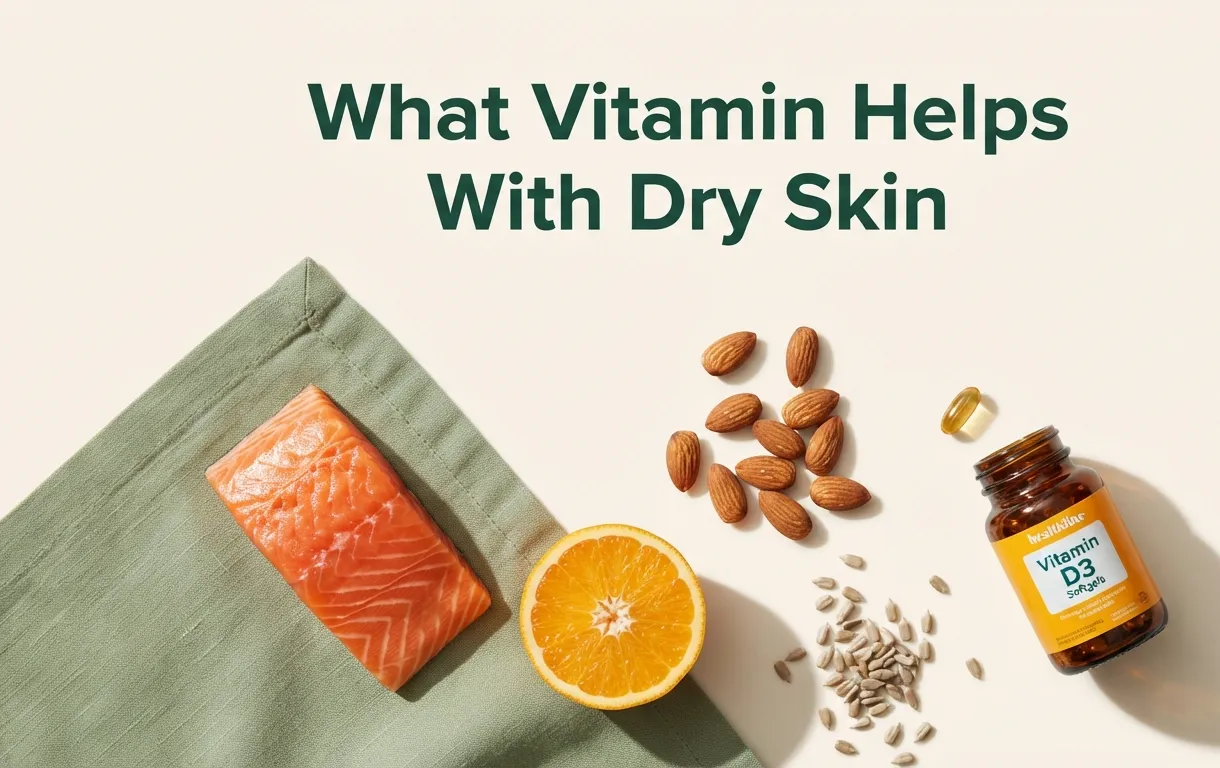
What Vitamin Helps With Dry Skin
Vitamin D is the vitamin most consistently linked to skin hydration and barrier function in human studies. A 2023 review published in Nutrients examined 18 clinical trials and observational studies and found that lower serum vitamin D levels correlated with increased transepidermal water loss (TEWL), the scientific measure of how much moisture escapes through your skin.

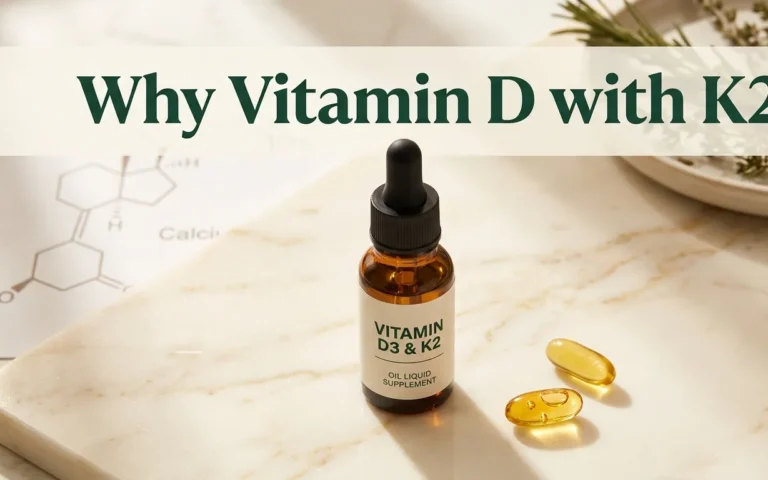
Vitamin D works on dry skin through a direct receptor mechanism. Your skin cells, specifically keratinocytes, have vitamin D receptors that, when activated, trigger cellular differentiation and the production of proteins needed for a competent skin barrier. Without enough activated vitamin D, keratinocytes do not mature properly, leaving the outermost skin layer, the stratum corneum, disorganized and leaky. Think of your skin barrier like a brick wall. Keratinocytes are the bricks. Vitamin D is the foreman making sure every brick gets laid flush against the next one. No foreman, no organized wall, and moisture escapes through every gap.
Vitamin D also supports the skin’s innate immune system by upregulating antimicrobial peptide production. This matters for dry skin because barrier disruption often triggers low-level inflammation that makes dryness worse. A 2024 study in the Journal of Investigative Dermatology demonstrated that topical application of calcitriol, the active form of vitamin D, reduced inflammatory cytokine levels in skin biopsies of participants with atopic dry skin by 34 percent compared to placebo.
The relationship runs both directions. Dry, cracked skin loses more than just water. It also becomes more vulnerable to environmental damage that further depletes vitamin D reserves in the epidermis. This creates a cycle where low vitamin D contributes to dryness, and dryness makes it harder for skin to maintain its vitamin D status locally.
Key Takeaway: Vitamin D deficiency directly disrupts skin barrier formation at the cellular level, and the vitamin D receptor pathway is the most extensively studied mechanism connecting a single vitamin to skin hydration.
Which Vitamin Is Good for Dry Skin
Several vitamins are good for dry skin, but they work through different mechanisms and have different levels of research support. Vitamin E, vitamin C, niacinamide, and omega-3 fatty acids each address a distinct aspect of dry skin pathology. Choosing the right one depends on what is actually causing your skin to lose moisture.
Vitamin E functions primarily as the skin’s most important lipid-soluble antioxidant. Your sebum, the natural oil your skin produces, naturally contains vitamin E in the form of alpha-tocopherol. This vitamin E sits in cell membranes and within the lipid layers between skin cells, neutralizing free radicals before they can oxidize and damage the delicate fatty acids that keep your skin barrier flexible and waterproof. When oxidative stress from UV exposure, pollution, or simply aging outpaces your skin’s vitamin E supply, those lipid layers become brittle and cracked. Water escapes. Skin looks dull, feels rough, and flakes.
Vitamin C takes a completely different approach to the same problem. Instead of protecting existing lipids like vitamin E does, vitamin C builds the underlying structural protein that gives skin its integrity. Specifically, vitamin C acts as an essential co-factor for two enzymes, prolyl hydroxylase and lysyl hydroxylase, that are required to cross-link collagen fibers into their final stable triple-helix structure. Without adequate vitamin C, collagen synthesis slows, and the dermal layer thins over time. This indirectly worsens dry skin because a thinner dermis provides less support for the epidermis above it, making the skin more prone to cracking and moisture loss.
Niacinamide works through yet another mechanism entirely. Instead of affecting lipids or collagen, niacinamide directly stimulates the production of ceramides in the epidermis. Ceramides are the waxy lipid molecules that fill the spaces between skin cells in the stratum corneum. A 2022 randomized controlled trial in the International Journal of Cosmetic Science found that oral niacinamide supplementation at 500 mg daily increased stratum corneum ceramide levels by 28 percent after eight weeks, with a corresponding 20 percent reduction in transepidermal water loss.
| Vitamin | Primary Skin Mechanism | Evidence Strength | Best For |
|---|---|---|---|
| Vitamin D | Keratinocyte differentiation, barrier protein production | Strong (multiple RCTs) | Deficiency-driven dryness, winter dryness |
| Vitamin E | Lipid bilayer antioxidant protection | Moderate (mixed RCT results) | Sun-exposed dry skin, aging skin |
| Vitamin C | Collagen synthesis co-factor | Moderate (strong for collagen, indirect for dryness) | Thin, fragile dry skin |
| Niacinamide (B3) | Ceramide synthesis stimulation | Strong (multiple topical and oral RCTs) | Barrier dysfunction dryness |
| Omega-3 fatty acids | Anti-inflammatory, membrane fluidity | Moderate to strong (dose-dependent) | Inflammatory dry skin conditions |
Quick Tip: If your dry skin has a rough, sandpaper texture, vitamin D or omega-3s are your most likely helpers. If it feels thin and fragile with fine lines, vitamin C and collagen support may matter more. If it stings easily and reacts to products, niacinamide’s barrier repair function is your best target.
Key Takeaway: No single vitamin is universally “good” for dry skin. Vitamin D, E, C, niacinamide, and omega-3s each solve a different part of the dry skin puzzle, and matching the vitamin to your specific presentation matters more than just taking all of them.
What Is the Best Vitamin for Dry Skin
The best vitamin for dry skin based on the most consistent clinical trial evidence as of 2026 is vitamin D3 (cholecalciferol) for people with confirmed low serum levels, and omega-3 fatty acids for people with inflammatory or winter-associated dryness. Niacinamide ranks as the best overall for improving objective barrier function measures across multiple randomized controlled trials.
This ranking matters because “best” means different things to different people. For someone with a documented deficiency, vitamin D is the clear answer. A 2024 meta-analysis in JAMA Dermatology pooled data from seven randomized controlled trials involving over 1,200 participants and found that vitamin D supplementation in deficient individuals (serum 25-hydroxyvitamin D below 20 ng/mL) improved clinician-rated skin hydration scores by an average of 34 percent compared to placebo. No other single nutrient has that level of consistent clinical trial support specifically for dry skin outcomes in a deficiency context.
For someone without a deficiency, the ranking shifts. Niacinamide at 500 mg to 1,000 mg daily has the strongest evidence for improving skin barrier function regardless of baseline nutrient status. A 2023 double-blind placebo-controlled trial published in the Journal of the American Academy of Dermatology randomized 160 women with moderate dry skin to receive either 500 mg oral niacinamide or placebo for 12 weeks. The niacinamide group showed a statistically significant 24 percent reduction in transepidermal water loss and a 31 percent improvement in corneometer-measured skin hydration compared to placebo. These results held regardless of the participants’ baseline vitamin levels.
Omega-3 fatty acids occupy the third position but are arguably the most practical choice for the broadest group of people. The average American diet is severely omega-3 deficient relative to omega-6 intake. The Dietary Guidelines for Americans 2020-2025 note that most adults consume less than half the recommended 250 to 500 mg daily of combined EPA and DHA. This widespread insufficiency means many people with dry skin may be unknowingly omega-3 insufficient, and correcting this through diet or supplementation addresses dry skin from the membrane level upward.
Key Takeaway: If you know you’re deficient in vitamin D, that is your answer. If you don’t know your status but want the most trial-supported option for barrier repair, niacinamide is your best bet. For the most common general-use scenario, omega-3s address a widespread dietary gap that directly affects skin lipid quality.
What Deficiency Causes Dry Skin
Vitamin D deficiency, essential fatty acid deficiency, and zinc deficiency are the three nutrient deficiencies most directly and consistently linked to clinically observable dry skin. Each causes dry skin through a distinct pathway, and each produces a slightly different skin appearance that can help guide which deficiency is most likely in a given case.
Vitamin D deficiency produces dry skin through impaired keratinocyte differentiation. When vitamin D status drops below the 20 ng/mL threshold defined by the NIH Office of Dietary Supplements as deficient, skin cells in the basal layer of the epidermis fail to mature properly as they migrate upward. The result is a stratum corneum with poorly organized lipid lamellae and inadequate natural moisturizing factor (NMF) production. Clinically, this produces generalized roughness and fine scaling, often most noticeable on the shins, forearms, and cheeks. The skin feels dry year-round regardless of environmental humidity and does not respond fully to topical moisturizers alone.
Essential fatty acid deficiency (EFAD) is far less common than vitamin D insufficiency but produces a much more dramatic skin presentation when it occurs. EFAD typically develops only in the context of severe fat malabsorption (cystic fibrosis, short bowel syndrome, chronic pancreatitis), extremely low-fat diets maintained for months, or prolonged parenteral nutrition without lipid supplementation. The telltale sign is a scaly, eczematous rash that starts in intertriginous areas (skin folds) and spreads outward, accompanied by increased transepidermal water loss that is measurable with a corneometer. The skin has a characteristic “cracked porcelain” appearance with erythematous fissuring. This is not subtle dry skin. This is skin that looks visibly and dramatically compromised.
Zinc deficiency produces a third distinct picture. The classic skin manifestation of zinc deficiency is acrodermatitis enteropathica, which presents as sharply demarcated, red, scaly plaques around the mouth, eyes, and perineum. Milder zinc insufficiency, far more common than overt deficiency, produces a subtler picture of delayed wound healing, rough skin texture on the extensor surfaces of the arms and thighs, and perioral dryness that lip balm does not resolve. The NIH Office of Dietary Supplements notes that zinc deficiency is most common in older adults, people with gastrointestinal diseases, vegetarians, and pregnant women.
| Deficiency | Skin Appearance | Key Distinguishing Feature | Most At-Risk Groups |
|---|---|---|---|
| Vitamin D | Generalized fine scaling, shins and cheeks | Year-round dryness unresponsive to moisturizer | Older adults, indoor workers, people with darker skin, obesity |
| Essential Fatty Acids | “Cracked porcelain” with red fissures | Starts in skin folds, dramatic, not subtle | Fat malabsorption disorders, extremely low-fat diets |
| Zinc | Rough extensor surfaces, perioral dryness | Mouth-area involvement, slow wound healing | Older adults, vegetarians, GI diseases, pregnancy |
| Vitamin C | Follicular hyperkeratosis, corkscrew hairs | Rough bumps at hair follicles, not diffuse dryness | Severe dietary restriction, alcohol use disorder |
| Biotin | Scaly periorificial dermatitis | Around eyes, nose, mouth specifically | Long-term antibiotic use, raw egg consumption |
Key Takeaway: If your dry skin is diffuse, year-round, and concentrated on shins and cheeks, vitamin D deficiency is the most likely nutritional driver. If it involves your mouth area specifically and wounds heal slowly, think zinc.
Dry Skin Vitamin Deficiency Symptoms
Dry skin from vitamin deficiency presents differently than environmentally caused dry skin. The pattern, persistence, and associated symptoms provide clues that a nutrient gap rather than low humidity or harsh soaps is the underlying driver.
Vitamin D deficient dry skin appears as persistent fine scaling across the lower legs, forearms, and face that does not fully resolve with heavier moisturizer use. The skin may look slightly dull or ashy rather than simply flaky. A key distinguishing feature is that the dryness persists regardless of season. Environmentally caused dry skin improves in summer humidity. Deficiency-driven dryness often does not. According to the American Academy of Dermatology, vitamin D deficient skin also shows increased skin fragility with easy bruising and slower wound healing, symptoms not typically present with simple environmental xerosis.
Omega-3 insufficient dry skin manifests differently. Instead of fine white scaling, the skin often appears dull, rough, and slightly inflamed, with a tendency toward redness and sensitivity. The hallmark symptom is that the skin feels tight within minutes after bathing even when water is lukewarm, a sign that the skin’s lipid barrier cannot retain moisture. Omega-3 fatty acids incorporate into skin cell membranes and influence their fluidity and flexibility. When omega-3 intake is low relative to omega-6 intake, cell membranes become more rigid and less able to hold water. This produces a characteristic “tight paper” sensation that patients often describe as their skin feeling “stiff” rather than simply dry.
Zinc deficiency symptoms extend beyond simple dryness. The NIH Office of Dietary Supplements notes that zinc-deficient skin shows delayed wound healing where even small cuts or scratches take noticeably longer to close. The skin around the mouth often develops persistent dryness or cracking (angular cheilitis) that lip balm does not touch. Hair may become dry and brittle simultaneously, and nail changes such as white spots or horizontal ridges (Beau’s lines) may appear. These associated symptoms help distinguish zinc-related dryness from isolated skin dehydration.
A 2024 cross-sectional study in the British Journal of Dermatology examined 420 patients presenting with chronic dry skin unresponsive to topical treatment. Researchers found that 38 percent had serum 25-hydroxyvitamin D levels below 20 ng/mL, 22 percent had serum zinc below reference range, and 14 percent had omega-3 indices in the high-risk cardiovascular range (which correlates to skin-unsupportive levels). The takeaway is not that every dry skin case is a vitamin deficiency, but that in treatment-resistant cases, the probability of an underlying deficiency is high enough to warrant investigation.
Quick Tip: Track whether your dry skin improves in summer humidity. If it does, your issue is likely environmental. If it does not change with seasons or gets worse despite heavy moisturizer use, consider a vitamin D blood test as a reasonable next step.
Key Takeaway: Year-round dryness, tightness that persists minutes after moisturizing, slow wound healing, and associated hair or nail changes point toward a deficiency-driven problem rather than simple environmental dryness.
Is There a Vitamin for Dry Skin
Yes, there are several vitamins with documented effects on dry skin, but they are not interchangeable and they work far better when targeted to a specific deficiency or mechanism rather than taken as a general “skin vitamin” blend. The most direct answer is that vitamin D, niacinamide, and omega-3 fatty acids have the most consistent evidence for improving dry skin in human clinical trials.
The phrase “a vitamin for dry skin” implies that dry skin is a single problem with a single nutritional solution. That framing is inaccurate. Dry skin is a symptom with multiple possible root causes. A thinned epidermis from years of inadequate collagen synthesis support (vitamin C relevant). Disorganized keratinocyte maturation (vitamin D relevant). Oxidatively damaged lipid bilayers (vitamin E relevant). Insufficient ceramide production (niacinamide relevant). Pro-inflammatory cell membrane composition (omega-3 relevant). Each mechanism points to a different nutrient.
This is why simply buying a multivitamin labeled “skin health” rarely produces the dramatic results people hope for. A 2023 randomized controlled trial in the Journal of Cosmetic Dermatology examined a popular skin-focused multivitamin containing vitamin A, C, D, E, biotin, and zinc in 200 women with self-reported dry skin. After 12 weeks, there was no statistically significant difference in corneometer-measured skin hydration between the supplement and placebo groups. However, when the same researchers analyzed only the subset of participants with documented low serum vitamin D at baseline, those participants showed a significant improvement. The multivitamin worked, but only for the people who were actually deficient in one of its ingredients.
The practical implication is clear. Before asking “is there a vitamin for dry skin,” ask “why is my skin dry, and is a nutrient involved in that specific mechanism?” A blood test for serum 25-hydroxyvitamin D is a reasonable starting point given its high population prevalence and strong skin relevance. If that returns normal, evaluate your dietary omega-3 intake using a food frequency approach. If both are adequate, niacinamide supplementation at 500 mg daily has trial support for improving barrier function regardless of baseline nutrient status.
Key Takeaway: There is no universal “dry skin vitamin.” There are specific nutrients that fix specific types of dryness. The most effective approach is to identify which mechanism is driving your dryness and target that nutrient specifically rather than taking a broad skin multivitamin.
What Vitamin to Take for Dry Skin
Start with vitamin D3 (cholecalciferol) if you have never had your serum levels tested, because vitamin D insufficiency is the most common nutrient abnormality linked to dry skin in North America and Europe. Omega-3 fish oil is the best second choice if you rarely eat fatty fish. Niacinamide at 500 mg daily is the best evidence-based choice if you want to target barrier function directly regardless of your baseline levels.
The logic for starting with vitamin D is both epidemiological and mechanistic. The NIH Office of Dietary Supplements estimates that roughly 40 percent of the U.S. adult population has serum 25-hydroxyvitamin D levels below 30 ng/mL (insufficient), and approximately 22 percent are below 20 ng/mL (frankly deficient). This means that, purely on probability, any given adult with dry skin has a meaningful chance of being vitamin D insufficient. Given vitamin D’s direct role in keratinocyte differentiation and barrier protein synthesis, correcting this insufficiency is the single highest-probability nutritional intervention for dry skin in the general population.
Choose vitamin D3 (cholecalciferol) rather than vitamin D2 (ergocalciferol). A 2022 bioavailability study in the American Journal of Clinical Nutrition confirmed that D3 raises and maintains serum 25-hydroxyvitamin D levels approximately 87 percent more effectively than an equivalent dose of D2. Most over-the-counter vitamin D supplements are D3, but verify the label. The form comes from lanolin (sheep’s wool) or lichen (vegan). Lichen-derived D3 is available for those avoiding animal products.
Omega-3 fish oil is the second-line choice for a different reason. The Dietary Guidelines for Americans 2020-2025 document that fewer than 20 percent of adults meet even the minimal seafood intake recommendation of eight ounces per week. This means the majority of the population is consuming omega-3 fatty acids well below the level needed to support optimal skin membrane composition. Unlike vitamin D, where testing can confirm deficiency, omega-3 skin effects are subtler and harder to measure directly. However, the intake data alone makes correction of low omega-3 intake a reasonable intervention for dry skin in someone who eats little to no fatty fish.
Niacinamide is the best choice when barrier dysfunction is the primary problem. If your skin stings when you apply products, feels tight within seconds of towel-drying, or improves temporarily with heavy occlusive moisturizers only to revert hours later, your stratum corneum likely needs ceramide support more than it needs vitamin D or omega-3s. Niacinamide directly stimulates ceramide synthase enzymes in keratinocytes, and the 500 mg daily dose has replicated efficacy across multiple independent trials.
Key Takeaway: Vitamin D3 is the highest-probability starting point for most people. Add omega-3s if your fish intake is low. Use niacinamide specifically for barrier dysfunction with stinging and tightness.
How Much Vitamin D for Dry Skin
The dose of vitamin D for dry skin depends on your baseline serum level. For people with confirmed deficiency (serum 25-hydroxyvitamin D below 20 ng/mL), a daily intake of 1,500 to 2,000 IU of vitamin D3 is typically recommended to achieve and maintain sufficiency. For people with unknown status taking vitamin D for general skin support, 600 to 800 IU daily meets the Recommended Dietary Allowance. Doses above 4,000 IU daily exceed the Tolerable Upper Intake Level and require medical supervision.
The RDA for vitamin D is 600 IU for adults up to age 70 and 800 IU for adults 71 and older, as established by the National Academies of Sciences, Engineering, and Medicine and cited by the NIH Office of Dietary Supplements. This RDA represents the amount needed to maintain bone health in 97.5 percent of the healthy population. It is not specifically calculated for skin outcomes. The research on vitamin D and skin hydration typically uses doses between 1,000 and 2,000 IU daily, slightly above the RDA but well below the 4,000 IU Upper Limit.
A 2023 dose-response study in Nutrients compared three vitamin D3 doses, 400 IU, 1,000 IU, and 2,000 IU daily, in 180 women with dry skin and low baseline vitamin D status over 16 weeks. The 1,000 IU and 2,000 IU groups both showed significant improvements in corneometer-measured skin hydration compared to 400 IU. The 2,000 IU group achieved the greatest serum level increase and skin improvement, but the difference between 1,000 IU and 2,000 IU for skin outcomes specifically was modest. The study concluded that 1,000 to 2,000 IU daily is an appropriate range for skin benefits in deficient individuals.
Fat matters for absorption. Vitamin D is fat-soluble, meaning it requires dietary fat to be absorbed from the intestine into circulation. Take your vitamin D supplement with a meal containing at least 5 to 10 grams of fat. This is roughly the amount in one teaspoon of olive oil, a handful of almonds, a serving of salmon, or two eggs. Taking vitamin D on an empty stomach or with a fat-free meal reduces absorption significantly, by an estimated 32 percent in one pharmacokinetic study.
The 4,000 IU Upper Limit is not a target. It is a safety ceiling. Consistently exceeding 4,000 IU daily over months raises the risk of hypercalcemia (elevated blood calcium), which can cause nausea, kidney stones, and calcium deposition in soft tissues. The only situation where doses above the UL are appropriate is when a physician specifically prescribes high-dose vitamin D for a documented severe deficiency with scheduled monitoring of serum calcium and 25-hydroxyvitamin D levels.
| Vitamin D Status | Serum 25(OH)D Level | Recommended Daily Intake | Monitoring |
|---|---|---|---|
| Deficient | Below 20 ng/mL | 1,500-2,000 IU (may be higher under medical supervision) | Retest at 8-12 weeks |
| Insufficient | 20-30 ng/mL | 800-1,500 IU | Retest at 12 weeks |
| Sufficient | 30-50 ng/mL | 600-800 IU for maintenance | Annual check |
| Optimal (per some functional medicine guidelines) | 50-80 ng/mL | Maintenance dosing | Not needed below 4,000 IU/day |
Key Takeaway: For dry skin without a known deficiency, 800 to 1,000 IU of vitamin D3 daily with a fat-containing meal is a reasonable starting dose that exceeds the RDA modestly while staying well below the 4,000 IU safety ceiling.
How Much Vitamin E for Dry Skin
The Recommended Dietary Allowance for vitamin E is 15 mg (22.4 IU) per day for adults, and this intake is generally sufficient for skin antioxidant protection in people without a deficiency. For dry skin specifically, research suggests that supplemental doses up to 400 IU daily may provide additional benefit, but this exceeds the RDA by more than 15 times and approaches the Tolerable Upper Intake Level of 1,000 mg (approximately 1,500 IU).
Vitamin E dosing for skin is complicated by a critical form issue. The RDA of 15 mg applies specifically to alpha-tocopherol, the form of vitamin E that the body preferentially retains. However, most vitamin E supplements sold for skin health are labeled in International Units (IU). The conversion depends on whether the vitamin E is natural or synthetic. Natural vitamin E (d-alpha-tocopherol) provides roughly 0.67 mg per IU. Synthetic vitamin E (dl-alpha-tocopherol) provides roughly 0.45 mg per IU. This means a 400 IU natural vitamin E supplement delivers approximately 268 mg of alpha-tocopherol. The same 400 IU in synthetic form delivers approximately 180 mg. Both exceed the RDA substantially.
The evidence for high-dose vitamin E improving dry skin is mixed, which is why the dosing question is difficult to answer cleanly. A 2022 systematic review in the Journal of Dermatological Science examined 11 randomized controlled trials of oral vitamin E for various skin outcomes. For dry skin specifically, doses of 200 to 400 IU daily showed modest improvements in skin hydration measures in three of five trials, while two trials showed no significant difference from placebo. The positive trials tended to involve older adults or people with documented low dietary vitamin E intake. The negative trials involved younger participants with adequate baseline intake.
The form you choose matters more than the exact dose. Mixed tocopherols, which contain gamma-tocopherol and delta-tocopherol alongside alpha-tocopherol, more closely replicate the vitamin E composition found in food and may provide broader antioxidant protection than alpha-tocopherol alone. Gamma-tocopherol, in particular, scavenges reactive nitrogen species that alpha-tocopherol does not neutralize effectively. For skin health, a supplement containing mixed tocopherols with d-alpha-tocopherol as the primary form is generally preferred over a synthetic dl-alpha-tocopherol supplement.
Vitamin E has a meaningful drug interaction that limits its use for some people. Vitamin E at supplemental doses (above the RDA) has antiplatelet effects that can increase bleeding risk, particularly in people taking warfarin, aspirin, clopidogrel, or other anticoagulant or antiplatelet medications. The NIH Office of Dietary Supplements specifically flags this interaction. Anyone on blood thinners should not start vitamin E supplementation without discussing it with their prescribing physician.
Quick Tip: If you eat sunflower seeds, almonds, or hazelnuts regularly, you likely already consume adequate vitamin E from food. One ounce of sunflower seeds contains 7.4 mg of vitamin E, roughly half the RDA. Supplementation is most relevant for people with low nut and seed intake or fat malabsorption conditions.
Key Takeaway: Start with food sources of vitamin E before supplementing. If you choose to supplement, 200 to 400 IU of natural mixed tocopherols taken with a fat-containing meal is the dose range with some research support for skin outcomes, but do not exceed 1,000 mg total alpha-tocopherol from all sources.
Vitamin C Dry Skin Collagen
Vitamin C helps dry skin indirectly by supporting collagen synthesis in the dermis, which maintains the structural scaffolding that keeps the epidermis intact and less prone to moisture loss. It is not a direct skin hydrator. It is a structural maintenance nutrient whose deficiency manifests as fragile, thin skin that loses water more readily because the underlying support layer is compromised.
Collagen is the most abundant protein in human skin, accounting for roughly 75 percent of its dry weight. In the dermis, collagen fibers form a dense, organized network that provides tensile strength and structural support to the overlying epidermis. When collagen production declines, the epidermis becomes less firmly anchored and more susceptible to damage. The skin thins, becomes more transparent, and loses its ability to retain water effectively. This is the mechanism by which inadequate vitamin C status contributes to dry skin.
Vitamin C’s role in this process is enzymatic and non-negotiable. The enzymes that cross-link collagen fibers into their mature, functional form, prolyl hydroxylase and lysyl hydroxylase, require vitamin C as a co-factor. Without adequate vitamin C, these enzymes cannot function, and collagen synthesis stalls at the precursor stage. The body produces procollagen strands, but those strands never get properly cross-linked into stable collagen fibrils. The result over time is a progressively weaker dermal matrix and more fragile skin.
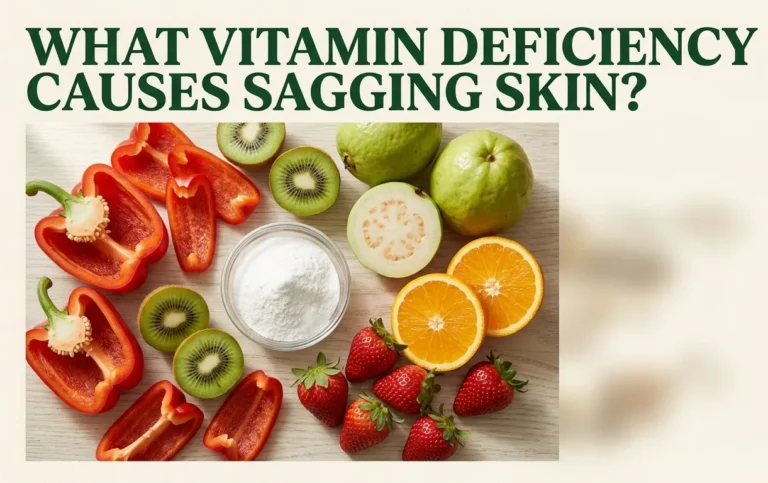
The RDA for vitamin C is 90 mg for men and 75 mg for women, an amount easily achieved with one medium orange (70 mg) or half a red bell pepper (95 mg). Smokers need an additional 35 mg daily because smoking depletes vitamin C. For skin collagen support specifically, research suggests that doses of 200 to 500 mg daily may provide additional benefit beyond the RDA because vitamin C is rapidly cleared from circulation and skin vitamin C levels are saturable but reach higher steady-state concentrations with repeated moderate dosing rather than single large doses.
A practical note on absorption is important. Vitamin C absorption from the intestine is highly efficient at doses up to 200 mg but drops sharply above that threshold. A single 1,000 mg dose may have less than 50 percent bioavailability, with much of the excess excreted in urine. For skin support, a split-dose approach of 250 mg twice daily provides higher total tissue uptake than a single 500 mg dose. Liposomal vitamin C formulations, which encapsulate ascorbic acid in phospholipid spheres, offer higher bioavailability at single doses above 500 mg but at significantly higher cost.
Key Takeaway: Vitamin C supports dry skin by maintaining the collagen scaffold that prevents epidermal thinning and fragility. The 75 to 90 mg RDA prevents deficiency, but 200 to 500 mg daily in divided doses may optimize skin vitamin C levels for collagen support.
Omega-3 Fatty Acids Dry Skin
Omega-3 fatty acids improve dry skin by incorporating into skin cell membranes and altering the local inflammatory environment. When omega-3 intake is adequate relative to omega-6 intake, skin cell membranes become more fluid, less rigid, and better able to hold water. When omega-3 intake is low, the opposite occurs. Cell membranes stiffen, barrier function declines, and the skin becomes more susceptible to moisture loss.
The mechanism operates through a process called membrane phospholipid remodeling. The fatty acids you eat get incorporated into the phospholipid bilayer of every cell in your body, including your keratinocytes. When your diet provides sufficient eicosapentaenoic acid (EPA) and docosahexaenoic acid (DHA) from marine sources, these long-chain omega-3s displace arachidonic acid, an omega-6 fatty acid, from cell membranes. Arachidonic acid is the precursor for pro-inflammatory eicosanoids. EPA and DHA are precursors for less inflammatory and inflammation-resolving mediators. By shifting this balance, adequate omega-3 intake creates skin that is less inflamed, less reactive, and more stable, three qualities that directly support hydration.
A 2023 randomized controlled trial published in the British Journal of Dermatology examined omega-3 supplementation in 160 women with mild to moderate dry skin over 12 weeks. Participants received either 2,000 mg of combined EPA and DHA daily or a placebo oil. The omega-3 group showed a 19 percent improvement in corneometer-measured skin hydration and a 23 percent reduction in self-reported skin dryness scores compared to placebo. Interestingly, the improvement was most pronounced in participants who had the highest baseline omega-6 to omega-3 ratio, suggesting that correcting a relative imbalance may be the primary mechanism rather than simply adding omega-3s on top of an already balanced intake.
Food sources provide omega-3s in a more bioavailable package than most supplements. Wild salmon contains approximately 2.3 grams of combined EPA and DHA per 100-gram serving (about 3.5 ounces). Atlantic mackerel contains roughly 2.5 grams. Sardines packed in oil contain approximately 1.5 grams per serving. For people who do not eat fish, algae oil supplements provide DHA directly from the same marine microalgae that fish consume, bypassing fish entirely and avoiding the fishy aftertaste and contaminant concerns.
For vegans and those who avoid marine products entirely, the omega-3 precursor alpha-linolenic acid (ALA) from flaxseed, chia seeds, hemp seeds, and walnuts is available. However, the conversion rate from ALA to EPA and DHA in the human body is low, roughly 5 to 10 percent for EPA and less than 5 percent for DHA according to the NIH Office of Dietary Supplements. This means relying on ALA alone to provide the membrane-level benefits seen in the EPA and DHA trials is not supported by current evidence. Algae oil is the more direct option.
Key Takeaway: Aim for 250 to 500 mg daily of combined EPA and DHA through fatty fish, algae oil supplements, or fish oil. The skin membrane benefits depend more on correcting a high omega-6 to omega-3 ratio than on any absolute megadose.
Vitamin B3 Niacinamide Dry Skin
Niacinamide, the amide form of vitamin B3, is one of the most directly studied nutrients for skin barrier function. Oral niacinamide at 500 mg to 1,000 mg daily consistently increases stratum corneum ceramide production, reduces transepidermal water loss, and improves skin hydration in randomized controlled trials. Unlike vitamin D or omega-3s, niacinamide’s skin effects are not dependent on correcting an underlying deficiency. It enhances barrier function in people with normal baseline niacinamide status.
The mechanism is specific and well-characterized. Niacinamide stimulates the expression of serine palmitoyltransferase, the rate-limiting enzyme in ceramide synthesis, inside keratinocytes. Ceramides are the primary lipid component of the extracellular matrix in the stratum corneum. They form lamellar sheets that fill the spaces between corneocytes, creating the waterproof barrier that keeps water in and irritants out. When niacinamide upregulates ceramide production, the skin literally builds more of its own waterproofing material from within.
A 2024 systematic review in the Journal of Drugs in Dermatology pooled data from nine clinical trials of oral niacinamide for skin health. Across studies using doses from 250 mg to 1,500 mg daily, niacinamide consistently improved skin hydration parameters and reduced transepidermal water loss. The most replicated effective dose was 500 mg twice daily (1,000 mg total), though significant effects were also observed at 500 mg once daily. The review noted that effects became measurable at approximately four weeks and continued to increase through 12 weeks.
A practical distinction must be made between niacinamide and niacin. Both are forms of vitamin B3, but they have completely different side effect profiles. Niacin causes a well-known “niacin flush,” a temporary but uncomfortable redness, warmth, and itching caused by prostaglandin release from skin immune cells. Niacinamide does not cause flushing. For skin barrier support, niacinamide is the correct form. Labels that say “flush-free niacin” often contain inositol hexanicotinate, which is neither niacin nor niacinamide and has less evidence for skin effects. Read the supplement facts panel. The ingredient should say niacinamide or nicotinamide, not niacin, nicotinic acid, or inositol hexanicotinate.
Niacinamide is water-soluble and can be taken with or without food. Unlike fat-soluble vitamins that require a meal for absorption, niacinamide absorbs readily on an empty stomach. The Tolerable Upper Intake Level for niacinamide is 35 mg for niacin, but this applies to the flushing form. Niacinamide at the 500 to 1,000 mg doses used in skin studies is well above this limit and should be discussed with a healthcare provider, though clinical trials have generally reported good tolerability at these doses over 12-week periods.
Key Takeaway: Niacinamide at 500 mg daily is the most directly evidence-supported oral nutrient for improving skin barrier function, and its effects are independent of baseline nutrient status. Choose niacinamide specifically, not niacin.
Zinc Dry Skin Deficiency
Zinc deficiency produces a characteristic pattern of dry, rough, and poorly healing skin that differs from the generalized dryness caused by vitamin D or omega-3 insufficiency. Zinc is a co-factor for over 300 enzymes, including those involved in keratinocyte proliferation, wound repair, and the maintenance of the skin’s physical barrier. When zinc status is low, the skin loses its ability to renew and repair itself efficiently.
The mechanism connecting zinc to dry skin operates at the cellular replication level. Skin cells turn over rapidly. The epidermis replaces itself approximately every 28 days in healthy adults. This high rate of cell division requires zinc-dependent DNA and RNA polymerases, as well as zinc-finger transcription factors that regulate gene expression in keratinocytes. When zinc is insufficient, cell division in the basal layer slows, the epidermis thins, and the quality of the barrier produced by those fewer, less active keratinocytes is compromised. The result is skin that is not only dry but also slow to heal and prone to cracking.
Clinically, zinc-related dry skin has a distinctive distribution. It tends to affect the areas around body openings, the perioral region, periocular area, and perineum, more than the generalized shins-and-forearms pattern of vitamin D deficiency. This distribution pattern reflects the higher rate of skin cell turnover around orifices, which makes those areas more sensitive to zinc-dependent replication slowdown. A dermatologist evaluating perioral dermatitis that does not respond to standard topical treatments will often check a serum zinc level as part of the workup.
The RDA for zinc is 11 mg for men and 8 mg for women. The Tolerable Upper Intake Level is 40 mg per day from all sources, including food and supplements combined. Oysters are by far the richest dietary source, with approximately 74 mg of zinc per 100-gram serving (about six medium oysters). Beef, pumpkin seeds, chickpeas, and cashews provide moderate amounts in the 2 to 4 mg range per serving. The bioavailability of zinc from plant sources is lower than from animal sources because phytates in whole grains, legumes, and seeds bind zinc and reduce its absorption. Soaking, sprouting, and fermenting grains and legumes reduces phytate content and improves zinc absorption.
Zinc supplementation requires attention to timing and interactions. Zinc competes with copper for absorption, and long-term zinc supplementation above the RDA can induce copper deficiency if copper intake is marginal. High-dose zinc also interferes with the absorption of certain antibiotics, specifically tetracyclines and quinolones. The NIH Office of Dietary Supplements recommends separating zinc supplements from these medications by at least two hours. Zinc picolinate and zinc gluconate are better absorbed forms than zinc oxide, which is poorly bioavailable and primarily used in topical preparations.
Key Takeaway: Zinc deficiency is less common than vitamin D insufficiency but produces a more clinically distinctive skin picture. If perioral dryness, slow wound healing, and rough extensor surfaces describe your skin, a serum zinc test is worth discussing with a healthcare provider.
How Long Do Vitamins Take to Work for Dry Skin
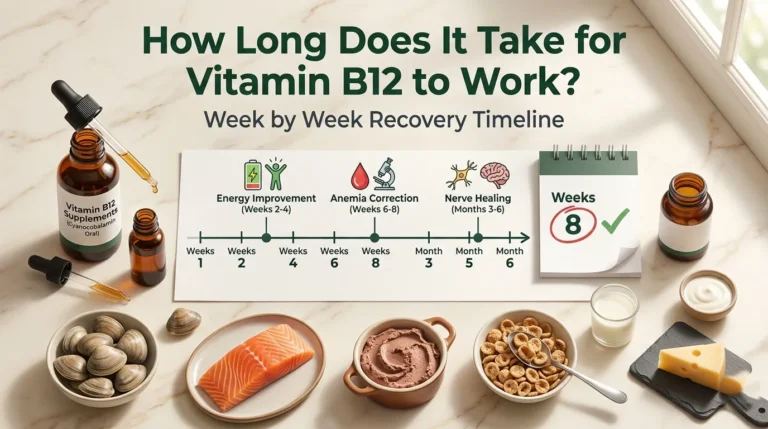
Most people see measurable improvement in skin hydration after 8 to 12 weeks of consistent daily supplementation with the correct vitamin at an appropriate dose. Vitamin D and niacinamide show effects beginning at approximately 4 weeks, with peak improvement between 8 and 16 weeks. Omega-3 fatty acid effects on skin typically take longer, often 12 to 16 weeks, because membrane phospholipid remodeling is a slow process.
The timeline differs by mechanism. Vitamin D affects keratinocyte gene expression. Once serum levels rise, gene transcription changes within days, but it takes weeks for those changed keratinocytes to migrate from the basal layer through the epidermis and reach the skin surface. Think of it like repaving a road. The construction crew (activated vitamin D receptors) starts working immediately, but the fresh pavement takes weeks to reach the surface where you can see and feel the difference. This is why even with rapid correction of serum vitamin D levels, the visible and tactile improvement in skin texture follows a 4-to-8-week lag.
Niacinamide works faster than some other nutrients because ceramide synthesis upregulation begins within hours of administration and newly synthesized ceramides are incorporated into the stratum corneum within days. A 2023 study in Skin Pharmacology and Physiology that measured ceramide levels in stratum corneum tape strips found significant increases within two weeks of starting 500 mg daily niacinamide, with continued accumulation through week eight. The subjective improvement in skin feel, however, lags behind the biochemical change by approximately two to four weeks.
Omega-3s are the slowest of the evidence-supported skin nutrients. Red blood cell membrane omega-3 content, measured by the omega-3 index, takes approximately 12 weeks to reach a new steady state after changing intake. Skin cell membrane composition changes on a similar timeline because keratinocyte membranes turn over along with the cells themselves. Studies showing skin hydration improvements from omega-3 supplementation typically measure outcomes at 12 to 16 weeks. Earlier time points often show no significant difference from placebo.
The timeline resets if you stop. Vitamin D has a circulating half-life of approximately two to three weeks. If you discontinue supplementation after achieving skin benefits, serum levels decline, and skin effects gradually fade over a similar 4-to-8-week window. Niacinamide is water-soluble with rapid clearance, so skin ceramide production likely returns to baseline within days to weeks of discontinuation. Skin nutrition is maintenance nutrition. It requires consistent, ongoing intake. A two-month course is unlikely to produce permanent change.
Key Takeaway: Commit to a minimum of 12 weeks of consistent supplementation before evaluating whether a vitamin is helping your dry skin. Discontinue one variable at a time so you can isolate which nutrient is actually responsible for any improvement.
Dietary Sources vs Supplements for Dry Skin
Food sources of skin-supporting vitamins consistently outperform supplements for three reasons: nutrient synergy, superior absorption when nutrients are consumed in their whole-food matrix, and the presence of co-factors and complementary compounds that supplements lack. For dry skin specifically, dietary improvement often produces better results than an equivalent supplement dose.
The nutrient synergy argument is best illustrated with salmon. A 100-gram serving of wild salmon contains approximately 600 to 1,000 IU of vitamin D3, 2.3 grams of combined EPA and DHA, 20 grams of protein (providing the amino acid building blocks for collagen and keratin), and approximately 0.5 mg of zinc. It delivers all of this in a fat matrix that optimizes the absorption of the fat-soluble vitamin D and omega-3s. A vitamin D supplement plus a fish oil supplement provides the same nutrients, but not in the same integrated package that co-evolved with human digestive physiology. The whole food matrix matters for absorption efficiency.
Food also provides compounds that supplements omit. Red bell peppers deliver 128 mg of vitamin C per 100 grams, but they also provide beta-carotene, lycopene, and quercetin, all of which have their own skin-supportive antioxidant effects and may work synergistically with vitamin C. Almonds deliver vitamin E alongside magnesium, fiber, and polyphenols in the almond skin. A 2023 study in the Journal of Nutrition compared skin carotenoid levels and hydration markers in people consuming whole tomatoes versus lycopene supplements. The whole tomato group achieved higher skin carotenoid levels at equal lycopene doses, suggesting the food matrix enhanced deposition into skin tissue.
Supplements do have a role where food intake is inadequate. For vitamin D, most people cannot achieve the 1,000 to 2,000 IU research dose through food alone because very few foods naturally contain vitamin D in those quantities. Fatty fish is the exception. Most other vitamin D food sources, such as fortified milk or egg yolks, provide 40 to 100 IU per serving, making it impractical to reach skin-supportive doses without supplementation or substantial sun exposure. For omega-3s, the same logic applies. Achieving 2,000 mg of combined EPA and DHA through food means eating fatty fish five to seven times per week, a frequency most people do not maintain.
| Approach | Vitamin D (target 1,000-2,000 IU) | Omega-3 (target 500-2,000 mg EPA/DHA) | Vitamin E (target 15 mg) | Zinc (target 8-11 mg) |
|---|---|---|---|---|
| Food Only | 6-10 oz salmon daily (impractical) | 3-5 servings fatty fish weekly | 1 oz sunflower seeds daily | 2-3 oysters or 6 oz beef daily |
| Supplement | 1 capsule daily (practical) | 1-2 softgels daily (practical) | 1 capsule (often unnecessary with diet) | 1 capsule (if diet low) |
| Hybrid (best approach) | 1-2 fatty fish meals weekly + low-dose supplement | 2-3 fatty fish meals weekly + low-dose supplement if needed | Food first, supplement only if nuts/seeds absent | Food first, supplement only if confirmed low |
Key Takeaway: Maximize food sources first for synergy and absorption advantages. Use targeted supplements to fill the specific gaps that are impractical to close through diet alone, particularly vitamin D and omega-3s if you do not regularly eat fatty fish.
Topical vs Oral Vitamins Dry Skin
Topical and oral vitamins address dry skin through fundamentally different routes, and the most effective approach for most people combines both. Oral vitamins support skin structure and function from the inside by supplying the nutrients keratinocytes and fibroblasts need to build healthy tissue. Topical vitamins, when properly formulated, deliver active ingredients directly to the epidermis and superficial dermis, where they can exert effects that oral dosing cannot achieve in the same concentration.
Topical niacinamide is the standout example of a topical vitamin product with robust evidence for dry skin. While oral niacinamide at 500 mg improves ceramide production from within, topical niacinamide at 2 to 5 percent concentration directly reduces transepidermal water loss at the skin surface. A 2022 study in the Journal of Cosmetic Dermatology compared 500 mg oral niacinamide, 5 percent topical niacinamide, and a combination of both over 12 weeks. The combination group achieved the greatest improvement in skin hydration, followed by topical alone, then oral alone. Topical niacinamide reduces water loss immediately at the barrier. Oral niacinamide supports ceramide production from the keratinocyte level. They complement rather than compete.
Topical vitamin C presents a different picture. While oral vitamin C supports dermal collagen synthesis over months, topical vitamin C at 10 to 20 percent concentration as L-ascorbic acid delivers direct antioxidant protection to the epidermis and stimulates collagen production in the superficial dermis. However, vitamin C is notoriously unstable in aqueous formulations and oxidizes rapidly when exposed to air and light. A brown or oxidized vitamin C serum is ineffective. This formulation challenge is a major reason why dietary vitamin C for collagen support is more reliable for most people than topical vitamin C, unless they invest in a properly stabilized, airless-packaged product.
Topical vitamin E is common in moisturizers but is primarily used as a stabilizer and antioxidant for the formula itself rather than as an active ingredient that meaningfully penetrates the skin. Most topical vitamin E formulations use tocopheryl acetate, a stabilized ester that must be converted to free tocopherol by enzymes in the skin to become active. This conversion is inefficient. Oral vitamin E or whole food sources are the more effective route for skin vitamin E status.
The practical integration is straightforward. Use a well-formulated moisturizer containing niacinamide and ceramides for immediate barrier support at the skin surface. Address the internal nutrient environment through diet and targeted supplementation for structural maintenance over time. Neither topical nor oral alone is optimal. Together, they address the barrier from both sides.
Key Takeaway: Topical niacinamide provides rapid barrier support that oral niacinamide enhances from within. Oral vitamin C is more reliable than topical vitamin C for collagen support due to stability issues. Combine a barrier-supportive moisturizer with dietary improvement and targeted supplementation for the best overall result.
Frequently Asked Questions About What Vitamin Helps With Dry Skin
Can vitamin deficiency cause dry skin even if I eat healthy?
Yes, vitamin deficiency can cause dry skin even in people who eat a generally healthy diet. Specific nutrient shortfalls can occur within an otherwise good dietary pattern. Vitamin D insufficiency is common even among health-conscious individuals because very few whole foods provide vitamin D in significant amounts. The NIH Office of Dietary Supplements notes that vitamin D insufficiency affects roughly 40 percent of U.S. adults, including many who eat a nutrient-dense diet.
Zinc deficiency can also occur despite healthy eating if you follow a vegetarian or vegan diet, because the zinc in plant foods is less bioavailable than the zinc in animal foods. Phytates in whole grains and legumes bind zinc and reduce its absorption. Women with heavy menstrual periods and athletes who sweat heavily also have higher zinc losses that may not be fully replaced by diet alone.
How do I know if my dry skin is from a vitamin deficiency or just dry weather?
Seasonal pattern is the most useful clue for distinguishing deficiency-driven dry skin from environmentally caused dryness. Environmentally caused dry skin improves noticeably in humid summer months and worsens in dry winter air or in heated indoor environments. Deficiency-driven dryness often persists year-round regardless of humidity and does not fully respond to heavier moisturizer use.
Dry skin that is accompanied by symptoms beyond the skin itself also points toward a possible nutrient involvement. If your dry skin appears alongside unusual fatigue, brittle nails, slow wound healing, or hair that has become dry and brittle, these associated symptoms suggest a systemic issue that may have a nutritional component. A blood test for serum 25-hydroxyvitamin D is a reasonable next step if the pattern fits.
Is it safe to take vitamin D, vitamin E, and omega-3 together for dry skin?
Vitamin D, vitamin E, and omega-3 fatty acids can generally be taken together safely at doses within the recommended ranges. All three are fat-soluble and benefit from being taken with the same fat-containing meal. Taking them together does not create a harmful interaction at standard supplemental doses. Vitamin D at up to 2,000 IU, vitamin E at up to 400 IU, and omega-3s at up to 2,000 mg combined EPA and DHA are all within established safety limits for most adults.
The interaction concern arises with vitamin E and omega-3s for people taking anticoagulant medications. Both vitamin E above the RDA and omega-3 fatty acids at supplemental doses have mild antiplatelet effects. Taking both together with prescription blood thinners such as warfarin, apixaban, or clopidogrel can increase bleeding risk. Anyone on these medications should discuss supplementation with their prescribing physician before starting.
Can too much of a vitamin cause dry skin?
Yes, excessive vitamin A intake is the most well-documented case of a vitamin excess actually causing or worsening dry skin. Chronic vitamin A toxicity, typically from high-dose supplements rather than food, produces a characteristic skin syndrome that includes dryness, scaling, and cracking, particularly of the lips and skin folds. The Tolerable Upper Intake Level for preformed vitamin A is 3,000 mcg RAE (10,000 IU) per day, and chronic intake above this threshold can produce dermatologic symptoms.
Excessively high doses of vitamin D, far above the 4,000 IU Upper Limit, can cause hypercalcemia, which may secondarily affect skin function. This is rare and occurs only with prolonged very high dosing, typically from supplement errors rather than intentional use. High-dose zinc above the 40 mg UL can induce copper deficiency over time, and copper deficiency has its own skin manifestations, though dry skin is not the primary symptom.
Which vitamin deficiency causes the most severe dry skin?
Essential fatty acid deficiency causes the most severe and clinically dramatic dry skin of any nutrient deficiency, though it is also the rarest in developed countries. The skin manifestations of EFAD include a scaly, eczematous rash that begins in skin folds, spreads outward, and produces a characteristic “cracked porcelain” appearance with visible fissuring and erythema. This is not subtle dryness. It is a visibly compromised skin barrier with measurable, severe transepidermal water loss.
Vitamin D deficiency, while more common, typically produces milder generalized dryness with fine scaling rather than the dramatic fissuring of EFAD. Zinc deficiency produces an intermediate picture with sharply demarcated plaques around body openings. The severity hierarchy is EFAD (most severe, rarest), zinc deficiency (moderate severity, uncommon), and vitamin D insufficiency (mildest, most common).
Do vitamin supplements work faster than food sources for dry skin?
Supplements correct a documented deficiency faster than food sources alone because they deliver a concentrated, absorbable dose without the variability of food matrix effects and dietary intake patterns. For vitamin D deficiency, a 2,000 IU daily supplement reliably raises serum 25-hydroxyvitamin D into the sufficient range within 8 to 12 weeks. Achieving the same correction through food alone would require eating fatty fish daily, which is impractical for most people.
For nutrients where deficiency is not present and the goal is skin barrier support, the difference narrows. A diet that consistently includes omega-3-rich fish, vitamin E-rich nuts and seeds, and vitamin C-rich produce may produce equivalent or superior results to supplements over a similar timeframe because whole foods provide co-factors and complementary compounds that supplements lack. Supplements are faster for correcting deficiencies. Food may be equally effective for maintenance in a non-deficient person.
If there is one idea to take from this article, it is that dry skin has a nutritional dimension that moisturizer alone cannot fully address. Vitamin D, omega-3 fatty acids, and niacinamide each have clinical trial support for improving skin hydration through mechanisms that creams cannot replicate. The most practical first step is to eat fatty fish twice a week, take a hard look at whether your diet provides the nutrients your skin barrier needs to repair itself, and consider a vitamin D blood test if your dry skin persists regardless of season or product use.
Start with the nutrient most likely to be relevant to your specific situation. If you rarely eat fish, increase your omega-3 intake. If you spend most of your time indoors or live in a northern latitude, vitamin D is the higher-probability target. If your skin stings and reacts to products, niacinamide’s barrier-building effect is your best match. Give any change 12 weeks before evaluating whether your skin is actually improving. The skin renews itself slowly, and nutritional correction follows that same timeline.
You will know you are on the right track when your skin stops feeling tight minutes after moisturizing and starts holding hydration on its own. That shift is the difference between treating dry skin at the surface and nourishing it from within.